Autism Friendly Playroom: 5 Easy Home Ideas for Parents 2026

Protection of milestones and strategies to combat summer regression in autism with Koala ABA in Florida.

It seems like something simple, but walking into a toy store can be a complicated experience for your child: fluorescent lights, shelves saturated with colors, and noisy aisles.

For a child with autism, this sensory overload can feel like an electric shock directly to their nervous system.

Now, imagine that level of stress brought into their own living room or bedroom. As a parent, your goal is for your child to feel safe and free from anxiety in their own environment.

That is why designing an autism friendly playroom isn’t about buying expensive toys; it’s about creating a sanctuary where your little one can be themselves without feeling overwhelmed by external stimuli.

In this guide by Koala ABA, we will show you how to transform an ordinary space into an adaptive environment that fosters play, calm, and meaningful learning.

Read on and discover how to get started!

What does it mean to have a truly autism-friendly home?

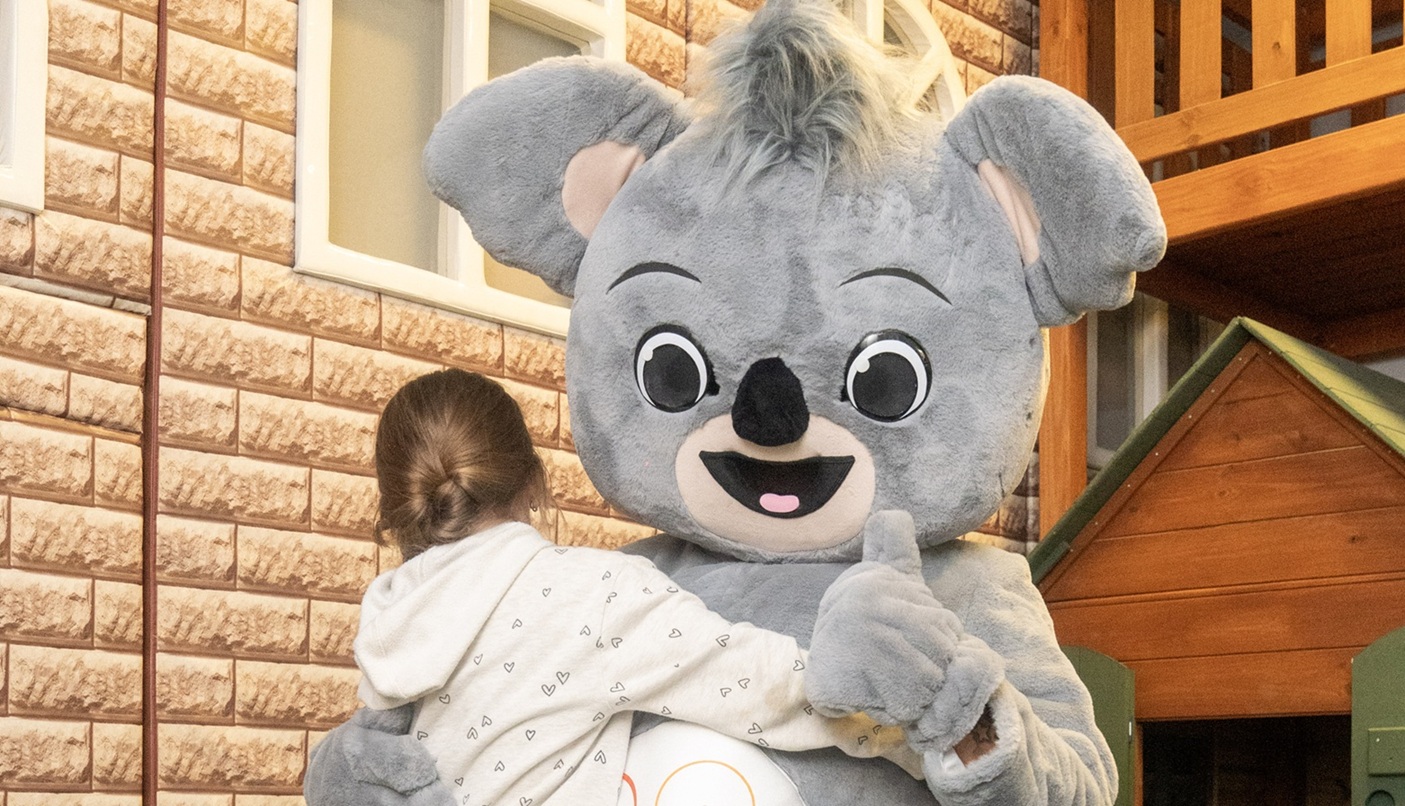
Autism-friendly playroom setup with sensory tools to reduce stress and improve focus, by Koala ABA Florida.

There is a common misconception that an autism-friendly home requires costly architectural renovations or complex clinical equipment.

However, this concept is primarily based on creating an environment that minimizes the barriers the outside world imposes on children with sensory sensitivities.

Under this approach, a home—and specifically an autism friendly playroom—aims to simplify your child’s daily reality through:

  • Reduction of sensory load: Softening stimuli such as intense lights or loud noises that cause physical or emotional discomfort.
  • Fostering predictability: Creating an organized space where your child easily understands which activity comes next and how long it will last.
  • Promoting autonomy: Adapting furniture and organization so the child can access their materials on their own, reducing frustration.
  • Respecting the individual profile: Adjusting the room to your little one’s specific sensory needs, avoiding one-size-fits-all solutions.

What are the benefits of an autism friendly playroom?

Have you ever wondered why certain meltdowns occur right during play moments that should be fun?

Often, the trigger isn’t the activity itself, but rather an “invisible” overstimulation stemming from a poorly organized environment that exhausts your child’s sensory resources.

In this sense, an autism friendly playroom acts as a silent support tool.

By reducing visual or auditory noise, this space allows the child to regulate their emotions more efficiently and develop social skills through play.

By investing time in creating these environments, you will notice positive changes that impact not only the child but the entire family, such as:

  • Decreased stress: A calm environment allows the nervous system to relax, reducing the sensory fatigue accumulated throughout the day.
  • Increased engagement and focus: By eliminating distractions, your child can dive deeper into their interests and maintain attention during play.
  • Improved communication: An emotionally regulated child finds it much easier to interact, ask for what they need, and express themselves.
  • Fostering self-regulation: The space provides a safe place to regain balance independently.

How to design an autism friendly playroom the right way?

5 easy sensory ideas to support your child's development in an autism-friendly playroom, provided by Koala ABA.

Making an autism friendly playroom both aesthetically pleasing and functional is only possible if we apply child-centered design principles.

Therefore, the key does not lie in the budget, but in our ability to observe the available space from your child’s physical and emotional perspective.

To make this process simple and effective for you, we have broken down some fundamental ideas into practical elements that you can start implementing today.

How to choose textures and lighting that calm instead of overwhelm?

Undoubtedly, inadequate lighting or irritating textures within the autism friendly playroom can drain your child’s energy, leading to irritability that is difficult to manage.

To transform the atmosphere into a space of serenity, we recommend putting these sensory design keys into practice:

  • Warm lighting: Swap fluorescent lights for warm-toned lamps or soft projectors that avoid annoying flickering.
  • Friendly textures: Prioritize low-pile rugs and cotton pillows. Avoid rough materials that may cause tactile defensiveness.
  • Soothing colors: Use earth tones, muted blues, or soft greens for the walls. Keep bright colors reserved for toys kept in storage.
  • Visual order: Cover open shelves with neutral curtains to reduce the “visual noise” of objects and help your child focus.

5 Sensory Room Ideas for Autism You Can Do Yourself.

Koala ABA Florida tips for an autism-friendly playroom to improve focus and reduce stress at home.

An effective sensory playroom doesn’t have to look like a hospital room; it can and should be a beautiful, warm, and fun space.

However, the selection of tools must be personalized, based on whether your child is a sensory seeker or a sensory avoider.

Furthermore, the objects used in an autism friendly playroom can make the difference between an afternoon of sensory crisis… and one of discovery and calm.

Here are 5 practical, affordable, and easy-to-implement ideas for your home:

  1. Weighted blankets: Ideal for calming the nervous system through deep pressure after a meltdown or before bedtime.
  2. Sensory bins: Boxes filled with rice, kinetic sand, or legumes for your child to explore textures safely and playfully.
  3. Fidget toys: Tools like pop-its or spinners that help channel energy and improve concentration.
  4. Sensory swings or hammocks: These offer relaxing swinging motions that help organize the child’s vestibular system.
  5. Visual supports: Timers and pictograms that provide structure to playtime, facilitating transitions and reducing anxiety.

Frequently Asked Questions about Autism Friendly Playrooms.

1. What is an autism friendly playroom?

It is a space designed to reduce sensory overload and promote calm, learning, and the child’s autonomy.

It’s not about aesthetics, but functionality: soft lighting, clear organization, and stimuli adapted to their needs.

2. How do I know if my child is overstimulated in their own playroom?

Common signs include irritability, difficulty concentrating, avoiding the space, or frequent meltdowns during play.

If you notice these behaviors, the environment likely needs sensory adjustments.

3. What type of toys are most suitable for a sensory room?

The most recommended are those that promote self-regulation and focus, such as weighted blankets, fidget toys, sensory bins, or swings.

The key is to choose based on the child’s sensory profile (seeker vs. avoider).

4. What is the role of ABA therapy in the home?

Applied Behavior Analysis (ABA) therapy helps structure the environment and teach key skills within the child’s natural context.

Integrating these strategies at home boosts daily learning.

Koala ABA: How does ABA therapy enhance autism-friendly environments?

Create an autism-friendly playroom in Florida with 5 easy sensory ideas to support your child's development.

Undoubtedly, correctly designing an autism friendly playroom is a key step; but when combined with professional strategies, the impact on your child’s development multiplies.

At Koala ABA & Learning Centers, we understand that true progress doesn’t just happen in clinical sessions, but in the spaces where your child lives, plays, and learns every day.

Applied Behavior Analysis (ABA) therapy should be integrated directly into the home environment, turning that playroom into an active developmental tool.

That’s why we work with you to transform every corner of your home into an opportunity for meaningful learning and emotional regulation.

How do we enhance your autism friendly playroom? We offer:

  • Personalized sensory evaluation: We analyze which stimuli favor your child’s calm, attention, and learning, and which should be reduced or adapted.
  • Practical day-to-day strategies: We bring therapeutic techniques directly to your home, adapting them to your real routine.
  • Parent training: We provide clear, applicable tools so you can guide, anticipate, and reinforce positive behaviors.

The result is not just a pretty room, but an environment that drives independence, improves communication, and reduces family stress.

Contact us today and discover how to transform their playroom into a space that truly powers their development, learning, and daily well-being.


Autistic Hyperactive Behavior: ABA Strategies & 5 Tips for Parents

Learn to spot autism and bullying signs in school. Discover IEP steps and how Koala ABA supports Florida families .

For many parents of children with autism in Florida, seeing their little one unable to stop moving or constantly jumping leads to an inevitable question:

Is this part of their diagnosis… or is there something else I should know?

Dealing with these behaviors in your daily life can certainly be exhausting. Because of this, understanding the root of these actions is “step zero” toward finding calm and family balance.

You should know that autistic hyperactive behavior is not simply a case of excess childhood energy: it is a manifestation of how the nervous system responds to environmental stimuli.

In this guide, we will explore how to differentiate this constant restlessness from other conditions and how behavioral science can offer real, lasting solutions for your child.

Keep reading!

What does hyperactivity in children with autism really mean?

Practical tools for parents regarding autistic hyperactive behavior and ADHD differences at Koala ABA, Florida.

Often, the word “hyperactivity” is directly associated with ADHD.

However, within the autism spectrum, motor restlessness has unique nuances that must be correctly identified to avoid applying the wrong solutions.

For example, it isn’t just about a child who “wants to run”; this behavior can be an external response to a world that, at times, is difficult for them to predict.

To better understand autistic hyperactive behavior, it is essential to consider the following key points:

  • Sensory Origin: Unlike other cases, restlessness here is often a form of sensory self-regulation, not just a lack of attention.
  • Focus Support: Movement helps the child process information and avoid fatigue while focusing on their interests.
  • Stimming vs. Hyperactivity: Many times, the movement is stimming—a vital tool for calming their nervous system.
  • Reaction to the Environment: Energy levels depend directly on how structured, safe, or comfortable the child feels in their environment.

What are the common signs of autistic hyperactive behavior?

It is estimated that half of all children with autism present significant clinical signs of hyperactivity.

Therefore, recognizing these manifestations early allows for preventive adjustments in the environment before the child reaches a state of total dysregulation.

Keep in mind that these signs are not always obvious; in fact, they can manifest very differently depending on the age and sensory profile of each child.

It is fundamental to pay special attention to the following frequent behaviors:

  • Need for movement: A constant search for activity, such as spinning, rocking, or running without a specific purpose.
  • Restlessness when seated: Extreme difficulty staying still at the table, in the classroom, or during short commutes.
  • Impulsivity: Immediate actions without measuring risks, such as interrupting, grabbing objects, or suddenly running away.
  • Lack of focus: Quickly abandoning games or tasks to constantly jump to a new activity.

Autism vs. ADHD: How to differentiate hyperactivity in each case?

Koala ABA guide on autistic hyperactive behavior, sensory management, and ABA strategies in Florida.

Differentiating these two conditions is fundamental for therapeutic success, as discerning between ADHD and motor restlessness on the autism spectrum requires distinct clinical approaches.

In fact, if we treat a child with autism solely under ADHD protocols, we might be ignoring their most basic sensory needs.

Here is a detailed comparison to give you a clear view of the origin and manifestations of autistic hyperactive behavior:

  • Attention: In ADHD, it is dispersion (getting distracted by everything); in autism, it is support (moving in order to concentrate).
  • Impulsivity: In ADHD, it is a chemical impulse; in autism, it is a reaction to changes in routine or a lack of understanding.
  • Play: In ADHD, it is disorganized; in autism, the child can be hyperactive even while following strict rules or rituals.

How does ABA Therapy transform autistic hyperactive behavior?

Today, ABA therapy is the method with the most scientific backing for addressing hyperactivity in autism, which generates deep trust among families.

Its success lies in the fact that it does not seek to “repress” the child or force them to be still, but rather to understand what function that movement serves and teach them functional ways to achieve their goals.

At Koala ABA, for example, we transform autistic hyperactive behavior into learning skills through:

  • Functional Assessment: We analyze whether the child moves to escape a task, to seek attention, or due to a sensory need.
  • Positive Reinforcement: We identify what motivates your child and use it to reward moments of calm, attention, and self-regulation.
  • Environment Design: We modify the physical space to make it a place that invites concentration rather than distraction.

What ABA strategies are effective for autistic hyperactive behavior?

ABA strategies and ADHD comparison for autistic hyperactive behavior by Koala ABA in Florida.

At Koala ABA, we do not apply generic solutions; we use scientific tools to help your child gain control over their own body.

The following strategies allow every child with autism to feel capable of interacting with their environment without feeling overwhelmed:

  • Visual Schedules and Routines: These structure the day to eliminate the anxiety and uncertainty that trigger motor restlessness.
  • Waiting Skills Training: Teaches self-control through successive approximations, reducing impulsivity.
  • Functional Communication: Provides tools so the child can ask for what they need before frustration leads to a loss of control.

How to support a child with autistic hyperactive behavior at home?

We know that daily life as a parent of a child with hyperactive autism can be a monumental challenge.

However, there are small actions based on behavioral science that you can implement at home today to improve coexistence and your child’s well-being.

The main objective is to transform your home into a safe haven for your child, minimizing potential sources of stress.

Here are 5 practical tips from Koala ABA to address autistic hyperactive behavior at home:

  1. Establish consistent routines: Fixed schedules for meals, sleep, and play act as an emotional anchor, providing security for the child.
  2. Simplify the environment: Keeping areas clean and reducing noise or visual distractions prevents sensory overload and agitation.
  3. Celebrate small achievements: Immediate positive reinforcement is much more effective than any correction in fostering calm.
  4. Incorporate a “Sensory Diet”: Simple activities like jumping or using weighted blankets help channel their energy.
  5. Anticipate transitions: Use visual timers or verbal cues before changing activities; predictability is vital against restlessness.

Frequently Asked Questions about autistic hyperactive behavior.

1. Is autistic hyperactive behavior the same as ADHD?

No. Although they may look similar, they are not the same.

In autism, hyperactivity is usually related to sensory regulation or a response to the environment.

In ADHD, it is more linked to impulsivity and a generalized difficulty maintaining attention.

2. Why can’t my child with autism sit still?

In many cases, constant movement is not a lack of control, but a form of self-regulation.

The child may move to process stimuli, reduce anxiety, or stay focused on a task.

It may also be “stimming,” a repetitive behavior that helps calm the nervous system.

3. When should I seek professional help?

If the level of hyperactivity interferes with learning, family life, or the child’s safety, seeking a professional evaluation is recommended.

Early intervention can make a massive difference in developing functional skills.

Transform hyperactivity into real progress with support from Koala ABA.

Autistic hyperactive behavior resources and practical sensory tips for Florida families at Koala ABA.

As we have seen, understanding autistic hyperactive behavior is only the beginning of a profound transformation.

However, the most significant change happens when you have a specialized team capable of channeling that energy into functional skills for daily life.

At Koala ABA & Learning Centers in Florida, our interventions go beyond simple behavior control.

Our goal is to empower the independence, communication, and quality of life of your child through a human-centered approach and clinical precision.

We understand that every child on the spectrum has unique needs, which is why our support includes:

  • Personalized Intervention: Programs tailored to your child’s sensory and behavioral profile, focused on measurable results.
  • Expert Specialists: Professionals trained in the most effective ABA strategies, combining science and clinical practice.
  • Parent Training: Clear, applicable tools so you can continue progress at home with confidence.

More than just reducing hyperactivity, our goal is to give it a purpose: teaching your child how to communicate better and navigate their daily environment with total confidence.

Don’t hesitate: your next step can make all the difference.

Schedule a consultation today and discover how to turn your child’s energy into their greatest strength.


What is Blue Ribbon for Autism Awareness? 5 Ways to Help Kids Today

Learn to spot autism and bullying signs in school. Discover IEP steps and how Koala ABA supports Florida families .

Have you noticed that small blue ribbon for autism awareness throughout Florida every April?

Beyond being a simple accessory, this symbol carries a profound message of hope and transformation for thousands of families.

If you are the parent of a child with autism, you know that the therapeutic journey is filled with immense challenges, but also with discoveries that defy any conventional diagnosis.

However, at Koala ABA & Learning Centers, we understand that visibility is just the starting point.

Our goal? To transform the blue ribbon into concrete actions that promote real inclusion and the development of critical skills.

In the following lines, we will explore how this ribbon unites us and what practical steps you can take today so your child can reach their full potential.

Keep reading!

What does the blue ribbon for autism awareness represent?

Meaning of the blue ribbon for autism awareness and resources for parents in Florida at Koala ABA.

The blue ribbon for autism awareness is the visual representation of a collective commitment that transcends borders.

While the puzzle design has been historically recognized, the color blue stands as a symbol of calm and perseverance in child development.

Thus, this shade represents the depth of a sea that, although it may seem turbulent at times, holds unique treasures of intelligence and sensitivity.

For this reason, wearing this autism awareness ribbon symbolizes the following core values:

  • Global Visibility: Making thousands of children with autism visible, normalizing neurodiversity as an essential part of the human experience.
  • Empathy and Respect: Understanding that sensory challenges are not “bad behavior,” but rather a different way of processing the world.
  • Promoting Education: Driving autism education in schools and workplaces to create spaces where everyone can participate.
  • Family Solidarity: Sending a message of support to parents, reminding them that they have a community walking by their side.

Why is Autism Acceptance Month important in Florida?

In a state as diverse as ours, Autism Awareness Month is a catalyst for resources and family unity.

For those of us living in Florida, April is the time when foundations and therapy centers align their efforts to give a voice to those who need it most.

Of course, beyond wearing the blue ribbon for autism awareness, April invites us to evaluate how much progress we have made in creating a society that celebrates differences.

Actively celebrating this month is vital for the following reasons:

  • Breaking Down Social Barriers: By talking about autism, we normalize differences and reduce social judgment in public spaces.
  • Connection to Local Services: A higher flow of information regarding ASD support and early intervention scholarships.
  • Parental Empowerment: Providing families with the tools to advocate for their children’s educational and health rights.
  • Promoting Acceptance: We are evolving from “knowing” about autism to autism acceptance, seeking full integration into the community.

How can parents support their children with autism from home?

Koala ABA staff in Florida highlighting 5 ways to support children through the blue ribbon for autism awareness.

Even if we don’t always wear the blue ribbon for autism awareness at home, the most transformative and lasting support happens there.

Help for parents with children with autism begins with creating a safe environment where the child feels understood rather than pressured.

At this stage, the home is the primary setting for practicing social skills and, with the right strategies, powerfully fostering each child’s independence.

5 strategies to create predictable structures and routines at home.

For a child with autism, a lack of structure can generate overwhelming anxiety.

In this sense, creating a predictable environment is like giving them a clear map to navigate their day without fear of the unknown.

Therefore, at Koala ABA, in addition to wearing your blue ribbon for autism awareness, we recommend implementing the following 5 tools:

  1. Visual Schedules: Implement pictograms or photos that show the sequence of the day, from breakfast to bedtime.
  2. Sand Timers or Stopwatches: These help the child visualize how much time is left to finish one activity and start the next.
  3. Designated Zones: Organize the house by function (a corner for play, another for eating, another for relaxing) to avoid sensory confusion and define expectations.
  4. Anticipating Changes: Give a 5 or 10-minute warning before any major transition in their daily routine.
  5. Consistency in Instructions: Ensure that all family members use the same words to request the same actions.

How does ABA therapy transform the lives of children with autism?

Discover the significance of the blue ribbon for autism awareness at Koala ABA for children in Florida.

Undoubtedly, when families seek therapeutic support for children with autism, it is science that offers a clear and measurable path.

At this point, behavioral therapy for autism—specifically Applied Behavior Analysis (ABA)—is globally recognized as the intervention with the greatest scientific backing.

And yes, in Florida, this approach has also transformed the lives of thousands of children by turning behavioral challenges into real learning opportunities.

What is ABA therapy and how does it work for children with autism?

ABA therapy for children is by no means a rigid method; it is a flexible science, much like the blue ribbon for autism awareness, that adapts to the personality of each little one.

This approach is based on observing behavior and adjusting the environment to promote success through:

  • Functional Analysis: We understand the “why” behind each behavior to offer a healthier and more functional alternative.
  • Step-by-Step Learning: We break down complex tasks into easy-to-achieve micro-goals, reducing frustration.
  • Generalization: We ensure that what is learned at the center is successfully repeated at school and at home, achieving real independence.

FAQs about the Blue Ribbon and Autism Support.

1. What does the blue ribbon for autism awareness mean?

The blue ribbon for autism awareness symbolizes visibility, empathy, respect, and family solidarity.

It represents a collective commitment to normalizing neurodiversity and promoting the inclusion of children with autism in all areas of society.

2. Why is Autism Acceptance Month important in Florida?

In Florida, April becomes a key month to make autism visible, break down social barriers, and connect families with local services and educational resources.

Celebrating it activates acceptance and strengthens parental empowerment.

3. How can parents help their children with autism from home?

Creating a structured and predictable environment at home is fundamental.

Strategies such as visual schedules, timers, designated zones, transition warnings, and consistency in instructions help reduce anxiety and foster the child’s independence.

Koala ABA & Learning Centers: Transforming Awareness into Action.

Koala ABA providing guidance and the blue ribbon for autism awareness to the Florida community.

The blue ribbon for autism awareness symbolizes not only hope but also the opportunity to turn that visibility into real changes in our children’s lives.

At Koala ABA & Learning Centers, we understand that every family needs tools, constant support, and evidence-based strategies that truly drive their child’s development.

That is why our approach combines ABA Therapy with a human commitment that is not limited to the month of April.

Here, we work so that every session is an opportunity to:

  • Foster independence: We adapt activities to each child’s skills and pace.
  • Promote inclusion: We guide families and schools so that every child is valued and understood.
  • Boost family confidence: Every achievement, no matter how small it may seem, is celebrated and reinforced at home and school.

At Koala ABA, the blue ribbon is transformed into concrete experiences, daily growth, and a clear plan for long-term success.

Schedule a consultation today and discover how to transform the hope of the blue ribbon into real, lasting results.

Don’t let awareness month end without taking the first step toward a fuller life for your child.


Sensory Activities for Autism: 5 Fun and Easy Ideas to Try at Home

Preparing an autistic child for success during the back-to-school transition in Florida with Koala ABA.

Without a doubt, entering the world of a child with autism means discovering that every texture, sound, or movement is processed in a unique way.

As a parent, you have likely noticed moments when your child seems disconnected from their surroundings or reacts with intensity to everyday stimuli.

These behaviors are not whims: they are the way their nervous system attempts to communicate with the world.

In this context, sensory activities for autism are not mere pastimes to fill the day.

They are therapeutic tools that help reduce anxiety levels and allow your little one to explore their environment with a new sense of security.

Below, we will explain the science behind this stimulation and offer 5 practical ideas you can implement today to promote your child’s well-being.

Keep reading!

What exactly are sensory activities for autism?

5 fun and easy sensory activities for autism by Koala ABA designed to support learning and emotional well-being.

To understand the real value of these dynamics at home, we must first talk about sensory input.

We all receive information through our senses, but for children with autism, this information sometimes arrives with hypersensitivity or hyposensitivity.

At this point, sensory activities for autism act as an “equalizer,” helping the child process these stimuli functionally.

Furthermore, these experiences are designed to target critical areas that directly impact behavior and learning:

  • Tactile Stimulation: Normalizes contact with textures (sticky, rough, or new) and reduces sensory aversion.
  • Proprioceptive Input: Improves body awareness and promotes calmness through pressure on muscles and joints.
  • Vestibular System: Develops balance and confidence when moving through the environment.
  • Self-Regulation: The ultimate goal; achieving a state of “calm alertness” to learn and play without stress.

Why is sensory play key to your child’s development?

It is scientifically proven that a child’s brain possesses amazing plasticity.

For a child with autism, play is not just fun: it is their primary channel for connecting with reality.

By integrating sensory activities for autism into your daily routines, you build neurological bridges that facilitate emotional regulation, communication, and long-term autonomy.

In particular, dynamics focused on relaxation act as a “safety switch” that helps in the following ways:

  • Reduction of biological stress: Helps lower cortisol levels (the stress hormone) in a natural and rhythmic way.
  • Predictable environment: Offers clear rules that reduce uncertainty and fear.
  • Energy channeling: Provides a functional outlet for pent-up energy.
  • Emotional reconnection: Allows the child to regain balance and interact positively once again.

5 Easy Sensory Activities for Autism to Do at Home.

Help your child thrive with these sensory activities for autism and professional tips for home safety from Koala ABA.

Below, we present a detailed selection of ideas you can carry out with affordable materials you likely already have at home.

Remember, the key to these sensory activities for autism is personalization: what fascinates a “sensory seeker” might be invasive to a “sensory avoider.”

Therefore, always observe your little one’s reaction and adjust the game to their pace.

Read them carefully!

1. Sensory Bins with Rice, Beans, or Sand.

  • Suggested Materials: A deep plastic bin, dyed rice, dried beans, or kinetic sand.
  • How to Play: Hide magnetic letters or shiny stones so the child can use their hands as “excavation tools.”
  • Impact: One of the most effective activities for working on prolonged concentration and fine tactile discrimination.

2. Playdough or Therapeutic Putty for Tactile Play.

  • Dynamic: Encourage the child to squeeze, stretch, or hide coins inside the dough to later “rescue” them.
  • Expert Tip: Use putties with different resistances to vary the intensity of the muscular and sensory exercise.
  • Impact: Provides essential proprioceptive input to strengthen hand muscles and joints.

3. Swings or Rocking for Gentle Movement Stimuli.

  • Dynamic: Use a hammock-style fabric swing or wrap the child in a sturdy blanket to gently rock them between two adults.
  • Precaution: Maintain a steady, rhythmic pace if the goal is calmness; erratic movement can cause overstimulation.
  • Impact: Directly stimulates the vestibular system, which is fundamental for emotional balance and serenity.

4. Bubble Play for Visual Tracking and Calmness.

  • Dynamic: Blow bubbles and encourage the child to catch them with their fingertip or blow them themselves to practice breath control.
  • Additional Benefit: The act of blowing requires a prolonged exhalation that activates the parasympathetic nervous system (the relaxation response).
  • Impact: Improves visual coordination and works as an instant sensory regulation tool.

5. Weighted Blankets or Lap Pads for Rest.

  • Usage: Place them over the shoulders or lap while the child engages in sedentary activities, such as reading a story or using a tablet.
  • Effect: Deep pressure sends “safety and calm” signals to the brain, helping the nervous system organize itself.
  • Impact: One of the strategies most valued by occupational therapists to improve rest and the transition to sleep.

How to Perform Sensory Activities at Home Safely?

Discover 5 simple sensory activities for autism at home to improve focus and promote calmness with Koala ABA.

Finally, for these sensory activities for autism to reach their full therapeutic potential, it is essential to establish a framework of physical and emotional control.

Of course, it isn’t just about playing for the sake of playing, but about creating a space where your child feels protected and regulated.

Here are the essential guidelines to ensure a safe, positive, and risk-free experience at home:

  • Constant Supervision: Always monitor the use of small materials to avoid ingestion risks (especially with young children).
  • Structured Space: Perform activities in the same location to create a routine that provides predictability and calm.
  • Respect the Pace: Never force contact with textures. Play must always be voluntary to avoid sensory rejection.
  • Short Intervals: Limit sessions to 10 or 15 minutes to prevent fatigue or overstimulation.

That being said, despite our best efforts at home, sensory challenges are often complex enough to interfere with basic milestones like eating or sleeping.

In these cases, the intervention of a therapeutic team is the most recommended path toward your child’s well-being.

FAQs about Sensory Activities for Autism.

1. What are sensory activities for autism?

They are dynamics designed to help children process stimuli functionally.

They stimulate senses like touch, movement, and proprioception, promoting emotional self-regulation, reducing anxiety, and facilitating learning and social interaction.

2. Why are these activities important at home?

Incorporating them into the daily routine allows the child to explore their environment safely, improve focus, develop motor skills, and better manage their emotions.

They also strengthen communication and long-term autonomy.

3. What should I do if my child has complex sensory challenges?

When sensory challenges affect major milestones like sleep or nutrition, the intervention of a therapeutic team is essential.

Specialized professionals can design a personalized plan tailored to their specific needs.

Koala ABA: Helping Your Child Thrive with the Right Sensory Support.

Effective sensory activities for autism from Koala ABA that foster safe exploration and developmental progress at home.

Sensory activities for autism are much more than games: they are a bridge to understanding how your child perceives the world.

Therefore, incorporating them at home sends a powerful message: “I recognize your needs, and I am giving you the tools to feel safe and confident.”

At Koala ABA & Learning Centers, we understand that emotional development and sensory regulation go hand in hand with learning.

Our approach covers not only academic skills but also sensory well-being, because a child who feels secure in their body is a happier, more receptive child who is better connected to those around them.

Our team combines ABA Therapy with deep empathy for each child’s uniqueness, designing personalized programs that foster autonomy, calmness, and learning.

Take the first step today!

Contact us and discover how we can transform playtime into opportunities for real progress for your child.


Newsletter April 2026

Undoubtedly, many of our children’s behaviors—which can sometimes be difficult to understand—are actually different forms of communication. Therefore, before correcting a behavior, pause and ask yourself:

“What is my child trying to express at this moment?”

You will see how this small shift in perspective can completely transform the way you connect with them, strengthening:

  • The emotional bond: By feeling understood, your child will develop greater security in their environment.
  • Emotional regulation: Identifying the cause of the behavior helps prevent moments of high frustration.
  • Functional communication: We open the door to teaching them more effective ways to express their needs.

When we understand the “why,” the “how” to help becomes much clearer. Discover more about functional communication here!


Recommended Activity: Taking turns, learning to connect.

You don’t need expensive materials to foster social interaction with your child; you only need willingness, intention, and presence. This month, we invite you to practice “my turn/your turn” games to develop patience, empathy, and communication through:

  • Rolling a ball: Alternate who throws it and who receives it to create a rhythm of connection.
  • Block towers: Place one piece each; seeing the structure grow together reinforces collaboration.
  • Basic board games: Practice respecting wait times in a fun and playful way.

Fostering reciprocity helps make playing together much more fun. Explore our full list of games here!