Back-to-School Transition: A Parent’s Guide for Autistic Children (2026)

Navigating the back-to-school transition in Florida with ease using practical ABA strategies from Koala ABA.

For parents of children with autism, the end of summer vacation often brings deep concern to the household.

In fact, shifting from the freedom of summer to strict school schedules represents one of the most challenging times of the year for any family.

However, making the back-to-school transition easier is completely possible if you move away from improvisation and lean into planning.

Below, we share a proactive plan designed with the support of ABA therapy, so the return to school begins with safety, calm, and maximum independence for your little one.

Keep reading!

Why is the back-to-school transition a challenge for autistic children?

Preparing an autistic child for success during the back-to-school transition in Florida with Koala ABA.

With the end of summer in Florida, the vacation routine—which is generally more flexible and free from academic demands—is completely disrupted to make way for a much more rigid structure.

Likewise, understanding which areas of development are most impacted will help you anticipate your little one’s reactions and handle the back-to-school transition with much more empathy.

In this regard, the school transition in autism is complex due to specific factors that alter the child’s stability:

  • Less predictability: Not knowing what to expect from new teachers or classmates raises the child’s anxiety.
  • Higher cognitive demand: Following group instructions and sitting down requires a high level of self-regulation.
  • Sensory overload: The noise from hallways, school bells, and bright lights drain their nervous system.
  • New connections: Moving from the safe environment of the home to socializing with unfamiliar people requires a massive adjustment effort.

How to plan the back-to-school transition with a 4 to 6-week timeline?

Practical ABA strategies from Koala ABA to support the back-to-school transition in Florida.

Attempting to have your child absorb all the changes of the school environment in a single morning is a direct recipe for frustration and behavioral crises.

For this reason, establishing an anticipation timeline is essential in these cases.

In fact, planning this back-to-school transition a month in advance allows you to prepare an autistic child for the new school year with the calm and respect that their rhythm requires:

  • Prevents disruptive behaviors: It gradually replaces uncertainty with familiarity, reducing stress at home.
  • Allows for strategy adjustments: If a new rule causes resistance, you have enough time to familiarize the child alongside their therapists.
  • Regulates the biological clock: Sleep, wake, and appetite cycles are reconfigured without causing physical fatigue or secondary stress.
  • Provides emotional security: By knowing what to expect in the near future, the child gains control over their environment and loses the fear of the unknown.

How to prepare your autistic child for the new school year in Florida?

Supporting an autistic child's back-to-school transition in Florida with professional guidance from Koala ABA.

Preparing your little one for the back-to-school transition is all about turning uncertainty into predictability.

That is why, in the ABA therapy programs at our Florida centers, we rely on anticipation and visual tools to lower anxiety before the child ever steps into a real classroom.

To achieve this practically at home during the preceding weeks, we suggest following these four foundational strategies:

  • Design a social story: Create a visual script with photos of the school and their classroom. Read it every night to give them certainty about the first day.
  • Plan prior visits: Coordinate a tour of the school with the team. Locate their desk to familiarize them with the physical environment.
  • Adjust sleep gradually: Move bedtime and wake-up time 15 minutes earlier every two days, and eliminate screens before resting.
  • Rehearse morning routines: Run fun mock-ups of getting dressed, eating breakfast, and making the school commute to build confidence.

How to prepare the school and teachers to welcome your child?

Helping families navigate the back-to-school transition in Florida successfully with Koala ABA.

According to the National Association of School Psychologists (NASP), collaboration between family and school drastically reduces learning barriers and behavioral crises in students with autism.

Therefore, preparing the environment means giving educators the behavioral tools necessary to understand your little one and guarantee that their IEP accommodations are executed correctly.

To build this bridge of collaboration, we recommend focusing on these three strategic steps:

  • Deliver the “All About My Child” profile: Since IEP files are long, provide a quick visual summary. Include their greatest strengths, triggers, communication styles, and effective calming strategies.
  • Contact the teacher proactively: Send a friendly email a couple of weeks before school starts to introduce yourself and schedule a brief chat.
  • Coordinate sensory accommodations: Agree on a calm down corner in the classroom, schedule rest breaks, and pack a sensory kit in their backpack.

FAQs about the back-to-school transition for children with autism.

1. Why can going back to school be difficult for a child with autism?

The back-to-school transition can be a challenge for many children with autism because it involves significant changes to their routines, environment, and daily demands.

Shifting schedules, new teachers, classmates, classroom sounds, and academic expectations can cause anxiety or adjustment difficulties.

2. When should I start preparing my autistic child to return to school?

Ideally, preparation should begin between 4 and 6 weeks before the start of school.

This timeframe allows you to gradually introduce new schedules, adjust sleep routines, practice school activities, and familiarize the child with the changes they will face.

3. How can ABA therapy help with the back-to-school transition?

ABA (Applied Behavior Analysis) therapy uses evidence-based strategies to teach functional skills and improve adaptation to different environments.

During school preparation, an ABA program can work on skills such as:

  • Following instructions.
  • Managing changes in routine.
  • Communicating effectively.
  • Participating in group activities.
  • Developing greater independence.

At Koala ABA & Learning Centers, personalized programs help each child strengthen the skills needed to face new school challenges with greater confidence.

Koala ABA: Preparing your child for a return to school with confidence and Independence.
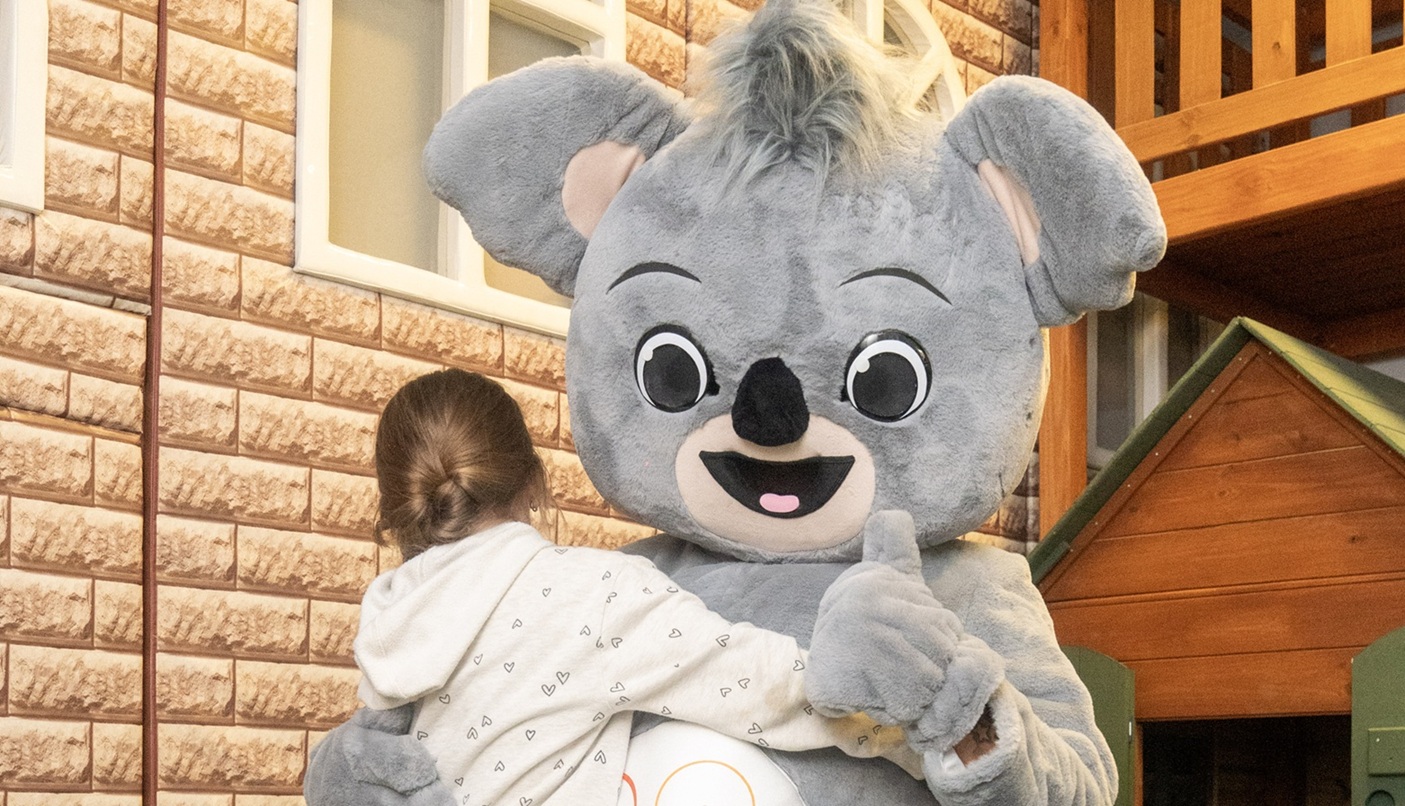
Back-to-School Transition: A Parent's Guide for Autistic Children (2026)

The back-to-school transition does not have to be a phase marked by uncertainty, anxiety, or constant family challenges.

With the right guidance, children with autism can develop the skills necessary to progressively adapt to new schedules, environments, and school demands.

At Koala ABA & Learning Centers, we understand that every child has a unique learning pace.

That is why our KOALAFIED® professionals create personalized plans based on ABA therapy to strengthen the skills your child needs both inside and outside the classroom.

Through our programs in Florida, we help families prepare for this important transition using strategies focused on:

  • Developing flexibility toward change: We work on adaptation skills so your child can face new routines, teachers, activities, and environments with greater security.
  • Strengthening functional communication: We teach tools to express needs, ask for help, request breaks, and participate more independently in the school environment.
  • Increasing academic independence: We practice skills like following instructions, staying engaged in structured activities, and completing tasks tailored to their capabilities.

Yes, every small step counts. From learning a new routine to feeling comfortable in a classroom, early preparation can make a massive difference in your child’s school experience.

At Koala ABA, we believe that going back to school does not just mean returning to a building—it means opening a brand new opportunity to grow, learn, and gain independence.

Does your child need support adjusting to the upcoming school year?

Our team is ready to help you create a personalized plan based on their strengths, needs, and developmental goals.

Schedule a tour today and discover how we can guide your family on the path to a calmer, safer, and more successful return to school.


Summer Regression in Autism: Protect ABA Gains in Florida (2026)

Protection of milestones and strategies to combat summer regression in autism with Koala ABA in Florida.

For parents of children with autism, the arrival of school recess in Florida—while meaning precious time to enjoy as a family—often sparks deep concern.

In fact, when classrooms and clinical sessions are no longer part of the daily routine, your child’s behavioral, social, and language progress can begin to waver.

Yes, summer regression in autism is a real clinical challenge that occurs when a lack of stimuli and the absence of structure weaken acquired skills.

However, the key to preventing skill loss during vacations lies in designing a proactive, balanced plan that adapts to the rhythm of your home.

Below, we will explore why this phenomenon occurs, how to identify the first indicators at home, and how to protect progress in ABA therapy while your family enjoys the summer.

Keep reading!

What is Summer Regression in Autism and Why Does It Occur?

Maintaining ABA therapy progress and preventing summer regression in autism at Koala ABA Florida.

When an autistic child’s environment changes drastically, their nervous system spends a lot of energy adapting to the new pace of life, reducing the opportunities to practice earned skills.

In this sense, summer regression in autism occurs due to environmental and therapeutic factors that disrupt their routine.

Without visual schedules or clear transitions, anxiety increases and alters their daily behavior in very specific ways:

  • Constant uncertainty: Not knowing what activity comes next puts the child in a state of high alert, which ends up exhausting their patience.
  • Loss of autonomy: Daily habits like getting dressed or brushing teeth lose their fixed sequence and begin to be cast aside.
  • Disruptive behaviors: Emotional meltdowns emerge as a natural response to control an environment that feels chaotic to them.

What Skills Are Most Commonly Lost During Summer Regression?

Now, summer regression in autism does not affect all areas of development equally; it tends to especially impact the building blocks of autonomy and socialization.

Thus, when vacations arrive and ABA therapy hours are drastically reduced, behavior analysts typically report significant losses in the following critical areas:

  • Functional communication: A decrease in the use of words or phrases, reverting to the use of gestures, crying, or hand-pulling to express themselves.
  • Social interactions: Less willingness to share, take turns, maintain eye contact, or respond to everyday greetings.
  • Self-care skills: Setbacks in toilet training and difficulties eating independently or getting dressed.

How to Detect the First Signs of Regression in Your Child in Time?

Key steps to combat summer regression in autism and sustain development with Koala ABA in Florida.

Summer regression in autism does not appear overnight; it manifests gradually through subtle everyday changes in your little one’s behavior and mood.

In this scenario, your best tool is constant observation. Identifying these indicators in time will allow you to adjust home routines before the loss of skills becomes harder to reverse.

To evaluate your child’s state objectively, keep an eye out for these fundamental red flags:

  • Increased frustration: Tantrums or emotional meltdowns over simple tasks they previously performed independently and calmly.
  • Loss of recent milestones: Stopping the use of learned phrases to ask for things and going back to pointing in silence or using basic gestures.
  • Increase in stereotypies: More hand-flapping, rocking, or repetition of words to regulate anxiety caused by the lack of routine.
  • Extreme rigidity: Resistance to minimal changes in the day-to-day, such as a different clothing item or a variation in the car route.

How to Avoid Summer Regression in Children with Special Needs?

No, school recess does not have to mean a loss of progress.

Nor do you need to transform your home into a classroom; the secret to fighting summer regression in autism is to naturally weave the goals of ABA therapy with vacation fun.

Here is a simple action plan with practical strategies you can apply with your family starting today to protect your little one’s development:

  • Maintain a predictable routine: Use visual schedules to anticipate the day; fixed structure reduces anxiety and prevents meltdowns.
  • Integrate ABA therapy into play: Practice key skills (such as waiting or requesting toys) during playful activities.
  • Foster socialization: Organize short playdates with a single friend or visit parks during low-traffic hours.
  • Reinforce communication: Follow your child’s lead in play and model real-world behaviors, such as saying hello or asking for “please.”
  • Ensure the continuity of ABA therapy: Maintain the support of your therapists to work in natural environments (beaches or camps).

Why Look for an Autism-Friendly Summer Camp in Florida?

Guidance on how to avoid summer regression in autism and protect milestone progress with Koala ABA Florida.

Maintaining a perfect routine at home can become an extremely exhausting task during vacations. Trying to be a parent, teacher, and therapist all at the same time usually raises stress levels in the household.

In this landscape, professionally designed vacation environments represent an ideal protective shield against summer regression in autism.

A specialized camp maintains your child’s progress comprehensively through the following strategic benefits:

  • Guided socialization: Interaction with other children in a safe environment, with professionals trained to handle meltdowns and frustrations.
  • Prevention of cognitive decline: Combats the summer slide through recreational dynamics, music, and sensory stimulation.
  • Stress-free school transition: Maintains fixed schedules and the habit of following group instructions, making the return to school easier.

Frequently Asked Questions About Summer Regression in Autism.

1. What is summer regression in autism?

Summer regression in autism is the temporary loss of acquired skills during vacations due to changes in routine, less exposure to educational stimuli, and fewer opportunities for practice.

It can affect areas such as communication, social skills, autonomy, and emotional regulation. Maintaining a daily structure and continuing with ABA strategies helps reduce this risk.

2. Why can children with autism lose skills during vacations?

Children with autism usually benefit from predictable routines and structured environments.

When summer arrives and school or therapeutic schedules change, they can experience increased anxiety, difficulties with transitions, and fewer opportunities to practice important skills.

The continuity of guided activities helps maintain the progress achieved.

3. What skills can be affected during summer regression?

Summer regression in children with autism can primarily affect communication skills, social interaction, independence, and self-care.

Some children may reduce their use of words or phrases, show less interest in playing with others, or need more support in daily activities like getting dressed or following instructions.

4. Should ABA therapy continue during summer vacation?

Yes. Maintaining ABA therapy during the summer can help children continue practicing important skills while avoiding losing the progress achieved during the school year.

ABA programs can be adapted to include games, social activities, and real, day-to-day situations.

5. Can a summer camp help children with autism?

A specialized summer camp for children with autism can provide a combination of fun, learning, and therapeutic support.

These spaces offer opportunities to practice social skills, communication, independence, and adaptation to group routines in a safe environment.

Protect Your Child’s Progress with Koala ABA & Learning Centers This Summer.

Clinical and behavioral support to manage summer regression in autism at Koala ABA in Florida.

At Koala ABA & Learning Centers, we believe that summer can also be an opportunity to strengthen skills, gain independence, and keep reaching new goals.

To achieve this, our team designs intervention plans tailored to each child’s needs so that ABA therapy continues naturally during school recess.

At our Summer Camp, children participate in recreational activities, games, and socialization opportunities while working on goals related to communication and social skills.

In addition, our behavior analysts collaborate with each family to identify the skills that require the most reinforcement and create an individualized strategy that helps prevent summer regression in autism.

This way, your child maintains therapeutic continuity without giving up an enriching vacation.

If you want this summer to be filled with learning, confidence, and new opportunities for your child, Koala ABA & Learning Centers is ready to accompany your family starting today.

Schedule a tour today and discover how we can help your child maintain their achievements, develop new skills, and enjoy a summer full of growth in Florida.


Water Safety for an Autistic Child: 4 Essential Summer Tips (2026)

Learn the 4 essential layers of water safety for an autistic child with Koala ABA, Florida

Summer in Florida is synonymous with sunny days, trips to the beach, and endless afternoons by the pool.

However, for parents of children on the autism spectrum, this season also brings deep concern.

Water safety for an autistic child during vacation is not a secondary issue; it is an absolute priority that requires planning, prevention, and a great deal of empathy.

Navigating this challenge does not mean giving in to panic, but rather understanding your child’s behavior, anticipating risks, and designing a solid strategy that allows everyone to enjoy the pool and the beach with peace of mind.

Below, we will explore everything you need to know to protect your little one’s well-being through simple, practical steps and proven methodologies.

Read on!

Why Does Water Pose a Greater Risk for Children with Autism?

Learn the 4 essential layers of water safety for an autistic child with Koala ABA, Florida

A child with autism processes sensory and cognitive stimuli differently, which often transforms a recreational space into a high-risk scenario.

Naturally, we are not looking at a simple case of stubborn behavior; this is a profound neurological and biological response to environmental stimuli that can completely alter their perception of danger.

To fully understand this behavior and act with maximum precision to promote water safety for an autistic child, it is essential to break down the following critical factors:

  • Wandering Toward Water: Sensory overload can cause a child to elope toward what attracts them most: the water. Because of this, vigilance is a top priority near pools or beaches.
  • Sensory Fascination: The shimmer, sound, and feel of water are irresistible to them. This powerful attraction often causes them to jump in without assessing the danger, the depth, or whether they know how to swim.
  • Communication Barriers: During moments of crisis, they may experience verbal shutdown or struggle to process commands, preventing them from asking for help or reacting to warnings.

How to Create an Effective Safety Plan at the Pool and at Home.

Real protection is built by stacking “layers of safety”: if one measure fails, the next one prevents the accident.

At this point, to achieve an effective strategy for water safety for an autistic child, you must combine home modifications, strict family rules, and tracking technology.

Here are the practical steps broken down into the four fundamental layers you can implement today:

1. Secure the Home Environment with Fences and Alarms.

The first line of defense is inside the house, especially given the risks posed by pools and canals in Florida.

Do not rely on standard doorknobs; the curiosity of children with autism easily overcomes standard locks, so implement:

  • High Locks: Install deadbolts or safety latches at a minimum height of 1.5 meters (5 feet) on all doors leading outside.
  • Door Alarms: Place magnetic sensors that emit a loud, immediate sound if a door or window is opened.
  • Pool Fences: Install a four-sided perimeter fence (at least 1.2 meters or 4 feet high) with self-closing and self-latching gates.

2. Strict Supervision: The “Water Watcher” System.

Learn the 4 essential layers of water safety for an autistic child with Koala ABA, Florida

Casual supervision or assuming someone else is watching is a major danger that compromises water safety for an autistic child.

At family barbecues or the beach, conversations easily distract adults, and visual contact can be lost in a matter of seconds, therefore:

  • Choose a Dedicated Watcher: Assign a single adult as the sole person responsible for keeping their eyes fixed on the water where the children are.
  • Touch Distance: If your child does not swim well, the adult must be in the water within arm’s reach of them.
  • Clear Away Toys: Remove all balls and floats from the pool at the end of the day so the child is not tempted to reach for them alone.

3. Water Competence: Adapted Swimming and Survival Classes.

Knowing how to float and reorient oneself in the water can save lives.

However, traditional methods based on pressure or imitation do not usually work well with autism; therefore, a much more structured approach is required:

  • Adapted Classes: Choose instructors certified in special needs who excel at managing sensory meltdowns or anxiety.
  • Repetitive Lessons: Short, frequent sessions lock survival movements into the child’s muscle memory.
  • Instinctive Reaction: Automating these movements allows the little one to react safely in the event of an accidental fall.

4. Rapid Response: Identification, Tracking Devices, and Emergency Plans.

If a wandering event occurs, having organized information and the right technology on hand accelerates tracking, serving as a crucial tool for the prevention of drowning in children with autism:

  • GPS Trackers: Use smartwatches or geolocating wristbands that the child cannot easily remove.
  • Physical Identification: Use medical alert bracelets that include your phone number, the diagnosis, and a clear note if the child is non-verbal.
  • Written Emergency Sheet: Create a card with an updated photo, physical traits, interests, and their favorite nearby bodies of water.

How Does ABA Therapy Help Develop Safety Skills?

Multiple clinical studies demonstrate that personalized ABA interventions drastically reduce elopement episodes by teaching the child with autism functional communication skills.

And while alarms, perimeter fences, and life jackets are indispensable tools, the most durable and effective solution lies in modifying risk behaviors from their psychological root.

Water safety for an autistic child is not developed solely at the edge of a pool: it begins in the clinic and at home, shaping essential habits that prevent dangerous situations before they happen.

Koala ABA & Learning Centers: Strengthening Safety Through Therapy.

Learn the 4 essential layers of water safety for an autistic child with Koala ABA, Florida

At Koala ABA & Learning Centers, we know that water safety for an autistic child begins long before reaching the pool or the beach.

Our ABA therapy programs help develop essential skills such as functional communication, responding to safety instructions, self-control, and adjusting to protective devices.

By strengthening these capabilities, children acquire tools that promote greater independence and reduce risk behaviors across different environments.

Summer is already here. Do you want to help your child enjoy it with greater confidence?

Schedule a tour today and discover how our personalized programs can strengthen their skills to navigate safely both in and out of the water.

FAQs About Water Safety for a Child with Autism.

1. Why are children with autism at a higher risk near water?

Many children on the autism spectrum feel a powerful attraction to water due to its sensory stimuli.

Additionally, wandering, communication difficulties, and a different perception of danger can increase the risk of accidents if constant supervision is not in place.

2. What is the best way to prevent accidents at pools or beaches?

The most effective strategy combines multiple measures: permanent adult supervision, home fences and alarms, adapted swimming classes, identification devices, and a family emergency plan.

3. Are swimming lessons recommended for children with autism?

Yes. Classes taught by instructors with experience in special needs help develop water survival skills, boost confidence, and foster safer responses to unexpected situations.

4. What devices can improve water safety?

Medical identification bracelets, GPS watches or trackers, and door and pool alarms are tools that complement supervision and facilitate a rapid response in an emergency.

5. How can ABA therapy contribute to water safety?

ABA therapy strengthens skills such as following instructions, communicating functionally, developing self-control, and reducing elopement behaviors.

These capabilities help children respond more safely both in and out of the water.


What Is Disability Pride Month? Celebrate in Florida This July

Preparing an autistic child for success during the back-to-school transition in Florida with Koala ABA.

Have you started to notice how social media and communities across Florida fill up with colors and messages of acceptance as summer begins?

If you are a parent of a child with autism, you know that July brings a deeply meaningful celebration that transforms the perception of neurodivergence nationwide: Disability Pride Month.

For many families, this date represents an invaluable opportunity to radically change how we understand intellectual, neurological, and physical differences.

But what if we paused for a moment to celebrate how far we have come and to value our children’s unique identities?

In this article, you will learn exactly what is commemorated this month, why it is a fundamental pillar for the neurodivergent community, and how you can model an environment of pride and respect in your own home.

Keep reading!

What Is Disability Pride Month and What Is Its Origin?

Information from Koala ABA for Florida families about Disability Pride Month.

Disability Pride Month is the result of decades of effort, activism, and resilience by thousands of people who knew how to demand that their rights be recognized by law.

Thus, by understanding these historical roots, families gain valuable tools to pass on the true value of identity, belonging, and self-respect to their children from an early age.

Ultimately, the signing of the Americans with Disabilities Act (ADA) on July 26, 1990, sowed the seed for the community to begin demanding visibility and celebrating their identity openly.

This milestone transformed the social landscape through the following pillars:

  • End of discrimination: The 1990 ADA prohibited discrimination in schools, workplaces, transportation, and businesses for the first time.
  • First historic march: In July 1990, Boston organized the first Disability Pride March to demand visibility and dignity.
  • Consolidation of July: Following that massive event, July officially became the month to bring visibility to the community’s achievements and challenges.
  • Generational impact: It allowed children born after 1990 to grow up in more accessible environments free from stigma.

Why Is July So Important for the Autism Community in Florida?

In a state as diverse as Florida, families are constantly searching for spaces where their little ones are not just tolerated, but genuinely understood, included, and valued.

And it is precisely here where the celebration of Disability Pride Month takes on a unique and undeniable relevance.

While learning to identify the early signs of autism remains a crucial tool, awareness alone runs the risk of staying stuck in a purely medical model.

In this sense, July invites us to take a definitive step toward the true acceptance of neurodiversity:

  • Natural diversity: Autism is not a disease requiring a cure, but a different and respectable neurological and identity configuration.
  • Focus on strengths: Shifts the perspective from deficits toward each child’s unique abilities and their way of processing the world.
  • Flexible society: Drives us to create environments that adapt to the individual, rather than forcing the child to fit into a rigid mold.
  • Language of empowerment: An evolution from traditional campaigns toward an approach built on pride and dignity.

How Can We Celebrate Disability Pride in Family This 2026?

Koala ABA resources for Disability Pride Month in Florida, focusing on a strength-based approach.

With thousands of neurodivergent families making their lives in our state, Florida has become a benchmark for inclusive spaces.

However, celebrating Disability Pride Month does not require organizing a huge parade that could cause sensory overload for your little one.

Remember: the deepest transformations happen in the warmth of daily routines.

Below, we present a simple guide with practical ideas to commemorate this month while respecting your home’s rhythm and lifestyle:

Focusing on Strengths:

  • Value the effort: Replace phrases about their difficulties with praise for how they use their tools to express themselves.
  • Normalize supports: Show headphones, tablets, or chewies as everyday technological resources that ensure their comfort.
  • Avoid comparisons: Measure your child’s success based on their own path and autonomy, without comparing them to the development of other children.

Readings That Foster Neurodiversity:

  • Real representation: Choose storybooks where children on the spectrum are the protagonists and heroes of the story, not a burden.
  • Empathy at home: Use illustrated books so your other children can understand how their sibling experiences the environment.
  • Break stereotypes: Take advantage of family moments to chat about how society can sometimes misinterpret sensory responses.

Small Actions at Home:

A Koala ABA announcement about Disability Pride Month in Florida.

  • Family art: Dedicate an afternoon to painting the pride flag while talking about the meaning of its colors.
  • Social respect: Teach the family to step in firmly if someone uses derogatory or outdated terms.
  • Celebrate authenticity: Validate their self-regulation behaviors in public; family pride does not depend on the approval of strangers.

Frequently Asked Questions About Disability Pride Month in Florida.

1. What is Disability Pride Month?

It is a celebration that takes place in July and recognizes the history, rights, and contributions of people with disabilities.

Its goal is to promote inclusion, dignity, and pride in neurodivergent identities as well as for people with physical, intellectual, and developmental disabilities.

2. Is disability pride related to autism?

Yes. Many neurodivergent families find this month to be an opportunity to celebrate autism from a neurodiversity perspective, focusing on acceptance, individual strengths, and inclusion.

3. What role do schools and therapists play in this celebration?

Schools, therapists, and specialized centers can help by promoting inclusive environments, accessible materials, and practices centered on the child’s strengths, supporting their development without losing sight of their identity.

4. Why is it important to talk about pride in disability?

Because it helps change the social narrative: moving from viewing disability as a limitation to recognizing it as part of human identity. This strengthens children’s self-esteem and improves inclusion in all settings.

5. How can a family start today?

The first step is to shift your perspective: observe the child’s strengths, validate their forms of communication, and look for environments that respect their pace.

Small daily actions generate a significant impact on their well-being and development.

Koala ABA & Learning Centers: An Approach That Celebrates Neurodiversity.

What is Disability Pride Month? Learn more with Koala ABA in Florida.

Celebrating Disability Pride Month also means surrounding your child with people who respect their identity and guide their development through a strength-based lens.

At Koala ABA & Learning Centers, we believe that every child deserves to learn, communicate, and develop their independence while remaining exactly who they are.

That is why our Applied Behavior Analysis (ABA) approach combines evidence-based practices with respectful, individualized care centered on the needs of each family.

Through our KOALAFIED® methodology, we design customized plans that help children develop daily living skills and gain greater autonomy, always respecting their learning pace.

In addition, we work hand-in-hand with mothers, fathers, and caregivers, offering them practical tools to continue learning at home.

Because when a family understands and celebrates neurodiversity, every achievement takes on a much deeper meaning.

Would you like to visit a place where your child can grow in an environment of respect, inclusion, and learning?

Schedule a tour today and discover how our team can support your family in unlocking your little one’s skills and well-being.


Newsletter July 2026

At Koala ABA we know that real progress is built breaking down complex skills into small steps. This way, by practicing consistently, each accumulated achievement transforms daily situations into milestones of confidence.

In our centers, through this scientific methodology, we achieve key advances in the day-to-day of your child:

  • Task breakdown: We divide big goals into micro-actions to ensure that your child experiences success in each attempt.
  • Immediate positive reinforcement: We celebrate each small advance, elevating their personal motivation and strengthening their self-esteem.
  • Reduction of frustration: By advancing at the natural pace of the child, we transform learning into a safe, fluid, and predictable process.
  • Sustainable autonomy: The mastery of each micro-step consolidates solid skills that foster a real and lasting independence.

With clinical support and the right guidance, we demonstrate to you that there is no goal your child cannot reach.

See all the social skills your little one can learn with us!

Start today a path of confidence together with Koala ABA! 

If you wish to know how our ABA Therapy programs help develop communication, independence, and skills for life, we are here to walk by your side in each stage!

Schedule a tour today and meet us personally!

At Koala ABA & Learning Centers we are ready to give you the peace of mind that you and your family deserve.

Look for us on Instagram, Facebook, and LinkedIn, or visit us at 2898 NW 79th Ave, Doral, FL 33122. Call us at (305) 363-2969 or visit us at koalaaba.com

May this July be the beginning of those first steps that lead to great achievements!