Understanding the KOALAFIED® Method: A Local Approach to Autism and ADHD Support

The KOALAFIED® method introduces a more natural way to support children with autism and ADHD, blending therapeutic and educational experiences that connect to everyday life. Its approach focuses on understanding how each child learns and creating an environment where essential skills can grow in a practical, consistent, and meaningful way. 

What is the KOALAFIED® Method?

The KOALAFIED® method is a structured intervention model that brings multiple therapies together under one coordinated plan. Its goal is to ensure that every developmental area is addressed in a connected, purposeful way. Instead of treating each discipline independently, KOALAFIED® aligns them so all interventions work toward shared objectives.

Core components of the KOALAFIED® method

  • ABA: behavior regulation, functional skills, structured routines
  • Speech therapy: verbal, nonverbal, and comprehension skills
  • Occupational therapy: motor skills, independence, sensory regulation
  • Social skills training: interaction, turn-taking, cooperative play

This combination helps children practice skills in real-life situations, leading to more natural and lasting progress.

Why Choose a Local Approach in Doral?

Choosing a local approach such as the KOALAFIED® method in Doral offers several advantages. First, it provides easy access to parents living in nearby neighborhoods like Fontainebleau, Sweetwater, and Westchester. This proximity means less travel time and more convenience for families who need regular therapy sessions.
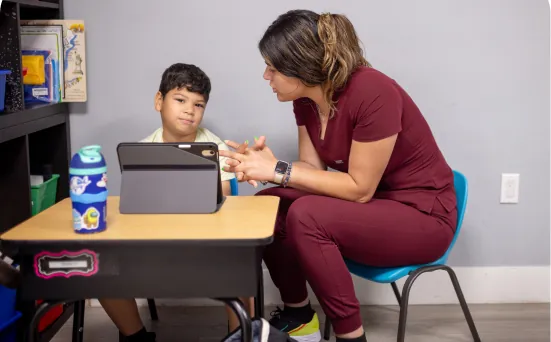
Moreover, being situated in Doral allows Koala ABA & Learning Centers to understand and incorporate the cultural nuances and specific needs of the community. This local knowledge enriches the therapy process, making it more relevant and effective for the children and their families.

Integrated Therapy and Education System

Instead of treating each therapy as a separate step, the KOALAFIED® method brings all interventions together under a system designed to help children learn in a more natural and connected way. This structure focuses on creating continuity—where skills practiced in one session support what happens in the next, and every activity contributes to meaningful, real‑world growth.

How this integrated system works

  • Therapists coordinate goals across all disciplines
  • Activities are designed to target multiple skills at once
  • Plans are adjusted regularly based on progress
  • Learning happens through functional, real‑world experiences
  • Skills are practiced in ways that support independence and confidence

For example, a child working on communication may practice phrases while engaging in a guided social activity using ABA techniques. This dual approach accelerates progress and makes learning more natural.

The Role of Experienced and Compassionate Therapists

The success of the KOALAFIED® method heavily relies on the expertise and compassion of the therapists at Koala ABA & Learning Centers. These professionals bring years of experience and a genuine passion for helping children thrive. Their dedication ensures that each child receives personalized attention and care, fostering a trusting relationship that is crucial for effective therapy.

In addition to their technical skills, the therapists are trained in the latest methodologies and are committed to continual learning. This ensures that they are always equipped with cutting-edge techniques and knowledge to support each child’s journey towards behavior improvement and personal growth.

Focus on Whole-Child Development

Whole-child development is a cornerstone of the KOALAFIED® method, emphasizing the importance of nurturing all aspects of a child’s growth. This approach recognizes that children are more than the sum of their challenges, focusing instead on their potential and unique qualities.

By addressing emotional, social, cognitive, and physical development, the KOALAFIED® method aims to create a balanced and supportive environment for each child. This holistic focus not only aids in behavior improvement but also empowers children to excel in various facets of their lives.

Frequently Asked Questions

What makes the KOALAFIED® method different from other therapies?

The KOALAFIED® method is unique in its integration of multiple therapies into a single, personalized plan. This approach ensures that all aspects of a child’s development are addressed, promoting comprehensive growth.

Is the KOALAFIED® method suitable for my child?

If your child has autism or ADHD and you are looking for a tailored approach that combines therapy with education, the KOALAFIED® method could be an excellent fit. A consultation with the team at Koala ABA & Learning Centers can provide more specific guidance.

How do I get started with Koala ABA & Learning Centers?

Getting started is easy. Simply contact Koala ABA & Learning Centers to schedule an initial consultation. Their team will work with you to assess your child’s needs and develop a personalized plan.

Take the Next Step with Koala ABA & Learning Centers
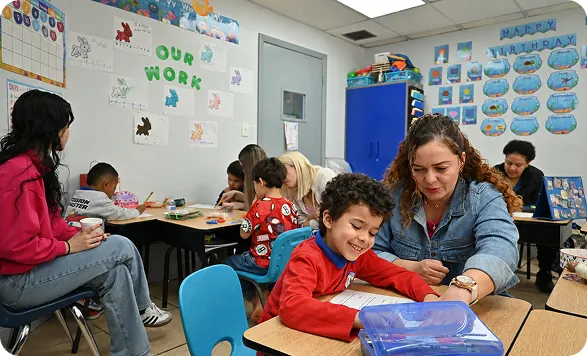
If you’re a parent in Doral or the surrounding areas seeking a supportive and effective approach to autism and ADHD, consider the KOALAFIED® method at Koala ABA & Learning Centers. Reach out today to learn more about how their integrated therapy and education system can benefit your child. Your journey towards comprehensive care and development begins with a simple phone call or visit.


Autism Elopement: A Florida Family Safety Guide (2026)

Autism elopement safety resources by Koala ABA in Florida.

Hearing the word elopement for the first time in a school meeting in Florida can create deep uncertainty for the family of an autistic child.

For many parents, the term immediately brings to mind an intentional escape or an act of defiance, but autism elopement (or wandering in autism) is something completely different:

It is a behavior in which a child leaves a safe place or wanders away from adult supervision without understanding the risks in their environment.

It can manifest as an impulsive response, a search for self-regulation, or a way to avoid stimuli that are difficult to process.

In this guide by Koala ABA & Learning Centers, we will explain exactly what this term means, what its real causes are, how to address it in different settings, and what steps to follow during an emergency.

Read on and learn how to protect your child with clarity and strategy!

What Is Autism Elopement (or Wandering) and How Can You Identify It?

Autism elopement prevention strategies provided by Koala ABA in Florida.

Autism elopement occurs when a child leaves a safe environment or adult supervision without permission and without awareness of danger, whether by running impulsively or slipping away silently.

Unlike typical childhood behavior, elopement is not done to get attention; it responds to sensory, emotional, or communication needs that must be understood to ensure their safety.

To properly identify and prevent it, keep these key points in mind:

  • No Perception of Risk: The child seeks to self-regulate or reach an interest without measuring danger on roads, near water, or in unfamiliar environments.
  • Impulsive Response: It is an involuntary reaction to sensory overload, anxiety, or a lack of functional communication.
  • Limited Response to Being Called: Unlike typical distraction, the child ignores their name due to hyperfocus or the urgency to flee.
  • High Prevalence: It affects nearly 50% of children on the autism spectrum, peaking between 4 and 8 years of age.
  • Common Triggers: It occurs mainly during changes in routine, in crowded places, or during moments of low predictability.

Why Exactly Does Autism Elopement Occur?

From an ABA Therapy perspective, autism elopement almost never happens “for no reason”—every behavior on the spectrum serves a function and communicates an unsaid need.

Furthermore, identifying what drives the child is the first step toward applying effective prevention strategies and addressing the root cause.

The 4 main functions of the behavior are:

  • Escape or Avoidance: Fleeing an overwhelming environment, such as loud noises, sensory overload, crowds, or complex demands.
  • Access to Objects or Places: The direct urge to reach a high-interest target, such as pools, parks, fountains, or vehicles.
  • Sensory Seeking: The need for physical self-regulation, such as an uncontrollable urge to run or release energy.
  • Attention: Seeking immediate interaction from an adult or interpreting the chase reaction as a game.

How to Prevent Your Child from Wandering Based on the Environment.

Koala ABA guide on autism elopement for families in Florida.

Preventing autism elopement is not about imposing restrictive surveillance on your child, but about transforming everyday spaces into safe environments and anticipating risks before a crisis occurs.

In this sense, the key strategies to apply according to the environment are:

  • Home Safety: Install high locks or alarms on doors and windows, place visual cues/pictograms, and keep exits to the outside secured.
  • School Protection: Formalize supervision during transitions, bus safety, and an emergency protocol in writing within their school plan.
  • Community Strategies: Always assign a responsible adult, use identification with your contact information, and prepare for outings using visual supports.
  • Water Safety: Secure the pool with self-closing fences and supervise your child around any body of water.

What Should I Do Immediately If My Autistic Child Gets Lost?

Faced with an unexpected absence or an episode of autism elopement, panic is inevitable; however, acting quickly and in a structured manner is vital to ensuring a safe outcome.

If you are facing an emergency situation, follow this order of action:

  • Inspect Nearby Water Sources: Immediately check pools, ponds, lakes, or nearby canals; this is the number one priority.
  • Alert the Surrounding Area: Notify neighbors, venue staff, or security instantly to block exits and conduct a fan-out search.
  • Call 911 Without Delay: Notify authorities that you are searching for an autistic child, specifying their age, whether they are verbal or non-verbal, and if they tend to hide from siren noises.
  • Hand Over the Emergency Profile: Provide the police with a recent photo and key details to help guide the search toward their areas of interest or hyperfocus.

How Does ABA Therapy Help Reduce Autism Elopement?

Autism elopement support and ABA therapy from Koala ABA in Florida.

ABA Therapy offers the most rigorous clinical approach to treating autism elopement, replacing a risky behavior with real, lasting communication, safety, and self-regulation skills.

Key interventions of this treatment include:

  • Functional Behavior Assessment (FBA): Identifies the exact trigger of the elopement to design a plan tailored to your child.
  • Functional Communication Training (FCT): Teaches them to request breaks or express their needs without resorting to running away.
  • Safety Skills: Reinforces essential commands like “stop,” tolerance to waiting, and walking hand-in-hand.
  • Family Training: Trains parents to apply prevention strategies consistently in everyday life.

Frequently Asked Questions About Autism Elopement.

1. What does autism elopement mean?

Elopement is a behavior in which an autistic child strays from a safe place or adult supervision without necessarily recognizing environmental risks.

It is also known as wandering or fleeing associated with autism.

2. Why might an autistic child present elopement?

It can happen for different reasons, such as escaping an overwhelming situation, seeking an object or place of interest, responding to a sensory need, or communicating a need they cannot yet express.

3. At what age is elopement most frequent in autistic children?

Although it can occur at any age, research has found a higher frequency during early childhood, especially between 4 and 8 years old. Individual risk depends on each child’s unique characteristics and needs.

4. How can I prevent elopement at home?

You can reduce risks by using appropriate locks, securing doors and windows, supervising exit areas, and teaching safety skills adapted to your child’s age and abilities.

5. Can ABA therapy help with elopement?

Yes. ABA therapy can be used to identify the function of the behavior and develop alternative skills, such as functional communication, self-regulation, and safety responses.

The intervention must be adapted to each child’s individual needs.

Koala ABA: Autism Elopement Prevention for Families in Florida.

Koala ABA team addressing autism elopement in Florida.

When a child exhibits autism elopement behaviors, the first step is understanding the root of the behavior to teach them safer responses.

ABA Therapy provides the most effective clinical approach for replacing this risk with long-term communication, self-regulation, and safety skills.

At Koala ABA & Learning Centers, we work alongside families to turn that understanding into practical strategies that can be applied at home, at school, and in the community.

Our approach begins with an individualized evaluation and may include:

  • Functional Behavior Assessment (FBA): We identify the triggers and functions behind the wandering.
  • Individualized ABA Therapy (1:1): We develop functional communication, self-regulation, and essential safety skills.
  • School Collaboration: We integrate prevention and safety strategies into school support plans.
  • Parent and Caregiver Training: We provide practical tools to implement these strategies across different settings.

The goal is not to unnecessarily limit your child’s exploration, but to teach them skills that promote greater safety, communication, and independence.

If elopement is affecting your family’s peace of mind, you don’t have to navigate this situation without guidance.

Contact us today to design an intervention plan tailored to your child and your family!


Speech Therapy for Autism: How It Works and Supports ABA in 2026

Speech therapy for autism and SLP services provided at Koala ABA in Florida.

Noticing that your child seems to struggle with language development can bring about uncertainty and concern.

If your little one is already receiving ABA (Applied Behavior Analysis) therapy in Florida, it is completely natural to wonder if adding more sessions to their weekly routine is truly worth it.

In fact, there is a common myth that speech therapy for autism only serves to correct the pronunciation of certain letters.

However, language development encompasses far more than simple word articulation: it is the fundamental pillar for your child to express their emotions, reduce frustration, and build connections with the world around them.

In this article by Koala ABA & Learning Centers, we explain how speech therapy works, when is the ideal time to start, and how it integrates with ABA Therapy to accelerate your child’s progress.

Read on to find out!

How Does Speech Therapy Help a Child on the Autism Spectrum?

Combining SLP and ABA therapy during speech therapy for autism at Koala ABA in Florida.

When a professional designs an intervention plan, their primary goal is to equip the child with functional tools they can use in their daily life—whether at home, school, or the playground.

In this sense, speech therapy for autism is a specialized intervention aimed at evaluating, diagnosing, and developing functional communication, expressive language, and receptive understanding.

To grasp the true scope of speech therapy for children with autism, it is essential to look at the specific areas addressed in each session:

  • Functional Communication and Requesting: Teaches effective ways to ask for food, help, or toys, reducing frustration and tantrums.
  • Language Comprehension: Helps process instructions, recognize names, and follow daily routines at home or school.
  • Oral and Non-Verbal Expression: Expands vocabulary through words, simple sentences, gestures, or assisted communication.
  • Social Skills: Develops eye contact, turn-taking in play, and the interpretation of body language.
  • Orofacial Motor Skills and Feeding: Strengthens mouth muscles to improve chewing, swallowing, and speech clarity.

Who Provides Speech Therapy and What Is the First Evaluation Like?

Starting speech therapy for autism requires guidance from professionals trained in neurodevelopment and communication within the spectrum.

However, the first evaluation is not a rigid or stressful exam, but a dynamic, comfortable meeting designed to assess your child’s strengths and needs.

The specialist in charge is the Speech-Language Pathologist (SLP). Their work covers the entire communication system, and their initial step unfolds across three key phases:

  • Initial SLP Evaluation: Observes the child during play to analyze their interaction, measures comprehension, checks orofacial mobility, and interviews the family about their daily routines.
  • Goal Setting and Monitoring: Designs a plan with measurable targets (SMART goals), tracks progress in each session, and adjusts strategies based on the child’s development.
  • Selecting the Therapy Format: Defines the ideal setup for treatment, whether one-on-one individual sessions, social skills groups, center-based therapy, or in-home care.

What Language Skills Are Worked On at Each Developmental Stage?

Child communication progress during speech therapy for autism at Koala ABA in Florida.

The journey of speech therapy for autism does not follow a pre-set roadmap. Instead, it adapts to each child’s developmental stage and unique needs to build upon their current strengths.

To ensure steady progress, intervention goals are organized by developmental stage as follows:

  • Preverbal Stage: Builds communication foundations through joint attention, gesture imitation, and basic requesting (pointing or using picture cards).
  • First Words and Combinations: Expands everyday vocabulary (water, more, give me) and encourages two-word combinations (“more milk”).
  • Sentences and Conversation: Structures complex phrases using connectors (“I want to play with the train”) and practices asking questions.
  • Social Language: Teaches the rules of daily interaction, such as starting conversations, staying on topic, and taking turns while speaking.
  • Articulation and Orofacial Motor Skills: Strengthens mouth muscles to correct pronunciation and achieve clearer speech.

ABA Therapy and Speech Therapy: Does My Child Need Both or Just One?

It is very common to wonder whether behavioral therapy and speech therapy for autism are mutually exclusive or integrated.

The reality is that they complement each other strategically: while Applied Behavior Analysis addresses behavior and independence, the speech-language pathologist provides precision regarding language and communication.

Together, both disciplines unite to boost your child’s progress in the following ways:

  • ABA Therapy Focus: Reduces challenging behaviors, teaches daily life independence, and creates learning opportunities in natural environments (NET).
  • Speech Therapy Focus: Develops verbal clarity, implements augmentative and alternative communication systems (AAC/PECS), strengthens orofacial motor skills, and addresses feeding challenges.
  • Common Ground (Functional Communication): Replaces frustration-driven behaviors with effective communication, unifies visual supports, and shares data to adjust the child’s goals in real time.

How Can Parents Support Language Development at Home?

Speech therapy for autism integration with ABA therapy at Koala ABA Florida.

Clinical sessions are the heart of the therapeutic process; however, they are only part of the journey. Home is the natural environment where communication takes on true meaning for your child.

To enhance speech therapy for autism in your day-to-day routine, parents can apply the following strategies:

  • Follow Your Child’s Natural Interest: Talk about the toy or activity capturing their attention in that moment, rather than forcing a shift in focus.
  • Model Language Without Pressure: Instead of demanding “say water so I can give it to you,” naturally model the right phrase: “Water! Here is your water.”
  • Provide Processing Time: Wait 5 to 10 seconds after asking a question to give them space to process information and respond.
  • Narrate Daily Routines: Describe everyday actions using short, simple sentences while bathing, dressing, or making meals for them.
  • Validate Every Communication Attempt: Respond enthusiastically to a glance, gesture, sound, or picture card to reinforce that their message was received.

FAQs About Speech Therapy for Autism in Florida.

1. What does speech therapy do for a child with autism?

Speech therapy helps build communication skills tailored to each child’s specific needs.

It can focus on receptive and expressive language, functional communication, social skills, articulation, and, when necessary, augmentative and alternative communication systems.

2. Can my child receive speech therapy and ABA at the same time?

Yes. Many children benefit from a coordinated approach where communication goals worked on with the SLP are reinforced during the activities and routines covered in ABA. T

he right combination depends on your child’s individual goals and needs.

3. When should my child start speech therapy?

There is no single age that is right for every child.

If there are difficulties communicating, understanding language, expressing needs, or interacting with others, an evaluation by a Speech-Language Pathologist can help determine what type of support is needed.

Coordinated Speech Therapy and ABA at Koala ABA & Learning Centers.

Speech therapy for autism supporting child development at Koala ABA in Florida.

Communication development does not happen solely inside a therapy session.

When the professionals supporting a child share goals and strategies, learned skills can be reinforced more consistently across different real-world situations.

At Koala ABA & Learning Centers, our multidisciplinary approach aims for that exact coordination.

At our Florida locations, speech therapy for autism can be integrated with ABA Therapy to address each child’s communication, learning, behavioral, and independence needs.

Likewise, the Speech-Language Pathologist (SLP) can work on goals related to functional communication, receptive and expressive language, social skills, and articulation.

At the same time, the ABA team can reinforce those skills within daily routines, activities, and natural environments.

This collaboration allows both professionals to work toward compatible objectives.

For instance, a communication skill learned during speech therapy can later be practiced when asking for help, picking an activity, taking part in a game, or expressing a need during a routine task.

That is why the first step is understanding each family’s priorities, current strengths, and communication needs.

If you are considering speech therapy for your child in Florida, the team at Koala ABA & Learning Centers can help you explore what type of support may be appropriate and how it can be coordinated with other services.

Ready to take the next step in your little one’s communication?

Schedule a visit or request information about our speech therapy and ABA options.

Contact us today!


Autism and School Refusal in Florida: Practical Guide for Parents (2026)

Combining SLP and ABA therapy during speech therapy for autism at Koala ABA in Florida.

The first few weeks of the school year in Florida have passed, and for parents of children with autism, the morning routine can feel like an uphill battle.

Perhaps your child starts experiencing stomach aches that only appear Monday through Friday, a refusal to get dressed, inconsolable crying at the front door, or severe meltdowns right when it’s time to enter the school.

The relationship between autism and school refusal is not a problem of bad behavior, poor upbringing, or a lack of boundaries.

It is an intense avoidance response to an environment or demand that is difficult for the child’s nervous system to tolerate.

In this guide from Koala ABA & Learning Centers, we will break down why this avoidance actually occurs, how to differentiate it from a simple rough morning, and what concrete steps you can take to improve the situation.

Keep reading!

School Refusal in Autism: How to Differentiate It from a Rough Morning?

Overview of causes and warning signs of autism and school refusal from Koala ABA in Florida.

When a child refuses to go to school, the initial reaction is often to assume it’s a typical temper tantrum.

However, in autistic children, school refusal is a functional impairment triggered by high levels of emotional distress, accumulated anxiety, or sensory overload.

To address the connection between autism and school refusal, we must understand that behavior always communicates an unmet need.

Below is how you can distinguish this pattern from other morning behaviors:

  • Predominant Emotion: It stems from extreme anxiety or distress; the child does not go because they are suffering, not out of defiance.
  • Consistent Frequency: It repeats continuously several days a week, rather than occurring as an isolated rough morning.
  • Escalating Intensity: Meltdowns and protests intensify as the time to leave the house approaches.
  • Anticipatory Distress: The anxiety begins hours or days in advance, with Sunday night anxiety being very common.

How to Know If an Autistic Child Is Experiencing School Refusal?

When discussing autism and school refusal, the refusal to attend school rarely happens overnight.

Instead, it manifests through a gradual pattern of physical, emotional, and behavioral warning signs that act as an emotional thermometer when the child’s limit of tolerance has been surpassed.

If you are wondering whether your child is going through this, here are the main signs to look for:

  • Recurrent Physical Symptoms: Somatization in the form of headaches, nausea, or stomach aches that appear exclusively Monday through Friday before leaving.
  • Meltdowns or Shutdowns: Severe emotional crises with crying and screaming, or states of disconnection and mutism when attempting to start the routine.
  • Anticipatory Anxiety: Difficulty sleeping, nightmares, irritability, and sudden mood swings starting Sunday afternoon.
  • Physical Resistance and Avoidance: Clinging tightly to furniture or bedsheets, repeatedly taking off the uniform, holding onto the car seatbelt, or attempting to run away.
  • Increase in Stimming or Attachment Behaviors: A significant increase in self-stimulatory behaviors, separation anxiety, or constant clinging to parents.

What Are the Real Causes of School Refusal in Autistic Children?

Step-by-step re-entry plan for autism and school refusal provided by Koala ABA in Florida.

In the context of autism and school refusal, the refusal to attend is almost always oriented toward avoiding or escaping an environment perceived as threatening or aversive.

The reasons behind this avoidance are multifaceted and often combine to create an unsustainable overload for the child.

Therefore, identifying the exact element triggering the crisis is an indispensable step to intervene successfully:

  • Sensory Overload: The continuous impact of fluorescent lights, loud noises from bells or cafeterias, intense odors, and discomfort with uniform textures.
  • Social Challenges and Bullying: Difficulty processing social language, a lack of tools to communicate needs to the teacher, and the risk of bullying or exclusion.
  • Disruption of Routine and Predictability: Sudden schedule changes, substitute teachers, special events, or frequent classroom transitions that break the structure of the day.
  • Separation Anxiety and Invasion of Personal Space: Distress when moving away from the safe home environment and discomfort with crowds or involuntary physical contact.
  • Escape Function (ABA Perspective): The behavior seeks to avoid overload; ABA intervention teaches functional communication skills to express distress without needing to escape.

Gradual Re-entry Plan for School Refusal: Step-by-Step Guide.

Forcing a child to integrate all at once into the school day when their anxiety levels are overflowing often worsens the trauma.

On the contrary, a gradual re-entry plan for school refusal allows the student to be desensitized and progressively regain confidence, coordinating efforts between the family, the school, and therapists.

To address the relationship between autism and school refusal, the following key actions by phase and practices to avoid are detailed below:

  • Step 1 – Desensitize and Connect: Visit the school during quiet hours or send teacher video greetings to reduce fear.
  • Step 2 – Break the Routine into Micro-steps: Move forward with short goals (getting dressed, making the drive) and reward every small achievement.
  • Step 3 – Adapted Partial Attendance: Attend for just 1 or 2 hours for favorite classes, with access to a quiet sensory space.
  • Step 4 – Gradual Return with Supports: Progressively add hours supported by visual schedules and ongoing monitoring.
  • What to Avoid: Eliminate punishments, do not negotiate at the school door, and maintain the process without giving up.

How Does ABA Therapy Help Overcome School Refusal in Florida?

Infographic on ABA therapy strategies for autism and school refusal by Koala ABA in Florida.

ABA therapy offers evidence-based tools to address the relationship between autism and school refusal at its source, ensuring that the child develops lasting adaptation and independence skills.

Through personalized clinical intervention, bridges of joint work are built between the home, the therapy center, and the educational institution in Florida through the following key strategies:

  • Functional Behavior Assessment (FBA): Identifies whether avoidance is a response to sensory overload, academic demands, or social challenges.
  • Functional Communication Training (FCT): Teaches the child to ask for breaks or help before reaching a meltdown or running away.
  • Desensitization and Self-Regulation: Accompanies the gradual re-entry into the classroom and equips the student with stress management tools.
  • School Collaboration (IEP): Advises teachers and implements formal accommodations based on the student’s needs.
  • Parent Training and Follow-up: Guides the family on morning routines and performs in situ observations to adjust the plan in real time.

FAQs About Autism and School Refusal in Florida.

1. What is school refusal in autistic children?

School refusal is a persistent pattern of avoidance or difficulty attending school that can be linked to anxiety, sensory overload, routine changes, or other demands of the school environment.

In autistic children, it is important to understand what factors may be contributing to this response.

2. How can I tell if my child is experiencing school refusal?

Some signs may include frequent resistance to getting ready for school, anxiety before leaving the house, recurrent stomach aches, emotional meltdowns, difficulty sleeping, and an increase in avoidance behaviors.

The presence of these signs alone does not determine the cause and should be evaluated within the child’s individual context.

3. Why do some autistic children refuse to go to school?

The causes can vary.

Contributing factors may include sensory overload, anxiety, communication challenges, social issues, changes in routine, or academic demands that the child finds difficult to manage.

ABA Support for School Refusal: How Koala ABA Can Help in Florida.

Educational resource covering autism and school refusal support from Koala ABA in Florida.

When school refusal and autism begin affecting mornings, family routines, and school attendance, understanding the function of the behavior is an important first step.

Every child may experience the school environment differently, which is why support must adapt to their needs, skills, and triggers.

At Koala ABA & Learning Centers, we work alongside families to identify the skills that can help children navigate school-related situations and transitions with greater confidence.

Our ABA therapy programs are individually tailored and can address areas such as functional communication, adaptive skills, tolerance to change, and independence.

Depending on the child’s needs, the team can focus on aspects such as:

  • Identifying Behavioral Patterns: Analyzing what happens before and after avoidance to understand potential factors contributing to school refusal.
  • Strengthening Functional Communication: Teaching appropriate ways to communicate needs, ask for help, or request a break when a situation becomes difficult.
  • Developing Adaptive Skills: Practicing routines, transitions, and other essential skills needed to cope with changes in the school environment.
  • Working Alongside the Family: Providing strategies that can be incorporated into daily routines to help parents respond consistently during challenging situations.

Is your child struggling to go to school?

At Koala ABA & Learning Centers, we can help you understand what lies behind these difficulties and explore individualized support options.

Contact us today to start building, step by step, a more predictable and functional school routine for your family.


Newsletter September 2026

Do you have concerns about your child’s development and don’t know where to start?

It is completely natural to feel uncertain before starting an autism diagnostic process.

However, getting a timely Comprehensive Diagnostic Evaluation (CDE) is the most powerful tool to clear up doubts and open the door to the right support:

  • Early Identification: Timely detection of developmental milestones that require expert attention.
  • Clear Action Plan: Obtain a formal diagnosis to activate insurance coverage and school accommodations.
  • Personalized Plan: Design a therapeutic roadmap tailored to your child’s real needs.

Turn your questions into a clear action plan starting today. Learn more about autism evaluations here!

A Safe Environment: How Koala ABA Protects Your Child from Bullying

The back-to-school season brings adaptation challenges that go beyond learning. For families with children on the autism spectrum, emotional safety is an absolute priority.

At Koala ABA & Learning Centers, we create a zero-tolerance environment for bullying, designed so your child can learn and socialize in a space where they feel valued, understood, and protected:

  • Active Supervision: Our team detects and intervenes immediately in any negative interaction or behavioral change.
  • Inclusion and Empathy: We promote guided group dynamics that foster respect, self-regulation, and healthy friendships.
  • Open Communication: We maintain a fluid channel with families to safeguard your child’s emotional well-being.

Your peace of mind and your child’s safety are our priority. Read more about our commitment to a safe environment here.

At Koala ABA, we continue walking alongside your family.

At Koala ABA & Learning Centers, we know that every meaningful milestone begins with the right environment and a truly dedicated team.

That is why our comprehensive approach is designed to give your child the tools they need to grow with confidence, security, and independence.

We want you to get a firsthand look at our methodology, our team of specialists, and the space where your child can learn and thrive every day.

Ready to take the next step?

Schedule a visit today and discover the Koala experience!

Find us on Instagram, Facebook, and LinkedIn, or visit us at 2898 NW 79th Ave, Doral, FL 33122. You can also call us at (305) 363-2969 or visit koalaaba.com

Let’s make this school year a journey of growth and major milestones for the whole family!