

Packing bags and planning a family vacation is a moment filled with excitement, expectations, and the desire to connect with your children.
However, if you are a mother or father of a child on the autism spectrum, it is completely normal to feel an extra dose of worry and a silent stress while organizing the itinerary.
You ask yourself over and over again: How will they react to a change in environment? What if the hallway noise keeps them from resting? What are autism-friendly hotel stays actually like?
The good news? Exploring new destinations and enjoying a restful break is entirely possible if you know how to prepare the ground.
To help you, this practical guide will show you exactly how to choose autism-friendly hotel stays that truly offer real solutions instead of empty promises.
Keep reading!
What Makes a Hotel Truly Autism-Friendly?

Now, not all accommodations advertised with labels like “family-friendly,” “kids’ resorts,” or “pet & kid-friendly” are truly prepared to welcome a child with autism.
An environment designed for conventional tourism is often packed with sensory traps: fluorescent lighting, intense cleaning fragrances, or scratchy textures on bedspreads.
For this reason, thoroughly understanding which structural and service elements define high-quality autism-friendly hotel stays will guarantee you a safe vacation free of surprises.
What Should a Sensory-Friendly Hotel Room Look Like?
A sensory-friendly hotel room should act as a space where your child can regulate their nervous system after a day of being exposed to completely new stimuli, sounds, and environments.
Therefore, when evaluating lodging options, make sure to prioritize the following environmental and design features:
- Soundproofing in walls and windows: Rooms with thick walls that effectively muffle outdoor noise and hallway traffic.
- Strategic location: Rooms at the end of the hallway, far from sources of intense noise like elevators, ice machines, or kitchens.
- Adjustable and warm lighting: Spaces featuring indirect lights, bedside lamps with soft tones, and dimmer switches.
What Are the Essential Amenities You Should Ask the Hotel About?

To make this screening task easier during your planning, at Koala ABA & Learning Centers we have compiled the best questions to ask before booking a hotel for an autistic child.
You can copy this checklist word-for-word, adapt it to your family’s specific needs, and send it to your chosen lodging to confirm which services they have available.
Take note of every detail before making your reservation!
- Room location: Do you have availability on higher floors, specifically at the end of the hallway and away from high-traffic common areas at night?
- Light control: Do you feature high-density blackout curtains to completely block out streetlights or the morning sun?
- Space and layout: Is it possible to request adjoining rooms with a connecting door or a secure rollaway bed?
- Sensory kits and amenities: What autism-friendly hotel amenities do you offer upon request (such as dim light projectors, weighted blankets, or menus adapted for selective eaters)?
- Staff training: Is the team familiar with autism support protocols to help streamline wait times?
What Are the Rules and Policies of Autism-Friendly Hotels?
At this point, for an accommodation to be truly inclusive, it must be governed by a set of protocols that protect the child’s well-being and provide peace of mind to their caregivers.
When you stay at one of these places, you will notice that their operating rules are designed with deep empathy, flexibility, and respect for neurodiversity through the following guidelines:
- “Green Light” cancellation protocol: Absolute flexibility and last-minute cancellation or rescheduling policies without penalties, understanding that health crises or de-escalations are part of family reality.
- Dining priority rule: Preferred access to dining areas or high-priority room service without excessive fees, ensuring that a child with food selectivity receives their meals on time.
- Calm spaces and non-discrimination: Protocols that strictly prohibit stigmatization during a meltdown or behavioral crisis. Additionally, specific common areas are designated as “quiet zones” free of loud music or screens.
- Discreet safety identification: Registration options that offer complimentary wristbands, pins, or room card codes so staff can immediately identify and assist the guest in case of elopement or wandering.
- Regulated housekeeping and maintenance: Housekeeping and technical staff are restricted from entering the room or using noisy machinery (like vacuums) while the family is inside.
How to Recreate the Home Environment So Your Child Sleeps Better.

Did you know that up to 80% of children on the autism spectrum experience sleep disorders or difficulties?
Yes, an autistic child’s brain seeks familiar patterns and information to deactivate its alert state and allow for deep relaxation.
With this in mind, applying the following tips during your autism-friendly hotel stays will help you transfer the emotional security of their usual bedroom directly to the hotel bed:
- Familiar bedding: Bring their favorite sheet or blanket to avoid the stiff textures or strong detergent scents of the hotel.
- Comfort objects in sight: Place their lucky stuffed animal, nighttime sensory toys (fidgets), or portable lamp on the hotel nightstand exactly like at home.
- Same bedtime rituals: Maintain the usual story or the same audio track to signal to their body that it is time to rest.
Frequently Asked Questions About Autism-Friendly Hotel Stays.
1. What are autism-friendly hotel stays?
Autism-friendly hotel stays are lodging experiences designed to reduce sensory overload and support the comfort of individuals on the autism spectrum.
These hotels usually offer quieter rooms, adaptable lighting, trained staff, and services that help maintain routines and well-being during travel.
2. What type of room is best for a child with autism?
Generally, rooms located away from elevators, common areas, pools, or entertainment zones are highly recommended.
It is also helpful to request rooms on high floors or at the end of hallways to minimize unexpected noises and promote a more relaxing environment.
3. What items should I bring to help my child sleep better in a hotel?
Specialists usually recommend bringing familiar items that are part of the child’s nightly routine.
These can be their favorite blanket, pillow, stuffed animal, sensory toys, storybooks, or sound devices they routinely use to wind down before bed.
4. How can ABA therapy help children during travel?
ABA therapy can teach practical skills to cope with routine changes, tolerate new environments, improve communication of needs, and develop emotional regulation strategies.
These tools can make family trips much more comfortable and predictable for everyone.
Koala ABA: How Do We Prepare Your Child to Adapt Better During Travel?
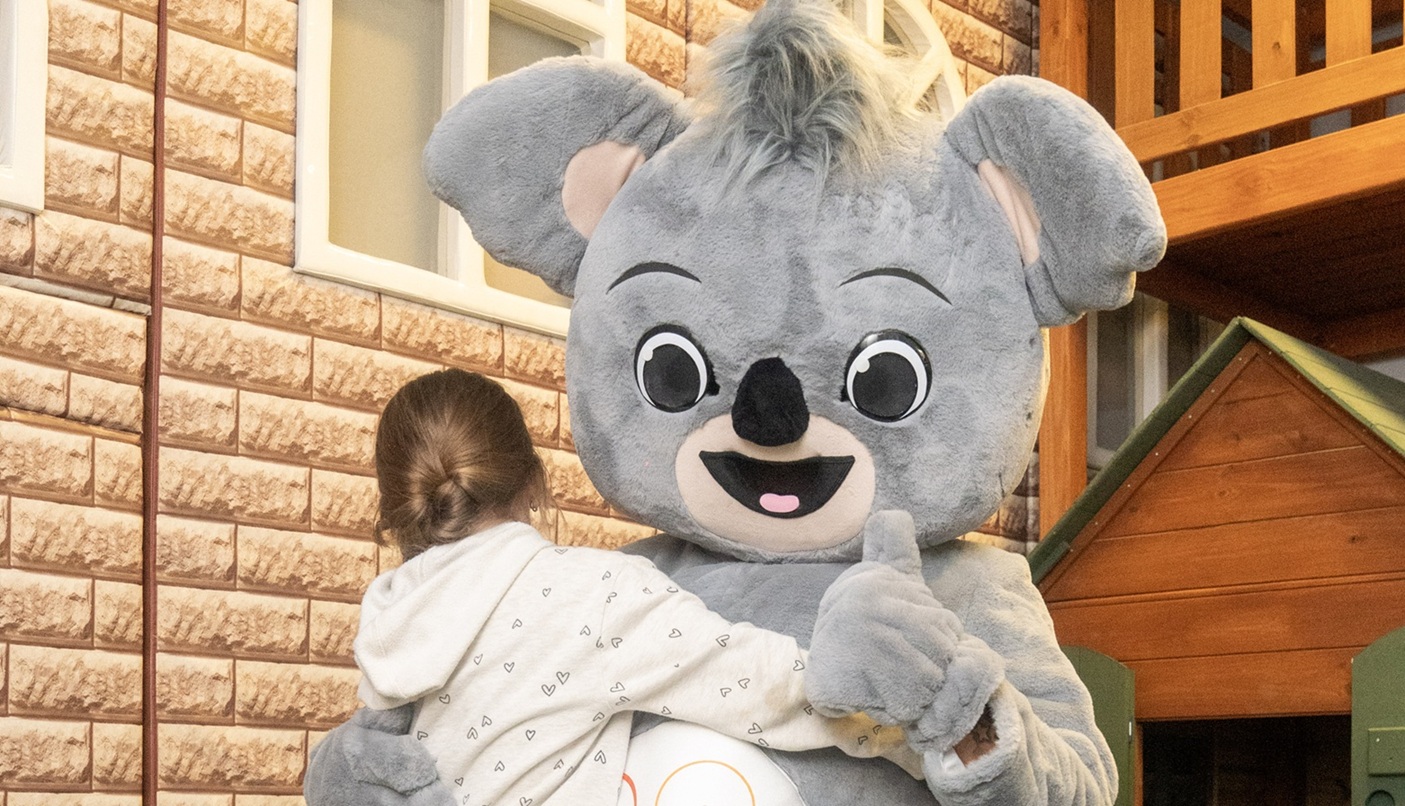
Without a doubt, vacations should be an opportunity to create unforgettable family memories, not a constant source of worry.
However, for many parents of children with autism, sleeping away from home, facing new environments, and breaking everyday routines can become a real challenge.
At Koala ABA & Learning Centers, we work alongside families to develop skills that help children face these experiences with greater confidence, flexibility, and well-being.
Likewise, through our personalized ABA therapy programs, we help children prepare for everyday situations related to travel.
Among the tools we use to facilitate autism-friendly hotel stays are:
- Personalized social stories: Ideal for anticipating each stage of the trip in a fully visual and understandable way.
- Gradual adaptation strategies: Designed to help tolerate changes in routine and unfamiliar environments calmly.
- Emotional and sensory regulation techniques: Practical ways to handle new stimuli that arise during vacations.
- Parent training: Actionable resources that can be applied before, during, and after the trip so you know exactly how to guide them.
- Communication skills development: Tools that allow the child to express their needs, preferences, or discomfort in different contexts.
Remember: our goal is for families to enjoy new experiences with greater confidence, helping every family trip become a true opportunity for connection and growth.
Ready to make your next family adventure a calmer and more memorable experience?
Schedule a tour today and let us help you design the perfect travel plan!


