Education and development in early childhood are crucial determinants in the lives of children with autism, as this stage significantly influences the progress of their cognitive, social, emotional, and communicative skills. Autism in early childhood development also requires timely attention based on individualized strategies and supported by an inclusive environment.
This not only strengthens the competencies of autistic children but also fosters their integration into society. Today, thanks to advancements in early intervention, the detection rate is increasingly higher. This has led to a growing involvement of educators in meeting the needs of students through special education.
The prevalence of autism in children under four years old in the United States is over 20 per 1,000 children. Therefore, in this article, we will explore the foundations and best practices to support the early development of these children, highlighting the importance of inclusive, effective, and quality education.
What impact does education have on children with ASD?: Autism in early childhood development.

Early childhood education has a profound impact on children with autism in early childhood development, as it is a crucial stage where the brain is highly receptive to stimuli. Furthermore, during these early years, solid foundations can be established for social, cognitive, and emotional skills, facilitating their integration into various environments.
It is important for young children to promote play and learning, accompanied by rewards. On the other hand, during primary education, interventions will focus on greater integration into the environment, the classroom group, better adherence to social norms, and improvement in learning or communication disabilities that may be present.
The importance of early development in autistic children can be summarized as follows:
- Critical stage of brain development: This stage allows for faster and more effective learning with appropriate interventions for autism in early childhood development.
- Establishment of social skills: These help children with autism develop social skills, which are fundamental for their future integration.
- Promotion of communication: Whether verbal or non-verbal, it has a significant impact on their ability to express themselves and understand others.
- Emotional and behavioral support: These early strategies help manage challenging behaviors and develop emotional regulation.
- Preparation for formal education: It facilitates the transition to more structured school and educational environments.
- Reduction of future challenges: It decreases developmental delays and other issues related to autism in child development.
- Impact on quality of life: It increases opportunities for children to develop a more autonomous and fulfilling life.
How can timely detection make a difference?
Early intervention for children with autism is a fundamental pillar in their development. Detecting and acting promptly on autism in early childhood development not only optimizes their potential but also minimizes challenges that may arise in the future. This approach allows for addressing each child’s specific needs at a critical moment in their neurological development.
Thus, the emphasis on the need for early detection and intervention in autism is centered around neuroplasticity: how relational experiences designed to enhance social attention, communication, and emotional engagement can subsequently modify brain development and functioning.
Next, we will break down for you the key components of the importance of early detection and intervention:
- Early detection: Through medical and behavioral evaluations, it allows for timely and effective support to be initiated.
- Personalized assessment: Establishes a solid foundation for an effective intervention plan for autism in early childhood development.
- Behavioral interventions: ABA-based therapies help improve social, communication, and academic skills.
- Occupational and speech therapies: Provide support in specific areas such as fine motor skills and communication.
- Parental involvement: Reinforces strategies learned in therapy at home and engages them in the educational process.
- Flexibility in approach: Continuously adjusting interventions according to the progress and changing needs of the child with autism in early childhood development.
- Long-term positive impact: The skills acquired at this stage favor better adaptation to the school, social, and family environment.
7 Educational Strategies Adapted to the Individual Needs of Children with Autism.

Personalized educational strategies are fundamental to supporting children with autism in early childhood development. Of course, each child is unique, so adapting teaching methods to their individual needs not only enhances their learning experience but also boosts their skills and strengths.
Moreover, combined intervention programs in the classroom focused on improving joint participation between teachers and children are well-founded. At this point, it seems clear that a combination of behavioral components with play environments that promote learning and children’s initiative is particularly recommended.
Therefore, the most effective techniques to ensure an inclusive and personalized education that promotes their well-being are:
- Detailed initial assessment: Analyze each child’s abilities, interests, and specific areas for improvement to design a tailored teaching plan.
- Use of visual materials: Incorporate charts, images, and diagrams that facilitate understanding and learning of concepts.
- Structuring routines: Establish clear schedules and predictable activities that provide security and help manage the anxiety of children with autism in early childhood development.
- Multisensory activities: Implement methods that stimulate different senses, such as tactile games, to capture their attention and enhance understanding.
- Positive reinforcement: Recognize and reward achievements, even small ones, to motivate and strengthen the confidence of the child with autism in early childhood development.
- Focus on specific interests: Use topics or activities that interest the child as a basis for fostering the learning of new skills.
- Adaptation of the physical environment: Create a safe, organized learning space designed to reduce distractions and maximize concentration.
What is the importance of active family participation?

Active participation of parents and caregivers is essential for autism in early childhood development, especially during early childhood. By becoming key allies in the educational and therapeutic process, parents not only strengthen their children’s skills but also create a safe and positive environment for their growth.
Therefore, it is crucial that both families and the educational team have quality information about autism in early childhood development to highlight indicators and warning signs that may allow for referral to other professionals who can diagnose secondary issues as soon as possible if necessary.
It is clear then that the importance of the role of parents and caregivers is determined by strategies such as:
- Collaboration with professionals: Working together with therapists, educators, and specialists to implement consistent strategies at home and beyond.
- Emotional support: Providing an affectionate environment that fosters the child’s confidence and security to face the challenges of autism in early childhood development.
- Active participation in therapies: Attending and participating in therapy sessions to learn techniques that can be applied in daily life.
- Reinforcement of learning at home: Practicing skills worked on in therapy, such as communication or emotional regulation, within the family environment.
- Continuous education: Staying informed about autism in early childhood development and best practices to support the child’s development.
- Promotion of autonomy: Encouraging independence in daily activities, adapting them to the child’s pace.
- Self-care: Recognizing the importance of the emotional and physical well-being of caregivers to provide the best support for the child.
What does teacher training guarantee in the education of autistic children?
Teacher and professional training is a fundamental piece to ensure appropriate education for children with autism. Logically, by preparing educators and specialists with the necessary tools, knowledge, and skills related to autism in early childhood development, an inclusive learning environment is created that supports the holistic development of children.
Furthermore, to properly address autism in the classroom and achieve good inclusion of students with ASD in class dynamics, it is essential for teachers to respect, value, and understand the needs of these students. It is also desirable for them to engage in the work of the expert team and show flexibility in their pedagogical efforts.
Thus, the importance of professional training offers recommendations to enhance its impact:
- Specialized training: Provide specific training programs on autism in early childhood development, including effective educational strategies.
- Continuous updating: Ensure that educators and professionals have access to courses and seminars on research and best practices.
- Focus on inclusion: Train teachers to foster an inclusive environment that values diversity in autism in early childhood development.
- Behavior management techniques: Teach effective strategies to address challenging behaviors and facilitate a positive learning environment.
- Use of educational technology: Train professionals in the use of technological tools that support learning.
- Interdisciplinary collaboration: Promote joint work among educators, therapists, and families regarding autism in early childhood development.
- Awareness and empathy: Foster understanding and empathy towards children with autism in early childhood development, helping to create a safe and motivating educational space.
The Early Childhood Development Program at Koala ABA Learning Centers.
At Koala ABA & Learning Centers, we understand the critical importance of the early years in a child’s learning and autism in child development. Therefore, our mission is to accelerate their progress through innovative programs that promote school readiness.
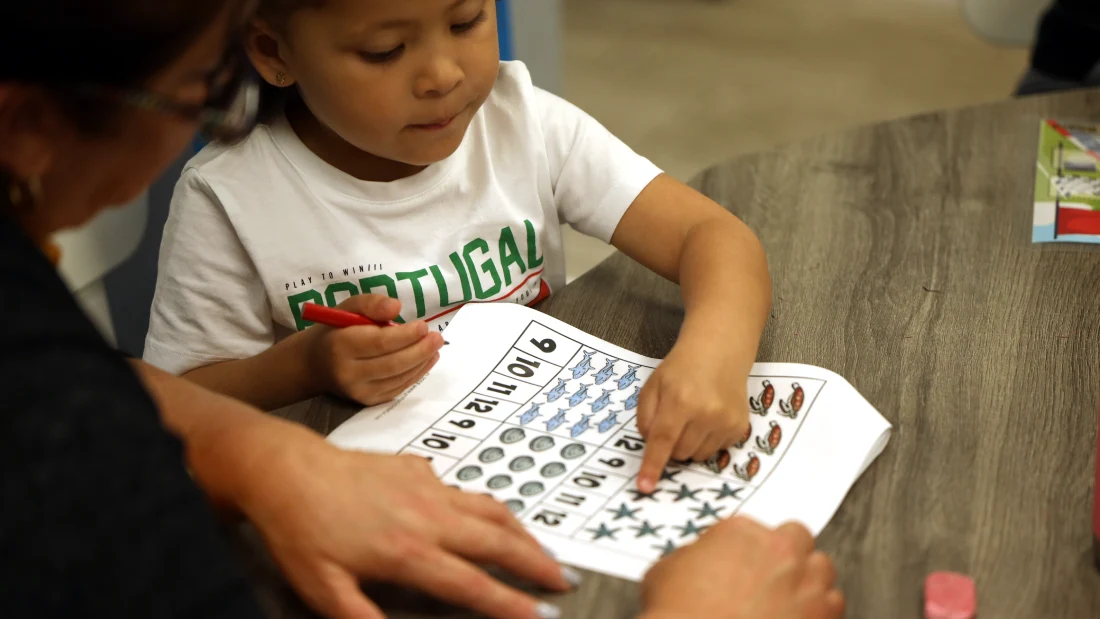
Through our Early Childhood Development and Learning Program, we are dedicated to establishing solid preschool systems to optimize early education. By implementing appropriate curricula in Early Childhood Education, along with practical learning activities, we foster cognitive, linguistic, motor, and socio-emotional skills. Additionally, certified teachers deliver engaging classes that align with state standards.
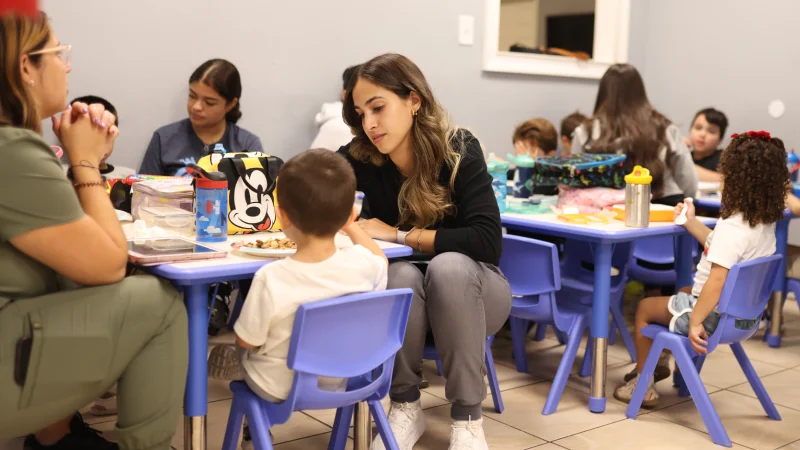
On the other hand, in inclusive Preschool Education classrooms, children play, explore, and exercise creative expression to acquire fundamental knowledge.
Some of the Plans and Programs we offer are:
- Early Learning Programs: Tailored educational plans help all students, including those who need additional support.
- Early Intervention Learning: For children with diagnosed special needs, we offer integrated therapies and specially adapted classes.
- Early Childhood Learning Activities: Our programs incorporate engaging childhood learning activities designed to foster cognitive, social, and emotional growth.
In this way, at Koala ABA & Learning Centers, we believe in the power of early intervention in learning. Contact us today!, and discover how our team of experts uses effective strategies to support children who may need that extra help to reach their full potential.