Can in-home ABA therapy truly match the benefits of center-based therapy, or does one approach inherently provide better outcomes?
For parents of children with autism, choosing between in-home ABA therapy and center-based therapy can feel like an overwhelming decision. Both approaches are rooted in Applied Behavior Analysis (ABA), an evidence-based treatment designed to help children build communication, social, and behavioral skills. But how do you determine which setting is more effective for your child?
Understanding ABA Therapy
ABA therapy uses behavioral principles to teach meaningful skills and reduce challenging behaviors. Whether your child is learning to communicate their needs, navigate social situations, or develop independence, ABA therapy aims to foster long-term success in real-world settings. However, the effectiveness of this therapy often depends on the environment in which it takes place: at home or in a structured center.
The Benefits of In-Home ABA Therapy for Autism
Home-based ABA therapy happens within the familiar surroundings of your home. This personalized approach integrates therapy into your child’s daily routine, creating a natural learning environment. But does this method offer the same results as a center-based program? Absolutely! Here’s why in-home ABA therapy can be just as effective:
1. Comfort in Familiar Surroundings
Therapy conducted at home allows your child to feel safe and secure. Familiarity reduces anxiety, which can lead to better engagement and faster learning. When children feel comfortable, they are more open to trying new skills and behaviors.
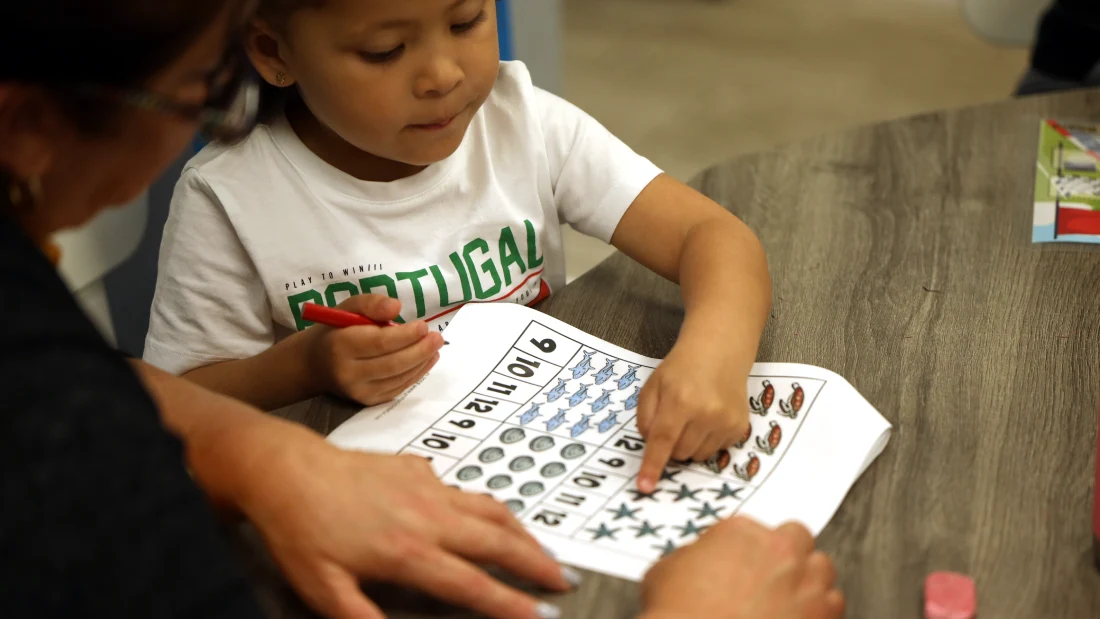
2. Tailored, One-on-One Attention
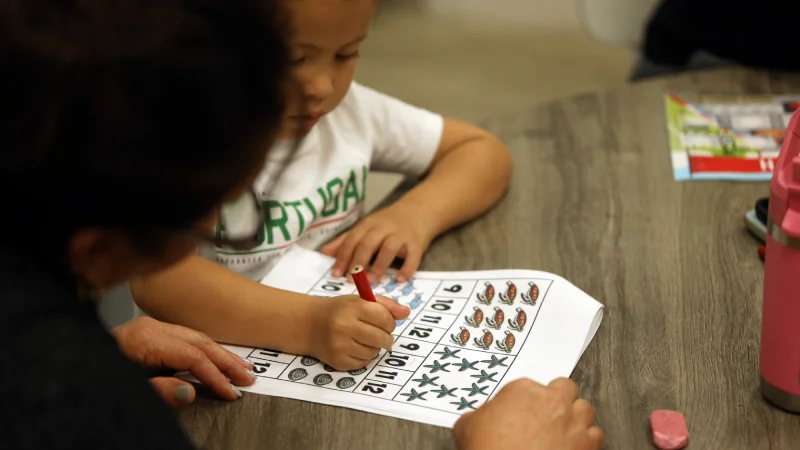
In-home sessions focus exclusively on your child’s unique needs. This personalized attention helps therapists address specific goals, whether it’s improving communication, social skills, or daily living tasks like brushing teeth or organizing school bags.
3. Family Involvement
In-home therapy naturally includes parents and siblings in the process. Therapists can coach family members on how to reinforce positive behaviors and skills during everyday activities. This collaborative approach ensures that progress continues even after the session ends.
4. Real-Life Scenarios for Skill Building
By integrating therapy into daily routines, in-home ABA therapy creates countless opportunities to practice skills in real-life situations. For example:
- Mealtime: Practicing using utensils or staying seated at the table.
- Morning Routines: Developing independence in getting dressed or brushing teeth.
- Community Outings: Reinforcing skills like waiting patiently or identifying items at the grocery store.
5. Flexible Scheduling
Busy families appreciate the convenience of scheduling therapy sessions around their daily commitments. This flexibility ensures that therapy fits seamlessly into your lifestyle.
Techniques and Activities Used in a Home-based ABA Therapy
Contrary to common concerns, in-home ABA therapy is not limited in its techniques or activities. It employs a variety of evidence-based methods, such as:
- Positive Reinforcement: Celebrating successes with praise or small rewards.
- Shaping: Breaking complex tasks into smaller, manageable steps.
- Prompting: Using verbal, visual, or physical cues to guide learning.
- Natural Environment Teaching (NET): Leveraging daily routines to teach skills.
- Discrete Trial Training (DTT): Focusing on specific skills through structured teaching moments.
Dynamic Activities Tailored to Your Home
- Communication Skills: Introduce communication boards or apps to help your child express their needs during daily activities.
- Social Skills: Practice sharing and turn-taking through board games or collaborative play with siblings.
- Daily Living Skills: Turn tasks like getting dressed into engaging activities, such as a timed “dressing race.”
- Behavior Management: Develop strategies for handling challenging behaviors during everyday moments, like tantrums or transitions.
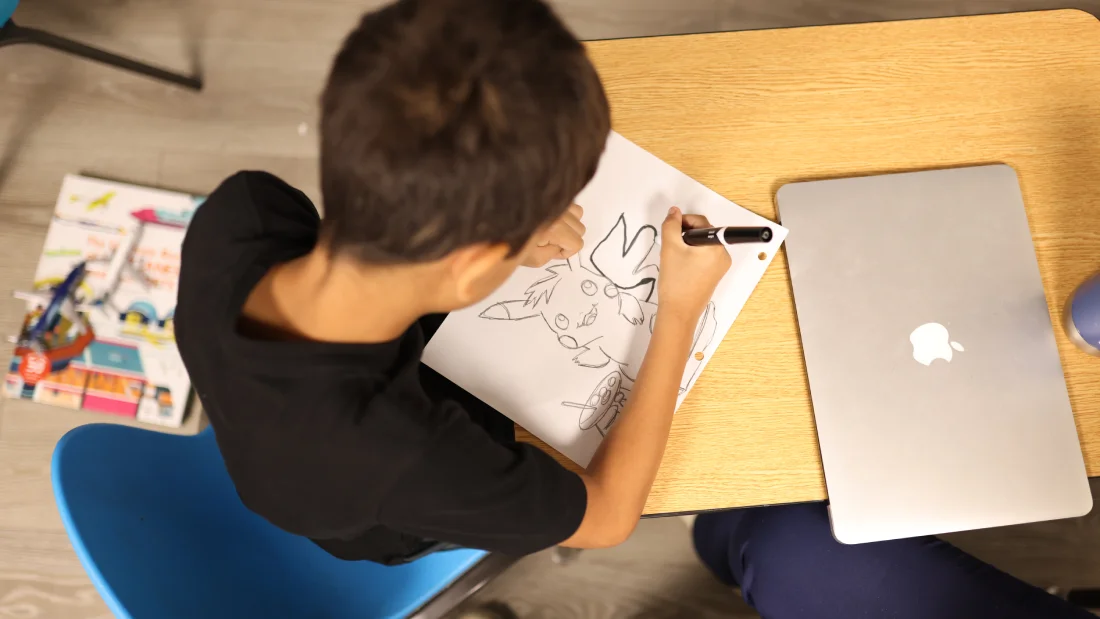
- Structured Play: Engage in puzzle-solving, building blocks, or art projects to enhance problem-solving and creativity.
- DTT (Discrete Trial Training): Use structured teaching moments to focus on specific skills, like identifying colors or following instructions.
The Benefits of Center-Based ABA Therapy for Autism
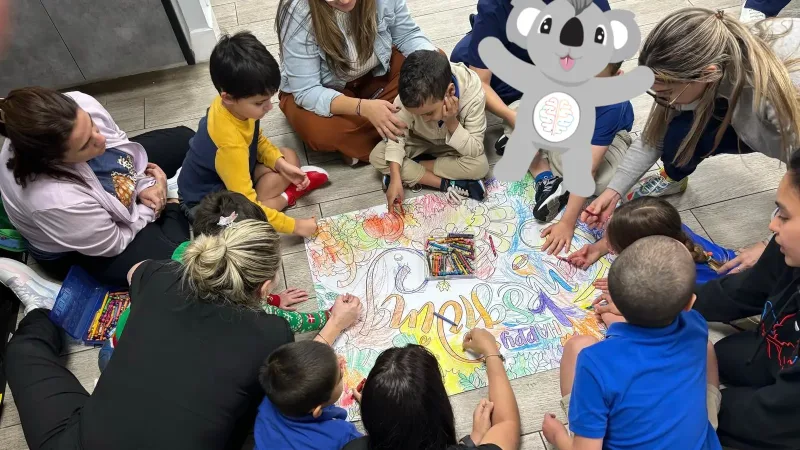
Center-based therapy takes place in a dedicated facility equipped with tools and resources designed to enhance learning. This structured environment offers unique benefits that complement in-home therapy:
1. Purpose-Built Spaces
Centers are designed specifically for therapy, offering specialized equipment and resources that may not be available at home. These tools provide additional opportunities for skill-building and reinforcement.
2. Social Interaction Opportunities
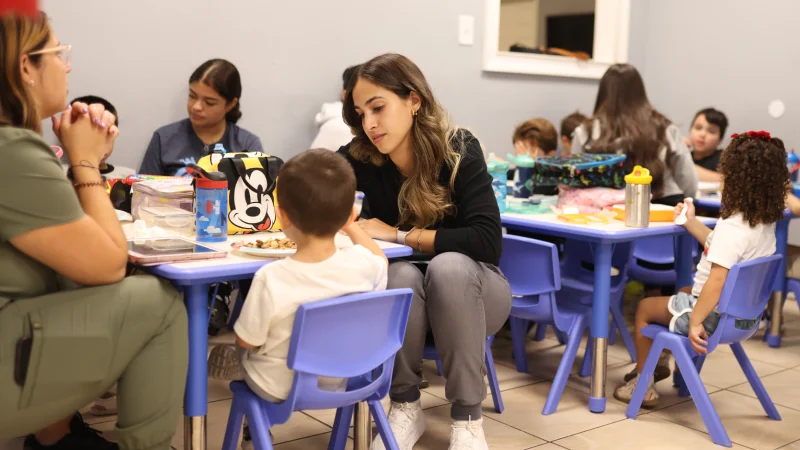
Children can interact with peers in a supervised environment in a center-based setting. This exposure helps develop critical social skills, such as turn-taking, sharing, and teamwork, which are essential for navigating school and community settings.
3. Structured Routine
Centers follow a consistent schedule, which can help children adapt to routines and improve transitions. This structure is especially beneficial for children preparing for school or other group settings.
4. Professional Oversight
Center-based therapy often involves a team of professionals collaborating on your child’s progress. This dynamic approach ensures that all aspects of your child’s development are addressed.
Parental Involvement: A Key to Success

Your involvement as a parent plays a crucial role in your child’s progress, regardless of the therapy setting. While the nature of parental participation differs between in-home and center-based approaches, both methods prioritize family engagement:
- In-Home Therapy: Parents can observe sessions and learn strategies to implement during daily routines, such as managing mealtime or building communication skills during playtime.
- Center-Based Therapy: Many centers offer parent training sessions and regular updates, equipping families with tools to support their child’s development at home and in public settings.
Can You Combine Both Approaches?
Absolutely! Many families find that blending in-home and center-based therapy provides the best of both worlds. Each setting offers unique advantages that complement the other:
- In-Home ABA Therapy: Focuses on real-life scenarios and family dynamics, improving daily living tasks and reinforcing skills in natural environments.
- Center-Based Therapy: Prepares children for structured environments like classrooms and community activities, emphasizing routine and peer interaction.
Where can you find in-home ABA Therapy in Florida?
In-home ABA therapy in Florida is typically offered by specialized autism therapy centers, like Koala ABA Learning Center, that prioritizes personalized, family-focused care. These centers provide licensed and experienced therapists who work directly with children in the comfort of their own homes, tailoring treatment plans to address unique needs while fostering essential skills in familiar environments.
Koala ABA and Learning Center: Comprehensive Care for Your Family
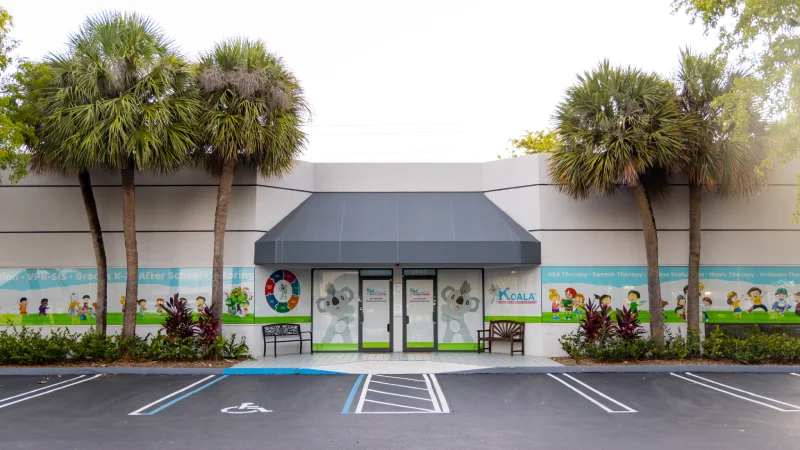
At Koala ABA Learning Center, we understand that no two children or families are alike. That’s why we offer both in-home and center-based ABA therapy, allowing you to choose (or combine) the approach that best fits your child’s needs.
What Sets Koala ABA Apart?
- Individualized Care Plans: Each child receives a customized treatment plan tailored to their strengths and challenges.
- Experienced Therapists: Our compassionate team is dedicated to helping your child reach their full potential.
- Flexible Scheduling: We work with your family’s busy lifestyle to ensure therapy fits seamlessly.
- Holistic Approach: By integrating in-home and center-based therapies, we provide comprehensive care that addresses all aspects of your child’s development.
Take the Next Step with Koala ABA
Choosing the right therapy setting for your child doesn’t have to be daunting. With Koala ABA’s flexible, family-focused services, you can feel confident that your child is receiving the highest quality care, tailored to their unique needs.
Contact us today to schedule a consultation and discover how our in-home and center-based ABA therapy programs can help unlock your child’s potential. Together, we can create a brighter future for your family.