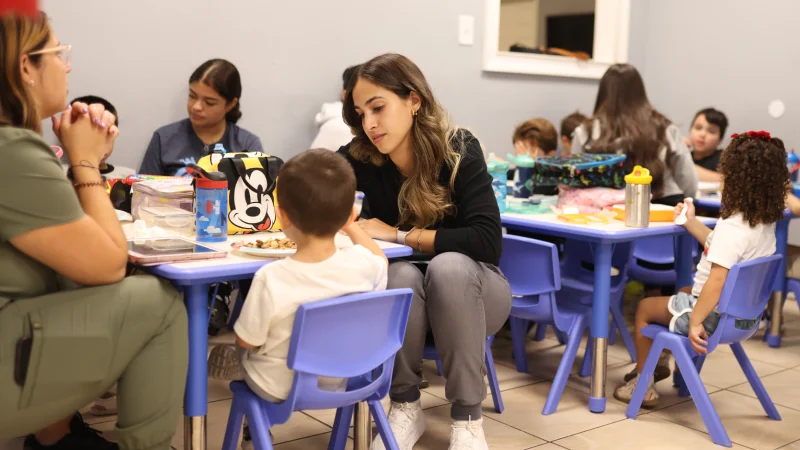
Music has extraordinary power: it can evoke emotions, awaken memories, and foster communication where words fail. For children with Autism Spectrum Disorder (ASD), whose interaction with the world is different, music therapy for autism has become an invaluable tool for improving social connection and cognitive development.
Through rhythm and melody, music therapy provides a space where children can explore new forms of communication without the pressure of verbal language. Additionally, sound can stimulate areas of the brain related to social interaction and emotional regulation, helping them feel more connected to those around them.
Therefore, in this article, we will explore what music therapy is, its main benefits, and the most commonly used techniques today. So, if you’ve ever wondered if music has power, you will find the answer here.
What is Music Therapy and How Does It Work?
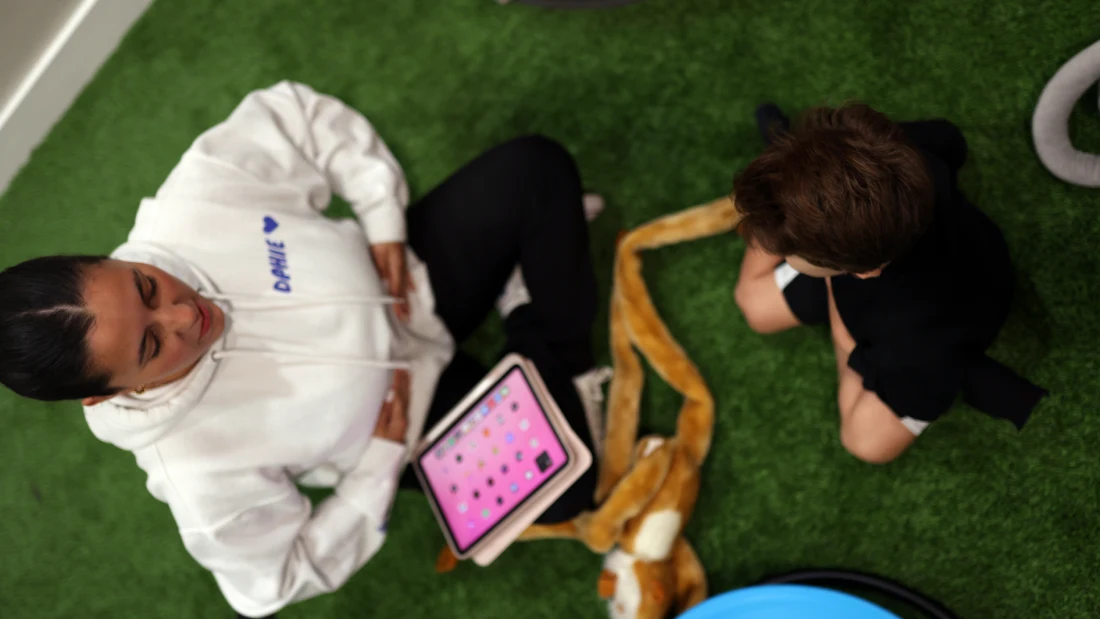
Yes: music can connect and transform lives. In the case of children with autism, music therapy helps improve communication and the development of social skills. Thus, through sounds, music therapy for autism facilitates their ability to interact in different ways without relying solely on verbal language.
Scientifically, this therapy is based on stimulating areas of the brain related to perception and emotions, helping children with autism develop their communicative skills. Furthermore, music therapy is tailored to their individual needs, employing musical strategies that facilitate communication and learning.
In this regard, some of the main principles of music therapy are:
- Brain Stimulation: Music activates multiple areas of the brain, promoting cognitive development.
- Emotional Expression Without Barriers: Music provides an alternative channel for expressing feelings and emotional states.
- Improved Communication and Social Interaction: Children learn to respond to auditory stimuli and interact with their peers.
- Personalized Techniques: It employs methods adapted to their needs to generate emotional and cognitive responses.
- Promotes Emotional Regulation and Behavior: Music can reduce anxiety and episodes of repetitive behavior.
Key Benefits of Music Therapy for Children with Autism.

Evidently, by integrating sounds and rhythms within a therapeutic environment, children can unlock new ways to relate to their surroundings. In this way, therapists use music as a complementary therapy in early intervention for autistic children, seeking positive responses through recreational treatment.
Of course, music therapy for autism aims to improve challenging behaviors and relax the child in various settings. To give you a better perspective, we will explore the most important benefits of music therapy sessions and how they can positively impact the lives of our little ones:
- Improves Communication and Language: Many autistic children respond better to music than to spoken language.
- Strengthens Social Skills: Participating in group musical activities teaches them to share and cooperate with others.
- Reduces Anxiety and Stress: Musical experiences can be an excellent tool for managing crisis episodes.
- Stimulates Cognitive Development and Concentration: The rhythmic structure of music reinforces memory and attention.
- Promotes motor skills and coordination: Activities like dancing or following rhythmic patterns help improve body control.
- Increases self-esteem and confidence: It allows children to experience personal achievements, such as learning a new song.
6 common techniques used in music therapy for autism.

You should know that musical sensitivity in children with autism is particularly developed. For this reason, through various musical techniques adapted to their individual needs, the therapist seeks to captivate the child with musical elements, which can even be a creative game related to musical perception.
Additionally, these techniques allow children with autism to develop essential motor and social skills in their development, promoting their inclusion and overall well-being. Therefore, below we present some of the most commonly used techniques in music therapy and how they can positively impact the lives of children with autism:
- Nordoff-Robbins Method: This therapy allows children to participate in creating sounds without the need for verbal language.
- Singing and vocalization: The use of singing helps improve articulation, language comprehension, and verbal communication.
- Rhythmic games and musical instruments: Playing instruments like drums enables children to develop motor coordination.
- Active listening and appropriate music selection: Choosing relaxing music can influence their emotional state and help regulate anxiety.
- Guided improvisation: Therapists use musical improvisation to help children develop their creativity.
- Movement and body expression: The connection between music and the body can strengthen spatial awareness and social interaction.
So, does music therapy really work for autism?
Indeed: numerous studies have analyzed its effectiveness, and although results may vary for each child, evidence suggests that music therapy is a powerful tool for improving the quality of life for those with autism spectrum disorders.
Next, we will analyze solid arguments that support the effectiveness of music-based therapy:
- Scientific backing and clinical studies: Music stimulates areas of the brain related to communication.
- Facilitates non-verbal communication: Music provides an alternative form of communication and bodily expression.
- Reduces anxiety and improves emotional regulation: The calming effect of music helps reduce sensory overloads.
- Reinforces social skills and interaction: Music therapy allows children to participate in collaborative activities.
- Encourages creativity and confidence: Musical improvisation offers children the opportunity to express themselves freely.
How to find a certified music therapist for autism?
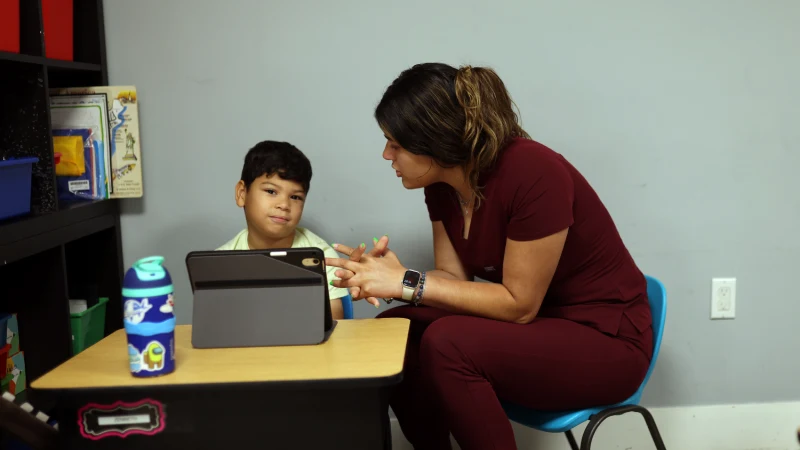
We already know that music is an alternative form of expression that can manifest through songs, melodies, or playing an instrument. However, for the impact of music therapy to be truly positive, it is essential to have a certified therapist with experience in treating individuals with autism.
On the other hand, finding the right professional requires evaluating their training, certifications, and methodology, as well as ensuring that their approach aligns with the specific needs of the child. Now, to help you in your search, here are fundamental aspects to consider when choosing the ideal music therapist for you:
- Verify their certifications and training: Make sure that the therapist has official certifications in music therapy.
- Look for specific experience in autism: Not all music therapists specialize in treating children with autism.
- Check recommendations and reviews: Reviewing opinions from other parents and professionals can help you determine the quality of the therapist.
- Evaluate their methodology: It is important that their approach adapts to your child’s needs.
- Ensure they provide a safe and stimulating environment: The therapy space should be free from distractions and have a relaxing atmosphere.
- Consult options at specialized centers and associations: Organizations dedicated to autism often have lists of certified therapists and specialized centers.
Koala ABA & Learning Centers: Helping to Grow With Music.
At Koala ABA & Learning Centers, our early intervention behavioral therapy program focuses on improving communication and enhancing the social skills of young children. Our ABA intervention is carried out through play-based learning, music, and other functional activities.
In this way, young children progress with individualized goals, such as following instructions, responding to their name, and interacting with peers, through specialized services designed specifically for them, including:
- Applied Behavior Analysis (ABA) therapy.
- Speech therapy for young children.
- Occupational therapy for children.
- Physical therapy for children.
- Spoken and auditory language instruction (LP).
Additionally, an appropriate sensory diet helps children achieve optimal states of arousal. Through play and music, we also address hypersensitivity to sounds, touch, and smells. Thus, music therapy offers a unique, engaging, and scientifically supported pathway for the growth of children with autism.
Whether learning to communicate through rhythm or expressing joy through melody, music helps unlock their full potential. Explore our therapy services today to see how your child could benefit from a personalized approach based on ABA and music!