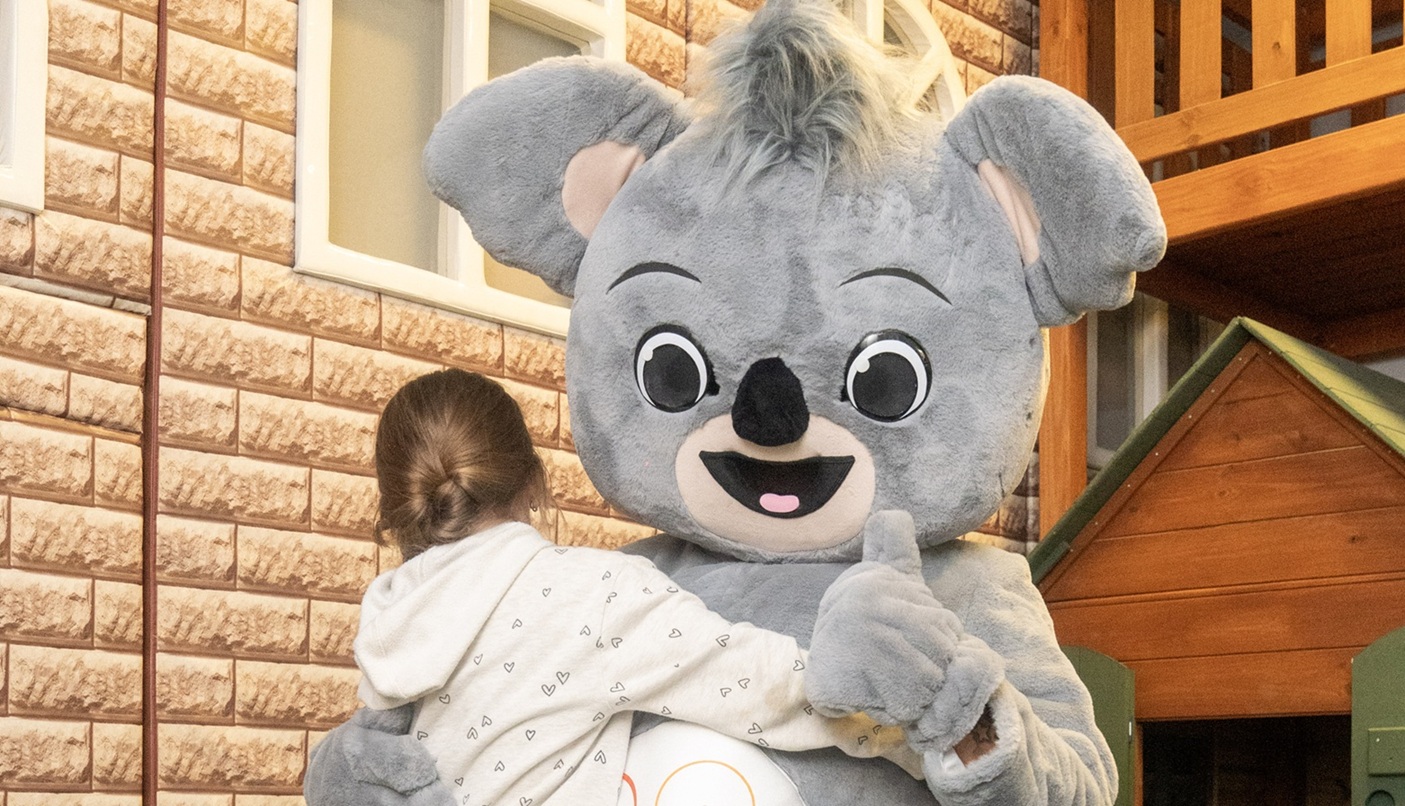
What is Blue Ribbon for Autism Awareness? 5 Ways to Help Kids Today

Autism and Fireworks: Guide to a Family-Friendly 4th of July (2026).

Have you noticed that small blue ribbon for autism awareness throughout Florida every April?

Beyond being a simple accessory, this symbol carries a profound message of hope and transformation for thousands of families.

If you are the parent of a child with autism, you know that the therapeutic journey is filled with immense challenges, but also with discoveries that defy any conventional diagnosis.

However, at Koala ABA & Learning Centers, we understand that visibility is just the starting point.

Our goal? To transform the blue ribbon into concrete actions that promote real inclusion and the development of critical skills.

In the following lines, we will explore how this ribbon unites us and what practical steps you can take today so your child can reach their full potential.

Keep reading!

What does the blue ribbon for autism awareness represent?

Meaning of the blue ribbon for autism awareness and resources for parents in Florida at Koala ABA.

The blue ribbon for autism awareness is the visual representation of a collective commitment that transcends borders.

While the puzzle design has been historically recognized, the color blue stands as a symbol of calm and perseverance in child development.

Thus, this shade represents the depth of a sea that, although it may seem turbulent at times, holds unique treasures of intelligence and sensitivity.

For this reason, wearing this autism awareness ribbon symbolizes the following core values:

  • Global Visibility: Making thousands of children with autism visible, normalizing neurodiversity as an essential part of the human experience.
  • Empathy and Respect: Understanding that sensory challenges are not “bad behavior,” but rather a different way of processing the world.
  • Promoting Education: Driving autism education in schools and workplaces to create spaces where everyone can participate.
  • Family Solidarity: Sending a message of support to parents, reminding them that they have a community walking by their side.

Why is Autism Acceptance Month important in Florida?

In a state as diverse as ours, Autism Awareness Month is a catalyst for resources and family unity.

For those of us living in Florida, April is the time when foundations and therapy centers align their efforts to give a voice to those who need it most.

Of course, beyond wearing the blue ribbon for autism awareness, April invites us to evaluate how much progress we have made in creating a society that celebrates differences.

Actively celebrating this month is vital for the following reasons:

  • Breaking Down Social Barriers: By talking about autism, we normalize differences and reduce social judgment in public spaces.
  • Connection to Local Services: A higher flow of information regarding ASD support and early intervention scholarships.
  • Parental Empowerment: Providing families with the tools to advocate for their children’s educational and health rights.
  • Promoting Acceptance: We are evolving from “knowing” about autism to autism acceptance, seeking full integration into the community.

How can parents support their children with autism from home?

Koala ABA staff in Florida highlighting 5 ways to support children through the blue ribbon for autism awareness.

Even if we don’t always wear the blue ribbon for autism awareness at home, the most transformative and lasting support happens there.

Help for parents with children with autism begins with creating a safe environment where the child feels understood rather than pressured.

At this stage, the home is the primary setting for practicing social skills and, with the right strategies, powerfully fostering each child’s independence.

5 strategies to create predictable structures and routines at home.

For a child with autism, a lack of structure can generate overwhelming anxiety.

In this sense, creating a predictable environment is like giving them a clear map to navigate their day without fear of the unknown.

Therefore, at Koala ABA, in addition to wearing your blue ribbon for autism awareness, we recommend implementing the following 5 tools:

  1. Visual Schedules: Implement pictograms or photos that show the sequence of the day, from breakfast to bedtime.
  2. Sand Timers or Stopwatches: These help the child visualize how much time is left to finish one activity and start the next.
  3. Designated Zones: Organize the house by function (a corner for play, another for eating, another for relaxing) to avoid sensory confusion and define expectations.
  4. Anticipating Changes: Give a 5 or 10-minute warning before any major transition in their daily routine.
  5. Consistency in Instructions: Ensure that all family members use the same words to request the same actions.

How does ABA therapy transform the lives of children with autism?

Discover the significance of the blue ribbon for autism awareness at Koala ABA for children in Florida.

Undoubtedly, when families seek therapeutic support for children with autism, it is science that offers a clear and measurable path.

At this point, behavioral therapy for autism—specifically Applied Behavior Analysis (ABA)—is globally recognized as the intervention with the greatest scientific backing.

And yes, in Florida, this approach has also transformed the lives of thousands of children by turning behavioral challenges into real learning opportunities.

What is ABA therapy and how does it work for children with autism?

ABA therapy for children is by no means a rigid method; it is a flexible science, much like the blue ribbon for autism awareness, that adapts to the personality of each little one.

This approach is based on observing behavior and adjusting the environment to promote success through:

  • Functional Analysis: We understand the “why” behind each behavior to offer a healthier and more functional alternative.
  • Step-by-Step Learning: We break down complex tasks into easy-to-achieve micro-goals, reducing frustration.
  • Generalization: We ensure that what is learned at the center is successfully repeated at school and at home, achieving real independence.

FAQs about the Blue Ribbon and Autism Support.

1. What does the blue ribbon for autism awareness mean?

The blue ribbon for autism awareness symbolizes visibility, empathy, respect, and family solidarity.

It represents a collective commitment to normalizing neurodiversity and promoting the inclusion of children with autism in all areas of society.

2. Why is Autism Acceptance Month important in Florida?

In Florida, April becomes a key month to make autism visible, break down social barriers, and connect families with local services and educational resources.

Celebrating it activates acceptance and strengthens parental empowerment.

3. How can parents help their children with autism from home?

Creating a structured and predictable environment at home is fundamental.

Strategies such as visual schedules, timers, designated zones, transition warnings, and consistency in instructions help reduce anxiety and foster the child’s independence.

Koala ABA & Learning Centers: Transforming Awareness into Action.

Koala ABA providing guidance and the blue ribbon for autism awareness to the Florida community.

The blue ribbon for autism awareness symbolizes not only hope but also the opportunity to turn that visibility into real changes in our children’s lives.

At Koala ABA & Learning Centers, we understand that every family needs tools, constant support, and evidence-based strategies that truly drive their child’s development.

That is why our approach combines ABA Therapy with a human commitment that is not limited to the month of April.

Here, we work so that every session is an opportunity to:

  • Foster independence: We adapt activities to each child’s skills and pace.
  • Promote inclusion: We guide families and schools so that every child is valued and understood.
  • Boost family confidence: Every achievement, no matter how small it may seem, is celebrated and reinforced at home and school.

At Koala ABA, the blue ribbon is transformed into concrete experiences, daily growth, and a clear plan for long-term success.

Schedule a consultation today and discover how to transform the hope of the blue ribbon into real, lasting results.

Don’t let awareness month end without taking the first step toward a fuller life for your child.


Sensory Activities for Autism: 5 Fun and Easy Ideas to Try at Home

A message from Koala ABA in Florida regarding Disability Pride Month and neurodiversity acceptance.

Without a doubt, entering the world of a child with autism means discovering that every texture, sound, or movement is processed in a unique way.

As a parent, you have likely noticed moments when your child seems disconnected from their surroundings or reacts with intensity to everyday stimuli.

These behaviors are not whims: they are the way their nervous system attempts to communicate with the world.

In this context, sensory activities for autism are not mere pastimes to fill the day.

They are therapeutic tools that help reduce anxiety levels and allow your little one to explore their environment with a new sense of security.

Below, we will explain the science behind this stimulation and offer 5 practical ideas you can implement today to promote your child’s well-being.

Keep reading!

What exactly are sensory activities for autism?

5 fun and easy sensory activities for autism by Koala ABA designed to support learning and emotional well-being.

To understand the real value of these dynamics at home, we must first talk about sensory input.

We all receive information through our senses, but for children with autism, this information sometimes arrives with hypersensitivity or hyposensitivity.

At this point, sensory activities for autism act as an “equalizer,” helping the child process these stimuli functionally.

Furthermore, these experiences are designed to target critical areas that directly impact behavior and learning:

  • Tactile Stimulation: Normalizes contact with textures (sticky, rough, or new) and reduces sensory aversion.
  • Proprioceptive Input: Improves body awareness and promotes calmness through pressure on muscles and joints.
  • Vestibular System: Develops balance and confidence when moving through the environment.
  • Self-Regulation: The ultimate goal; achieving a state of “calm alertness” to learn and play without stress.

Why is sensory play key to your child’s development?

It is scientifically proven that a child’s brain possesses amazing plasticity.

For a child with autism, play is not just fun: it is their primary channel for connecting with reality.

By integrating sensory activities for autism into your daily routines, you build neurological bridges that facilitate emotional regulation, communication, and long-term autonomy.

In particular, dynamics focused on relaxation act as a “safety switch” that helps in the following ways:

  • Reduction of biological stress: Helps lower cortisol levels (the stress hormone) in a natural and rhythmic way.
  • Predictable environment: Offers clear rules that reduce uncertainty and fear.
  • Energy channeling: Provides a functional outlet for pent-up energy.
  • Emotional reconnection: Allows the child to regain balance and interact positively once again.

5 Easy Sensory Activities for Autism to Do at Home.

Help your child thrive with these sensory activities for autism and professional tips for home safety from Koala ABA.

Below, we present a detailed selection of ideas you can carry out with affordable materials you likely already have at home.

Remember, the key to these sensory activities for autism is personalization: what fascinates a “sensory seeker” might be invasive to a “sensory avoider.”

Therefore, always observe your little one’s reaction and adjust the game to their pace.

Read them carefully!

1. Sensory Bins with Rice, Beans, or Sand.

  • Suggested Materials: A deep plastic bin, dyed rice, dried beans, or kinetic sand.
  • How to Play: Hide magnetic letters or shiny stones so the child can use their hands as “excavation tools.”
  • Impact: One of the most effective activities for working on prolonged concentration and fine tactile discrimination.

2. Playdough or Therapeutic Putty for Tactile Play.

  • Dynamic: Encourage the child to squeeze, stretch, or hide coins inside the dough to later “rescue” them.
  • Expert Tip: Use putties with different resistances to vary the intensity of the muscular and sensory exercise.
  • Impact: Provides essential proprioceptive input to strengthen hand muscles and joints.

3. Swings or Rocking for Gentle Movement Stimuli.

  • Dynamic: Use a hammock-style fabric swing or wrap the child in a sturdy blanket to gently rock them between two adults.
  • Precaution: Maintain a steady, rhythmic pace if the goal is calmness; erratic movement can cause overstimulation.
  • Impact: Directly stimulates the vestibular system, which is fundamental for emotional balance and serenity.

4. Bubble Play for Visual Tracking and Calmness.

  • Dynamic: Blow bubbles and encourage the child to catch them with their fingertip or blow them themselves to practice breath control.
  • Additional Benefit: The act of blowing requires a prolonged exhalation that activates the parasympathetic nervous system (the relaxation response).
  • Impact: Improves visual coordination and works as an instant sensory regulation tool.

5. Weighted Blankets or Lap Pads for Rest.

  • Usage: Place them over the shoulders or lap while the child engages in sedentary activities, such as reading a story or using a tablet.
  • Effect: Deep pressure sends “safety and calm” signals to the brain, helping the nervous system organize itself.
  • Impact: One of the strategies most valued by occupational therapists to improve rest and the transition to sleep.

How to Perform Sensory Activities at Home Safely?

Discover 5 simple sensory activities for autism at home to improve focus and promote calmness with Koala ABA.

Finally, for these sensory activities for autism to reach their full therapeutic potential, it is essential to establish a framework of physical and emotional control.

Of course, it isn’t just about playing for the sake of playing, but about creating a space where your child feels protected and regulated.

Here are the essential guidelines to ensure a safe, positive, and risk-free experience at home:

  • Constant Supervision: Always monitor the use of small materials to avoid ingestion risks (especially with young children).
  • Structured Space: Perform activities in the same location to create a routine that provides predictability and calm.
  • Respect the Pace: Never force contact with textures. Play must always be voluntary to avoid sensory rejection.
  • Short Intervals: Limit sessions to 10 or 15 minutes to prevent fatigue or overstimulation.

That being said, despite our best efforts at home, sensory challenges are often complex enough to interfere with basic milestones like eating or sleeping.

In these cases, the intervention of a therapeutic team is the most recommended path toward your child’s well-being.

FAQs about Sensory Activities for Autism.

1. What are sensory activities for autism?

They are dynamics designed to help children process stimuli functionally.

They stimulate senses like touch, movement, and proprioception, promoting emotional self-regulation, reducing anxiety, and facilitating learning and social interaction.

2. Why are these activities important at home?

Incorporating them into the daily routine allows the child to explore their environment safely, improve focus, develop motor skills, and better manage their emotions.

They also strengthen communication and long-term autonomy.

3. What should I do if my child has complex sensory challenges?

When sensory challenges affect major milestones like sleep or nutrition, the intervention of a therapeutic team is essential.

Specialized professionals can design a personalized plan tailored to their specific needs.

Koala ABA: Helping Your Child Thrive with the Right Sensory Support.

Effective sensory activities for autism from Koala ABA that foster safe exploration and developmental progress at home.

Sensory activities for autism are much more than games: they are a bridge to understanding how your child perceives the world.

Therefore, incorporating them at home sends a powerful message: “I recognize your needs, and I am giving you the tools to feel safe and confident.”

At Koala ABA & Learning Centers, we understand that emotional development and sensory regulation go hand in hand with learning.

Our approach covers not only academic skills but also sensory well-being, because a child who feels secure in their body is a happier, more receptive child who is better connected to those around them.

Our team combines ABA Therapy with deep empathy for each child’s uniqueness, designing personalized programs that foster autonomy, calmness, and learning.

Take the first step today!

Contact us and discover how we can transform playtime into opportunities for real progress for your child.


Autism and Potty Training: 2026 Step-by-Step Guide for Parents

A Koala ABA announcement about Disability Pride Month in Florida.

Have you already reached the milestone where your child uses the bathroom on their own? If so, you are likely thrilled with that achievement.

As a parent of a child with autism, every new step toward your child’s independence is a milestone worth celebrating.

However, we know that autism and potty training is one of the topics that generates the most questions among families, especially when traditional methods don’t seem to work.

If you have ever felt frustrated because the process doesn’t seem to move forward, or if your little one flatly refuses to use the toilet, do not lose heart.

This guide is designed to offer you practical tools and the necessary support so that your child can overcome this challenge at their own pace.

Keep reading!

Why is potty training key for children with autism?

Step-by-step strategies for autism and potty training success by Koala ABA.

For most children, moving away from diapers is usually a natural process of social imitation.

However, when addressing autism and potty training, we must understand that there are neurological, sensory, and cognitive factors that completely change the rules of the game.

The bathroom can be perceived as an intimidating place, and the internal “physical need” signal might not be processed by their brain in the same way.

How do sensory sensitivity and communication affect the process?

The bathroom is often a source of additional sensory overload for a child with autism.

To ensure that autism and potty training is a positive experience, we must first identify and mitigate the stimuli that may be blocking the child’s progress, such as:

  • Acoustics: Echoes or the sound of the flushing toilet can be perceived as threatening or painful noises.
  • Tactile Sensitivity: The coldness of the seat or the texture of toilet paper can trigger immediate rejection.
  • Proprioception: A lack of balance while sitting causes a real fear of falling into the toilet.
  • Lighting: Harsh or bright white lights often cause eye fatigue and increase anxiety.

How do I know if my child is ready to leave diapers behind?

Identifying the exact moment to start training is vital to avoid painful setbacks.

Success in autism and potty training depends less on your child’s age and more on the maturity of certain fundamental motor and communication skills.

Don’t feel pressured by what other children are doing; every little one has their own biological and behavioral timeline.

Before starting any protocol, ensure they have the physiological capacity for toilet training in areas such as:

  • Bladder Control: The child can stay dry for periods of at least 90 minutes to 2 consecutive hours.
  • Bowel Regularity: Their bowel movements are predictable and usually occur at similar times each day.
  • Muscular Maturity: They are able to remain seated in a stable and comfortable position for at least 3 to 5 minutes.
  • Following Instructions: They can follow simple, direct commands like “sit down,” “come here,” or “look at me.”
  • Communicating Needs: They use gestures, sounds, pictograms, or pictures to indicate they are dirty or need to be changed.

Step-by-step guide to teaching your child with autism to use the toilet.

Practical sensory tips from Koala ABA for autism and potty training in a home bathroom.

Once the initial preparation is complete, the key to success in autism and potty training is incorporating a predictable, rigorous structure—along with infinite patience.

To help you through this delicate process, here are the fundamental steps to transform this challenge into an everyday victory:

Step 1: Establish a predictable and consistent bathroom routine.

A child with autism’s brain often responds best when the world is predictable. Creating a fixed schedule for bathroom visits drastically reduces uncertainty through:

  • Scheduled Visits: Anticipate needs by taking them at key moments, such as upon waking up, after drinking liquids, or after meals.
  • Controlled Duration: Set a fixed time (e.g., 5 minutes). Using a timer helps the child know exactly when the task will end.
  • Consistent Cues: Always use the same phrase or image (“Bathroom time”) so they identify the transition without confusion.

Step 2: Use visual supports, pictograms, and schedules.

Many children with autism process visual information much more efficiently than auditory information. Therefore, these supports are pillars for success:

  • Visual Sequences: Place pictograms that break down the task step-by-step so the child knows exactly what to do.
  • Visual Timers: Use a clock or an app so the child can clearly see how much time they need to remain seated.
  • Social Stories: Create a small album with photos of their own bathroom to help them familiarize themselves with the routine of using the toilet.

Step 3: Positive reinforcement: Fostering your child’s achievements.

Koala ABA expert advice for parents navigating autism and potty training challenges.

Positive reinforcement is the engine that drives the learning of new behaviors. For the process to work, the reward must be almost “epic,” fostering:

  • Immediacy: Deliver the reward the exact second of success so the connection between the action and the prize is clear.
  • Exclusivity: Reserve that special reinforcer (a favorite toy or video) only for bathroom use; this way, it won’t lose its value.
  • Variety: Rotate rewards periodically. The surprise factor is key to keeping the child interested and engaged.

Autism and potty training: What to do about fear of the toilet?

It is very common for a child with autism to control their urine but strongly resist bowel movements.

Remember that the fear of the toilet is real and should not be invalidated.

If your 4-year-old is afraid of the toilet or refuses to defecate, it is vital to apply these systematic desensitization techniques:

  • Emotional Validation: Stay calm. If the child senses your stress, their anxiety will increase, and they will close themselves off to the process.
  • Physical Security: Use a footstool so their feet have firm support. This provides the stability needed to relax.
  • Symbolic Play: Practice “playing bathroom” with dolls or toys. This helps them understand the sequence in a safe environment.

Frequently Asked Questions about Autism and Potty Training.

1. Why is it hard for a child with autism to learn to use the bathroom?

Sensory factors, communication difficulties, and anxiety can make learning difficult. Adapting the bathroom and using visual supports helps tremendously.

2. What do I do if my child with autism is afraid of the toilet?

Move forward step-by-step: explore the bathroom without pressure, use footstools or seat adapters, practice with toys, and validate their emotions.

3. When is the right time to seek professional help?

If there is intense resistance, anxiety, or a lack of progress for several months, a behavioral specialist can evaluate and design personalized strategies.

Koala ABA: Empowering the independence of every child with autism.

Achieving child independence with autism and potty training support from Koala ABA.

The journey of autism and potty training can be challenging, even when parents apply the best strategies at home.

In many cases, difficulties are not due to a lack of effort but to behavioral, sensory, or communication factors that require specialized intervention.

When progress stalls or the child shows resistance, having professional guidance can make a significant difference.

At Koala ABA & Learning Centers, our specialists use evidence-based approaches, such as ABA Therapy, to help children with autism develop their independence.

Our family support includes:

  • Behavioral Assessment: Identifying if difficulties are related to sensory sensitivity, anxiety, or communication barriers.
  • Intervention Plans: Designing clear, progressive protocols that facilitate learning in a safe and predictable way.
  • Parent Training: Providing practical tools to reinforce progress at home without stress or frustration.

Remember: our goal at Koala ABA & Learning Centers is to accompany your child, respecting their pace and strengthening their confidence.

Contact us today and discover how a personalized plan can turn this challenge into a new step toward your child’s independence.


From Autism Therapy to Independence: How ABA Therapy Empowers Teens

Information from Koala ABA for Florida families about Disability Pride Month.

If your child is entering adolescence, you are likely noticing new behavioral challenges. Yes, it is a complex stage… but it is also the most important one for their independence.

However, when your child is on the autism spectrum, it is natural for new doubts to arise regarding their ability to face a world that is becoming increasingly complex.

At Koala ABA, we understand that the journey from autism therapy to independence is a daily construction; every skill your child masters today is a stepping stone toward their freedom tomorrow.

Keep reading to discover why preparing your child for adolescence means giving them the tools to write their own story with confidence.

How Does Functional Independence Transform Your Child’s Future?

Building social skills and confidence through ABA therapy: the journey from autism therapy to independence at Koala ABA.

The term “independence” is often confused with the ability to “do everything alone without any kind of help.”

However, within the context of the autism spectrum, we prefer to speak of functional independence.

Essentially, it is about the adolescent being able to make their own decisions and perform daily tasks with the lowest level of support possible, allowing them to integrate into society.

Therefore, setting autonomy as our North Star allows the transition from autism therapy to independence to be more fluid.

By focusing on the pillars of ABA Therapy, we ensure their development is completely comprehensive, offering key benefits such as:

  1. Reduction of Dependency: Gradually minimizing the need for constant supervision in personal care tasks.
  2. Personal Empowerment: Encouraging the child to learn to identify and express their own preferences, tastes, and desires.
  3. Safety and Confidence: Preparing the adolescent for community environments where their caregivers will not always be present.

How Does ABA Therapy Help Build Autonomy from Childhood?

At this point, the Applied Behavior Analysis (ABA) methodology is the scientific foundation upon which we build your child’s autonomy.

Of course, we don’t limit ourselves to reducing challenging behaviors: our true work is fostering skills that truly open doors.

Likewise, the journey from autism therapy to independence begins in the formative years, when the brain has the greatest plasticity and capacity for learning.

How Are the Foundations for Communication and Daily Routines Laid?

Now, for the path from autism therapy to independence to become a palpable reality, we start by building the foundations that will support their growth.

We do this through clear, realistic goals designed to celebrate every “small” big win, such as:

  • Functional Communication: We teach the child to express their needs to reduce frustration and foster their own voice.
  • Autonomy in Personal Care: Practical training in hygiene, eating, and independent bathroom use.
  • Routines with Visual Supports: We create structures so the child knows what to do during their day without depending on constant instructions.
  • Imitation Skills: We develop the ability to learn new behaviors simply by observing others.

How to Prepare Children with Autism for the Challenges of Adolescence?

Koala ABA empowers teens to move from autism therapy to independence using evidence-based ABA therapy.

Undoubtedly, adolescence is a stage of significant hormonal, social, and academic changes that can be overwhelming for a child on the spectrum without prior preparation.

Therefore, teen autism therapy at Koala ABA focuses on smoothing this transition, transforming the fear of change into an opportunity for growth and personal discovery.

How Do We Foster Social Skills and Connection with Peers?

As children grow, the social world becomes much more subtle, complex, and full of implicit rules.

It is no longer enough to share a toy; now it is about understanding group dynamics and friendships.

To facilitate the move from autism therapy to independence, we work intensely on:

  • Reading Non-Verbal Language: Training to interpret gestures, postures, and expressions that communicate emotions.
  • Figurative and Social Language: Helping identify sarcasm, jokes, and double meanings typical of adolescence.
  • Conversational Reciprocity: Practicing the “give and take” to maintain a genuine interest in what others are saying.
  • Conflict Resolution: Tools to handle disagreements with friends in a calm and assertive manner.

Emotional Regulation: How to Cope with Stress in Adolescence?

Eventually, puberty will significantly heighten your child’s sensory and emotional sensitivity.

That is why we help our adolescents build their own “emotional emergency kit.” In short, these are ready-to-use strategies for when situations become overwhelming, such as:

  • Body Recognition: Identifying signs of physical tension or agitation before reaching a breaking point.
  • Autonomous Sensory Breaks: Learning to independently withdraw to a quiet place before a crisis occurs.
  • Discreet Relaxation Techniques: Subtle breathing tools to use in the classroom or in public.
  • Expressing Internal States: The ability to verbally communicate “I need a moment” instead of reacting impulsively.

Which Daily Life Skills Drive Your Child’s Independence?

Achieving functional independence and social growth via ABA therapy at Koala ABA: From autism therapy to independence.

For the transition from autism therapy to independence to be a success, at some point, learning must leave the clinic.

The adolescent will need to master practical skills in the real-world settings where their life happens: their home, their school, and their community.

At Koala ABA, we encourage social participation through activities that prepare your child for the outside world:

  • Independence at Home: Ensuring they take charge of their hygiene, learn to prepare a snack, and keep their room organized.
  • Confidence at School: Learning to raise their hand to ask for help and using a planner so assignments aren’t forgotten.
  • Safety on the Street: Gaining confidence to cross the street, recognizing the way home, and feeling secure using public transportation.
  • Social Navigation: Losing the fear of asking questions in a store or asking an employee for help if they feel confused.

FAQs about the Path from Autism Therapy to Independence.

1. What does “functional independence” actually mean for adolescents with autism?

Functional independence doesn’t mean the teen does everything completely alone, but rather that they can make decisions, perform daily tasks, and navigate their environment with the lowest level of support possible.

The goal is for them to integrate into school, home, and the community with greater security and autonomy.

2. How does ABA work on emotional regulation in teens?

ABA therapy teaches how to identify physical signs of stress, use sensory breaks, apply discreet breathing techniques, and communicate internal states before a crisis occurs.

This “emotional kit” allows the teen to handle challenging situations with greater self-control.

3. How do I know if my child is ready to work on independence?

If your child is entering adolescence and you want them to develop greater autonomy at home, school, and in the community, it is the ideal time to start or strengthen a structured plan focused on functional independence.

How Does Koala ABA Accompany You from Autism Therapy to Independence?

From autism therapy to independence: how Koala ABA uses ABA therapy to foster teen confidence and autonomy.

The move from autism therapy to independence doesn’t happen by chance; it is the result of a structured plan, clear goals, and constant support.

At Koala ABA & Learning Centers, we understand that true transformation happens not only in the clinic but also at home, in school, and in the community.

That is why we work under a family-centered model where parents are active protagonists in their children’s progress.

We know that when Mom and Dad feel empowered and supported, the adolescent’s progress multiplies.

If you are looking for ABA therapy in Florida that truly prepares your child for life, our centers in Doral, Tampa, and Panama City offer an environment where science meets empathy, guaranteeing:

  • Practical Parent Training: We teach you how to generalize the skills your child learns in session to the home environment.
  • Functional and Measurable Goals: Every objective is geared toward strengthening functional independence.
  • Evidence-Based Intervention: We apply the principles of Applied Behavior Analysis to ensure sustainable results.
  • Long-Term Vision: We don’t look for momentary progress, but for skills that will stay with your child into adulthood.

Remember, every skill your child masters is one more step toward a life of greater security, confidence, and self-determination.

Schedule your initial evaluation today and turn adolescence into the starting point for a more independent and fulfilling adulthood.

Gestalt Language in Autism: 5 Early Signs Parents Should Know

Infographic highlighting 5 early signs of Gestalt Language in children with autism, presented by Koala ABA.

If you are a parent of a child with autism, hearing your child repeat entire dialogues from their favorite movie over and over can spark doubt and uncertainty.

As you observe how they communicate with you, it is natural to wonder: “Do they really understand me… or are they just repeating for the sake of repeating?

However, what was once considered an insurmountable obstacle to speech is understood today as a legitimate learning path known as Gestalt Language Processing.

Yes, this often misunderstood behavior is actually a fascinating and distinct way that children on the autism spectrum process information.

In this Koala ABA guide, we provide you with the necessary tools to understand these concepts and transform that knowledge into a deep connection with your child.

Keep reading!

What is Gestalt Language and Why It Matters in Autism?

Educational guide by Koala ABA on supporting communication and connection for children with autism using Gestalt Language.

First and foremost, it is fundamental to understand that gestalt language is not a speech delay.

It is a form of communicative acquisition where children process language in “blocks” or complete units, rather than building sentences word by word.

For example, for these little ones, a long phrase or a song is not a collection of grammatical pieces; it is a “sound photograph” with a single emotional or situational meaning.

Therefore, when a child with autism uses memorized scripts, they are trying to convey a complex idea that they have associated with that specific phrase.

Some key characteristics of this form of communication that we must learn to interpret are:

  • Emotional Memory: The child uses phrases to “relive” and communicate the exact feeling they felt when they heard them for the first time.
  • Unique Meaning: If they say “To infinity and beyond!”, they aren’t talking about the movie; they might simply be asking to go to the park or to start playing.
  • A Bridge for Connection: It is their way of saying “I am here and I want to interact with you” before they are able to construct their own original sentences.

How Does Gestalt Language Processing Actually Work?

While most speech milestones are based on analytic processing, gestalt language processing follows a different logic, one that is very prevalent within the neurodivergent community.

Understanding this difference is a total game-changer, as it transforms the way parents and therapists connect with the child in their daily lives.

Why Do Children with Autism Constantly Repeat Phrases?

It is vital to understand that repeating phrases is a self-regulation tool for a child with autism. It helps them process an environment that may be overwhelming and find safety in the familiar.

Understanding the “why” behind these repetitions allows us to respond with empathy instead of frustration, improving communication development at home and at school.

Thus, the use of gestalt language has a strong component of well-being and internal balance for the child, characterized by:

  • Self-regulation: The rhythm of a familiar phrase acts as an anchor of calm against anxiety or sensory overload.
  • Sensory Pleasure: Sometimes, repeating is simply enjoying the vibration and sound of the words (vocal stimming).
  • Expression of Identity: Sharing a “script” is a direct invitation into their world; it is their way of telling you what they love most.

What are the Stages of Natural Language Acquisition?

Koala ABA resource for parents: 5 key indicators of Gestalt Language in children with autism and practical support tips.

The path of a gestalt language learner is not random at all. On the contrary, it follows very marked stages defined within the framework of Natural Language Acquisition (NLA).

Knowing these 6 phases will allow you to understand where your child is today and celebrate the small wins that others might overlook:

  • Stage 1 (Sound Blocks): Uses complete memorized phrases without changes. Ex: “Do you want juice?” (used to request it).
  • Stage 2 (Mitigation/Mix and Match): Starts to combine parts of their favorite phrases. Ex: “Do you want… an apple?”.
  • Stage 3 (Isolation of Words): Discovers that words are independent pieces and identifies them separately.
  • Stage 4 (First Original Sentences): Joins words spontaneously for the first time. Ex: “Apple give me.”
  • Stages 5 and 6 (Fluent Language): Builds grammatically correct and complex sentences for conversation.

Is My Child a Gestalt Learner? 5 Signs to Help You Know.

Understanding how your child communicates is the first step toward achieving a real connection. Review these common signs in gestalt language learners… and discover a new way to listen to their world:

  1. Melodic Intonation: Their speech sounds very “sing-songy” or musical, even if individual words are not yet clear.
  2. Use of Scripts: They use dialogues, movie snippets, or song lyrics to communicate in their daily life.
  3. Challenge with Direct Questions: They struggle to answer “What do you want?”, but can easily complete a sentence if you start it.
  4. Speaking in the Third Person: They refer to themselves as “you” or by their name. This happens because they repeat exactly how you speak to them.
  5. Exceptional Auditory Memory: They surprise you by remembering phrases heard weeks ago, using them when they feel a similar emotion.

How Can I Help My Child Communicate Better at Home?

Koala ABA checklist for identifying Gestalt Language in children with autism to improve home-based communication.

As a parent, you are the most influential figure in your little one’s communication development. You don’t need to be a clinical expert to apply these daily tips… which make a world of difference:

  • Be a Detective: When they repeat a phrase, look for its origin (movie or song). Knowing where it comes from will give you the key to what they need.
  • Model, Don’t Correct: Avoid asking them to “say it right.” Instead, repeat the phrase yourself naturally so they can hear it correctly.
  • Narrate the Moment: Describe what you are doing with exciting phrases (“Time for a bath!”, “So yummy!”). This gives them new “blocks” to use later.

Frequently Asked Questions about Gestalt Language in Autism.

1. Is gestalt language a speech delay?

No. Gestalt language is not a delay, but a different way of acquiring language. Instead of learning word by word, the child processes complete phrases as “blocks” with emotional meaning.

2. Why does my child repeat movie dialogues all the time?

When your child repeats a phrase, they aren’t necessarily “repeating nonsense”; many times they are trying to say something important using the resource they have available.

3. Is ABA Therapy suitable for children with gestalt language?

Yes, when applied with an updated and respectful approach. At specialized centers like Koala ABA & Learning Centers, intervention integrates gestalt processing as a foundation for building functional communication.

How Does ABA Therapy Support Gestalt Language Learners?

At Koala ABA & Learning Centers, our approach is to use gestalt language as the foundation for future communication.

We understand that verbal behavior and gestalt processing complement each other when the right intervention strategies are applied.

Our interventions are designed to respect each child’s own voice through:

  • First-Person Modeling: Instead of asking “Do you want to play?”, we say “I want to play!”. This way, the child can “borrow” that block and use it correctly immediately.
  • Validation of Intent: We train our therapists to decipher the emotional message behind each “script” and respond to the real need.
  • Natural Environments: We foster communication during play and daily routines. Where there are authentic emotions, learning is more effective.

Why Families in Florida Trust Koala ABA & Learning Centers.

5 signs of Gestalt Language in children with autism and tips for connection, provided by Koala ABA.

The path of gestalt language is a journey of shared discovery.

By understanding that your child’s repetitions are not simple echoes, but bridges to connection, we transform worry into an opportunity for growth.

Our presence in Panama City, Tampa, and Doral allows us to offer a human, scientific, and personalized approach.

Families continue to choose us because we offer:

  • In-depth Evaluations: We identify if your child is a gestalt learner to map out the correct intervention path.
  • Specialized Therapists: Our team masters the latest trends in pragmatic communication and Natural Language Acquisition.
  • Local Commitment: We are integrated into Florida communities, providing real solutions to the families in our region.

Remember: the way your child processes language is a unique strength.

With the right guidance, that way of seeing the world will turn into communication full of meaning.

Contact us today!

At Koala ABA, we ensure that every word transforms into a voice of its own—strong and confident.


Autism Progress in 2025: Celebrating Growth with Koala ABA

Alt

Every parent of a child with autism feels that their child is a unique universe waiting to shine… and that is absolutely true.

At Koala ABA & Learning Centers, autism progress remains our core commitment to every family. As we close out 2025, we are proud of every smile and every word our children have achieved.

Undoubtedly, this has been a year of transformation—a year where the success of our children has stopped being just a goal and has finally become a reality for hundreds of families in Florida.

Today, we invite you to join us on this brief journey through a 2025 that has been filled with success and hope.

Keep reading!

What has 2025 taught us about success in ABA therapy?

Leading the way in autism progress. Koala ABA provides evidence-based therapy in Florida to foster independence and growth.

Without a doubt, the end of the year invites us to analyze the path we’ve traveled with a renewed perspective. It’s not about closing a chapter, but about recognizing the shared effort between therapists, parents, and, above all, our children.

In 2025, Koala ABA was a proud witness to a positive and tangible impact within our community, proving that human quality and scientific rigor must always go hand in hand.

Thus, the success of our ABA therapy is reflected in the growth of our little ones, demonstrating that, with the right support, there are no limits to learning.

From the perspective of autism progress, this year we have strengthened our mission through:

  • Community Impact: Local partnerships to create more inclusive environments across various social settings in Florida.
  • Team Culture: Expanding our team with passionate professionals who see every challenge as an opportunity.
  • Constant Innovation: Digital tracking tools so parents can see their child’s progress in real-time.

How do we measure autism progress in 2025? 

Parents often ask us: “How do I know if my child is actually moving forward… or just completing tasks?” At Koala ABA, we understand that autism progress is a multidimensional concept.

While we collect technical data in every session, true success isn’t just about reducing challenging behaviors; it’s about expanding the child’s world and equipping them with tools for life.

Our success metrics focus on these vital pillars:

  • Functional Communication: Helping the child express their emotions, whether verbally or through augmentative communication systems.
  • Social Skills Development: Encouraging the ability to share, take turns, and enjoy the company of other children.
  • Daily Independence: Gaining autonomy in essential routines such as dressing themselves, personal hygiene, and eating.
  • Emotional Regulation: Teaching strategies to manage frustration and adapt to changes in daily routines.

Koala ABA is Growing: Where can you find us near you?

Fueling autism progress in Florida. Discover how Koala ABA turns scientific therapy into life-changing milestones.

Certainly, our vision is that no family in Florida should feel alone on this journey due to a lack of nearby services.

That is why 2025 has been a year of strategic expansion, bringing our autism support programs closer to communities that previously had limited access to high-quality interventions.

In this way, the arrival of Koala ABA in Tampa and Panama City represents a milestone in our commitment to autism progress.

These new centers have been designed to be specialized learning havens, offering:

  • Direct access to Board Certified Behavior Analysts (BCBAs) with extensive experience.
  • Access to local services that eliminate long commutes for our families.

Why is science the key to autism progress today?

At this stage, Koala ABA bases its methodology exclusively on the fundamentals of Applied Behavior Analysis (ABA): the only discipline with decades of solid, proven scientific backing.

Therefore, this foundation allows us to offer predictable and sustainable results in autism progress, ensuring that every hour of therapy is an investment in your child’s future.

100% of our ABA services are characterized by:

  • Individual Evaluations: A deep analysis of each child’s skills and barriers before mapping out any plan.
  • Understandable Objectives: Goals broken down into small, achievable steps that parents can celebrate day by day.

In the same way, generalization is obviously the key to therapeutic success. A child must be able to apply learned skills anywhere. For this reason, we also offer:

Koala ABA at FABA: Maintaining the “Gold Standard” in the community.

Your partner for autism progress in Florida. At Koala ABA, we celebrate every step toward your child’s independence.

This year, our active participation in the Florida Association for Behavior Analysis (FABA) was, undoubtedly, the greatest guarantee of quality for the families who trust us every day.

Being present in the most important forums of behavioral science allows us to bring the most innovative techniques to your child’s sessions, with incredible results.

By staying aligned with FABA leaders in autism progress, we ensure:

  • Ethical and Clinical Updates: We implement the latest safety and teaching protocols.
  • Constant Advocacy: We participate in creating better healthcare access policies for the autism community.
  • Professional Excellence: Our therapists receive continuous training based on the latest discoveries in ABA science.

Opportunities that make a difference: Join the Koala ABA team.

The beating heart of our success is, without a doubt, the human talent that makes up the Koala ABA family.

That is why, in 2025, we have boosted our ABA career opportunities, creating an ecosystem where behavioral health professionals find a life mission.

At Koala ABA, we invest in the people who care for our children, offering the necessary support so that their passion translates into extraordinary results.

If you have the desire to work directly in this field and see the impact of your work on autism progress, we offer:

  • Mentorship and Supervision: Constant guidance from BCBAs with years of experience in the field.
  • Professional Growth: Clear career paths toward clinical or regional leadership roles.
  • Clinical Collaboration: A team of peers where knowledge sharing is the norm, not the exception.

Frequently Asked Questions about Autism Progress with Koala ABA.

1. What is ABA therapy and how does it help my child with autism?

ABA therapy is a scientific approach that teaches functional and social skills to children with autism. At Koala ABA, we use ABA to foster communication, independence, and emotional regulation.

2. How does Koala ABA measure a child’s progress?

We measure progress through key pillars:

  • Functional Communication: Verbal expression or through augmentative systems.
  • Social Skills: Sharing, taking turns, and interacting with other children.
  • Daily Independence: Dressing, hygiene, and eating routines.
  • Emotional Regulation: Strategies to manage frustration and changes.

3. Can I join the Koala ABA team?

Yes, Koala ABA is looking for professionals passionate about autism progress. We offer mentorship, professional growth, and clinical collaboration in an environment based on science and innovation.

4. What distinguishes Koala ABA from other autism therapy centers?

Koala ABA combines comprehensive support, a specialized team, and scientific innovation, offering digital progress tracking and a child-centered approach to maximize each child’s potential.

Looking toward the future: More autism progress with Koala ABA.

Achieve meaningful autism progress with Koala ABA. Expert, science-backed therapy supporting Florida’s unique children.

2025 taught us that every achievement of a child with autism is our greatest reason to celebrate.

Therefore, at Koala ABA & Learning Centers, we remain committed to autism progress that is real, human, and science-based. Our focus remains on:

  • Comprehensive Support: In-clinic and in-home therapy, specially adapted for each child.
  • Specialized Team: Board Certified Behavior Analysts (BCBAs) passionate about every challenge and every achievement.
  • Innovation and Science: ABA methods backed by scientific evidence, with digital progress tracking.

Remember: don’t let your child’s potential wait.

Your child has a world of possibilities to discover. Let’s make them shine together!

Contact us today!


Christmas Activities for Kids with Autism: Top 3 Stress-Reducing Tips

Car rides with an autistic child: 5 expert ABA tips for calmer family road trips in Florida.

Christmas: a time filled with lights, music, and family gatherings. But let’s be honest: for a child with autism, and for you as a parent, this holiday season can also feel like a sensory tsunami.

Thus, Christmas activities for kids with autism, with their changes in routine and social expectations, can trigger certain behavioral challenges.

At Koala ABA, we know that your greatest wish is to have a calm and happy Christmas for your child. That’s why we have prepared this guide with inclusive and fun Christmas activities that reinforce key skills.

Get ready to learn how to transform the excitement of the holidays into moments of connection and progress!

Keep reading!

Why Can Christmas Cause Stress in Children with Autism?

Christmas activities for kids with autism: Guide to reducing stress and anxiety during holidays.

To develop suitable Christmas activities for kids with autism, we must first understand their barriers. The overflowing joy of the holidays often “clashes” with your child’s need for structure and calm.

Therefore, it is crucial to recognize that these difficulties are a genuine response to a possibly unpredictable and overwhelming environment. And, often, these environments can be extremely challenging for your child.

How Do Routine Changes and Social Expectations Affect Them?

One of the greatest challenges in Christmas activities for kids with autism is the rupture of the daily routine. Yes, school days end, schedules are readjusted, a new tree appears in the living room… and unexpected visitors arrive.

Therefore, this lack of predictability can generate stress and anxiety, accompanied by:

  • Rupture of the Schedule: The uncertainty about what comes next generates frustration and resistance to change.
  • Social Demands: Family gatherings heighten social expectations, demanding great mental and emotional energy.
  • Difficulty in Generalization: Applying learned behavioral skills in a chaotic, festive environment is extremely difficult.

Christmas Sensory Overload: Lights, Sounds, and Aromas to Avoid.

Evidently, sensory overload during the holidays is the number one reason behind emotional collapse (meltdown). Likewise, stimuli that are pleasant for others can feel like “attacks” to a child with autism.

To prevent this, we must adjust the festive environment to your child’s sensitivities, controlling the most common risk factors.

Always, to reduce the risk of overload during Christmas activities for kids with autism:

  • Visual: Avoid flashing LED lights, which are the main culprit. Prioritize warm white lights that are fixed or have a low glow.
  • Auditory: Use noise-canceling headphones and establish a “quiet zone” to neutralize excessive music, laughter, or shouting.
  • Olfactory/Gustatory: Limit new ambient smells (candles or air fresheners) and be cautious with new flavors at the table.

What Christmas Activities for Children with Autism Are Recommended?

Christmas activities for kids with autism: Tips for predictable, joyful festive moments.

Christmas sensory activities are not about avoiding stimulation at all costs, but about trying to control it. Therefore, our goal will always be to offer organized, safe, and predictable experiences.

Likewise, Christmas activities for kids with autism should promote peaceful exploration and engagement with your child’s environment, without the risk of overload.

The 3 Best Ideas for Christmas Sensory Bins.

Undoubtedly, sensory bins are one of the best sensory-friendly Christmas ideas because they offer deep tactile stimulation in a defined space. Furthermore, it is an autonomous activity, allowing the child to self-regulate.

Three of the most popular proposals are:

  • Dry Snow Bin: Use rice or lentils with small thematic elements (bells, plastic pines). Ideal for hiding and finding objects.
  • Soft Spices Bin: Use dry oats mixed with ground cinnamon or clove. It provides very gentle olfactory stimulation.
  • Wet Textures Bin: You can use edible gelatine. Excellent for playfully developing tolerance to different consistencies.

What Christmas Games Can Be Adapted for Children with Autism?

In this regard, Christmas games must be clear, brief, and have strong visual support. Thus, if correctly adapted, they can be Christmas activities for kids with autism, ideal for practicing social skills.

In this way, the key to successful social skills practice is limiting the complexity of the rules. This allows the child to concentrate on the game without feeling cognitive frustration.

Some of the games you can try this Christmas are:

  • Christmas Ring Toss: Use bottles painted as Christmas characters. Above all, it encourages body movement.
  • Giant Matching Game: Replace cards with large images of gifts. It greatly encourages visual memory.
  • Christmas Treasure Hunt: Make it predictable and highly motivating by using visual supports for the instructions.

How to Reduce Stress and Anxiety During the Holidays?

Christmas activities for kids with autism: Visual schedule and safe zone planning strategies.

The key to achieving stress-free Christmas activities for kids with autism is advance preparation. Therefore, remember that effective holiday coping strategies begin with good planning.

Furthermore, these strategies are crucial to avoiding frustration during family events. So, bring structure to the “chaos” of the party by creating Christmas routines you can easily put into practice.

Today, we leave you with three of the strategies that cannot be missing from your Christmas celebration:

  1. Daily Visual Schedule: Use pictures to show the sequence of the day’s events, visits, or meals, to ensure predictability.
  2. Safe Zone: Identify a quiet “safe zone” in the house beforehand. You can teach your child a signal to request a break.
  3. Social Story: Create a small book with photos of the people they will see and what will happen. This reduces social uncertainty.

Sensory Toys That Promote Calm and Regulation.

And finally, sensory toys for Christmas will be your best investment this season, as they help your child interact with their environment and self-regulate. Always remember that they are their tools, not just objects.

Some of the toys you can use in Christmas activities for kids with autism are:

  • Weighted Blankets: Encourage deep pressure, calming the nervous system.
  • Manipulation Kits: Magic sand, therapeutic putty, or playdough with a mild scent.
  • Textured Building Blocks: Promote sorting, gripping, and motor planning.

Frequently Asked Questions about Christmas Activities for Kids with Autism.

1. Why can Christmas be stressful for children with autism?

Christmas involves changes in routine, bright lights, loud music, and social gatherings. This can generate sensory overload and anxiety, making it difficult for children with autism to enjoy the festivities.

2. How can I adapt Christmas activities for my child with autism?

You should offer structured, predictable, and sensory-friendly experiences. For example, sensory bins with soft textures, simple games, and toys that promote calm, such as blankets or manipulation kits.

3. What strategies help reduce anxiety during the holidays?

Some effective strategies include:

  • Creating a daily visual schedule to anticipate events.
  • Establishing a safe zone where the child can retreat if they feel overwhelmed.
  • Using social stories with photos to familiarize the child with people and situations.

Koala ABA: The Professional Support That Makes a Difference at Christmas.

Christmas activities for kids with autism: Ideas for sensory bins and adapted holiday games.

Undoubtedly, Christmas can be a challenging time, but having professional support can completely transform your child’s experience… and yours as a family.

At Koala ABA & Learning Centers, our focus always goes beyond traditional therapy. Thus, we work with you so you can apply strategies at home—and during Christmas—that strengthen your child’s progress.

Of course, we help you anticipate difficult situations and structure Christmas activities for kids with autism so your child can participate in celebrations with calm, safety, and joy.

Finally, we provide you with a committed team, with locations in Miami Lakes, Doral, Tampa, and Panama City, so our professionals are always close to you.

This Christmas, choose support, peace of mind, and progress.

Contact us now and transform Christmas into an opportunity for growth and well-being for your child.


RBT vs BCBA: Understanding the 3 Biggest ABA Role Differences

Infographic highlighting 5 early signs of Gestalt Language in children with autism, presented by Koala ABA.

If you are a parent of a child with autism, then Applied Behavior Analysis (ABA) is no longer an unfamiliar topic.

Whether you are looking for better therapeutic support for your child or considering a career change, you will inevitably encounter two key terms: RBT vs BCBA.

Yes, both roles are vital to the success of behavioral intervention, but they represent very different levels of experience, responsibilities, and professional scope.

Who provides the daily direct therapy and implements the strategies in the field?

Who has the authority to conduct behavior assessments and offer clinical supervision?

In this article, we will break down the exact function of each professional and how their collaboration optimizes progress in ABA therapy.

If you want to know everything about RBTs (Registered Behavior Technicians) and BCBAs (Board Certified Behavior Analysts), keep reading.

What is the Role of the Registered Behavior Technician (RBT)?

Understanding the RBT vs BCBA distinction and how their work helps children with autism thrive.

The RBT is the professional who works directly with your child most of the time during therapy. Of course, this makes them the cornerstone of ABA therapy implementation at any of its stages.

Thus, their constant presence and data collection make them essential for monitoring daily progress.

What Exactly Does an RBT Do in ABA Therapy?

The RBT role requires dynamism and precise execution of the treatment plan. Furthermore, their responsibilities focus on the practical application of ABA therapy, making them the main agent of change in the patient’s environment.

Some of their specific functions include:

  • Direct Therapy: They implement one-on-one interventions and teaching procedures with the patient (at home or in the clinic).
  • Data Collection: They accurately and objectively record behaviors and skills during each therapy session.
  • Effective Reinforcement Application: They identify and apply reinforcers to increase the frequency of desired behaviors.

What is a Board Certified Behavior Analyst (BCBA)?

In the RBT vs BCBA comparison, the BCBA is the professional at the highest clinical level. Moreover, they are the scientists who design, direct, and assume the ethical and legal responsibility for every treatment program.

Therefore, their role demands a significantly higher level of experience, education, and clinical decision-making than that of an RBT.

In this way, a BCBA is the professional responsible for designing individualized treatment plans and leading the clinical supervision of every technician.

What are the Responsibilities of a BCBA?

At this point, the role of a BCBA centers on analysis, strategic design, and the clinical integrity of the ABA program. This clearly maximizes the difference between RBT vs BCBA.

Some of their responsibilities include:

  • Functional Assessment: They conduct thorough assessments to determine the purpose or function behind a behavior.
  • Treatment Planning: They create the Behavioral Treatment Plan, complete with specific strategies for the reduction of challenging behaviors.
  • Decision-Making: They make therapeutic decisions and adjust the treatment plan using the progress data collected by the RBT.
  • Supervision and Training: They are responsible for training, guiding, and supervising therapy personnel (RBTs and other analysts).

RBT vs BCBA: What Are Their Fundamental Differences?

Explanation of RBT vs BCBA roles, responsibilities, and professional scope in behavior analysis.

Today, in the United States, there are approximately 243,432 registered RBTs and 71,577 registered BCBAs.

Now, if you are trying to understand the structure of the therapy for your child with autism, it is vital to grasp the functional distinctions between RBT vs BCBA.

In this regard, the main differences between RBT and BCBA lie in their level of education, their authority to make clinical decisions, and, of course, their salary potential.

RBT vs BCBA Difference: Scope and Responsibilities.

Now, when we compare RBT vs BCBA, we see a clear division of responsibilities. While the RBT and the BCBA share the goal of promoting your child’s progress, their roles are distinct… but complementary.

In essence, the RBT is the direct executor of the therapy, and the BCBA is its strategic architect. Therefore, understanding this coordination is key to ensuring your child’s maximum progress.

In this regard, some of their most marked differences are:

  1. Education: The RBT requires a high school diploma and 40 hours of specialized training. The BCBA must possess a complete postgraduate degree.
  2. Primary Role: The RBT is the Executor, focused on direct therapy. The BCBA is the Strategist, responsible for planning and supervision.
  3. Independence: The RBT operates under constant ABA supervision. The BCBA has high independence and is responsible for providing the supervision.

In summary, the practical professional scope is the main functional difference between RBT vs BCBA.

Clinical Collaboration: How Do RBTs and BCBAs Optimize Therapy?

Logically, ABA therapy works best as a unified system. Therefore, constant RBT vs BCBA collaboration guarantees the clinical integrity and consistency of every treatment, preventing program failures.

Thus, the BCBA directs the strategy, and the RBT brings it to life daily. Furthermore, the collaboration extends to the family, ensuring that learning extends to environments outside the ABA clinic.

Some of the benefits of this collaboration include:

  • Strategic Design (BCBA): The BCBA analyzes the data from the behavior assessment and creates the roadmap with clear objectives.
  • Detailed Execution (RBT): The RBT faithfully executes every procedure, carrying out the direct therapy.
  • Data-Based Adjustment: The RBT provides the BCBA with precise data that the latter uses to make adjustments to the original plan.
  • Progress Monitoring: Data collection by the RBT allows the BCBA to measure the true effectiveness of the treatment.

How to Choose the Right ABA Professional for Your Child?

The collaborative roles of RBT vs BCBA and their combined impact on ABA treatment outcomes.

You will surely have understood by now that it is not about coldly choosing between RBT vs BCBA, but rather understanding that every child receiving ABA therapy needs both roles on their team for complete treatment.

In this regard, the approach you need must, above all, meet the quality standards of the ABA supervision provided by the BCBA. Therefore, never forget that:

  • Required Supervision (BCBA): The law and ethical standards require that the design and clinical supervision of the therapy be conducted by a BCBA.
  • Daily Execution (RBT): The RBT is the professional in charge of direct therapy, implementing daily strategies for the patient’s learning.

Frequently Asked Questions about RBT vs BCBA in ABA 2025.

1. What is an RBT?

They are a Registered Behavior Technician who implements direct therapy with the child and collects data under the supervision of a BCBA.

2. What does a BCBA do?

They are a Board Certified Behavior Analyst who designs treatment plans, supervises staff, and makes clinical decisions.

3. Does a child with autism need both?

Yes. The RBT applies the daily therapy, and the BCBA supervises and adjusts the plan to ensure effectiveness.

4. How to choose the right professional?

Look for a team where the RBT and BCBA work together, guaranteeing quality supervision and direct therapy.

Koala ABA: Your Ally in ABA Therapy and Professional Development.

RBT vs BCBA: A comprehensive guide to understanding their functions in autism treatment.

At Koala ABA & Learning Centers, we understand that the success of ABA therapy depends on a team that achieves the balance between RBT vs BCBA, both working in harmony.

That is why we offer both high-quality behavioral intervention services for children with autism and clear professional opportunities for those who wish to grow in the field of Applied Behavior Analysis.

Our programs primarily ensure:

  • Expert Direct Therapy (RBT): Trained professionals who implement personalized strategies.
  • Specialized Clinical Supervision (BCBA): Certified analysts who direct treatment plans and guarantee scientific rigor.
  • Comprehensive Support Environment: We value the collaboration between families, RBTs, and BCBAs to achieve meaningful learning.
  • Professional Opportunities in ABA: From RBT training to BCBA supervision, we offer opportunities to advance your career.

No matter if you are looking for the best ABA therapy for your child or a place to develop professionally, Koala ABA & Learning Centers is your ally in Doral, Pembroke Pines, and Tampa.

Contact us today and discover how Koala ABA can transform lives and careers!

Thanksgiving Activities for Kids: 5 Kindness Ideas for Autism

What is Disability Pride Month? Learn more with Koala ABA in Florida.

Thanksgiving is here—a time filled with delicious pumpkin aromas, family warmth… and lots of changes to your child’s routines. Yes, for parents of children with autism, this season can be split between excitement and managing sensory and social challenges.

That’s why it’s always good to remember those Thanksgiving activities for kids that we do as a family… and that always work.

At Koala ABA & Learning Centers, we’ve designed 5 Thanksgiving activities for kids with autism that are not only fun but are rooted in the principles of ABA Therapy, promoting kindness, communication, and family connection.

Are you ready to celebrate with confidence and a heart full of emotion? Keep reading!

Why is Thanksgiving Key for ABA Learning?

Koala ABA: Fun, ABA-based Thanksgiving activities for kids with autism.

Holiday periods are rich in stimuli: intense kitchen smells, new visitors, and the potential disruption of the usual schedule. And of course, these changes, which are trivial to others, can be a significant source of stress for children with autism.

However, with thoughtful planning of Thanksgiving activities for kids and the use of ABA Therapy at home strategies, these dates can become a valuable environment for your child’s social and emotional learning.

Why can holidays be real opportunities for growth? Here’s a summary:

  • Sensory Challenges: They allow us to identify and manage stimuli that may act as triggers in the family environment.
  • Adaptable Flexibility: With the necessary support, children practice adapting to small variations in their daily routine.
  • Gratitude Lessons: It’s a great time for social skills development like saying thank you and practicing empathy.
  • ABA Benefits: With structured guidance, the child can benefit, reinforcing confidence and emotional regulation.

5 Thanksgiving Activities for Kids That Boost Kindness.

The main goal of these Thanksgiving activities for kids with autism is to create clear, fun structures that encourage positive interaction with their environment. Furthermore, kindness here becomes a skill we can model and reinforce at home.

Below are these five suggestions, so you can choose the ones that best suit your family environment. Choose wisely!

1. The Gratitude Tree: Reinforcing Expressive Communication.

This is one of the Thanksgiving activities for kids that connects fine motor skills with expressive language, which is fundamental in ABA Therapy. By making what they are thankful for tangible, we help the abstract emotion turn into a visible expression.

How to implement it at home for the holidays? Here’s how:

  • Ideal Structure: Create a small tree using real branches in a vase, or draw the largest one possible on cardstock.
  • Structured Play: Ask your child to draw or write on colored paper what they are thankful for (a toy, a walk).
  • ABA Benefits: It successfully encourages your child’s expressive communication and emotional labeling.

2. Kindness Coupons: Practice Social Reciprocity within the Family.

Koala ABA holiday ideas: 5 Thanksgiving activities for kids with autism.

Autism-friendly crafts are perfect for developing social skills as part of the Thanksgiving activities for kids. This specific activity introduces the concept of social reciprocity and positive reinforcement in a fun way.

The steps to develop this craft at home are:

  • Creation: Help your child create “acts of kindness” cards or coupons (such as “Extra hug for Mom” or “Help set the table”).
  • Exchange: Guide the exchange or delivery of these coupons to children, in a fun way, during the holiday week.
  • ABA Focus: This allows practicing the “giving” and “receiving” of kind acts, which are key skills for successful social relationships.

3. Sensory Baking: Fine Motor Skills and Texture Exploration.

The Thanksgiving kitchen, with its variety of textures and aromas, can be transformed into one of the best Thanksgiving activities for kids with autism. Likewise, baking allows for the development of fine motor skills and controlled exposure to new stimuli.

Some controlled sensory activities you can put into practice are:

  • Simple Recipe: Choose a recipe with few textures (like mashed potatoes or simple muffins), and give your child small, specific tasks.
  • Clear Roles: Assign roles (mixing flour or pouring water) that help develop fine motor coordination.
  • Exploration: Allow tactile and taste exploration, always respecting your child’s sensory preferences.

4. Story Time: Emotion Recognition and Empathy.

Stories and tales are an open window to understanding complex emotions. Gratitude lessons for kids with autism can be taught by reading a Thanksgiving story, and then pausing to talk about the characters’ feelings and their own.

Some reading strategies for these Thanksgiving activities for kids with autism are:

  • Directed Questions: Read and then ask: “How did the turkey feel when it was chased?” “How did the child feel when giving thanks?”
  • ABA Focus: These emotion recognition exercises help the child make the connection between situations and feelings.

5. The Family Circle: Developing Social Communication.

This activity can be the culmination of the Thanksgiving activities for kids with autism. You can create a space for structured play where each member practices turn-taking and active listening, both essential social communication skills.

Here’s how you can achieve a successful family circle:

  • Visual Turns: Use an object (their favorite cushion or a toy microphone) to indicate who has the turn to speak.
  • Simple Topic: The topic should be something like: “something kind I did for someone today” or “something I am grateful for today.”
  • ABA Focus: This practice encourages self-awareness and listening skills within the family environment.

Consistency and Calm: Holiday Routines and ABA Therapy at Home.

Boosting social skills with Thanksgiving activities for kids with autism.

The magic word for a calm Thanksgiving Day is not “perfection,” but consistency. Yes, predictability is the key to social skills development at home. Therefore, Thanksgiving activities for kids with autism should not be rigid, but they must be clear and well-communicated.

Likewise, by applying these ABA Therapy at home principles, we can significantly reduce the stress and anxiety that these changes cause your child, ensuring that we fully enjoy the celebrations.

Some strategies for achieving this predictability are:

  • Visual Schedules: Prepare a visual schedule for Thanksgiving Day. Show the time for the meal, play, and visits.
  • Anticipation: Discuss each event before it happens. For example: “In 5 minutes, Grandma is going to arrive.”
  • Sensory Break: Find a sensory regulation space or time that the child knows they can go to when they feel overwhelmed.

Remember: the practice of gratitude is not a one-day affair. And we must be able to turn everyday moments into ABA learning opportunities that strengthen the child’s emotional growth.

Frequently Asked Questions (FAQs) about Thanksgiving Activities for Kids.

1. Why are structured Thanksgiving activities for kids with autism important?

Holidays disrupt routines and increase sensory input, causing anxiety. Structured Thanksgiving activities for kids with autism provide predictability and are essential for ABA learning opportunities, aiding emotional regulation and social skills development.

2. How can I use ABA Therapy at home during Thanksgiving?

Use ABA Therapy at home strategies focusing on consistency. Implement a visual schedule, give warnings before transitions (anticipation), and designate a quiet sensory regulation area. This promotes positive reinforcement and reduces holiday stress.

3. Which activities help with fine motor skills and sensory needs?

Sensory Baking is ideal. Tasks like mixing and pouring develop fine motor skills and offer controlled exposure for sensory regulation as a therapeutic sensory activity for Thanksgiving, respecting your child’s preferences.

Connect, Learn, and Create Memories with Koala ABA & Learning Centers.

Family connection: Koala ABA's top 5 Thanksgiving activities for kids with autism.

Yes, Thanksgiving is about connection, gratitude, and learning moments. And with the right strategies, these Thanksgiving activities for kids can become the best opportunity to reinforce social, emotional, and communication skills from home.

At Koala ABA & Learning Centers, we accompany families so that every celebration is a safe space where your child can learn, enjoy, and feel understood. Thanks to ABA Therapy, every expressed emotion becomes one more step toward your child’s autonomy.

With our locations in Miami Lakes, Tampa, and Doral, we are ready to support you with:

  • Individualized ABA therapy in the clinic or at home.
  • Total flexibility to adapt to your routines and needs.
  • Close accompaniment to strengthen learning within the home.

Remember that you are an incredible parent, committed, patient, and full of love. And your child deserves an environment where they can grow, where their voice is heard, and where every small achievement is celebrated.

You are not alone… and you don’t have to guess what works.

We are here to walk with you!

Contact us today and let’s build a more serene and loving home together.


Autism Inclusion: The Power to Transform Every Child in 2025

A Koala ABA announcement about Disability Pride Month in Florida.

Parents not only need their children’s schools to be a place of teaching; they also need them to become a place of belonging. And if your child is on the autism spectrum, that idea will always be accompanied by questions like: Will they make friends there? Will they understand him like I do? Will they accept him?

The good news is that today, autism inclusion is much more than a concept.

Yes, the educational landscape around Autism Spectrum Disorder is rapidly evolving. Today, the inclusion of people with autism is a teaching tool that, when implemented correctly, offers amazing benefits… not just for your child, but for every child in the classroom.

Join us to explore how the inclusive practices promoted by Koala ABA & Learning Centers are building a more empathetic society!

How Does Inclusion Impact the Social Development of Children with Autism?

Visual content detailing the transformative power of autism inclusion in 2025, driven by Koala ABA programs for confidence and growth.

It is a fact that integration into inclusive classrooms offers children with autism a learning environment with unique opportunities for their development, which complement ABA Therapy. Likewise, the benefits of autism inclusion manifest in practical ways in their daily lives, fostering independence and confidence.

Improving Social and Communication Skills.

For a child with autism, daily interaction with typically developing peers provides a natural context for practicing social interactions. Furthermore, this peer modeling is a central component for developing communication and play skills, which are difficult to simulate in other settings.

This social immersion environment offers both immediate and long-term results for children with autism:

  • Direct Social Modeling: They assimilate functional language and social skills by observing their neurotypical peers.
  • Accelerated Generalization: They successfully apply skills learned in ABA Therapy to varied school settings.
  • Communicative Richness: They gain diverse exposure that allows them to manage real-world social interactions.

Autism Inclusion: What Does My Child Really Gain in the Classroom?

Autism inclusion is a term that is often misinterpreted as simply “being in the same physical space,” or spending limited time with other children. However, to be truly effective, this inclusion must be intentional, profound, and rooted in respect for neurodiversity.

At Koala ABA, we know that the goal of inclusive education is for the child to feel valued, participate fully in school activities, and thrive socially. Therefore, understanding this distinction between mere presence and genuine inclusion in schools is the first step toward education that benefits the entire community.

What is Inclusive Education for Autism?

Visual representation of Koala ABA’s strategy for fostering autism inclusion and success in the learning environment.

True inclusive education for autism is a philosophy that transforms the entire learning environment. It also requires a commitment from the school, therapists, and family; to create a dynamic support system that constantly adapts to the individual needs of each student.

Thus, autism inclusion implies a real responsibility toward your child’s development, reflected in the following pillars:

  • Integration and Support: Your child can participate in regular classrooms while receiving specialized support, not just time spent there.
  • Flexible Learning: Strategies and materials are adjusted to your child’s unique needs to ensure effective learning.
  • Development with Equity: Fair access is guaranteed to social interaction, learning, and the development of all their skills.

Why is a Sense of Belonging Vital in an Inclusive Classroom?

The sense of belonging and active participation is the psychological foundation for the success of autism inclusion. When a child feels that their presence is important and that their interests are taken into account, their social development is boosted. This connection facilitates the learning of social skills, reducing the feeling of isolation.

This feeling of security promotes profound emotional and behavioral benefits for your child:

  • Fostering Self-Esteem: The child feels valued for their contributions, strengthening a positive self-image.
  • Anxiety Management: Implementing predictable routines eliminates barriers, reducing anxiety about the unknown.
  • Skill Enhancement: The social environment naturally stimulates and enhances their communication and play skills.

Why is Neurodiversity a Strength for the Whole Class?

Content showing autism inclusion transforming children's learning in 2025. Koala ABA programs build belonging and confidence.

The true magic of autism inclusion is that it enriches the entire class. In this sense, the benefits of this inclusion are not limited to one group; they extend to all students, shaping kinder, more empathetic citizens who are better equipped to interact in a socially diverse world.

At this point, and by being exposed to neurodiversity from an early age, your child’s peers will be able to develop a quite profound understanding of the human condition. In this way, they can transform into future promoters of acceptance and social inclusion.

Developing Empathy and Social Awareness.

Daily interaction with children who perceive the world differently teaches life lessons that no textbook can offer; strengthening the socio-emotional learning of every student. Thus, this early exposure to difference is the foundation for the acceptance of autism in society.

This deep personal knowledge about autism inclusion translates into:

  • Acceptance of Neurodiversity: They understand that there are other valid ways of perceiving the world, eliminating social prejudices.
  • Development of Empathy: They develop patience, tolerance, and a high level of empathy by interacting and providing peer support.
  • Elevated Social Awareness: They become more socially aware of individual needs, promoting a culture of respect.

Frequently Asked Questions about Autism Inclusion in 2025.

1. What does autism inclusion really mean?

Autism inclusion goes beyond just sharing a classroom. It means creating an educational environment where the child feels accepted and valued. It involves adapting teaching methods, promoting Neurodiversity, and ensuring that all students can learn together with equity.

2. How does ABA Therapy help achieve effective inclusion?

ABA Therapy is fundamental for successful inclusion, as it teaches effective communication skills and self-regulation strategies; preparing both the child for school and the school for the child, to create an inclusive and lasting transition.

3. What role does the sense of belonging play in the inclusive classroom?

The sense of belonging is essential. When a child with autism feels like an active part of the group, their self-esteem grows, their anxiety decreases, and their readiness to learn improves. Thus, emotional belonging also strengthens their overall well-being.

4. Why does autism inclusion benefit all children?

Because it fosters an education based on empathy and diversity. By living alongside children who feel and learn in different ways, students acquire values such as tolerance, understanding, and teamwork—fundamental qualities for a fairer and more supportive society.

Koala ABA: Where Inclusion Becomes Opportunity.

Autism inclusion at the center of a thriving classroom, supported by Koala ABA’s commitment to every child's success.

At Koala ABA & Learning Centers, we believe that true autism inclusion starts with understanding, accompaniment, and purpose. That is why our mission goes beyond teaching skills: we seek for every child to find their voice, their confidence, and their place in the world.

Our ABA Therapy program is designed to guarantee successful school inclusion. We focus on two strategic objectives: preparing the child for school and preparing the school for the child. Thus, we ensure that inclusion becomes a real opportunity for growth.

How We Prepare Your Child to Shine in an Inclusive Environment.

Our approach combines scientific evidence, empathy, and personalized strategies to guarantee a smooth transition between individual therapy and the inclusive classroom.

Through our programs, your child will be able to:

  • Develop functional social skills, applicable in school and daily life.
  • Learn effective communication strategies, essential for group interaction.
  • Strengthen adaptability and self-confidence, to face new environments securely.

Furthermore, we work closely with educators to align their therapeutic goals with Individualized Education Programs (IEPs), ensuring that every achievement is significant and long-lasting.

Allow us to accompany you on this journey toward the confidence and sense of belonging that every child deserves!

Contact us today and discover how our ABA Therapy program can personalize your child’s school and social support.

Your child is ready to shine… we are ready to make it possible.