ASD Early Intervention: Why Starting ABA Therapy Early Matters

Top ABA Centers in Florida: Why Families Trust Koala ABA & Learning Centers.

Parenting is one of life’s greatest joys, but it also comes with unique challenges—especially when your child has been diagnosed with Autism Spectrum Disorder (ASD). As you embark on this journey, you may find yourself flooded with questions: “What steps should I take next?” “What therapies will help my child thrive?” “Will ASD early intervention make a difference?”

This blog aims to answer those questions, focusing on why starting Applied Behavior Analysis (ABA) therapy as part of early intervention is crucial. With research-backed evidence and professional insights, we’ll explore how early action can positively impact your child’s development and long-term outcomes.

Understanding Autism and the Importance of Early Intervention

ASD is a neurodevelopmental disorder that affects communication, social interaction, and behavior. The Centers for Disease Control and Prevention (CDC) estimates that 1 in 36 children is diagnosed with ASD, and the average age of diagnosis is around 4 years old, though signs can often appear much earlier—sometimes as young as 18 months.

Early intervention refers to the services and support provided to children with developmental delays or disabilities during the critical years of early development, typically from birth to age 5. For children with ASD, early intervention can include therapies like ABA, speech therapy, and occupational therapy. These services aim to enhance skills in communication, social interaction, and daily living while reducing behaviors that may interfere with learning.

Why Starting Early Matters to Your Child

Why Starting Early Matters to Your Child with autism

Research consistently shows that the earlier a child with ASD begins intervention, the better their outcomes. The brain’s plasticity—or its ability to adapt and change—is at its peak during early childhood. This means that young children are especially capable of learning new skills and behaviors when given the right support.

A landmark study published in Pediatrics found that early intensive behavioral intervention resulted in significant improvements in IQ, language abilities, and adaptive behavior for children with ASD. Children who began intervention before the age of 3 showed the most dramatic progress compared to those who started later.

Benefits of Early Intervention for Autism

Applied Behavior Analysis (ABA) therapy is one of the most researched and effective treatments for ASD. Starting ABA therapy early can have a profound impact on your child’s development.

Key benefits include:

  • Improved Communication Skills: Early intervention helps children develop both verbal and nonverbal communication, allowing them to express their needs and connect with others more effectively.
  • Stronger Social Interactions: Skills like turn-taking, maintaining eye contact, and understanding social cues are taught early, helping children form meaningful relationships with peers and family.
  • Reduced Challenging Behaviors: By identifying the root causes of behaviors like tantrums or aggression, ABA therapy teaches positive alternatives for expressing emotions and needs.
  • Preparedness for School and Beyond: From following instructions to participating in group activities, therapy lays a solid foundation for success in educational settings.

These benefits extend to families as well, with parents receiving hands-on training and tools to reinforce positive behaviors at home.

How to Proceed with ASD Early Intervention

If your child has been recently diagnosed with ASD, here are the best practices to ensure they receive the support they need:

  1. Act Quickly: The earlier intervention begins, the greater the opportunity to capitalize on your child’s developmental potential. If you suspect your child may have autism, consult with your pediatrician and request an evaluation.
  2. Seek a Diagnosis: A formal diagnosis is often required to access early intervention services. Pediatricians, developmental psychologists, or neurologists specializing in ASD can perform assessments.
  3. Research Therapy Options: ABA therapy is widely recognized as a gold-standard treatment for ASD, but children may also benefit from other services like speech therapy, occupational therapy, and physical therapy.
  4. Explore Funding Options: One question many families ask is, “Does Medicare pay for ABA therapy?” In many cases, the answer is yes. Medicare and Medicaid often cover ABA therapy for eligible children with an autism diagnosis. Additionally, private insurance plans and state programs may provide financial assistance. Be sure to check with your insurance provider to understand your coverage.
  5. Partner with Trusted Professionals: Finding a reputable ABA provider is key to your child’s success. Look for clinics that employ Board Certified Behavior Analysts (BCBAs) and prioritize individualized treatment plans tailored to your child’s unique needs.

Koala ABA and Learning Center: Supporting ASD Children

Therapies for ASD Early Intervention in Koala Aba and Learning Center

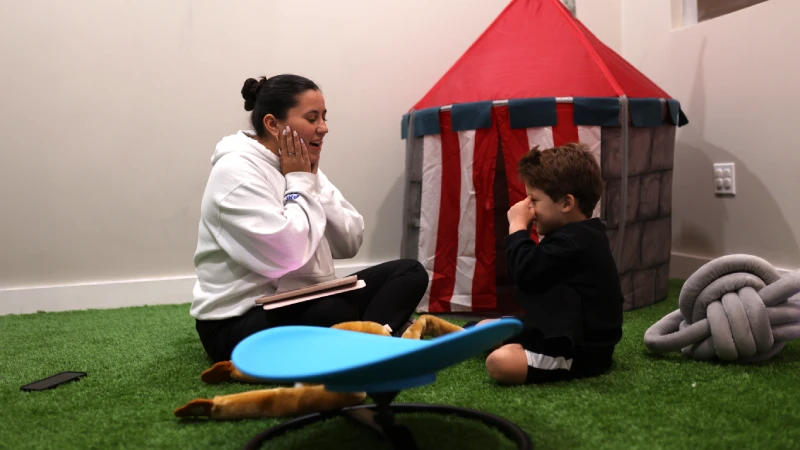
Koala ABA and Learning Center is a dedicated provider of comprehensive therapy services for children with Autism Spectrum Disorder (ASD). As a trusted resource for early intervention, we specialize in supporting children during the critical developmental years.

When Emma’s parents first came to Koala ABA, they felt anxious and unsure about the future. Their bright, curious 3-year-old had recently been diagnosed with Autism Spectrum Disorder (ASD). Emma struggled to communicate her needs, leading to frequent meltdowns, and connecting with peers felt impossible.

We worked closely with Emma’s family to create a personalized therapy plan focused on building her communication skills and confidence. A year later, Emma is thriving—asking for her favorite “blue cup,” playing with classmates, and sharing joyful moments with her family. Early intervention changed Emma’s life, and it can change your child’s too.

Our Approach to ASD Early Intervention

Early intervention at Koala ABA is grounded in personalization, family involvement, and evidence-based practices. From the moment your child begins their journey with us, we focus on understanding their unique needs and building a foundation for success.

Here’s how we do it:

  • Comprehensive Assessments: We start by gently evaluating your child’s strengths, challenges, and developmental needs. This allows us to create a therapy plan tailored to their unique potential.
  • Individualized Treatment Plans: Our Board Certified Behavior Analysts (BCBAs) craft personalized plans with clear, measurable goals. We monitor progress closely and adapt strategies as your child grows.
  • Parent and Caregiver Training: We understand that you play a vital role in your child’s development. That’s why we provide hands-on training and resources to help you reinforce positive behaviors and skills at home.
  • Real-Life Application: We design therapy sessions to teach skills your child can use every day—at school, on the playground, and in social interactions. The progress made here translates into lasting improvements in their daily life.

Therapies for ASD Early Intervention in Koala Aba and Learning Center

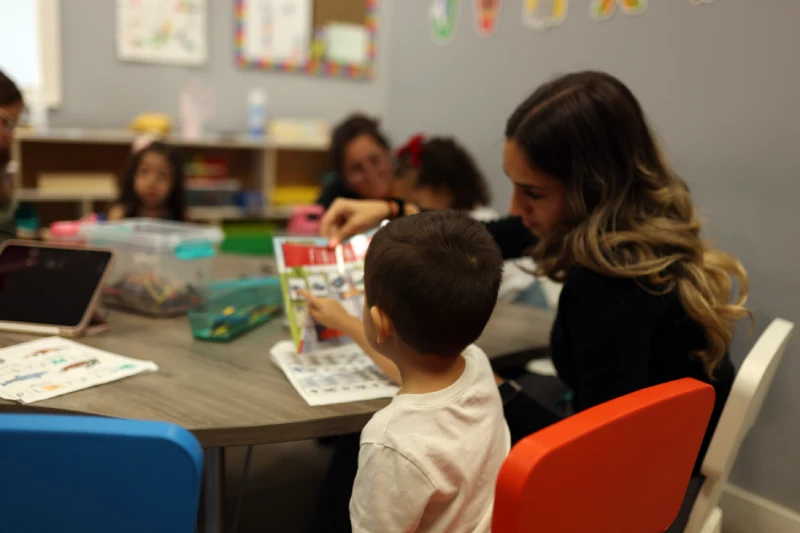
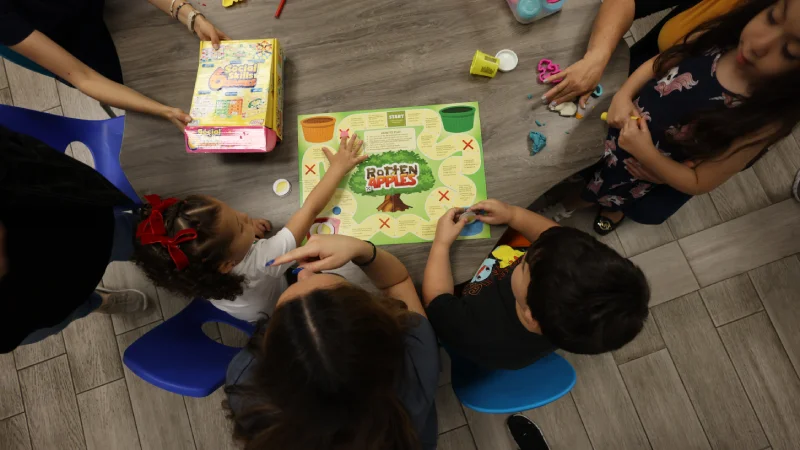
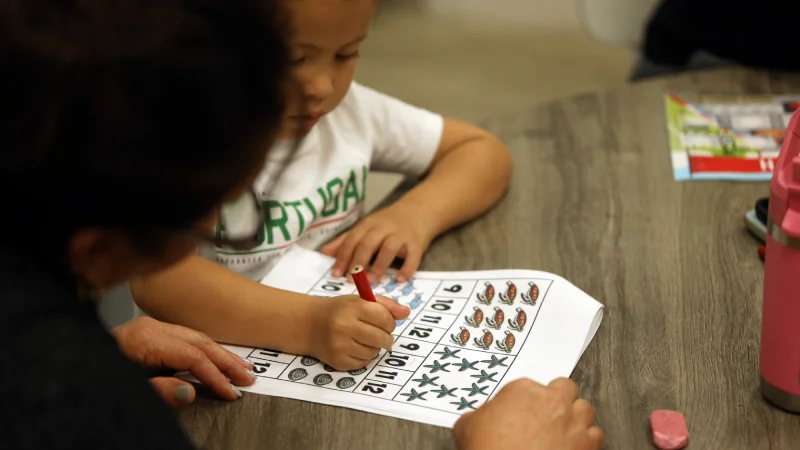
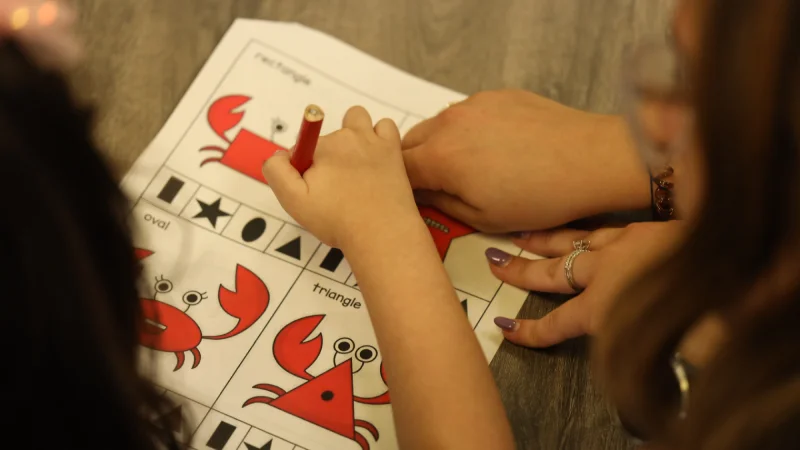
At Koala ABA, we provide a range of evidence-based therapies tailored to each child’s unique needs. Our programs combine structured learning with play-based techniques to keep therapy engaging and effective.

Our services include:

  • Applied Behavior Analysis (ABA) Therapy: The cornerstone of our approach, ABA focuses on building essential skills while reducing behaviors that interfere with learning.
  • Speech Therapy: Designed to improve both verbal and nonverbal communication, helping children express themselves and connect socially.
  • Occupational Therapy: Focused on daily living skills, motor coordination, and sensory integration to promote independence and confidence.
  • Play-Based Therapy: Using play to teach social, emotional, and cognitive skills in a fun and natural way.
  • Neuromodulation Therapy: Neuromod integrates EEG technology, medical lasers, AI, and ABA therapy to regenerate neural connections and enhance brain health.

Each therapy complements the others, creating a comprehensive program that helps children like Emma gain the skills and confidence to navigate their world.

Your Trusted Partner in Miami: Koala ABA and Learning Center

Your Trusted Partner in Miami: Koala ABA and Learning Center

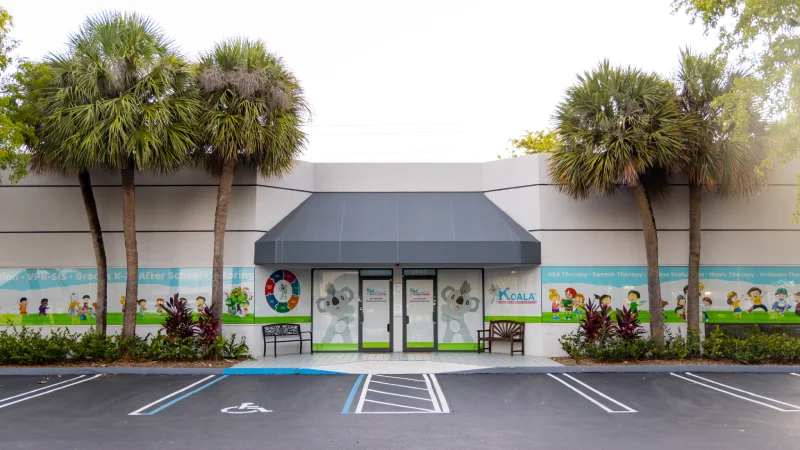
For families in Miami, Koala ABA and Learning Center is more than just a clinic—it’s a community. Conveniently located in Doral, we are proud to provide compassionate, expert care to families across Miami and surrounding areas.

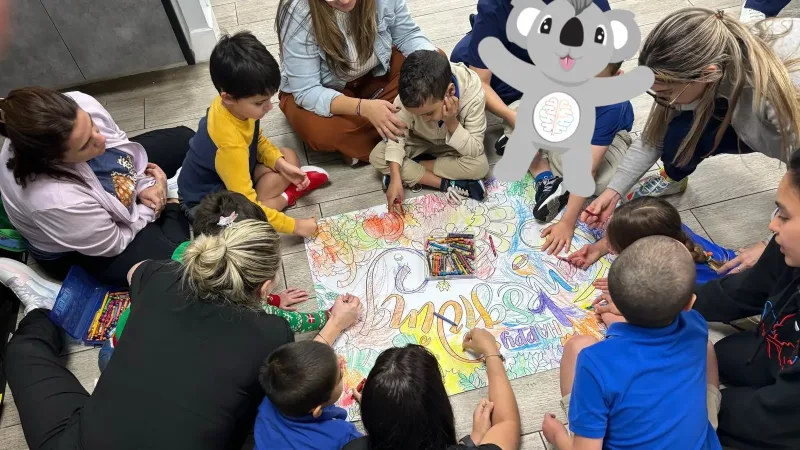
We aim to go beyond therapy. We provide afterschool programs, summer camps, and social activities that create a sense of belonging for children and their families. Children find joy in these activities, connecting with other families who understand their journey. These moments of shared learning and laughter are part of what makes Koala ABA so special.

Whether you’re in Doral, Kendall, Coral Gables, or anywhere nearby, we’re here to provide a trusted place where your child can learn and grow.

Take the First Step Toward a Brighter Future

Emma’s story is a testament to the power of early intervention. When her parents took the first step to seek support, they gave her the tools to thrive. Today, Emma communicates her needs, plays with her peers, and lights up every room she enters.

Your child’s story can have the same happy ending. If your child has been diagnosed with autism or you’re noticing early signs, don’t wait—early intervention can make all the difference.

Contact Koala ABA and Learning Center today to schedule a consultation or learn more about our personalized therapy programs.

Nonverbal Autism: Tools and Tips Every Parent Should Know

Music Therapy for Autism: Boosting Social Skills Through Sound.

Communication is the cornerstone of connection, enabling us to share thoughts, feelings, and needs. While spoken language often takes center stage, nonverbal communication—gestures, facial expressions, eye contact, and tone—plays an equally crucial role. For children with nonverbal autism, these forms of expression carry even greater importance.

About 30% of autistic individuals are nonspeaking or minimally speaking. It’s not just the absence of speech; nonverbal cues often manifest in distinct and individualized ways. However, this doesn’t mean a lack of thoughts, emotions, or personality. Instead, it’s an invitation to explore new pathways of connection and understanding.

What is Nonverbal Communication?

Nonverbal communication refers to the exchange of information without spoken words. It includes gestures, facial expressions, body language, and even the tone or rhythm of vocalizations. For example, a smile can express warmth, while crossed arms may indicate defensiveness.

Autistic children often face unique challenges with traditional forms of nonverbal communication, such as maintaining eye contact, interpreting facial expressions, or using gestures in typical ways. However, many develop alternative ways to express themselves, including pointing, guiding, or using creative methods that resonate with their strengths.

By recognizing and embracing these differences, you can build a deeper and more meaningful connection with your child.

Identifying Nonverbal Autism in Children: Symptoms

How can you tell if your child might be nonverbal? Research shows that signs of communication delays often appear early. Around 30–38% of parents notice symptoms before their child’s first birthday, and by 24 months, more than 80% recognize significant communication challenges.

Common Indicators of Nonverbal Autism are:

  • Limited or No Spoken Language: Your child may use sounds, gestures, or actions instead of words.
  • Difficulty with Imitation: Struggles to mimic words, facial expressions, or gestures.
  • Reliance on Alternative Communication: Prefers pointing, pulling, or guiding to express needs.
  • Minimal Response to Verbal Cues: May not respond consistently to their name or spoken instructions.

If you notice these signs, consulting a speech therapist or developmental specialist is an important first step. These professionals can assess your child’s needs and recommend appropriate interventions.

How to Get a Diagnosis

Assessmenta and diagnosis: autism and nonverbal autism

Diagnosing nonverbal autism involves evaluating your child’s language and speech development. Tools like standardized vocabulary checklists can identify delays in children aged 18–35 months by analyzing word usage and combinations. Nonverbal Autism Diagnosis usually occurs in a Level 3 Autism diagnosis.

However, it can be complex due to overlapping communication difficulties across developmental disorders. Once a diagnosis is confirmed, therapists will use specialized assessments to determine the extent of delays and create a personalized intervention plan for your child.

Understanding Communication Challenges in Nonverbal Autistic Children

Nonverbal autism does not equate to a lack of intelligence, thought, or emotion. Children with nonverbal autism have vibrant inner worlds filled with ideas and feelings, even if they cannot express them verbally.

Alternative Communication Methods:

  • Visual Aids: Picture boards or schedules help children express preferences and anticipate activities.
  • Sign Language: Simple gestures can provide a clear way to communicate needs.
  • Augmentative and Alternative Communication (AAC): Tools like tablets with specialized apps or voice-generating devices allow effective communication.

Supporting your child’s unique communication style requires patience, creativity, and a willingness to adapt. With the right methods, you can foster meaningful connections and help your child express themselves.

Therapeutic Approaches: ABA and Speech Therapy for kids with Nonverbal Autism

Interventions like Applied Behavior Analysis (ABA) and speech therapy are instrumental in helping nonverbal autistic children develop communication skills.

ABA Therapy

ABA therapy focuses on analyzing and improving specific behaviors, including communication. Individualized and structured sessions help children:

  • Use gestures, such as pointing, to express needs.
  • Identify and utilize pictures to communicate.
  • Operate communication devices to share thoughts.

By reinforcing positive behaviors, ABA builds a foundation for effective communication.

Speech Therapy

Speech therapy for kids with autism encompasses verbal and nonverbal communication. Techniques include:

  • Picture Exchange Communication Systems (PECS): Using pictures to express preferences.
  • Assistive Technology: Devices like iPads enable children to convey messages.
  • Sign Language and Gestures: Introducing simple signals for basic needs.
  • Oral-Motor Exercises: Strengthening muscles to improve articulation.

At Koala ABA and Learning Center, speech therapy is tailored to each child’s developmental stage and unique challenges. The goal is to empower children with tools to express themselves, whether through words or alternative methods.

Effective Nonverbal Communication Techniques for Parents

Effective Nonverbal Communication Techniques for Parents


As a parent, you play an essential role in your child’s communication development. Incorporate these practical strategies into your daily routine to strengthen your bond:

1. Be Observant

Pay attention to body language such as reaching, leaning, or pointing, facial expressions, and vocalizations.

2. Use Visual Supports

  • Visual Schedules: Help your child anticipate daily activities.
  • Picture Cards: Enable them to express choices and preferences.

3. Simplify Your Speech

Use short, clear phrases paired with gestures or pictures. For example, instead of saying, “Would you like the car, train, or something else?” try:
“Car or train?” while pointing to the options.

4. Encourage Interaction Through Play

  • Building Blocks: Practice turn-taking with phrases like, “Your turn” and “My turn.”
  • Pretend Play: Model communication using toys or scenarios.
  • Puzzles: Help your child request pieces using gestures or pictures.

5. Model Communication

  • Gestures and Sign Language: Wave or point while speaking.
  • AAC Tools: Show how to use devices to make choices.

6. Be Patient and Celebrate Progress

Every step forward, no matter how small, is a milestone. Positive reinforcement builds confidence and encourages continued growth.

Finding Professional Support: Koala ABA and Learning Center

At Koala ABA and Learning Center, we specialize in helping children with autism develop communication skills. Our personalized programs address unique challenges with goals such as:

  • Strengthening oral-motor skills for articulation.
  • Associating emotions with facial expressions for better social understanding.
  • Teaching alternative communication methods, including PECS and AAC tools.

Our expert therapists are dedicated to unlocking your child’s potential and helping them connect with the world.

Ready to take the next step?

Contact Koala ABA and Learning Center today to learn how we can support your child’s communication journey. Together, we can transform challenges into opportunities and open new doors for connection.

Autism Assessment Process: A Parent’s Step-by-Step Guide

What is ABA Therapy? Understand Its Importance, Benefits, and How It Works.

Every parent anticipates developmental milestones, from first words to first steps. But what if your child’s development seems different? You might notice your child avoiding eye contact, struggling with speech, or exhibiting repetitive behaviors. These signs might indicate autism spectrum disorder (ASD), and an autism assessment is the first step to undertaking the way to solutions.

So, how do you navigate this process? This blog post will guide you through each step, unraveling what might feel like a complex maze and transforming it into a clear path forward for your child.

What Is an Autism Assessment?

An autism assessment, also known as an autism evaluation, is a comprehensive process used to determine if a child meets the diagnostic criteria for autism spectrum disorder (ASD). Unlike a medical condition diagnosed with a simple blood test, ASD diagnosis requires a thorough examination of your child’s developmental history and behavioral patterns.

This is typically performed by a team of professionals, including:

  • Developmental Pediatricians: Experts in child development who assess physical and behavioral health.
  • Child Psychologists or Psychiatrists: Specialists who evaluate cognitive, emotional, and behavioral patterns.
  • Speech and Language Therapists: Professionals who assess language development and communication skills.
  • Occupational Therapists: Experts in sensory and motor skills evaluation.

What includes an Autism Evaluation?

The process usually begins with an initial consultation where the specialist gathers information about the individual’s developmental history, medical background, and any concerns or observations from parents, teachers, or caregivers.

1. Medical History Review

A detailed review of the individual’s medical history, including prenatal, birth, and developmental milestones, is conducted. You’ll discuss your child’s developmental history, including milestones, communication abilities, social interactions, and behavior patterns. Be prepared for questions such as:

  • When did your child start talking?
  • Do they make eye contact?
  • How do they handle changes in routine?

2. Physical Examination

A thorough physical examination is performed to check for any underlying medical conditions that might be contributing to the symptoms.

3. Developmental Assessment

What includes an Autism Evaluation?

This component evaluates the individual’s developmental milestones across various domains, such as motor skills, language acquisition, social skills, and cognitive abilities. Standardized tests and questionnaires may be used to gather this information1.

4. Behavioral Observation

The specialist will interact with your child or observe them in various settings, such as playing with toys, completing tasks, or engaging in social interactions. These observations help assess communication, social skills, and repetitive behaviors.

5. Diagnostic Tools and Criteria

The assessment team uses diagnostic tools and criteria, such as the DSM-5 (Diagnostic and Statistical Manual of Mental Disorders, 5th Edition), to determine if a child meets the criteria for an ASD diagnosis. Your child may undergo developmental or cognitive tests, such as:

  • ADOS-2 (Autism Diagnostic Observation Schedule): A play-based social and communication skills assessment.
  • Cognitive assessments: WISC-V (Wechsler Intelligence Scale for Children), Stanford-Binet Intelligence Scale
  • Language assessments: CELF-5 (Clinical Evaluation of Language Fundamentals), PLS-5 (Preschool Language Scales)

These assessments help professionals gather information about your child’s strengths and challenges in various areas, which aids in making an accurate diagnosis.

6. Autism Assessment Report

Once the assessment is complete, a detailed report is generated summarizing the findings, diagnosis (if applicable), and recommendations for interventions and support.

How to Get an Autism Assessment in Florida?

If you’re in South Florida and suspect your child might have ASD, here’s how to start the evaluation process:

  1. Speak to Your Child’s Pediatrician
    • Your child’s pediatrician is often the first step. Share your concerns and observations. They may perform preliminary screenings and, if needed, refer you to a specialist.
  2. Contact Specialized Centers
    • South Florida has several reputable autism evaluation centers, such as ABA Centers, that can assess your child for signs and symptoms of autism.
    • Koala ABA and Learning Center: Located at 2898 NW 79th Ave, Doral, FL 33122, this well-regarded center offers comprehensive assessments and personalized support for children with developmental concerns.
  3. Verify Insurance Coverage
    • Contact your insurance provider to confirm what’s covered, as autism evaluations can be costly. Many centers, including Koala ABA, can assist with navigating insurance.
  4. Schedule the Assessment
    • After securing a referral, schedule an appointment with the center of your choice. Some clinics have waitlists, so plan accordingly.
  5. Prepare for the Appointment
    • Gather any relevant medical and developmental records, as these will be essential for the evaluation process.

Benefits of Autism Diagnosis: Follow-Up and Support

Benefits of Autism Diagnosis: Follow-Up and Support

A diagnosis provides crucial clarity, enabling access to appropriate support services and resources, and facilitating the development of a personalized plan for the individual and their family.

Educational Determination

A formal diagnosis can help your child qualify for special education services under the Individuals with Disabilities Education Act (IDEA). In Florida, a multidisciplinary evaluation team will review the diagnosis and create an Individualized Education Plan (IEP) tailored to your child’s needs:

  • Smaller class sizes for focused attention.
  • Speech or occupational therapy sessions integrated into their school schedule.
  • Modified teaching methods or materials to suit their learning style.

IEPs are not static; they are reviewed and updated regularly to reflect your child’s growth and changing needs, ensuring they continue to receive the best possible support.

Early Intervention

The benefits of early intervention cannot be overstated. Programs like speech therapy, occupational therapy, and Applied Behavior Analysis (ABA) can improve communication, social skills, and overall quality of life.

Early educational support is transformative. Schools with dedicated special education programs often collaborate with therapists and specialists to provide comprehensive support within the academic setting.

Autism Support Institutions and Helps in Florida

How to Get an Autism Assessment in Florida? Autism Care Center

Caring for an autistic child requires a strong support network. Fortunately, Florida offers several resources:

1. State and Federal Assistance

Programs like Medicaid waivers and Supplemental Security Income (SSI) provide financial aid for families. Contact Florida’s Agency for Persons with Disabilities (APD) for more information.

2. Support Groups and Nonprofits

Organizations like Autism Speaks and the Florida Autism Center provide resources, support groups, and advocacy for families.

3. Local Centers and Services

In addition to Koala ABA and Learning Center, South Florida boasts several institutions specializing in autism support, offering everything from therapy to community events.

The Role of Autism Care Centers

An autism evaluation might feel like a daunting process, but it is a transformative step in understanding and supporting your child’s needs. Whether it’s accessing tailored therapies, securing special education services, or simply gaining clarity, a diagnosis opens doors to invaluable resources and opportunities.

Autism care centers, like Koala ABA and Learning Center, play a pivotal role in the lives of children with autism and their families. These centers specialize in therapies and programs that focus on helping children develop crucial skills, from communication to self-care, in a safe and supportive environment.

Reach out today to start your journey toward understanding and empowering your child.