What is Autism Spectrum Disorder? Symptoms, Diagnosis, and Effective Support.

Autism and Friendship: Top 5 Tips to Help Your Child Connect.

Autism Spectrum Disorder (ASD) is a developmental condition that affects communication, behavior, and social interaction. However, over the years, understanding of ASD has evolved significantly, allowing more people to access accurate diagnoses and appropriate support strategies.

To put it in perspective, 1 in 6 children is diagnosed each year in the United States with a neurodevelopmental condition, including ASD. Still, there are many doubts, taboos, and misinformation about what autism truly is, how it manifests, and how to support those who experience it.

That’s why this article aims to shed light on autism spectrum disorder by explaining its symptoms, causes, and characteristics, as well as the best ways to support students with ASD and their families in future educational environments.

What is Autism Spectrum Disorder (ASD)?

What is Autism Spectrum Disorder (ASD)? Symptoms, Diagnosis, and Effective Support.

Autism spectrum disorder is a neurological developmental condition that affects how a person interacts with the world. It’s important to understand that ASD is a spectrum, which means its manifestations can vary widely. Some individuals may have more difficulties than others with communication and behavior.

Fortunately, science has made strides in understanding autism, leading to improved diagnoses and intervention strategies in specialized centers. ASD is now recognized as a unique way of perceiving, interacting, and communicating with the world, which can influence the everyday life of those affected.

Here are some key points to better understand this condition:

  1. It’s a broad spectrum: Not all individuals with ASD exhibit the same autism spectrum symptoms or the same level of severity.
  2. It affects communication and social interaction: Many individuals with ASD struggle to interpret social norms or express their emotions.
  3. Presence of repetitive behaviors and sensory sensitivity: Repetitive behaviors, such as rocking or repeating words, may be observed.
  4. No single defined cause: While a combination of genetic and environmental factors is suggested, no specific origin has been identified.
  5. Early detection is key: Timely diagnosis allows access to therapies and resources that improve quality of life.
  6. Diversity within the spectrum is valuable: ASD is not a disease and should not be seen as something to be “fixed.”

What Are the Symptoms of Autism Spectrum Disorder?

What is Autism Spectrum Disorder (ASD)? Symptoms, Diagnosis, and Effective Support.

We now understand that autism spectrum disorder manifests uniquely in each person, so signs and symptoms of autism can vary in intensity and expression. People with autism often show distinct patterns in behavioral interests or activities. However, there are common patterns that support early identification and diagnosis.

Understanding these symptoms is key to providing proper support and promoting inclusion for individuals on the autism spectrum. ASD affects diverse and important areas of development and behavior, and symptoms can appear as early as infancy. The most common symptoms include:

Difficulties in verbal and nonverbal communication:

Altered social interaction:

  • Difficulty interpreting social rules, such as eye contact or turn-taking in conversation.
  • Preference for solitude or limited interaction with others.
  • Trouble understanding others’ emotions and expressing their own.

Restricted interests and repetitive behaviors:

  • Intense focus on specific topics or activities, showing deep dedication and knowledge.
  • Repetitive movements, such as rocking, clapping, or spinning.
  • Need for strict routines and resistance to change.

Increased or decreased sensory sensitivity:

Emotional regulation difficulties:

  • Intense emotional reactions to situations that may seem minor to others.
  • Difficulty handling frustration and unexpected changes.
  • May engage in self-stimulatory or self-injurious behaviors.

Uneven skill development:

  • Some individuals with ASD may show exceptional abilities in areas like math, music, or memory.
  • However, they may struggle with everyday tasks that require social or motor skills.
  • Levels of early development and independence vary widely within the spectrum.

How is Autism Spectrum Disorder Diagnosed?

What is Autism Spectrum Disorder (ASD)? Symptoms, Diagnosis, and Effective Support.

Each individual with ASD has a unique set of strengths and challenges, as well as a singular way of perceiving the world. There is no specific medical test to identify autism. Instead, healthcare professionals conduct a thorough evaluation based on the person’s behavior, development, and medical history.

Early detection of ASD is essential to ensure access to the right support, improve quality of life, and foster the development of skills that support social integration. Diagnosis involves several clinical assessments and observations, which may include:

Developmental evaluation and behavioral observation:

  • Child development specialists observe the child’s behavior in different settings to identify potential ASD signs.
  • They analyze communication, social interaction, language, and responses to external stimuli.
  • Direct observation and reports from parents and teachers are essential to detect consistent patterns.

Use of standardized tools:

  • There are specific tests and questionnaires designed to evaluate ASD symptoms.
  • These tools measure the frequency and intensity of behaviors associated with the spectrum.
  • These tests must be administered by trained professionals.

Review of family and medical history:

  • The child’s medical history is reviewed, including genetic factors, prenatal complications, and associated neurological conditions.
  • Reviewing family history may help detect potential hereditary predispositions.
  • Other medical conditions that could affect development may also be ruled out.

Multidisciplinary evaluation:

  • Pediatricians, neurologists, psychologists, and speech and occupational therapists collaborate to make an accurate diagnosis.
  • They evaluate cognitive development, motor skills, communication, and social adaptation.
  • Involving multiple specialists allows for a comprehensive understanding of the child’s needs.

Differential diagnosis:

  • It is important to distinguish ASD from other developmental disorders, such as Attention Deficit Hyperactivity Disorder (ADHD).
  • Accurate diagnosis avoids confusion and supports effective intervention planning.
  • Each case should be assessed individually to understand the complexity of the autism spectrum.

How to Help Students with Autism Spectrum Disorder?

What is Autism Spectrum Disorder (ASD)? Symptoms, Diagnosis, and Effective Support.

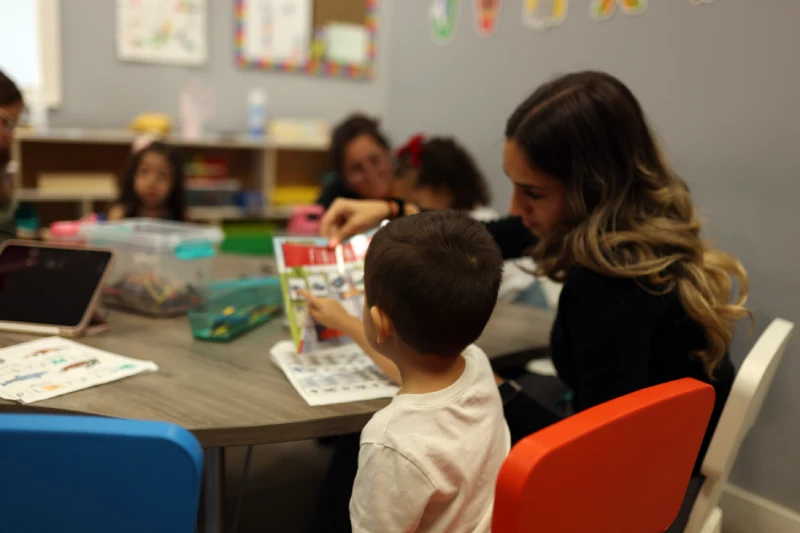
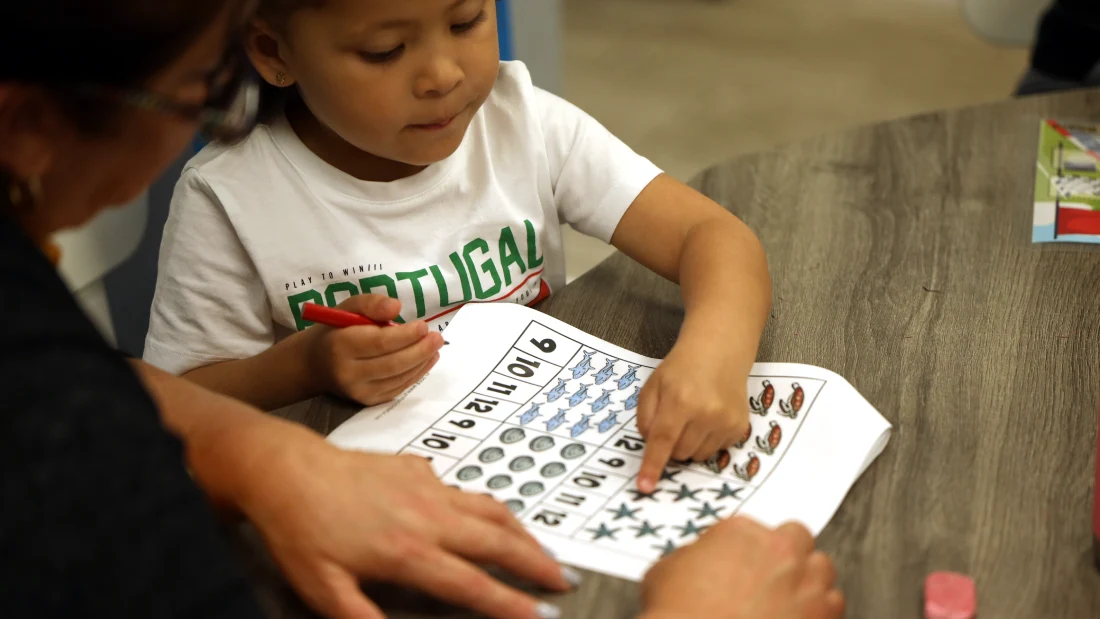
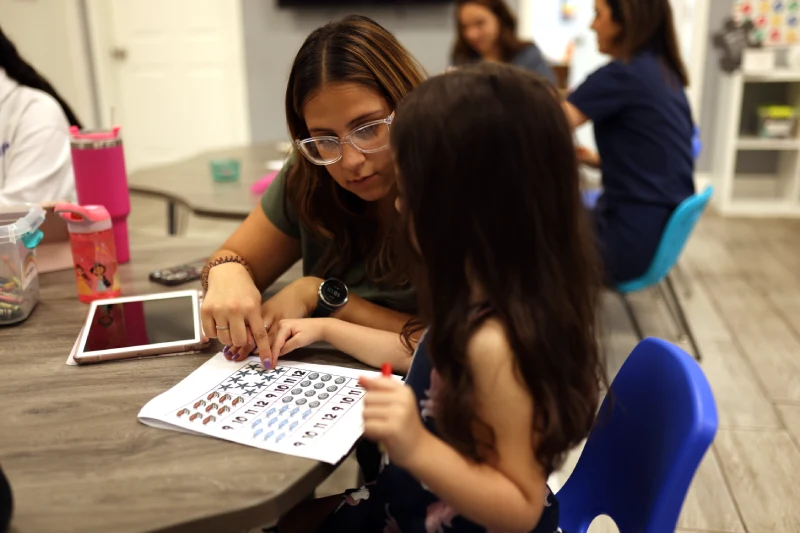
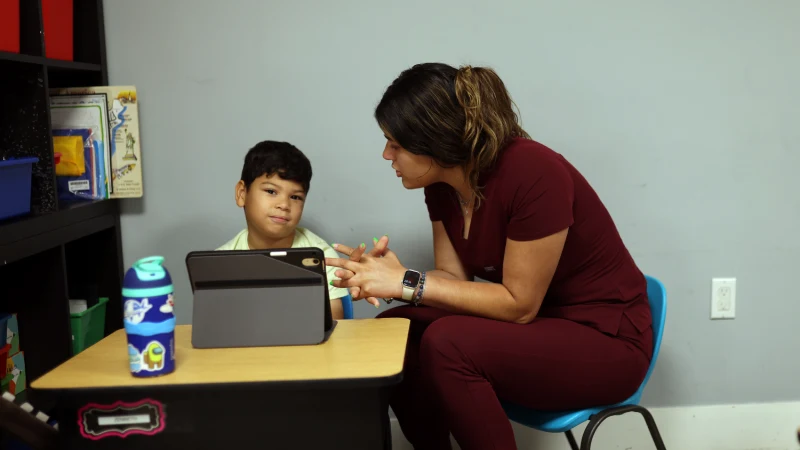
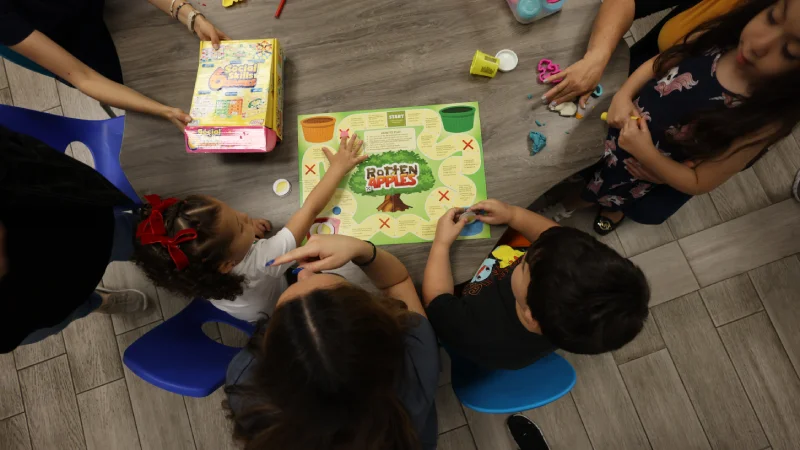
It’s natural for every parent to want their child to receive the right education. However, students with autism spectrum disorder may face unique challenges in school, especially regarding socialization and adapting to changes. With the right strategies, learning can be fostered and integration can be improved.

The key is understanding their individual needs and adopting educational methods that respect their unique way of processing information. To ensure an inclusive and accessible educational environment, specific strategies must be implemented. Here are some effective forms of educational support:

Adapting the learning environment:

  • Reduce visual and auditory distractions to avoid sensory overload.
  • Provide quiet spaces where students can regulate their emotions.
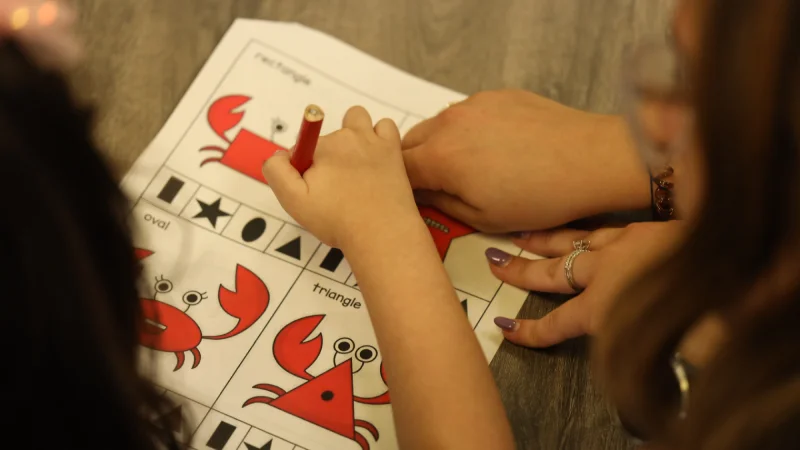
  • Use adapted materials such as images, sounds and visual aids.

Promoting communication and socialization:

Establishing routines and clear structure:

  • Set predictable schedules and activities to reduce anxiety.
  • Use visual supports such as illustrated agendas to explain daily tasks.
  • Introduce changes gradually and explain them clearly in advance.

Using personalized teaching methods:

Fostering autonomy and practical skills:

  • Teach self-regulation strategies to help students manage emotions and stress.
  • Provide tools for problem-solving and decision-making.
  • Reinforce independence in everyday school activities.

Training and raising awareness among school staff:

  • Offer training to teachers and staff about ASD and its characteristics.
  • Promote an inclusive approach in the classroom, fostering respect and understanding among all students.
  • Maintain open communication with families to coordinate strategies and support.

Koala ABA & Learning Centers: Early ASD Evaluation and Diagnosis.

What is Autism Spectrum Disorder (ASD)? Symptoms, Diagnosis, and Effective Support.

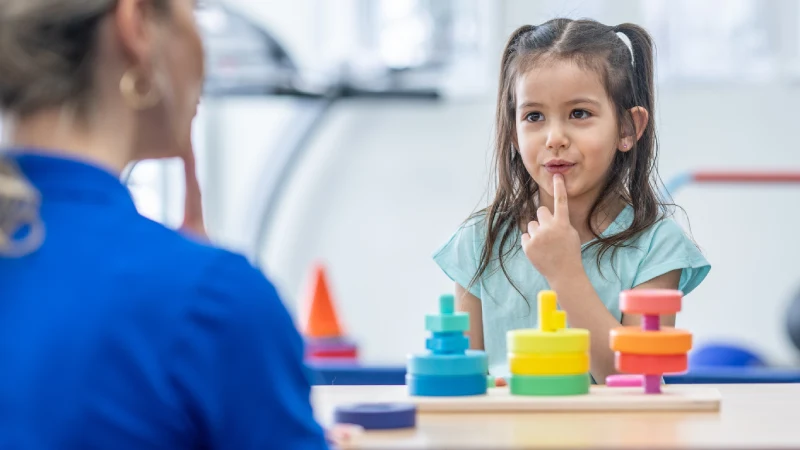
At Koala ABA & Learning Centers, we understand that Autism Evaluation is a crucial process designed to identify and understand the unique characteristics and challenges experienced by children with autism spectrum disorder. Our evaluations are conducted by a team of professionals, including psychologists, pediatricians, speech-language pathologists, and occupational therapists.

Koala ABA & Learning Centers is dedicated to performing thorough psychological and educational assessments for individuals suspected of having ASD. We recognize the uniqueness of every autism journey, and our evaluations are carefully tailored to the child’s age and specific concerns.

Some benefits of our early childhood diagnosis process include:

  • Early Intervention: Once the diagnosis is confirmed, we offer ABA Therapy, Speech Therapy, and Occupational Therapy.
  • Access to Services: An autism diagnosis is often a prerequisite for accessing services like ABA Therapy and Special Education.
  • Parent Education and Support: Early diagnosis empowers parents with knowledge and tools to address their child’s needs.

Contact us today and discover how our programs support your child’s special needs by addressing communication, language, and social functioning. Don’t wait—let’s build a better future for them, starting now!

Autism and Outdoor Play: Top 8 Activities for Kids with ASD

Car rides with an autistic child: 5 expert ABA tips for calmer family road trips in Florida.

Outdoor play is not just pure entertainment; it is an essential tool for the holistic development of children, especially those on the autism spectrum. Thus, the relationship between autism and outdoor play not only fosters social interaction and connection with the environment but also provides sensory stimuli that are fundamental to their development.

Moreover, outdoor spaces offer a much more flexible environment, ideal for autistic children to explore and develop motor and emotional skills without feeling overwhelmed by excessive stimuli or physical limitations. At this point, it is important to know that in the United States, the prevalence of autism has increased by 312% in the last two decades.

Therefore, in this article, we will explore which outdoor games and activities are most recommended to meet the specific needs of each child, and how the connection between autism and outdoor play can become a way of life to promote their well-being and personal development.

What are the benefits of outdoor play for autistic children?

Autism and Outdoor Play

In a natural environment, children have the opportunity to explore, learn, and connect with the world around them in a unique way. For this reason, a good relationship between autism and outdoor play can become a refuge of calm and positive stimulation for every child on the autism spectrum.

Likewise, nature serves as a therapeutic environment for autistic children due to its unique sensory characteristics. Additionally, it has been shown that exposure to natural environments reduces anxiety levels, increases attention capacity, and improves cognitive function in children with autism.

Furthermore, among the main benefits of the connection between autism and outdoor play for autistic children are:

  • Improvement of motor skills and coordination: Physical games like running or jumping help develop gross and fine motor skills, strengthening muscles and coordination.
  • Reduction of anxiety and stress: Being in contact with nature and breathing fresh air positively impacts emotional regulation, reducing stress and anxiety.
  • Controlled sensory stimulation: Natural environments offer gentle sensory stimuli that may be easier for sensitive children to process.
  • Promotion of social skills: Participating in outdoor games with other children allows them to practice interaction skills, enhancing the connection between autism and outdoor play.
  • Improvement in concentration and focus: Open spaces can be less overwhelming than enclosed environments, allowing them to concentrate better on activities.
  • Promotion of autonomy and confidence: Exploring new outdoor spaces gives them a sense of independence, helping them gain confidence in their own abilities.
  • Fostering physical well-being: Outdoor activities contribute to an active lifestyle, which is crucial for physical health and the development of positive interactions between autism and outdoor play.

What are the most recommended outdoor games and activities?

Autism and Outdoor Play

We already know that activities that foster the relationship between autism and outdoor play are an invaluable tool for promoting the development of autistic children. Moreover, these games not only allow them to connect with the natural environment; by taking them out of enclosed spaces, a space is created where they can explore and learn with greater freedom and fewer restrictions.

In this way, outdoor adventures offer many opportunities for autistic children to develop physical and motor skills. Thus, activities such as hiking, cycling, climbing, and swimming engage different muscle groups, promoting a positive relationship between autism and outdoor play. The 8 most recommended outdoor activities are as follows:

  1. Simple obstacle courses: Help improve coordination and gross motor skills while becoming fun challenges that boost their self-confidence.
  2. Sensory exploration in nature: Collecting leaves, touching trees, or listening to the sounds of the environment fosters sensory stimulation in a controlled and relaxing setting.
  3. Ball games: Throwing and catching balls reinforce fine motor skills and encourage interaction with other children, developing social skills.
  4. Treasure hunts: An activity that stimulates concentration and focus, and can be adapted to any environment, such as parks or gardens.
  5. Walks on natural trails: Ideal for stimulating exploration and environmental recognition while promoting relaxation and reducing stress.
  6. Outdoor art: Painting or drawing in open spaces not only develops creativity but also allows them to connect with their surroundings in an artistic way.
  7. Instruction-following games: Activities like “Follow the Leader” or imitation games promote listening and comprehension skills, which are essential for development.
  8. Building with natural elements: Using stones, branches, or sand to create shapes and structures stimulates creativity and manual coordination.

Autism and outdoor play: Tips for parents and educators.

Autism and Outdoor Play

The role of parents and educators is crucial in enhancing the development and happiness of children, especially those on the autism spectrum. Thus, guiding them with patience, understanding, and effective strategies not only strengthens their growth but also provides them with the necessary tools to navigate the world of autism and outdoor play.

On the other hand, understanding their needs, fostering an inclusive environment, and adapting educational practices are key to helping them reach their full potential. Therefore, we will explore practical and effective tips to support both parents and educators in finding the right balance between autism and outdoor play:

  • Encourage open and effective communication: Using adapted methods, such as visual or gestural language, helps improve understanding and reduces frustration in children.
  • Establish clear and predictable routines: Routines provide security and help children anticipate what will happen, reducing anxiety.
  • Create an inclusive and respectful environment: Promoting acceptance in educational and family settings allows children to feel valued and comfortable.
  • Be patient and celebrate small achievements: Recognizing every progress, no matter how small, reinforces the child’s confidence and motivates them to keep learning.
  • Provide constant emotional support: Ensuring that children feel heard and understood fosters a strong and trustworthy relationship.
  • Promote socialization in safe environments: Planning group activities that are inclusive and respect the child’s pace facilitates social interaction without pressure.
  • Educate yourself and stay informed: Parents and educators can seek workshops, books, or professionals to better understand the child’s needs and new support strategies.
  • Adapt the learning environment: Using visual, tactile, or technological tools according to the child’s preferences and abilities improves their learning experience.

What resources and outdoor places can I explore?

Finding suitable spaces and specific resources for children on the autism spectrum is key to ensuring enriching and satisfying activities. Likewise, outdoor places not only provide a relaxing and stimulating environment but also allow children to enjoy an experience tailored to their needs.

On the other hand, resources specifically designed for this purpose, such as guides, apps, or support programs, help plan and maximize these experiences, strengthening a truly beneficial connection between autism and outdoor play:

  1. Inclusive parks: Many public parks are designed with areas adapted for children with different needs, offering sensory play and outdoor equipment for autism.
  2. Botanical gardens and natural spaces: These places provide a sensory-rich environment where children can touch plants, listen to natural sounds, and explore freely.
  3. Inclusive recreation programs: There are centers and organizations that offer outdoor activities specifically adapted for children on the autism spectrum, such as camps or recreational workshops.
  4. Interactive outdoor museums: Some museums have outdoor areas where children can explore, experiment, and learn in a relaxed and open environment.
  5. Accessible beaches and coastal areas: Beaches that offer access and adapted areas can be ideal for sensory activities, such as playing with sand or interacting with water safely.

Koala ABA  Learning Centers: Outdoor activities tailored to each child’s needs.

At Koala ABA & Learning Centers, our therapists develop individualized Occupational Therapy plans for children with diverse needs. Thus, through fun and engaging outdoor activities, they address fine motor skills such as handwriting, cutting with scissors, and other skills. Additionally, we recognize the importance of gross motor skills in overall development.

Our therapy sessions may include activities designed to improve:

  • Coordination and balance.
  • Strength and endurance.
  • Running, jumping, and climbing.

On the other hand, our Summer Camps in Doral, Florida, go beyond mere entertainment. In addition to providing an exciting and engaging environment, these programs subtly foster essential life skills in your child. In this way, campers learn to work as a team and collaborate through group activities such as:

  • Virtual field trips.
  • Arts and crafts.
  • Character costume parties.
  • Obstacle courses.

If you feel that you have found the answers you were looking for with us, don’t wait any longer! Discover now the transformative power of activities, from sports camps to creative arts programs and educational adventures.

Contact us today!, and let your child explore their passions, discover new talents, and create lifelong memories in a safe and enriching environment.

Nutrition for Autistic Children: How to Properly Deal with Food Selectivity?

Autism and food: Discover why children with autism are selective eaters and learn evidence-based strategies from Koala ABA in Miami.

Food selectivity in the nutrition for autistic children is a fairly common issue for many families dealing with Autism Spectrum Disorder (ASD). This behavior, characterized by an extreme and restricted preference for certain foods, can seriously affect the development and quality of life of children with autism.

It is common for children with ASD to reject one or several foods at a time and express that rejection in very diverse ways. Therefore, it is not surprising that, according to the Centers for Disease Control and Prevention, approximately 75.89% of children and adolescents with ASD in the United States exhibit some degree of food selectivity.

For this reason, in this article, we will explore the underlying causes of selectivity in the nutrition for autistic children, the problems it can generate, and effective strategies to address them.

What is Food Selectivity in Autistic Children?

Food selectivity, in general, is characterized by a preference for certain foods and a refusal to try new ones, or a particular way of preparing or cooking them.

For example, it may have happened that your child wants to eat breaded chicken fillet but surprisingly rejects any other form of preparation of this meat when presented at dinner.

Therefore, understanding the reasons behind food selectivity in autism spectrum disorders is essential to address this challenge and improve the nutrition and quality of life of children with ASD.

So, what is selectivity in the nutrition for autistic children? Here are its main characteristics for you:

  1. Limited food preferences: Children with ASD often have a very limited list of foods they accept to consume.
  2. Rejection of new foods: They may show a strong aversion to trying new or unfamiliar foods.
  3. Sensory sensitivity: The texture, smell, color, and taste of foods can significantly influence their food preferences.
  4. Strict routines: They prefer meals that are familiar to them and may resist changes in their eating habits.
  5. Impact on nutrition: Food selectivity can lead to nutritional deficiencies if not managed properly.

5 Causes of Selectivity in the Nutrition for Autistic Children.

While food selectivity may decrease as children grow, this relationship may not behave the same way for children with autism. Additionally, children with ASD have historically shown a greater rejection of new foods compared to other children.

However, food selectivity in autistic children is a complex phenomenon that can be influenced by a variety of factors. Therefore, understanding these influences is crucial to developing effective strategies that help improve the nutrition and well-being of children with ASD.

Among the main causes of nutritional selectivity in autistic children are:

  1. Sensory sensitivity: Children with ASD may experience hypersensitivity or hyposensitivity to sensory stimuli, which affects their response to the textures, smells, flavors, and colors of foods.
  2. Restricted preferences: Rigidity in behavioral patterns can lead to a marked preference for certain foods and rejection of trying new ones.
  3. Negative past experiences: Previous unpleasant experiences with certain foods can create aversion and rejection towards them in the future.
  4. Gastrointestinal issues: Some children with ASD may have digestive problems that influence their food choices and willingness to try new foods.
  5. Deficit in Communication Skills: Difficulty expressing preferences or aversions can lead to restrictive eating behaviors.

Impact of Nutritional Selectivity on the Health of Autistic Children.

nutrition for autistic children and food selectivity in autistic children

Unfortunately, it is not just about the quantity of food an autistic child can consume from their favorite dish, but rather about achieving balance and variety in their diet. Moreover, it is important that their diet includes a wide range of food groups to ensure balanced nutrition.

In this way, nutritional selectivity in autistic children can have significant consequences for their health and future development. Therefore, it is essential to understand these effects in order to implement strategies that improve their nutrition and overall well-being.

Thus, among the main impacts of selectivity in nutrition for autistic children are:

  • Nutritional deficiencies: A limited diet can lead to deficiencies in essential vitamins and minerals necessary for growth and development.
  • Weight gain or underweight: Food selectivity can result in unbalanced eating patterns, affecting the children’s body weight.
  • Cognitive development: Poor nutrition can negatively impact cognitive development and learning skills.
  • Quality of life: Dietary restrictions can affect participation in social and family activities, impacting the quality of life for both children and their families.

Strategies to Manage Nutritional Selectivity in Autistic Children.

We already know that the textures, flavors, smells, and visual appeal of foods can pose a challenge for autistic children in developing their eating habits. However, they may also experience motor difficulties, such as challenges with chewing, swallowing issues, or difficulty coordinating the use of utensils.

Thus, addressing nutritional selectivity in autistic children requires a patient and understanding approach. Additionally, there are various strategies that can help improve their eating habits and ensure adequate nutrition.

So, how can we increase food selection in children with autism? Below, we explore some of the most effective tactics to tackle these challenges:

  1. Gradual Exposure: Introduce new foods gradually, such as nutritional supplements for autistic children, so they can become familiar with them without feeling overwhelmed.
  2. Involvement in Preparation: Engaging children in selecting and preparing foods can increase their interest and willingness to try new foods.
  3. Offering Options: Provide several healthy food options for children to choose from, allowing them to feel more in control of their eating.
  4. Role Models: Children are more likely to try new foods if they see their parents or siblings enjoying them.
  5. Positive Reinforcement: Praise and reward attempts to try new foods to encourage a positive attitude toward eating.
  6. Sensory Interventions: Work with occupational therapists to address sensory sensitivities that may influence food preferences.

Tips for Parents and Caregivers of Children with Food Selectivity.

nutrition for autistic children

At this point, with the right strategies, it is possible to improve the diet and quality of life for children with ASD. However, it is important to address these difficulties with nutritional selectivity in autistic children early on, as there are many and varied behaviors of this kind that may arise.

Thus, from the initial evaluation of the autistic child by a professional to the design of personalized and appropriate intervention strategies, we can pave a smoother path ahead.

So, what should you do if your autistic child does not want to eat? Here are some practical tips to help manage nutritional selectivity in autistic children at home:

  • Be patient and consistent: Introducing new foods can take time. Maintain a positive attitude and avoid pressuring the child.
  • Create a calm environment: Ensure that meals are held in a relaxed and distraction-free setting so that the child feels comfortable.
  • Establish eating routines: Children with ASD often benefit from routines. Set regular times for meals and snacks.
  • Use visuals and rewards: Use pictures and charts to explain the importance of a varied diet and offer small incentives for trying new foods.
  • Offer variety and small portions: Present a variety of foods in small portions so that the child has the opportunity to explore different options without feeling overwhelmed.
  • Seek professional consultations: If necessary, seek the help of a dietitian or occupational therapist specializing in ASD for additional guidance.

Frequently Asked Questions about Food Selectivity in Autistic Children.

  1. Why are children with autism selective about food?

Children with ASD may experience extreme sensory sensitivity, rigidity in their habits, previous negative experiences with certain foods, or gastrointestinal difficulties, all of which can influence their eating habits.

  1. What are the main risks of food selectivity?

It can lead to nutritional deficiencies, affect cognitive development, cause weight issues, and limit participation in social and family activities.

  1. How can I help my child try new foods?

It is advisable to gradually expose them to new flavors, involve them in meal preparation, offer a variety of options, and use positive reinforcement to motivate them.

  1. Is occupational therapy helpful for improving eating in children with ASD?

Yes, occupational therapists can help children improve their motor skills, address sensory sensitivities, and develop strategies to facilitate eating.

  1. When should I seek professional help?

If food selectivity is affecting the child’s growth, health, or quality of life, it is recommended to consult a nutritionist, occupational therapist, or ASD specialist.

Koala ABA & Learning Centers: The Ultimate Solution and Strategy.

At Koala ABA & Learning Centers, our ABA Therapy program is designed to properly empower parents and caregivers of autistic children, allowing them to actively participate in their child’s treatment. This approach ensures that therapy is integrated into everyday family life, fostering a supportive environment for the development and growth of their skills.

Through our Early Intervention program, based on play and functional activities, our analysts design ABA Therapy programs that focus on challenging behaviors. Discrete trial teaching and positive reinforcement also help young children learn self-care, self-regulation, and interpersonal skills for present and future life.

Additionally, through the Occupational Therapy we provide at Koala ABA & Learning Centers, our occupational therapists assess:

  1. Fine motor skills.
  2. Sensory processing.
  3. Self-care needs.

In this way, interactive therapy develops hand strength, coordination, and functional skills such as dressing, using the bathroom, and feeding, improving the nutrition for autistic children. We also address hypersensitivity to sounds, touch, smells, and tastes through adaptive therapies.

If at this point you have found an answer, need more information, or have already decided on us, contact us now, and let’s take the first step together toward your child’s nutritional well-being. Let’s build that future you have always dreamed of for them!


Understanding Neurodiversity: Challenges of Autism in Adulthood

autism in adulthood

Diego is a 38-year-old man. A 38-year-old man who has a romantic partner. A 38-year-old man who has a partner, works as an IT specialist, and drives his car to work. Diego has also written a book. Just one small detail is missing: Diego is autistic.

In a world where the diagnosis of autism in adults has increased by more than 400%, the abilities of people with autism are often underestimated. However, stories also emerge that challenge stereotypes and celebrate diversity. Of course, they not only highlight individual achievements but also demonstrate how perseverance and the right support can open doors to a better future.

Life stories like Diego’s, of traits and challenges of autism in adulthood, may help you answer those questions that are swirling in your mind today: What will my autistic child be like as an adult? Will society accept him? Will he accept himself? Will he be happy? This captivating real-life account may provide some of the answers you so desperately need.

What are the traits of autism in adulthood?

For specialists, autism in adults is a neurodevelopmental condition that involves a different pattern of brain functioning. Additionally, although the main features and traits of autism in adults are primarily presented in men, evidence suggests that many autistic women may have gone undiagnosed.

However, for Diego, autism is much more than that:

“For me, autism is another way of functioning. There are many ways to function. I work designing apps, and for example, you can have the same application running on different operating systems, and it will behave differently on each one. Each person has their own operating system.

Autism is also like a different operating system. Look, I can focus a lot on detail, but I struggle more with the general, the social. And it’s not that we are isolated, as many think; we are simply very connected to very specific aspects of reality.

Yes, every autistic person is different; that’s the key to understanding us.”

How is autism detected in adulthood?

It is known that autism in adults is detected through an evaluation conducted by a team of mental health professionals, such as psychiatrists or psychologists. We also know that the symptoms of autism in adults are based on difficulties with communication, social interaction, and adapting to changes in the environment.

Evidently, if ASD is not diagnosed at an early age, it can present itself in very diverse ways, such as sleep problems, eating disorders, or intellectual disabilities.

However, Diego’s experience is quite particular.

“Since I was 5 years old, I felt that I functioned differently. However, I didn’t have a word to describe how I felt. They told me I was slow, that I was always in another world, but it was just that others couldn’t see my way of functioning.

It was only after I turned 30 that I found some literature to help with my issues remembering faces; and while seeking answers to this with different specialists, the moment of diagnosis came. It was quite difficult because before that, I had trouble recognizing the faces of my own family.”

How to assimilate autism in adulthood?

It is a fact that chronological age does not necessarily coincide with mental age in an autistic adult, so it is difficult to associate the concept of adulthood with a specific age period. Therefore, it is necessary to have a comprehensive approach from an early stage so that the transition to adulthood can happen later and allow the person to be as independent as possible.

“I took about 5 years to find a professional who could give me an accurate diagnosis; I believe that nowadays it would take me much less time. It wasn’t like that before, but now there is work being done with children, and that’s very important so they don’t go through the challenges that I might have faced.

What happens is that until very recently, at a scientific level, there weren’t even terms for this. Still, for me, it was great to know the truth. Additionally, at the specialized center where I was treated for the first time, they were accustomed to dealing with autism in adults, and they had great sensitivity. I was lucky in that regard.”

How does an autistic adult perceive the world?

One of the elements to consider in the adult autistic world is the heterogeneity present in the autism spectrum community. Therefore, it is necessary to focus on each individual to understand their strengths, weaknesses, and how they perceive the world around them in order to eventually develop an intervention plan that addresses their needs.

Of course, Diego also has his own perception of reality.

“For example, regarding faces, I would get anxious thinking about how others recognized their loved ones. Many times I had to pretend that I recognized someone to try to fit in. Evidently, at some point, I realized that something was happening to me or that I wasn’t doing something right.

I also have strong sensory hypersensitivity to sounds and smells, which socially worked against me because cognitively I am very similar to a person with non-verbal autism. Fortunately, the answers came little by little.”

What difficulties does an autistic adult encounter in daily life?

While it’s true that each case of autism is unique, it is also true that the greatest challenges are associated with social interaction and difficulties in following behavioral patterns. That is why important research is currently being conducted on the implications of autism in childhood, and health professionals are increasingly knowledgeable about a topic that, years ago, was almost a mystery.

“One thing that characterizes my degree of autism is the sensory aspect. For example, I might want to buy a loaf of bread and find it very difficult. Why? Because in supermarkets there is sometimes music that overwhelms me. So I have to put on my noise-canceling headphones, but that often makes people look at you strangely.

Now, imagine if I don’t wear the headphones just to fit in. Then there are still the smells of food. So when it’s time to pay, it becomes very complicated because I could be feeling sensory overload. So it takes me twice as long to buy my loaf of bread. Not to mention how impatient people can get because they don’t know what’s happening with you.”

What role do family and environment play in the life of an autistic adult?

It is important to be aware that an adult with ASD will have economic, social, and emotional needs, just like anyone else their age. Therefore, their well-being and quality of life will largely depend on the interventions made at neurological, physiological, and psychological levels throughout their life cycle.

But obviously, it will also depend on the support they receive, especially from their family.

“In my life, and in the life of any person with autism, family support is crucial. Obviously, if from a young age you exhibit behaviors that people see as outside the norm, your family will worry or even think that you don’t do better because you don’t want to.

However, the problem isn’t behavioral. The issue is that we perceive reality differently. So you will act differently too. Of course, over time I have managed to connect with other people with ASD who have lived similar experiences—excessive overprotection or the ‘they’ll learn when they grow up’ mentality.”

“Well, it’s not exactly like that; for some things that may seem very simple, we will always need help.”

Does an autistic adult have the same social opportunities as another person?

We already know that autism accompanies a person throughout their life and will be present when they become adults. Therefore, although it doesn’t disappear, some aspects can be improved with appropriate therapies and treatments. It is necessary for respect for inclusion and social equity to allow any person with autism to access and participate in any activity or field, avoiding situations of discrimination.

“I can set up a server for a database right now, for example. However, I didn’t always have the opportunity to demonstrate it. For instance, some time ago, I applied for an analyst position at a company, but they required teamwork. I can work in a team, but they would need to make minimal adjustments.

They just need to clarify things for me and structure the work very well. If that’s the case, I can respond very well. The problem is that many times they are not willing to do that. I can be very good at some things, but if they don’t take you into account, it’s very difficult to succeed.

There isn’t a checkbox on a job application to mark if you are autistic… but well, at some point, opportunities do come, that’s for sure.”

What is the personal life of an autistic adult like?

There is a myth that people with autism enjoy being alone. Of course, it is clear that it doesn’t have to be that way. The truth is that many people have improved their quality of life by forging friendships and finding common points and interests with others. Thus, having emotional support is key for everyone, but especially for people with ASD.

“Honestly, I don’t know if I’m part of a minority, but I’ve had a romantic partner for years who is not autistic. It’s exciting for me because many times we are completely opposite. She can watch a movie and remember a specific character, something that is a whole discovery for me.

Ideally, it is to be able to understand and include all kinds of people with all kinds of abilities. Many autistic friends ask me about this, and I tell them what I think: I don’t believe it should be a goal in life to say that if I don’t have a partner, I’m nobody. Life is much more than that.”

Are there jobs for autistic adults? What is their work environment like?

Many times, the hiring process is the same for everyone and overlooks people who may have fewer social skills but could perform jobs where their performance would be just as adequate as that of someone with a traditional resume. However, many autistic individuals tend to have specific interests in which they tend to specialize, so this can be used to their advantage.

“I am a computer specialist at a company that is familiar with autism, even though I never graduated. Initially, I wanted to learn car mechanics, but no workshop wanted to hire me. Interestingly, since I drive, I decided to educate myself and change my car’s engine myself, with some help. Not only did I manage that, but I’ve almost completely rebuilt it.

However, I never found employment as a mechanic. Nonetheless, in my current job, clients are quite satisfied; sometimes they even can’t believe that I am autistic, even though it’s a fact that we have great concentration and performance abilities. But the truth is that it all happened because I was given an initial opportunity.”

What are the daily routines of an autistic adult like?

At this point, we should know that one characteristic of people with autism is that they tend to adhere to specific routines and rituals. Of course, these daily routines vary from individual to individual, depending on their personal characteristics. Thus, changes in routine can emotionally dysregulate them, and some may become anxious, irritable, or fearful.

Yes, it is very important for me to have a well-defined routine in my daily life. Normally, the people with autism I know are reluctant, I don’t know if it’s a matter of self-esteem, to use visual tools. I am the complete opposite.

I use a lot of visual tools, I set my work and break schedules on my mobile phone, and I do this continuously throughout the day. I also take time to relax. I respect those guidelines to be able to perform well at work and in life in general; I never forget them, just as I never forget my bracelet that says I Have Autism.”

What are the interpersonal relationships of an autistic adult like?

It is very important for adults with ASD to gradually acquire some flexibility in their social routines, as this will help them relate to and coexist with all kinds of people. Obviously, this is fundamental because in academic or work environments, it is common for there to be changes in group formations and relationships.

“If you have never met an adult with autism, diagnosed by two or three specialists like me, then it’s great to do so and feel that this person is just like you. But many times life leads you to interact more with people who have a minimum level of sensitivity, even if they are not autistic.

Likewise, having autism does not make you a good or bad person. It is true that there are people with autism who have more developed social skills; that may be something to consider when understanding each other. Still, I feel comfortable among both autistic and non-autistic people because I learn a little from everyone.”

What does society need to know to raise awareness about autism?

Although autism is currently detected more in childhood, there are still many adults with autism who have not been diagnosed. Therefore, it is vital to raise awareness and seek ways to provide accurate diagnoses for these individuals.

To help adults with autism, it is necessary to offer personalized support, which can include educational, behavioral, and speech therapies. Equally important is helping them find employment and develop skills to be more independent.

“Sometimes society forgets that we are all part of society. I am also a person in this society. We need to talk more about neurodiversity, about people with ASD, ADHD, dyslexia, because it’s great that we all exist and have all kinds of abilities. That’s a luxury.

Why would we want all people to be exactly the same? We would be like robots, totally identical. But we are not the same, and I believe we should take advantage of that. We need to stop seeing different abilities as limitations because I also have limitations, but I don’t want that to be ignored.

Don’t ignore anything. Simply put, we all belong to this society and this world.”

Final Thoughts.

Although success stories like this are inspiring, the ideal situation is to address autism at an early age, thus ensuring proper growth and a happy childhood for autistic children. ABA Therapy programs, Early Intervention, and many other specialized treatments have proven effective in treating autism in childhood, fostering a richer and fuller life.

At Koala ABA & Learning Centers, we can help you; we want to help you. We have the willingness, the will, and the scientific resources necessary to do so. If you want to learn more stories, learn about autism, or need help, don’t hesitate to contact us: we are always here for you.

Classroom Activities for Non-Verbal Autistic Children: Educational Strategies.

Autism and food: Learn how to improve mealtime success with evidence-based strategies from Koala ABA in Miami.

Non-verbal autism presents significant communication challenges, making it difficult for children to interact with others and express their needs. These difficulties can also impact socialization and behavior, creating additional obstacles in a school setting. As a result, structured and inclusive classroom activities for non-verbal autistic children are essential for fostering engagement, learning, and meaningful interactions.

Alarmingly, 1 in every 200 children in the United States has non-verbal or minimally verbal autism. However, alternative communication methods—such as pictures, gestures, and assistive technology—can help bridge the communication gap.

In this article, we will explore the key characteristics of non-verbal autistic children and provide clear, practical strategies to enhance their school performance, communication, and play. These evidence-based approaches will help educators and caregivers create a more supportive and inclusive learning environment.

What is Non-Verbal Autism?

Non-verbal autism is a condition in which individuals have significant difficulty or inability to develop verbal speech. Diagnosing non-verbal autism can be complex, as it overlaps with other communication disorders. A definitive diagnosis requires medical evaluation, which may include physical exams, imaging scans, blood tests, and hearing assessments to rule out other potential causes of speech difficulties.

Key Characteristics of Non-Verbal Autism:

  • Limited or absent speech – Significant challenges in verbal communication.
  • Difficulty understanding verbal language – Struggles with nuances like figurative expressions.
  • Challenges in social reciprocity – Difficulty building and maintaining relationships.
  • Preference for non-verbal communication – Use of gestures, facial expressions, or assistive communication tools.
  • Atypical sensory responses – Heightened or diminished reactions to sensory stimuli.

Understanding these characteristics helps educators, caregivers, and therapists create supportive environments that foster meaningful communication and social interaction for non-verbal autistic individuals.

Can a Non-Verbal Autistic Child Attend a Regular School?

Inclusive Education classroom activities for Non-Verbal Autistic Children: Attending School

Integrating a non-verbal autistic child into a regular classroom can present challenges for educators. However, it is important to recognize that their presence also enriches the social, personal, and emotional development of the entire school community.

Not all non-verbal autistic children exhibit the same cognitive and behavioral challenges nor to the same degree. Therefore, the teaching team working with an autistic child must implement an intervention program tailored to their specific needs.

To ensure a successful integration, schools may need to make environmental adaptations and provide additional support, such as educational assistants, speech therapy, and augmentative communication tools. Additionally, developing an Individualized Educational Plan (IEP) and fostering collaboration with the child’s family are crucial steps in this process.

Educational professionals role

Educators play a key role in creating an inclusive environment, which requires specific training and skills to effectively meet the needs of students with autism. Preparing the child for transitions and changes is essential. But how can this be achieved?

Key Responsibilities of Educators:

  • Learn to assess the student.
  • Evaluate their situation in the classroom.
  • Respect their pace and learning style.
  • Design and implement curricular adaptations.

Educational Strategies for Non-Verbal Autistic Children: Communication and Play

Consequently, to properly address non-verbal autism in the classroom and achieve good inclusion of the student in class dynamics, the teacher must engage with the expert team and remain flexible in their pedagogical work, with the sole aim of meeting all the student’s needs.

Among the activities for non-verbal autistic children that can be strategically implemented to facilitate good adaptation, the following stand out:

  • Structuring the environment to make it predictable for the students and help them feel emotionally secure.
  • Creating routines, as well as designing a schedule with pictograms, photos, or drawings to help the child with autism anticipate events and identify emotions.
  • Using visual cues to facilitate teaching.
  • Utilizing visual supports (comic strips, comics, and videos).
  • Creating a circle of friends from the child’s environment who interact with and guide them in more open settings.
  • Implementing an Augmentative and Alternative Communication system, which promotes the use of pictograms to facilitate language and communication development.
  • Communicate with parents to help the child gradually adapt and better process transitions.

Additionally, other strategies that can be applied include leveraging students’ areas of interest to incorporate them into teaching, establishing support strategies, and creating safe spaces where they can relax and calm down.

Communication Strategies for Non-Verbal Autistic Children in the Classroom

Autism-friendly Games for Building Social Skills

The truth is, it doesn’t matter where on the autism spectrum the student falls: they will always have the ability to communicate in some way. Here are some simple guidelines to keep in mind to help them communicate with others:

  • Encourage play and social interaction: Play for non-verbal autistic children is a great opportunity to promote communication.
  • Imitate each other: Copying sounds and play behaviors will encourage vocalization and interaction.
  • Focus on non-verbal communication: Gestures and eye contact can lay the foundation for language.
  • Give them time to speak: It is essential to provide the student with many opportunities for communication, as many as necessary.
  • Simplify your language: Be literal and obvious when choosing your words. Say exactly what you mean.
  • Follow the student’s interests: Talking about what interests the non-verbal child will help them learn the associated vocabulary.
  • Consider assistive devices and visual supports: Assistive technologies and visual supports promote interactive activity for non-verbal autism.

How to Play with a Non-Verbal Autistic Child?

Inclusive games designed to support non-verbal communication in children with autism have become invaluable tools in their education and emotional development. But how can we effectively engage in play with a non-verbal autistic child?

By incorporating activities specifically designed to foster interaction and non-verbal expression, we create a safe and stimulating environment that enhances their social skills. However, before introducing any game, it’s essential to ensure the child is comfortable with the options available and understands how they work. Always start with simpler activities before progressing to more complex ones.

Top 8 engaging and beneficial activities for non-verbal autistic children

Therapies for ASD Early Intervention in Koala Aba and Learning Center

  1. Imitation Games: Simple activities like clapping, making facial expressions, or pointing to body parts can help develop imitation skills.
  2. Arts and Crafts: Drawing, painting, and clay modeling allow children to express themselves non-verbally while improving fine motor skills.
  3. Sensory Play: Playing with sand, water, or sensory dough can provide a calming and self-regulating experience.
  4. Picture Books: Books with vivid images can enhance comprehension and support non-verbal communication.
  5. Music and Movement: Dancing and moving to music can be both stimulating and enjoyable, encouraging self-expression.
  6. Adapted Board Games: Simple board games help teach turn-taking, patience, and social interaction.
  7. Structured Routines: Predictable activities offer a sense of security and help children feel more in control.
  8. Outdoor Activities: Playing outside, running, or engaging in physical exercises can help release energy and improve overall well-being.

How to Find the Best School for a Non-Verbal Autistic Child?

At this point, the key question is What is the best school for a non-verbal kid? Choosing the right school for a non-verbal autistic child is a crucial decision that depends on the child’s unique needs and the resources available. When searching for the best educational environment, consider the following key factors:

  1. Specialized Programs – Look for schools that provide autism-specific programs, including speech therapy, augmentative communication support, and individualized learning plans.
  2. Trained Staff – Ensure that teachers and support staff have expertise in autism education, behavior management, and alternative communication strategies.
  3. Social Inclusion – A strong emphasis on social integration and peer acceptance can foster a supportive and inclusive learning environment.
  4. Family Collaboration – Schools that prioritize open communication and partnership with parents can better support the child’s development and learning progress.

ABA therapy is highly effective for identifying and guiding the development goals of skills. Thus, ABA therapy often addresses skill deficits in various communicative areas. These areas obviously vary depending on the individual needs of the student.

Special Education at Koala ABA & Learning Centers

Koala Aba and Learning Center Autism Care in Florida

At Koala ABA & Learning Centers, we believe that ABA Therapy is the cornerstone of educational processes. Therefore, our ABA Therapy focuses on developing crucial areas for daily functioning and social interactions. Our center-based behavioral intervention services are designed to empower all students within the classroom. By providing personalized support, our KOALAFIED™ professionals ensure that each student receives the assistance they need to excel in their educational journey.

The fundamental purpose of our Special Education services is to provide individualized support that helps students succeed in school by focusing on their strengths, improving communication and social interactions, and addressing their behavioral and sensory needs.

Therefore, if you need advice or professional guidance, contact us now and see how our center can effectively guarantee your child’s educational success.

School for Autistic Children in Florida: Top-Rated Picks for 2026

Information from Koala ABA for Florida families about Disability Pride Month.

Choosing the right educational environment for your child is, without a doubt, one of the most significant decisions you will make as a parent of an autistic child.

Of course, it isn’t just about finding a school for autistic children; it’s about finding a space where your child is understood, respected, and empowered in all their abilities.

In 2026, amidst a sea of terms like “inclusion,” “special programs,” and “support services,” it is only natural to feel worried about making a mistake.

That is why, in this guide, we are going to clearly break down the available options, helping you identify what to look for so that your little one’s school journey is one of success and growth.

Keep reading!

What is the best school for autistic children today?

Finding the right school for autistic children in Florida with IEP support and Koala ABA guidance.

If you are looking for a single, definitive answer, it likely doesn’t exist.

The “best school for autistic children” is a relative concept that depends entirely on your child’s individuality, challenges, and strengths.

Similarly, what works wonderfully for a child with high support needs may not be ideal for a little one who requires a more independent learning environment but with social mediation.

Therefore, to determine which option is best, we must consider the following points:

  • Developmental stage: The needs of a preschooler are very different from those of a child in elementary or high school.
  • Sensory profile: An optimal environment must align with the way the child processes stimuli from their surroundings.
  • Individualized learning: The school’s ability to adapt the curriculum to the student’s pace and learning style.
  • Emotional support: Academics are not enough; emotional well-being is the foundation of any real progress.

Types of schools for autistic children: Which one best fits your child’s profile?

Understanding the current educational landscape is the first step toward confidently finding the closest thing to the best school for autistic children.

Every school model has a different purpose and offers various autism intervention programs that can vary in intensity and methodology.

Understanding these differences will allow you to align your family’s expectations with the reality of the classroom.

Public Schools with IEP Support: Inclusive education within the system.

Public education is the most common and accessible option within a school for autistic children for most families in Florida.

In fact, most of these centers offer an inclusive classroom where children interact with peers without autism, seeking the greatest possible normalization of their educational experience through:

  • Promoting socialization: Allowing daily contact with diverse models of social behavior.
  • Access to state resources: Including speech therapy or occupational therapy services funded by the district.
  • Legal compliance: The IEP (Individualized Education Program) guarantees that the child receives the necessary accommodations according to the law.
  • Ideal for: Children with basic autonomy skills who benefit from social modeling in large environments.

Specialized Autism Schools: Centers with a comprehensive therapeutic focus.

Expert advice from Koala ABA on choosing a school for autistic children in Florida in 2026.

On the other hand, these are institutions designed exclusively to serve children on the autism spectrum.

For this reason, every element of a school for autistic children—from the architecture and lighting to the academic curriculum—is designed to meet their specific needs through:

  • Expert staff: Teachers and assistants usually hold specific certifications in autism and behavioral management.
  • Small ratios: Very small groups that allow for constant and personalized supervision.
  • Integrated therapies: Many of these centers combine classes with sessions of ABA Therapy, speech therapy, and occupational therapy.
  • Ideal for: Children who require a highly controlled, predictable environment with intensive support to progress.

How to choose the right school for autistic children for your child?

As a parent concerned about your child’s academic future, you shouldn’t rely solely on what a brochure says or what a recommended website claims.

At this point, to make a truly informed decision, it is vital to visit the centers and observe the institution under a magnifying glass.

In the search for the best schools for autistic children in Florida, these are the pillars that guarantee a good future experience:

  • Support levels (Level 1, 2, or 3): Verify that the school has real and successful experience with your child’s specific support level.
  • Quality of communication: Ask what tools they use to keep you informed about the day-to-day (logs, apps, monthly meetings).
  • Behavioral management: Ensure they use positive reinforcement techniques and have clear protocols for behavioral crises.
  • Sensory needs: Evaluate if the environment is noisy, if there are fluorescent lights, or if they have “calm zones” for self-regulation.
  • Student-teacher ratio: In special education, the number of adults per child is a major factor for effective developmental support.

When is it time to look for a specialized school for autistic children?

Exploring educational options at a school for autistic children in Florida with Koala ABA.

Sometimes, no matter how much we desire total inclusion, the traditional school system fails to bridge the gaps necessary for your child’s well-being.

Therefore, recognizing that a change is needed when looking for a school for autistic children is not a failure, but an act of courage and love for your child.

Always consider a specialized option if you observe the following:

  • Persistent frustration: Your child shows signs of extreme stress, school refusal, or regressions in their skills.
  • Social isolation: Despite being in an inclusive classroom, the child does not receive the necessary mediation to interact with their peers.
  • Constant sensory overload: The regular school environment causes frequent meltdowns due to noise or excessive stimulation.
  • Need for 1-on-1 attention: If your child requires a level of assistance that a general education teacher truly cannot provide.

Why is choosing the right school so important for your child?

Ultimately, choosing the right school directly impacts the quality of life for the entire family.

Similarly, when your child is able to enroll in a good school for autistic children, the benefits extend far beyond academic grades:

  • Development of self-esteem: The child feels capable and understood, not “different” or “behind.”
  • Gains in independence: Daily life skills are fostered that will serve them forever.
  • Improved social skills: They learn to interact in an environment that provides them with the right tools to communicate.

FAQs about School for Autistic Children in Florida (2026).

1. Which is the best school for autistic children in Florida?

There is no single “best school,” as everything depends on your child’s individual profile.

Factors such as their support level (Level 1, 2, or 3), social skills, sensory needs, and learning style are decisive.

The ideal choice is to look for an institution that offers personalized education, emotional support, and strategies adapted to their strengths and challenges.

2. What is the difference between a school with an IEP and a specialized school?

Public schools with an IEP (Individualized Education Program) offer an environment where the child interacts with peers without autism and receives certain supports within the educational system.

Specialized autism schools are designed entirely to meet specific needs, featuring small groups, integrated therapies, and highly trained staff.

3. What therapies should complement my child’s education?

The most recommended therapies include:

  • ABA Therapy (Applied Behavior Analysis).
  • Speech therapy.
  • Occupational therapy.

These interventions help develop key skills such as communication, self-regulation, and independence, which directly impact school performance.

Koala ABA & Learning Centers: Powering academic success in children with autism.

Koala ABA guide to the best school for autistic children in Florida and specialized IEP programs.

Clearly, choosing the best school for autistic children in Florida is only one part of the journey.

The other part—just as important, if not more—is ensuring that your child has the right therapeutic support to adapt, advance, and feel safe within their chosen educational environment.

This is precisely where Koala ABA & Learning Centers makes the difference.

Unlike a traditional school, Koala ABA acts as a strategic bridge between education and therapeutic intervention.

Our approach is designed to strengthen the skills that truly determine success in the classroom: communication, self-regulation, and adaptive behavior.

Because of this, our educational proposal is based on three fundamental pillars:

  • Personalized evaluations: We analyze each child’s profile and the skills they need to integrate into their school environment.
  • ABA-based intervention: We work on specific objectives that directly impact academic and social performance.
  • Support during school transitions: We prepare children for major changes, making the adaptation to school much smoother.

In the end, it’s not just about finding a good school; it’s about building a complete environment where your child can develop with confidence, independence, and well-being.

If you feel your current school is not meeting all of your child’s needs, or you want to ensure their school transition is positive from day one, contact us today!

Discover how the right therapeutic support can transform their educational experience.

Let’s build a stronger, more balanced school path full of real opportunities for your child together.


Autism Spectrum Behavior Checklist: Signs, Diagnosis, and Support Resources

Infographic highlighting 5 early signs of Gestalt Language in children with autism, presented by Koala ABA.

Raising a child with autism can be both a rewarding and challenging journey. Every child with autism has unique strengths and difficulties, making it crucial for parents to understand their child’s needs.

This autism spectrum behavior checklist is designed to help parents recognize key signs, navigate the diagnosis process, and explore essential areas such as communication, education, and therapy options.

Early Signs of Autism in Children

There is no single medical test to diagnose autism spectrum disorder (ASD). Instead, a team of specialists assesses a child’s behavior using established criteria to provide the most reliable diagnosis. This process also includes tests to determine the severity of the disorder, if present.
However, identifying early signs and symptoms is crucial for early intervention. Recognizing these behaviors in young children can help parents take proactive steps to support them.

Communication: When do children with autism begin to speak?

Autism spectrum disorder (ASD) primarily affects a child’s ability to communicate, often raising concerns for parents. One of the most common questions is, “Why isn’t my child talking?”

Typically, children begin babbling between 6 to 9 months, say their first words around 12 months, and start forming simple sentences by 18 to 24 months. However, children with autism may experience speech delays or develop communication differently.

When Should Parents Be Concerned?

Benefits of Autism Diagnosis: Follow-Up and Support

Parents should consider seeking professional evaluation if their child:

  • Does not babble by 12 months.
  • Has few or no spoken words by 16 months.
  • Is not using two-word phrases by 24 months.
  • Loses previously acquired speech skills or stops talking.

Other Communication Signs of Autism

In addition to speech delays, autistic children may exhibit the following communication challenges:

  • Limited or no spoken words.
  • Lack of babbling or early vocalizations.
  • Difficulty expressing needs or thoughts.
  • Repeating words or phrases from others or media (echolalia).
  • Not responding to their name.
  • Speaking in a flat or monotone voice.
  • Struggling to understand sarcasm or figurative language.
  • Reversing pronouns (e.g., saying “you” instead of “I”).

If a child exhibits these signs, especially alongside speech delays, consulting a specialist can help determine the best approach for early intervention and support.

Common Physical Behaviors Associated with Autism

Many children with ASD display unique physical behaviors and interests, often accompanied by differences in motor skill development. While some may have strong coordination and focus in certain activities, others may struggle with fine or gross motor skills.

Recognizing these patterns can help parents and caregivers better understand and support their child’s needs. In our autism spectrum behavior checklist, here are some common patterns:

  • Engaging in self-stimulatory behaviors (stimming), such as rocking, hand-flapping, or spinning.
  • Walking on tiptoes or maintaining rigid postures for extended periods.
  • Displaying heightened or reduced sensitivity to sensory stimuli (light, sound, touch, or textures).
  • Having strong food preferences and being extremely picky eaters.
  • Reacting unusually to certain textures in clothing, food, or surroundings.
  • Developing intense, obsessive interests in specific topics or objects.
  • Exhibiting behaviors or interests that seem unusual for their age.
  • Becoming distressed by minor changes in routines or environments.
  • Lining up objects or toys instead of engaging in imaginative play.

Understanding these behaviors can help parents identify potential signs of autism early and seek appropriate support and interventions.

Social Skills for Autism

Types of Play and How They Can Foster Social Skills

Difficulty developing social skills is another hallmark characteristic of autism. These challenges often affect a child’s ability to form relationships, understand social cues, and engage with peers. If you are concerned about your child’s social behavior, here are some signs to be aware of:

  • Resisting physical contact or showing discomfort with hugs.
  • Preferring to be alone or engaging in solitary play.
  • Struggling to understand personal space or social boundaries.
  • Having difficulty recognizing or responding to others’ emotions.
  • Avoiding eye contact or displaying minimal facial expressions.
  • Not paying attention to surroundings or people nearby.
  • Having trouble discussing their own feelings or sensations.
  • Finding it difficult to engage with peers or initiate play.
  • Struggling to make or maintain friendships.

Since social interactions play a crucial role in a child’s development, early intervention and targeted support can help improve communication, relationship-building, and emotional understanding.

Autism Assessment: Process and Diagnosis

If you’ve observed potential signs of autism in your child, it’s important to seek a diagnosis. Diagnosing autism spectrum disorder (ASD) involves a comprehensive evaluation conducted by medical and developmental specialists. Since there is no single medical test for autism, the diagnosis is based on behavioral observations, developmental history, and standardized assessments.

Steps in the Autism Assessment Process:

  • Visit the Pediatrician: Your child’s pediatrician will assess your child’s communication, motor skills, and social behaviors during a routine check-up. If needed, they may recommend further evaluation.
  • Referral for Specialist Evaluation: This team might include psychologists, speech therapists, and neurologists who will conduct more in-depth assessments to understand your child’s behavior.
  • Behavioral Observations and Testing: Specialists will observe your child’s behavior and how they interact with others. In some cases, specialists will use tools like the Autism Diagnostic Observation Schedule (ADOS) or the Childhood Autism Rating Scale (CARS) to help confirm the diagnosis.
  • Hearing and Genetic Testing: These may be performed to rule out other conditions that mimic autism symptoms.

Autism Diagnosis

Tailored, One-on-One Attention. KOALAFIED™ VPK-SIS Therapy Services

There are three levels of autism, based on the amount of support an individual needs. Here’s a brief overview:

Autism Spectrum Disorder Types

  1. Autistic Disorder (Classic Autism): This is the most severe form, characterized by significant challenges in communication, social interactions, and repetitive behaviors.
  2. Asperger’s Syndrome: Individuals have milder symptoms, often with strong verbal skills and average or above-average intelligence, but struggle with social interactions.
  3. Pervasive Developmental Disorder – Not Otherwise Specified (PDD-NOS): This is a catch-all category for individuals who don’t fully meet the criteria for other specific disorders but still show significant social and communication challenges.
  4. Childhood Disintegrative Disorder (CDD): Children develop normally until ages 2-4, then experience a significant loss of social, language, and motor skills.
  5. Rett Syndrome: A rare genetic disorder, primarily affecting females, leading to severe impairments in motor and communication skills.

Autism Levels

  • Level 1: Requiring Support: Individuals need some support but can generally manage daily activities with minimal assistance. They may struggle with social interactions and organizing tasks.
  • Level 2: Requiring Substantial Support: These individuals need more substantial support to function daily. They may have more pronounced difficulties with communication and social interactions.
  • Level 3: Requiring Very Substantial Support: Individuals at this level need intensive support for daily activities. They often have severe communication challenges and may be highly dependent on others.

Each level indicates the degree of support needed rather than the severity of the condition itself. Understanding these levels helps tailor interventions and support to meet the unique needs of each individual.

Teaching Autistic Children: Special Schools and Programs

Why Starting Early Matters to Your Child with autism

Clinics and centers specialized in the diagnosis and treatment of Autism Spectrum Disorder (ASD) are generally well-equipped to effectively support autistic children. The process of teaching autistic children can be categorized based on their age and educational stage.

Pre-Kindergarten (Under 4 Years Old)

For children under 4 years old, early intervention is crucial. Clinics and specialized centers offer tailored programs designed to address developmental delays and improve social, communication, and behavioral skills. These programs often include:

  • Speech Therapy: Focuses on enhancing communication skills, both verbal and non-verbal.
  • Occupational Therapy: Aims to develop fine motor skills, sensory integration, and daily living skills.
  • Applied Behavior Analysis (ABA): Utilizes behavioral techniques to encourage positive behaviors and reduce challenging ones.

Parents and caregivers play a vital role in early intervention. It’s important to work closely with professionals to create a supportive and structured environment at home, reinforcing the skills being taught in therapy sessions.

School-Aged Children (4 Years and Older)

Once children reach school age, their educational journey can take different paths depending on their individual needs and abilities. There are several options available:

  • Specialized School: These schools are specifically designed to cater to the needs of autistic children. They offer tailored curricula, smaller class sizes, and specialized staff trained in ASD.
  • Inclusive Classrooms: Some children may benefit from being integrated into mainstream classrooms with the support of special education services. This approach fosters social inclusion and promotes peer interactions.
  • Individualized Education Plans (IEPs): Schools work with parents and specialists to develop IEPs that outline specific goals, accommodations, and support services needed to help the child succeed academically and socially.

In both cases, collaboration between parents, educators, and therapists is key to ensuring that the child’s unique needs are met. Regular assessments and adjustments to the teaching approach can help maximize the child’s potential and progress.

Autism Spectrum Behavior Checklist: Additional Information

  1. Local Support Groups: Connecting with other families facing similar challenges can provide emotional support and practical advice.
  2. Educational Resources: Understanding the latest research, therapies, and educational strategies can help parents make informed decisions.
  3. Legal Assistance: Knowledge about the legal rights of children with autism, including education and healthcare rights, is crucial.
  4. Financial Assistance Programs: There are various programs available to help cover the costs associated with caring for a child with autism.
  5. Respite Care: Services that provide temporary relief for primary caregivers.
  6. Therapeutic Services: Information on accessing speech therapy, occupational therapy, and behavioral therapy.
  7. Medical Care: Understanding how to navigate the healthcare system and what services are covered by insurance.
  8. Community Programs: Local community centers and organizations often offer programs and activities tailored for children with autism.
  9. Transition Planning: For older children, information on transitioning to adulthood, including education, employment, and independent living options.
  10. Advocacy and Awareness: Resources on how to advocate for their child’s needs and raise awareness about autism in their community.

The Role of Special Education and Learning Centers

How to Get an Autism Assessment in Florida? Autism Care Center

Special education and learning centers are vital in supporting children with autism and other developmental disorders. These centers offer tailored educational programs, therapies, and support services designed to meet each child’s unique needs. Their focus is on improving communication, social skills, and academic achievement through personalized approaches.

With specialized staff, including teachers and therapists, these centers create nurturing environments that foster growth and development, empowering children to reach their full potential.

Koala ABA & Learning Center

At Koala ABA & Learning Centers, our ABA therapy plays a key role in improving daily functioning and social interactions for children with autism. We focus on enhancing social skills, and communication, and addressing challenging behaviors through behavioral interventions. Our early intervention programs, designed by behavior analysts, promote self-care and emotional flexibility through techniques like discrete trial teaching and positive reinforcement.

Additionally, our Occupational Therapy supports cognitive, physical, and social development, helping children navigate daily life. We also focus on sensory and emotional activities to enhance skills and social interactions. Contact us to learn how we can help your child thrive.

Activities for Autistic Kids: 10 Proven Games for Better Social Skills

Car rides with an autistic child: 5 expert ABA tips for calmer family road trips in Florida.

At Koala ABA, we know that as a parent of a child with autism, your daily priority is finding real ways to connect with your child.

You aren’t looking for complicated theories or dense manuals; what you need are practical activities for autistic kids that you can apply today, both in the comfort of your home and in the classroom setting.

In a world that moves too fast, play is much more than just “passing the time”: it is the fundamental stage where social development happens, emotions are regulated, and true connection emerges.

In this guide, we will explore strategies designed to boost key skills, adapting to the unique pace of each little one and seizing every opportunity to foster their autonomy and well-being.

Read on and discover how to transform play into progress!

10 Activities and games for autistic kids to boost their social development.

Practical activities for autistic kids to build social skills through play. 10 proven games, tips, and expert ABA guidance for parents.

Finding the activities for autistic kids that best suit their specific needs can completely transform your family dynamics.

In this sense, science confirms today that therapeutic success does not lie in the complexity of the toy, but in the quality of the human interaction it generates.

In this way, play becomes the ideal setting where the child practices social skills and self-regulation in a safe and fun environment.

Below, we complete our definitive guide with 10 practical proposals designed to strengthen their independence.

Pick the ones that best fit your child’s interests and start enjoying them today!

1. Imitation Games: The first step toward connection.

Before using verbal language, children discover the world by replicating what they see around them.

Therefore, within the activities for autistic kids, these games are key to inviting the little one to step out of their internal world and start interacting with you:

  • What is it?: A “mirror” game where you imitate the child or they imitate you.
  • Benefits: Helps the child notice your presence and pay attention to your actions.
  • How to do it: Make a simple gesture (like clapping) and say: “Do this!” If they don’t follow you, you imitate them instead.

2. Emotion Matching: A visual activity to understand feelings.

For many little ones, identifying what others feel can be a challenge.

For this reason, visual aids are essential within activities for children with autism, as they transform abstract concepts into images that are easy to understand:

  • What is it?: The use of cards, photos, or pictograms showing different basic facial expressions.
  • Benefits: Improves empathy and helps the child recognize social cues and moods in others.
  • How to do it: Show a card with a “happy” face while smiling. Ask the child to point to the image that matches your gesture.

3. Turn-Taking Board Games: Learning to wait calmly.

Practical activities for autistic kids to build social skills through play. 10 proven games, tips, and expert ABA guidance for parents.

Board games offer a predictable structure that, within activities for autistic kids, facilitates learning social skills in a fun and pressure-free way:

  • What is it?: Activities with logical sequence rules, such as Jenga, Ludo, or even putting together a puzzle together.
  • Benefits: Strengthens patience, helps work on frustration tolerance, and teaches the concept of respecting someone else’s space.
  • How to do it: Clearly say “my turn” and “your turn” to signal transitions and help the child follow the rhythm of the game.

4. Social Role-playing: Practicing real-life situations.

Simulations are highly valuable activities for children with autism, as they allow for practicing everyday interactions in a safe and familiar environment:

  • What is it?: Simulating common day-to-day situations, such as going to the supermarket, visiting the doctor, or attending a birthday party.
  • Benefits: Significantly reduces anxiety toward the unknown and allows for practicing “social scripts” that the child can use later.
  • How to do it: Use themed toys (a doctor’s kit or a cash register) and practice basic greetings like “hello” and “goodbye.”

5. Sensory Play Activities: Stimulation that regulates and entertains.

Integrating textures into activities for autistic kids is not only fun, but it also helps the nervous system process stimuli in a more organized way:

  • What is it?: Using materials with different textures, such as rice bins, kinetic sand, water, or playdough.
  • Benefits: Promotes emotional self-regulation and sensory integration, allowing the child to feel more comfortable in their environment.
  • How to do it: Hide small objects inside a box filled with legumes or rice for the child to find.

6. “Simon Says”: The best listening game for autism.

Within activities for children with autism, this game is an exceptional tool for working on auditory discrimination and responsiveness in a playful context:

  • What is it?: A dynamic where the child must follow an instruction only when it is preceded by the key phrase “Simon says.”
  • Benefits: Reinforces following verbal commands, improves auditory attention, and helps better process external information.
  • How to do it: Start with very simple orders, such as: “Simon says: touch your ears.” This practice gradually trains concentration.

7. Construction Games: Fostering logic and fine motor skills.

Practical activities for autistic kids to build social skills through play. 10 proven games, tips, and expert ABA guidance for parents.

Building something from scratch allows children to visualize their achievements tangibly. Thus, blocks are great allies for working on coordination while having fun creating structures:

  • What is it?: Using wooden blocks, LEGO, or magnetic pieces to design and build different figures or buildings.
  • Benefits: Stimulates problem-solving, improves motor planning, and strengthens the small muscles in the hands.
  • How to do it: Ask for specific pieces (“pass me the red block”) to integrate communication skills and teamwork.

8. Music and Movement: How does rhythm improve communication?

Integrating music into activities for autistic kids is an excellent strategy to improve response to external stimuli and physical coordination:

  • What is it?: Dancing to rhythmic patterns, singing simple songs, or using basic percussion instruments.
  • Benefits: Facilitates body expression, improves rhythmic imitation, and helps the child tune into time and space.
  • How to do it: Play music and stop it suddenly. The child should stay “frozen” in a fun way until the rhythm starts again.

9. Obstacle Courses: Indoor activities to release energy.

Designing a physical path within these activities allows the child to work on their strength and balance in a safe environment, turning the living room into a space for motor development:

  • What is it?: A physical course created with everyday objects like pillows, fabric tunnels, tape on the floor, or chairs.
  • Benefits: Improves proprioception (knowing where their body is in space) and strengthens gross motor coordination.
  • How to do it: Design a path that requires crawling under a chair, jumping over pillows, and balancing on a line of tape.

10. Collaborative Art: Creating together to strengthen bonds.

Integrating art projects into activities for autistic kids allows for strengthening emotional connection and celebrating mutual creativity in a relaxed and inclusive space:

  • What is it?: Creating a work of art together, such as painting a mural on a large sheet of paper or completing a drawing between two people.
  • Benefits: Promotes teamwork and non-verbal communication, and helps the child understand what it means to achieve a common goal.
  • How to do it: Start by painting one part of the page and leave space for them to continue the sequence. The final result will be great.

Frequently Asked Questions about Activities for Autistic Kids.

1. What type of activities help most with social development?

Games like “Simon Says,” role-playing, turn-taking board games, and imitation activities help strengthen skills such as communication, patience, and empathy.

2. What should I do if my child doesn’t want to participate in the games?

It is best to start with activities related to their special interests, avoid pressure, and allow for gradual participation. Sometimes, observing first is also part of the process.

3. How do I know if my child needs professional support?

If you notice persistent difficulties in communication, significant behavioral issues, constant frustration, social isolation, or setbacks in their development, it may be time to seek professional guidance.

Koala ABA & Learning Centers: When is it time to seek professional support?

Practical activities for autistic kids to build social skills through play. 10 proven games, tips, and expert ABA guidance for parents.

Activities for autistic kids are an excellent way to strengthen communication, autonomy, and social skills from home.

However, when more complex challenges arise or you feel your child needs more structured guidance, having professional support can make a huge difference.

At Koala ABA & Learning Centers, we understand that every child learns uniquely and deserves a plan designed specifically for their development.

That is why our approach is not just about applying therapeutic techniques, but about building real connections that generate sustainable progress in their daily lives.

Through ABA Therapy, we help transform daily routines, games, and activities into meaningful learning opportunities.

Our goal is for every child to develop greater independence, confidence, and well-being, always respecting their own pace.

Our services include:

  • Comprehensive behavioral, social, and communicative development evaluations.
  • Individualized intervention programs focused on functional skills.
  • One-on-one therapies to strengthen autonomy, language, and emotional regulation.
  • Support and training for parents, caregivers, and families.
  • Safe, dynamic spaces designed to motivate positive learning.

At Koala ABA, we work with you, not just with your child, creating real strategies that can be applied both at home and at school.

Don’t wait for difficulties to grow before seeking guidance!

Contact us today and schedule a personalized evaluation with our specialized team.

Together, we can turn every game, every routine, and every small progress into a big step toward their future.


ASD Early Intervention: Why Starting ABA Therapy Early Matters

Top ABA Centers in Florida: Why Families Trust Koala ABA & Learning Centers.

Parenting is one of life’s greatest joys, but it also comes with unique challenges—especially when your child has been diagnosed with Autism Spectrum Disorder (ASD). As you embark on this journey, you may find yourself flooded with questions: “What steps should I take next?” “What therapies will help my child thrive?” “Will ASD early intervention make a difference?”

This blog aims to answer those questions, focusing on why starting Applied Behavior Analysis (ABA) therapy as part of early intervention is crucial. With research-backed evidence and professional insights, we’ll explore how early action can positively impact your child’s development and long-term outcomes.

Understanding Autism and the Importance of Early Intervention

ASD is a neurodevelopmental disorder that affects communication, social interaction, and behavior. The Centers for Disease Control and Prevention (CDC) estimates that 1 in 36 children is diagnosed with ASD, and the average age of diagnosis is around 4 years old, though signs can often appear much earlier—sometimes as young as 18 months.

Early intervention refers to the services and support provided to children with developmental delays or disabilities during the critical years of early development, typically from birth to age 5. For children with ASD, early intervention can include therapies like ABA, speech therapy, and occupational therapy. These services aim to enhance skills in communication, social interaction, and daily living while reducing behaviors that may interfere with learning.

Why Starting Early Matters to Your Child

Why Starting Early Matters to Your Child with autism

Research consistently shows that the earlier a child with ASD begins intervention, the better their outcomes. The brain’s plasticity—or its ability to adapt and change—is at its peak during early childhood. This means that young children are especially capable of learning new skills and behaviors when given the right support.

A landmark study published in Pediatrics found that early intensive behavioral intervention resulted in significant improvements in IQ, language abilities, and adaptive behavior for children with ASD. Children who began intervention before the age of 3 showed the most dramatic progress compared to those who started later.

Benefits of Early Intervention for Autism

Applied Behavior Analysis (ABA) therapy is one of the most researched and effective treatments for ASD. Starting ABA therapy early can have a profound impact on your child’s development.

Key benefits include:

  • Improved Communication Skills: Early intervention helps children develop both verbal and nonverbal communication, allowing them to express their needs and connect with others more effectively.
  • Stronger Social Interactions: Skills like turn-taking, maintaining eye contact, and understanding social cues are taught early, helping children form meaningful relationships with peers and family.
  • Reduced Challenging Behaviors: By identifying the root causes of behaviors like tantrums or aggression, ABA therapy teaches positive alternatives for expressing emotions and needs.
  • Preparedness for School and Beyond: From following instructions to participating in group activities, therapy lays a solid foundation for success in educational settings.

These benefits extend to families as well, with parents receiving hands-on training and tools to reinforce positive behaviors at home.

How to Proceed with ASD Early Intervention

If your child has been recently diagnosed with ASD, here are the best practices to ensure they receive the support they need:

  1. Act Quickly: The earlier intervention begins, the greater the opportunity to capitalize on your child’s developmental potential. If you suspect your child may have autism, consult with your pediatrician and request an evaluation.
  2. Seek a Diagnosis: A formal diagnosis is often required to access early intervention services. Pediatricians, developmental psychologists, or neurologists specializing in ASD can perform assessments.
  3. Research Therapy Options: ABA therapy is widely recognized as a gold-standard treatment for ASD, but children may also benefit from other services like speech therapy, occupational therapy, and physical therapy.
  4. Explore Funding Options: One question many families ask is, “Does Medicare pay for ABA therapy?” In many cases, the answer is yes. Medicare and Medicaid often cover ABA therapy for eligible children with an autism diagnosis. Additionally, private insurance plans and state programs may provide financial assistance. Be sure to check with your insurance provider to understand your coverage.
  5. Partner with Trusted Professionals: Finding a reputable ABA provider is key to your child’s success. Look for clinics that employ Board Certified Behavior Analysts (BCBAs) and prioritize individualized treatment plans tailored to your child’s unique needs.

Koala ABA and Learning Center: Supporting ASD Children

Therapies for ASD Early Intervention in Koala Aba and Learning Center

Koala ABA and Learning Center is a dedicated provider of comprehensive therapy services for children with Autism Spectrum Disorder (ASD). As a trusted resource for early intervention, we specialize in supporting children during the critical developmental years.

When Emma’s parents first came to Koala ABA, they felt anxious and unsure about the future. Their bright, curious 3-year-old had recently been diagnosed with Autism Spectrum Disorder (ASD). Emma struggled to communicate her needs, leading to frequent meltdowns, and connecting with peers felt impossible.

We worked closely with Emma’s family to create a personalized therapy plan focused on building her communication skills and confidence. A year later, Emma is thriving—asking for her favorite “blue cup,” playing with classmates, and sharing joyful moments with her family. Early intervention changed Emma’s life, and it can change your child’s too.

Our Approach to ASD Early Intervention

Early intervention at Koala ABA is grounded in personalization, family involvement, and evidence-based practices. From the moment your child begins their journey with us, we focus on understanding their unique needs and building a foundation for success.

Here’s how we do it:

  • Comprehensive Assessments: We start by gently evaluating your child’s strengths, challenges, and developmental needs. This allows us to create a therapy plan tailored to their unique potential.
  • Individualized Treatment Plans: Our Board Certified Behavior Analysts (BCBAs) craft personalized plans with clear, measurable goals. We monitor progress closely and adapt strategies as your child grows.
  • Parent and Caregiver Training: We understand that you play a vital role in your child’s development. That’s why we provide hands-on training and resources to help you reinforce positive behaviors and skills at home.
  • Real-Life Application: We design therapy sessions to teach skills your child can use every day—at school, on the playground, and in social interactions. The progress made here translates into lasting improvements in their daily life.

Therapies for ASD Early Intervention in Koala Aba and Learning Center

At Koala ABA, we provide a range of evidence-based therapies tailored to each child’s unique needs. Our programs combine structured learning with play-based techniques to keep therapy engaging and effective.

Our services include:

  • Applied Behavior Analysis (ABA) Therapy: The cornerstone of our approach, ABA focuses on building essential skills while reducing behaviors that interfere with learning.
  • Speech Therapy: Designed to improve both verbal and nonverbal communication, helping children express themselves and connect socially.
  • Occupational Therapy: Focused on daily living skills, motor coordination, and sensory integration to promote independence and confidence.
  • Play-Based Therapy: Using play to teach social, emotional, and cognitive skills in a fun and natural way.
  • Neuromodulation Therapy: Neuromod integrates EEG technology, medical lasers, AI, and ABA therapy to regenerate neural connections and enhance brain health.

Each therapy complements the others, creating a comprehensive program that helps children like Emma gain the skills and confidence to navigate their world.

Your Trusted Partner in Miami: Koala ABA and Learning Center

Your Trusted Partner in Miami: Koala ABA and Learning Center

For families in Miami, Koala ABA and Learning Center is more than just a clinic—it’s a community. Conveniently located in Doral, we are proud to provide compassionate, expert care to families across Miami and surrounding areas.

We aim to go beyond therapy. We provide afterschool programs, summer camps, and social activities that create a sense of belonging for children and their families. Children find joy in these activities, connecting with other families who understand their journey. These moments of shared learning and laughter are part of what makes Koala ABA so special.

Whether you’re in Doral, Kendall, Coral Gables, or anywhere nearby, we’re here to provide a trusted place where your child can learn and grow.

Take the First Step Toward a Brighter Future

Emma’s story is a testament to the power of early intervention. When her parents took the first step to seek support, they gave her the tools to thrive. Today, Emma communicates her needs, plays with her peers, and lights up every room she enters.

Your child’s story can have the same happy ending. If your child has been diagnosed with autism or you’re noticing early signs, don’t wait—early intervention can make all the difference.

Contact Koala ABA and Learning Center today to schedule a consultation or learn more about our personalized therapy programs.

Nonverbal Autism: Tools and Tips Every Parent Should Know

Music Therapy for Autism: Boosting Social Skills Through Sound.

Communication is the cornerstone of connection, enabling us to share thoughts, feelings, and needs. While spoken language often takes center stage, nonverbal communication—gestures, facial expressions, eye contact, and tone—plays an equally crucial role. For children with nonverbal autism, these forms of expression carry even greater importance.

About 30% of autistic individuals are nonspeaking or minimally speaking. It’s not just the absence of speech; nonverbal cues often manifest in distinct and individualized ways. However, this doesn’t mean a lack of thoughts, emotions, or personality. Instead, it’s an invitation to explore new pathways of connection and understanding.

What is Nonverbal Communication?

Nonverbal communication refers to the exchange of information without spoken words. It includes gestures, facial expressions, body language, and even the tone or rhythm of vocalizations. For example, a smile can express warmth, while crossed arms may indicate defensiveness.

Autistic children often face unique challenges with traditional forms of nonverbal communication, such as maintaining eye contact, interpreting facial expressions, or using gestures in typical ways. However, many develop alternative ways to express themselves, including pointing, guiding, or using creative methods that resonate with their strengths.

By recognizing and embracing these differences, you can build a deeper and more meaningful connection with your child.

Identifying Nonverbal Autism in Children: Symptoms

How can you tell if your child might be nonverbal? Research shows that signs of communication delays often appear early. Around 30–38% of parents notice symptoms before their child’s first birthday, and by 24 months, more than 80% recognize significant communication challenges.

Common Indicators of Nonverbal Autism are:

  • Limited or No Spoken Language: Your child may use sounds, gestures, or actions instead of words.
  • Difficulty with Imitation: Struggles to mimic words, facial expressions, or gestures.
  • Reliance on Alternative Communication: Prefers pointing, pulling, or guiding to express needs.
  • Minimal Response to Verbal Cues: May not respond consistently to their name or spoken instructions.

If you notice these signs, consulting a speech therapist or developmental specialist is an important first step. These professionals can assess your child’s needs and recommend appropriate interventions.

How to Get a Diagnosis

Assessmenta and diagnosis: autism and nonverbal autism

Diagnosing nonverbal autism involves evaluating your child’s language and speech development. Tools like standardized vocabulary checklists can identify delays in children aged 18–35 months by analyzing word usage and combinations. Nonverbal Autism Diagnosis usually occurs in a Level 3 Autism diagnosis.

However, it can be complex due to overlapping communication difficulties across developmental disorders. Once a diagnosis is confirmed, therapists will use specialized assessments to determine the extent of delays and create a personalized intervention plan for your child.

Understanding Communication Challenges in Nonverbal Autistic Children

Nonverbal autism does not equate to a lack of intelligence, thought, or emotion. Children with nonverbal autism have vibrant inner worlds filled with ideas and feelings, even if they cannot express them verbally.

Alternative Communication Methods:

  • Visual Aids: Picture boards or schedules help children express preferences and anticipate activities.
  • Sign Language: Simple gestures can provide a clear way to communicate needs.
  • Augmentative and Alternative Communication (AAC): Tools like tablets with specialized apps or voice-generating devices allow effective communication.

Supporting your child’s unique communication style requires patience, creativity, and a willingness to adapt. With the right methods, you can foster meaningful connections and help your child express themselves.

Therapeutic Approaches: ABA and Speech Therapy for kids with Nonverbal Autism

Interventions like Applied Behavior Analysis (ABA) and speech therapy are instrumental in helping nonverbal autistic children develop communication skills.

ABA Therapy

ABA therapy focuses on analyzing and improving specific behaviors, including communication. Individualized and structured sessions help children:

  • Use gestures, such as pointing, to express needs.
  • Identify and utilize pictures to communicate.
  • Operate communication devices to share thoughts.

By reinforcing positive behaviors, ABA builds a foundation for effective communication.

Speech Therapy

Speech therapy for kids with autism encompasses verbal and nonverbal communication. Techniques include:

  • Picture Exchange Communication Systems (PECS): Using pictures to express preferences.
  • Assistive Technology: Devices like iPads enable children to convey messages.
  • Sign Language and Gestures: Introducing simple signals for basic needs.
  • Oral-Motor Exercises: Strengthening muscles to improve articulation.

At Koala ABA and Learning Center, speech therapy is tailored to each child’s developmental stage and unique challenges. The goal is to empower children with tools to express themselves, whether through words or alternative methods.

Effective Nonverbal Communication Techniques for Parents

Effective Nonverbal Communication Techniques for Parents


As a parent, you play an essential role in your child’s communication development. Incorporate these practical strategies into your daily routine to strengthen your bond:

1. Be Observant

Pay attention to body language such as reaching, leaning, or pointing, facial expressions, and vocalizations.

2. Use Visual Supports

  • Visual Schedules: Help your child anticipate daily activities.
  • Picture Cards: Enable them to express choices and preferences.

3. Simplify Your Speech

Use short, clear phrases paired with gestures or pictures. For example, instead of saying, “Would you like the car, train, or something else?” try:
“Car or train?” while pointing to the options.

4. Encourage Interaction Through Play

  • Building Blocks: Practice turn-taking with phrases like, “Your turn” and “My turn.”
  • Pretend Play: Model communication using toys or scenarios.
  • Puzzles: Help your child request pieces using gestures or pictures.

5. Model Communication

  • Gestures and Sign Language: Wave or point while speaking.
  • AAC Tools: Show how to use devices to make choices.

6. Be Patient and Celebrate Progress

Every step forward, no matter how small, is a milestone. Positive reinforcement builds confidence and encourages continued growth.

Finding Professional Support: Koala ABA and Learning Center

At Koala ABA and Learning Center, we specialize in helping children with autism develop communication skills. Our personalized programs address unique challenges with goals such as:

  • Strengthening oral-motor skills for articulation.
  • Associating emotions with facial expressions for better social understanding.
  • Teaching alternative communication methods, including PECS and AAC tools.

Our expert therapists are dedicated to unlocking your child’s potential and helping them connect with the world.

Ready to take the next step?

Contact Koala ABA and Learning Center today to learn how we can support your child’s communication journey. Together, we can transform challenges into opportunities and open new doors for connection.