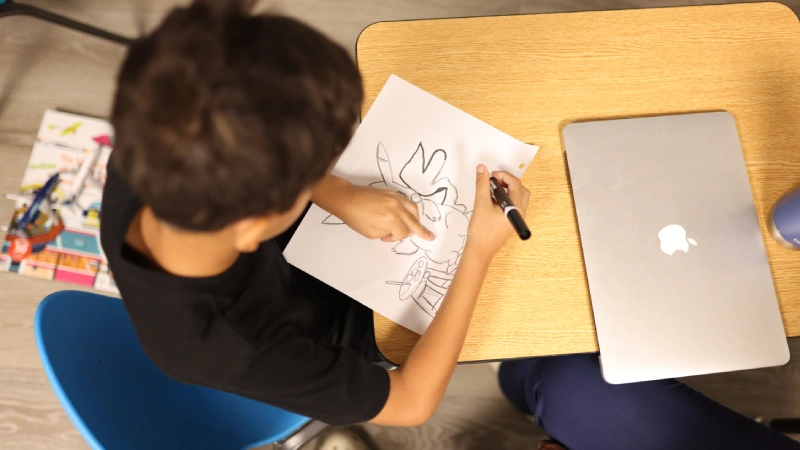
In-Home ABA Therapy or Center-Based? Choosing the Perfect Fit

Unlock your child’s potential with in-home ABA therapy in Panama City, FL through Koala ABA’s early intervention programs.

Can in-home ABA therapy truly match the benefits of center-based therapy, or does one approach inherently provide better outcomes? 

For parents of children with autism, choosing between in-home ABA therapy and center-based therapy can feel like an overwhelming decision. Both approaches are rooted in Applied Behavior Analysis (ABA), an evidence-based treatment designed to help children build communication, social, and behavioral skills. But how do you determine which setting is more effective for your child?

Understanding ABA Therapy

ABA therapy uses behavioral principles to teach meaningful skills and reduce challenging behaviors. Whether your child is learning to communicate their needs, navigate social situations, or develop independence, ABA therapy aims to foster long-term success in real-world settings. However, the effectiveness of this therapy often depends on the environment in which it takes place: at home or in a structured center.

The Benefits of In-Home ABA Therapy for Autism

Home-based ABA therapy happens within the familiar surroundings of your home. This personalized approach integrates therapy into your child’s daily routine, creating a natural learning environment. But does this method offer the same results as a center-based program? Absolutely! Here’s why in-home ABA therapy can be just as effective:

1. Comfort in Familiar Surroundings

Therapy conducted at home allows your child to feel safe and secure. Familiarity reduces anxiety, which can lead to better engagement and faster learning. When children feel comfortable, they are more open to trying new skills and behaviors.

2. Tailored, One-on-One Attention

 Tailored, One-on-One Attention

In-home sessions focus exclusively on your child’s unique needs. This personalized attention helps therapists address specific goals, whether it’s improving communication, social skills, or daily living tasks like brushing teeth or organizing school bags.

3. Family Involvement

In-home therapy naturally includes parents and siblings in the process. Therapists can coach family members on how to reinforce positive behaviors and skills during everyday activities. This collaborative approach ensures that progress continues even after the session ends.

4. Real-Life Scenarios for Skill Building

By integrating therapy into daily routines, in-home ABA therapy creates countless opportunities to practice skills in real-life situations. For example:

  • Mealtime: Practicing using utensils or staying seated at the table.
  • Morning Routines: Developing independence in getting dressed or brushing teeth.
  • Community Outings: Reinforcing skills like waiting patiently or identifying items at the grocery store.

5. Flexible Scheduling

Busy families appreciate the convenience of scheduling therapy sessions around their daily commitments. This flexibility ensures that therapy fits seamlessly into your lifestyle.

Techniques and Activities Used in a Home-based ABA Therapy

Contrary to common concerns, in-home ABA therapy is not limited in its techniques or activities. It employs a variety of evidence-based methods, such as:

  • Positive Reinforcement: Celebrating successes with praise or small rewards.
  • Shaping: Breaking complex tasks into smaller, manageable steps.
  • Prompting: Using verbal, visual, or physical cues to guide learning.
  • Natural Environment Teaching (NET): Leveraging daily routines to teach skills.
  • Discrete Trial Training (DTT): Focusing on specific skills through structured teaching moments.

Dynamic Activities Tailored to Your Home

  • Communication Skills: Introduce communication boards or apps to help your child express their needs during daily activities.
  • Social Skills: Practice sharing and turn-taking through board games or collaborative play with siblings.
  • Daily Living Skills: Turn tasks like getting dressed into engaging activities, such as a timed “dressing race.”
  • Behavior Management: Develop strategies for handling challenging behaviors during everyday moments, like tantrums or transitions.
  • Structured Play: Engage in puzzle-solving, building blocks, or art projects to enhance problem-solving and creativity.
  • DTT (Discrete Trial Training): Use structured teaching moments to focus on specific skills, like identifying colors or following instructions.

The Benefits of Center-Based ABA Therapy for Autism
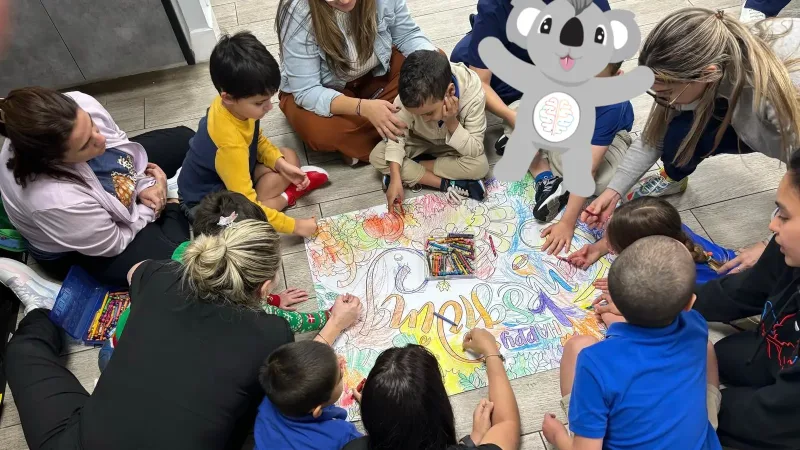
The Benefits of Center-Based ABA Therapy for Autism

Center-based therapy takes place in a dedicated facility equipped with tools and resources designed to enhance learning. This structured environment offers unique benefits that complement in-home therapy:

1. Purpose-Built Spaces

Centers are designed specifically for therapy, offering specialized equipment and resources that may not be available at home. These tools provide additional opportunities for skill-building and reinforcement.

2. Social Interaction Opportunities

Children can interact with peers in a supervised environment in a center-based setting. This exposure helps develop critical social skills, such as turn-taking, sharing, and teamwork, which are essential for navigating school and community settings.

3. Structured Routine

Centers follow a consistent schedule, which can help children adapt to routines and improve transitions. This structure is especially beneficial for children preparing for school or other group settings.

4. Professional Oversight

Center-based therapy often involves a team of professionals collaborating on your child’s progress. This dynamic approach ensures that all aspects of your child’s development are addressed.

Parental Involvement: A Key to Success
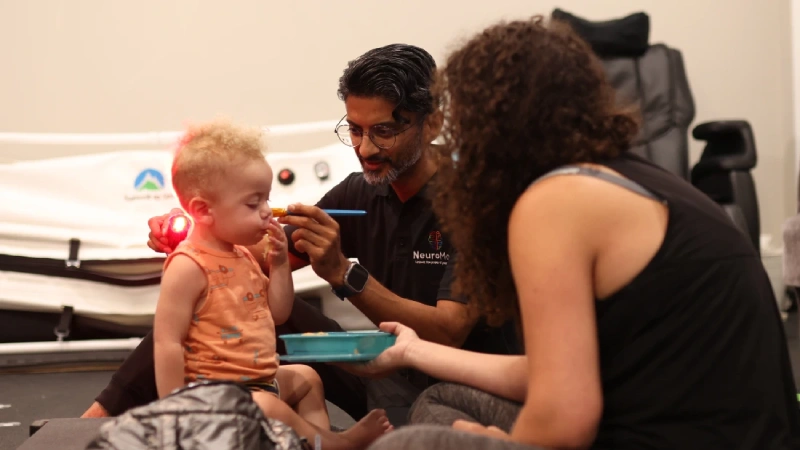
Parental Involvement in therapies

Your involvement as a parent plays a crucial role in your child’s progress, regardless of the therapy setting. While the nature of parental participation differs between in-home and center-based approaches, both methods prioritize family engagement:

  • In-Home Therapy: Parents can observe sessions and learn strategies to implement during daily routines, such as managing mealtime or building communication skills during playtime.
  • Center-Based Therapy: Many centers offer parent training sessions and regular updates, equipping families with tools to support their child’s development at home and in public settings.

Can You Combine Both Approaches?

Absolutely! Many families find that blending in-home and center-based therapy provides the best of both worlds. Each setting offers unique advantages that complement the other:

  • In-Home ABA Therapy: Focuses on real-life scenarios and family dynamics, improving daily living tasks and reinforcing skills in natural environments.
  • Center-Based Therapy: Prepares children for structured environments like classrooms and community activities, emphasizing routine and peer interaction.

Where can you find in-home ABA Therapy in Florida?

In-home ABA therapy in Florida is typically offered by specialized autism therapy centers, like Koala ABA Learning Center, that prioritizes personalized, family-focused care. These centers provide licensed and experienced therapists who work directly with children in the comfort of their own homes, tailoring treatment plans to address unique needs while fostering essential skills in familiar environments. 

Koala ABA and Learning Center: Comprehensive Care for Your Family
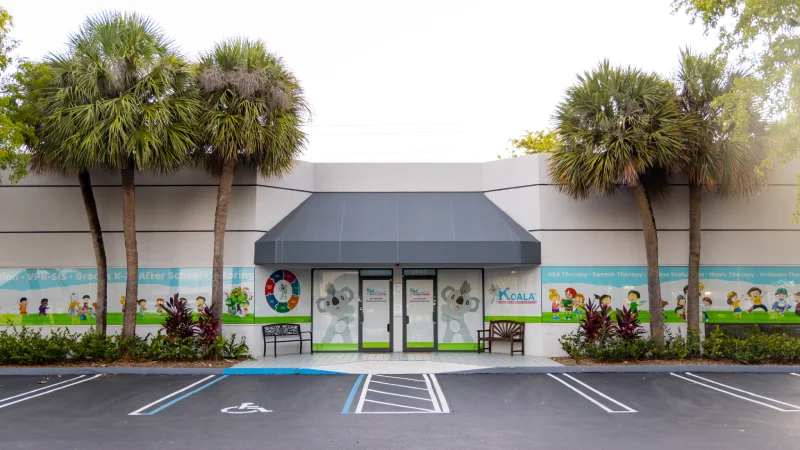
Koala Aba and Learning Center Autism Care in Florida

At Koala ABA Learning Center, we understand that no two children or families are alike. That’s why we offer both in-home and center-based ABA therapy, allowing you to choose (or combine) the approach that best fits your child’s needs.

What Sets Koala ABA Apart?

  • Individualized Care Plans: Each child receives a customized treatment plan tailored to their strengths and challenges.
  • Experienced Therapists: Our compassionate team is dedicated to helping your child reach their full potential.
  • Flexible Scheduling: We work with your family’s busy lifestyle to ensure therapy fits seamlessly.
  • Holistic Approach: By integrating in-home and center-based therapies, we provide comprehensive care that addresses all aspects of your child’s development.

Take the Next Step with Koala ABA

Choosing the right therapy setting for your child doesn’t have to be daunting. With Koala ABA’s flexible, family-focused services, you can feel confident that your child is receiving the highest quality care, tailored to their unique needs.

Contact us today to schedule a consultation and discover how our in-home and center-based ABA therapy programs can help unlock your child’s potential. Together, we can create a brighter future for your family.

Neuromod™ Therapy at Koala ABA: A Breakthrough for Autism Programs in Florida

Autism and food: Learn how to improve mealtime success with evidence-based strategies from Koala ABA in Miami.

For parents navigating the complexities of raising a child with Autism Spectrum Disorder (ASD), finding effective, compassionate, and non-invasive autism programs can feel like a daunting task. Koala ABA & Learning Centers, a leading clinic specializing in autism care and related disorders in Florida, offers an innovative approach that’s changing lives: the Neuromod™ Therapy Program.

By focusing on non-invasive techniques and embracing a holistic understanding of childhood development, Neuromod™ Therapy is changing the landscape of non-invasive autism care in Florida. This groundbreaking program goes beyond traditional treatments, providing families with a gentle, science-backed option to support their child’s growth in communication, learning, and emotional regulation.

Understanding Autism and Neuromodulation Therapy

Autism Spectrum Disorder (ASD) affects 1 in 36 children in the United States, according to the CDC’s Autism and Developmental Disabilities Monitoring (ADDM) Network. For parents, this diagnosis often brings both relief—finally understanding their child’s struggles—and a wave of uncertainty about how best to help them.

Autism can present in many ways: difficulties with social interaction, communication challenges, repetitive behaviors, sensory overload, and more. Traditional treatments, like behavioral therapy or medications, can be beneficial but aren’t always the right fit for every child. Medications may come with side effects, and behavioral interventions can take months or years to show progress.

That’s why neuromodulation therapy is creating such a buzz in the autism community. This science-backed, non-invasive approach taps into the brain’s natural ability to adapt and heal itself. By gently adjusting brain activity, through safe and painless stimuli, it encourage healthier neurological connections.

Neuromodulation Therapy at Koala Style: NEUROMOD™ Autism Program

Koala ABA & Learning Centers have earned their reputation as a hub for autism program excellence in Miami and across South Florida. It is known for their expertise in Applied Behavior Analysis (ABA) and commitment to family-centered care. Our Neuromod™ Therapy Program offers a unique approach that integrates neuroscience with child-centered care.

This program is based on the principle of neuroplasticity—the brain’s ability to adapt and rewire itself in response to targeted stimuli. And, most importantly for parents, the process is entirely non-invasive.

Furthermore, our therapy comes with many benefits for children with autism, including:

  • Safe and Comfortable: Sessions are painless, involving no needles or surgery.
  • Quick and Effective: Most sessions last 20–45 minutes, and families often notice improvements within a few weeks.
  • Highly Personalized: Every therapy plan is customized to address your child’s unique challenges and goals.

What Sets Koala ABA & Neuromod™ Therapy Apart?

Koala ABA’s NEUROMOD™ Autism Program goes beyond standard neuromodulation techniques by combining cutting-edge technology with an understanding of childhood development. Their team incorporates tools like Melillo Method, Neurofeedback, and Biofeedback.

The Melillo Method in Autism Treatment

This is a holistic approach that balances the brain’s hemispheres through targeted exercises and sensory activities. Here’s how it works:

  • Targeting Primitive Reflexes: These are early-life reflexes that sometimes persist into childhood and disrupt normal development. By addressing these reflexes through exercises and activities, the brain’s hemispheres can become more balanced.
  • Sensory Integration Activities: Activities are carefully designed to stimulate underdeveloped sensory pathways—such as vision, hearing, or touch—promoting better coordination and focus.
  • Lifestyle Adjustments: This method often includes advice on nutrition, movement, and routines to support neurological balance outside of therapy sessions.

The Melillo Method views the brain as a dynamic system capable of transformation, and its integration into Neuromod™ Therapy ensures that children receive a well-rounded, whole-brain approach to care.

Neurofeedback Therapy for Autism Care

Neurofeedback is a specialized form of biofeedback that focuses on brain activity. Using EEG technology, it provides real-time feedback on how the brain is functioning and helps train it to operate more effectively.

Here’s what happens during neurofeedback:

  • Measuring Brainwaves: Children wear a comfortable cap with electrodes that monitor brain activity. This non-invasive tool identifies patterns that may be causing difficulties in focus, behavior, or emotional regulation.
  • Reinforcing Positive Patterns: When the brain produces desired brainwaves—such as those associated with calmness or focus—positive reinforcement is provided. This might be through a visual or auditory signal, helping the child’s brain learn and repeat the behavior.
  • Strengthening Neural Pathways: Over time, this practice helps regulate brain activity, reducing symptoms like anxiety, impulsivity, or sensory overload.

Neurofeedback is especially powerful because it empowers the brain to self-correct, creating long-term changes without needing external interventions like medications.

Biofeedback Method for Children with Autism

While neurofeedback focuses on brain activity, biofeedback addresses the body’s physiological responses—such as heart rate, muscle tension, or breathing patterns—that are closely tied to emotions and behavior.

In children with autism, heightened anxiety or sensory sensitivities can lead to physical stress responses. Biofeedback helps children learn to control these responses.

  • Monitoring Physiological Data: Sensors are placed on the child’s body to track signals like heart rate or skin temperature.
  • Teaching Relaxation Techniques: Children practice methods like deep breathing or mindfulness to bring their physiological responses into balance.
  • Building Emotional Regulation: By learning to control their stress responses, children become better equipped to handle challenging situations.

This combination of self-awareness and control promotes not only a calmer demeanor but also a greater ability to focus, interact, and learn.

How Neuromod™ Therapy at Koala ABA Works

The journey begins with understanding each child’s unique brain activity and challenges. So, what can you expect as a parent from this approach?

  1. Comprehensive Assessment: Therapy starts with an EEG to evaluate brain activity and identify areas needing support. This is paired with a review of the child’s developmental history, reflex patterns, and sensory processing.
  2. Targeted Stimulation: FDA-approved lasers are used to gently stimulate underactive brain regions, helping to build stronger neural pathways.
  3. AI-Powered Insights: Artificial intelligence analyzes data in real time, ensuring therapy is precisely tailored to the child’s needs.
  4. Behavioral Integration: Neuromod™ incorporates principles of ABA to reinforce positive behaviors, ensuring changes in brain function translate to everyday skills.

What Can Neuromod™ Autism Program Help With?

Our program is designed to address a wide range of challenges that children with autism face, including:

  • Improving Focus: Helping children with attention difficulties stay engaged and complete tasks.
  • Reducing Anxiety: Calming overactive brain regions to promote emotional regulation.
  • Enhancing Social Skills: Strengthening the brain’s ability to process and respond to social cues.
  • Boosting Cognitive Abilities: Improving memory, problem-solving, and academic performance.
  • Regulating Sleep: Addressing sleep disruptions for more restful nights.
  • Supporting Motor Skills: Enhancing physical coordination and confidence in movement.

Each area of progress builds on the last, creating meaningful changes in a child’s confidence, independence, and quality of life.

Take the First Step Toward Exceptional Autism Program in Florida

Families in Miami and across South Florida trust Koala ABA not only for their expertise but also for their commitment to creating a supportive, nurturing environment. The integration of Neuromod™ Therapy with proven ABA techniques ensures a comprehensive approach that addresses both the brain and behavior.

Overall, Neuromod™ Therapy isn’t just a treatment; it’s a promise of possibility. By addressing the root causes of developmental challenges and empowering the brain to heal itself, this therapy opens doors for children with autism to thrive in ways parents might not have thought possible.

Every child’s journey is unique, and at Koala ABA & Learning Centers, that individuality is celebrated and supported. If you’re seeking a non-invasive, science-backed solution that places your child’s well-being at the forefront, Neuromod™ Therapy is a step toward a brighter, more confident future.

Contact our Expert Autism Care Specialists in Florida Today

Your child’s future is filled with possibilities, and with the right support, those possibilities become achievable milestones. The team at Koala ABA & Learning Centers is here to guide you every step of the way, offering expertise, innovative therapies, and a commitment to your child’s well-being.

Are you ready to take the first step? Contact Koala ABA & Learning Centers today to schedule a consultation with their expert autism care team. Together, you can unlock your child’s potential and create a path toward growth, confidence, and success.

Your child’s journey starts here—discover the transformative power of Neuromod™ Therapy today.


How Neuromodulation Therapy Helps Children with Autism

Neuromodification treatments are revolutionizing care for children with Autism Spectrum Disorder (ASD), by providing a safe, effective, and non-invasive solution. Specifically, Neuromodulation Therapy is an innovative approach that leverages the brain’s neuroplasticity to enhance function and support self-rehabilitation, helping children develop essential skills.

Using advanced technologies, neuromodification gently stimulates the brain to optimize its ability to process information, regulate emotions, and support social interactions. Easily administered in outpatient settings, these treatments offer hope and measurable improvement in a child’s development.

But what exactly is Neuromodulation Therapy? How do they work, and what benefits can they offer your child? Let’s dive into the answers to these common questions and explore how these transformative treatments reshape autism care.

What Is Neuromodulation Therapy?

Neuromodulation Therapy targets brain activity to promote growth, connectivity, and optimal functioning. By harnessing the brain’s natural ability to adapt, known as neuroplasticity, these treatments strengthen underactive neural pathways while calming overactive areas.

For children with autism, neurological modification therapy addresses common challenges, including:

  • Communication delays and speech difficulties
  • Sensory sensitivities or processing disorders
  • Emotional regulation challenges and anxiety
  • Behavioral difficulties
  • Social interaction struggles

Unlike traditional methods, these therapies deliver faster results by using child-friendly technologies to enhance brain function—without the need for needles or medications. The best part? They provide a safe, comfortable, and even enjoyable experience for kids.

Why Is Neuromodulation Ideal for Treating Children?

Children’s brains are highly adaptable, particularly during early developmental years. Neurological Modification Therapy leverages this critical window of opportunity to optimize brain networks before they become rigid. Research has shown that neuromodulation therapy can lead to:

  • Improved speech and language development
  • Enhanced attention and focus
  • Better emotional stability
  • Stronger social interaction skills
  • More consistent behavioral regulation

As more families discover the benefits, this method is gaining recognition as a powerful alternative or complement to traditional treatments.

How Neuromodulation Therapy Works?

Here are some key areas where Neurological Modification Therapy can make a difference:

1. Primitive Reflex Integration

Primitive reflexes are automatic movements present at birth that typically fade during early development. For children with autism, these reflexes often persist, leading to sensory, motor, and emotional challenges.

  • How It Works: Exercises and movements are used to suppress outdated reflexes, allowing higher brain functions to take control. For example, integrating the Moro reflex (startle response) reduces hypersensitivity and anxiety, leading to a calmer nervous system and better coordination.

2. Brain Balancing

Brain balancing focuses on synchronizing activity between the brain’s hemispheres. Children with autism often experience an imbalance, which affects sensory processing, emotional regulation, and motor skills.

  • How It Works: Techniques such as rhythmic exercises, cross-body movements, and sensory integration activities promote communication between hemispheres, improving emotional control, sensory processing, and overall coordination.

3. Sensory Integration Therapy

Sensory processing challenges can lead to sensory-seeking or avoidant behaviors, which affect a child’s ability to engage with their environment.

  • How It Works: Activities such as swinging, using weighted blankets, or interacting with textured surfaces help the brain process sensory input more effectively. This reduces sensory overload and enhances focus, engagement, and daily functioning.

4. Emotional Regulation Training

Children with autism often struggle to manage emotions, leading to meltdowns or anxiety.

  • How It Works: Neuromodification techniques, including neurofeedback and mindfulness training, help regulate the brain’s emotional centers. These methods build self-awareness, resilience, and the ability to handle stress in social and everyday situations.

What Technologies Use Neuromodulation Therapy?

Neuromodification therapies rely on advanced tools to provide effective, non-invasive solutions. Some of the key technologies include:

  • Magnetic Coils (for TMS): Transcranial Magnetic Stimulation (TMS) uses painless magnetic pulses to stimulate brain areas involved in attention, behavior, and emotional regulation.
  • Electrode Caps (for tDCS/Neurofeedback): These caps deliver gentle electrical stimulation or monitor brainwave activity to improve focus, relaxation, and cognitive function.
  • Light Devices (for PBM): Photobiomodulation Therapy (PBM) uses therapeutic light wavelengths to boost cellular activity in the brain, enhancing cognitive and emotional performance.

These technologies work seamlessly with real-time EEG monitoring, AI-driven software for personalization, and ABA techniques to reinforce positive changes.

Common Neuromodification Methods for Treating Children with Autism

Some of the most widely used non-invasive neuromodulation therapies for autism include:

  • Transcranial Magnetic Stimulation (TMS): Delivers magnetic pulses to improve emotional regulation, focus, and behavior. By targeting areas of the brain linked to ASD symptoms, TMS encourages improved communication between neural pathways.
  • Neurofeedback Therapy: Trains the brain to self-regulate through engaging activities and real-time brainwave monitoring. Children participate in activities, such as watching videos or playing games, while the system trains their brains to self-regulate. It acts to enhance concentration and attention and reduce anxiety or stress.
  • Transcranial Direct Current Stimulation (tDCS): Uses gentle electrical currents to enhance brain plasticity, supporting speech, problem-solving, and emotional resilience. The process is quick, safe, and can be integrated into other therapy programs for comprehensive support.
  • Photobiomodulation Therapy (PBM): Emits therapeutic light wavelengths to boost brain cell activity and reduce anxiety. This method has been shown to support cognitive and emotional regulation, improve mood, and reduce anxiety. PBM is painless and has no known side effects.
  • Auditory Integration Training (AIT): Improves auditory processing and reduces sensory sensitivities with sound-based exercises. Children listen to specially designed music to help their brains adapt to and filter sounds more effectively, enhancing communication skills and reducing sensory sensitivities. This therapy is particularly helpful for children who struggle with sensory overload or hypersensitivity to noise.
  • Virtual Reality-Based Therapy (VR): Engages children in interactive scenarios to build social and communication skills. VR therapy helps children practice recognizing facial expressions, navigating social situations, and developing problem-solving skills,  in a controlled, fun environment.
  • Cognitive Behavioral Therapy (CBT) with Technology: Combines CBT with tools like neurofeedback or VR for enhanced emotional and behavioral management. With added tech-based tools, the therapy becomes even more engaging and targeted.

Is Neurological Modification Therapy Right for Your Child?

If your child struggles with communication, social skills, or sensory sensitivities, neuromodification could be a life-changing solution. These therapies address root causes, offering new opportunities for growth and development in a safe and supportive environment.

Take the Next Step with NEUROMOD™

At Koala ABA and Learning Center, an autism treatment center in Florida, we’ve developed NEUROMOD™. This innovative program combines FDA-approved EEG machines, advanced medical lasers, AI-powered software, and specialized ABA techniques to regenerate and modify neurological connections within the brain.

Our Neuromodulation therapy is designed to go beyond conventional treatment methods for children with autism, offering hope and transformative changes for those with neurological conditions.  Let’s work together to unlock their full potential. Discover how neuromodification can transform your child’s development. Reach out now for a consultation!