Obsessive Compulsive Disorder vs Autism: Key Signs and Differences

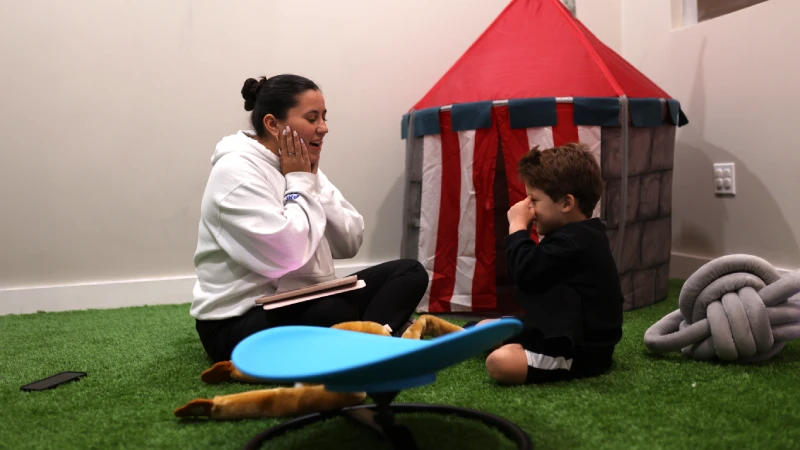
Parent learning how to prepare for an IEP meeting for a child with autism in Florida with Koala ABA.

Obsessive Compulsive Disorder and Autism Spectrum Disorder share certain characteristics that have traditionally caused a lot of confusion. Moreover, among parents seeking answers for their children’s behavior, these uncertainties can be even greater. Therefore, distinguishing between obsessive compulsive disorder vs autism can be challenging without an accurate diagnosis.

However, each of these disorders has unique traits in terms of symptoms and treatment. To help you understand the relationship between obsessive compulsive disorder vs autism, especially in the context of autistic children, this article will address their differences, diagnostic particulars, and the therapeutic options available in each case.

If you have ever wondered how to distinguish them or what the appropriate approach for your child’s treatment is, keep reading: here you will find the answers you need.

What is Obsessive Compulsive Disorder (OCD)?

Obsessive-Compulsive Disorder (OCD) is a condition characterized by intrusive thoughts known as obsessions, which generate anxiety and lead the person to engage in repetitive behaviors, known as compulsions. These obsessions are generally intrusive, unwanted images or impulses that can often be disturbing.

Although some of these behaviors may seem normal, in severe cases they can affect the daily life of those who experience them. Additionally, these effects are more noticeable in childhood, as children have less control over these compulsive repetitions. In this section, we will explore the OCD symptoms and how to establish a clear distinction between obsessive compulsive disorder vs autism.

What is Obsessive-Compulsive Disorder (OCD)?

  • Definition: It is an anxiety disorder characterized by recurrent thoughts and repetitive actions.
  • Main Symptoms: Intrusive thoughts, the need to repeat actions, and hoarding unnecessary objects.
  • Impact on Daily Life: It can limit concentration, socialization, and work or academic performance.
  • Causes and Risk Factors: It may result from a combination of genetic, neurobiological, and environmental factors.
  • Diagnosis: Requires a psychological or psychiatric evaluation based on symptoms and impact.
  • Treatments: Include cognitive-behavioral therapy, exposure and response prevention (ERP), and pharmacological treatment.

What is Autism Spectrum Disorder (ASD)?

Obsessive Compulsive Disorder vs Autism: Key Signs and Differences.

Autism Spectrum Disorder (ASD) is a neurodevelopmental condition that affects communication, social interaction, and behavior. It also involves significant difficulty in understanding social cues and interpreting non-verbal communication. ASD manifests in various ways and with different levels of intensity, making each case unique.

Over the years, there has been greater recognition of ASD, which has improved diagnostic criteria and therapeutic approaches. In this section, we will analyze what ASD is, its most common symptoms, and some intervention strategies that can enhance the quality of life for those affected, from the perspective of obsessive compulsive disorder vs autism.

What is Autism Spectrum Disorder (ASD)?

  • Definition: It is a neurodevelopmental disorder that affects communication, socialization, and certain behavioral patterns.
  • Clinical Manifestations: Difficulties in social interaction, special interests, and communication disruptions.
  • Variability on the Spectrum: There is no single autism profile; it varies from severe difficulties to the development of certain skills.
  • Causes and Risk Factors: A combination of genetic and environmental factors influencing its development is studied.
  • Diagnosis: It is conducted through specific tests to assess cognitive development and social interaction.
  • Treatment and Support: This includes behavioral therapy, personalized educational programs, and specialized medical interventions.

What are the similarities between OCD and Autism? 

Obsessive Compulsive Disorder vs Autism: Key Signs and Differences.

At some point in the diagnosis, Obsessive Compulsive Disorder and Autism Spectrum Disorder may seem like completely distinct conditions. However, we have already mentioned that they often share several traits that can lead to confusion. Both disorders involve, for example, difficulties in adapting to change and cognitive processing.

It is important to note that while OCD and ASD are distinct conditions, they can coexist, making diagnosis and treatment even more complex. Therefore, understanding these similarities not only helps differentiate between the two disorders but also facilitates the search for appropriate and differentiated treatment strategies.

In this section, we will analyze aspects of the comparison between obsessive compulsive disorder vs autism that generate doubts when making an accurate diagnosis:

  • Repetitive behaviors: In both cases, individuals may exhibit repetitive actions such as words or gestures.
  • Cognitive rigidity: Both in OCD and autism, difficulty adapting to new situations is common.
  • Focus on specific details: People with OCD and ASD often excessively focus on certain details or patterns.
  • Sensory sensitivity: They may involve sensory hypersensitivity, such as intolerance to certain textures, sounds, or lights.
  • Difficulties in socialization: Both disorders can affect interaction with others and social difficulties.
  • Need for control: In both cases, there may be a strong need to maintain control over their environment.

How do treatments for OCD and Autism differ? 

Obsessive Compulsive Disorder vs Autism: Key Signs and Differences.

Clearly, Obsessive Compulsive Disorder and Autism Spectrum Disorder require distinct therapeutic approaches due to their profound differences. Moreover, you should know an important fact: research suggests that there is significant coexistence between OCD and ASD. In fact, according to some studies, this can be around 17% of cases.

Furthermore, these studies have shown that autistic people are more likely to develop OCD and vice versa. Therefore, understanding how treatments vary is vital for finding solutions tailored to each condition. In this section, we select the most commonly used therapies in each case, always from the perspective of obsessive compulsive disorder vs autism:

How do treatments for OCD and Autism differ?

Therapeutic Approach: 

  • OCD is primarily treated with cognitive-behavioral therapy, modifying obsessive behavior patterns.
  • Autism requires personalized approaches such as ABA Therapy to improve socialization and communication.

Medication Use: 

  • For OCD, selective inhibitors may be prescribed to reduce anxiety and compulsive symptoms.
  • In autism, there is no specific medication, but drugs can be used to treat symptoms.

Routine Interventions: 

  • In OCD, the goal is to modify compulsive patterns and reduce the need for control.
  • In autism, structured routines are established to help improve adaptation and emotional regulation.

Treatment Goal: 

  • In OCD, the focus is on reducing obsessive thoughts to improve quality of life.
  • In autism, the focus is on optimizing social skills, communication, and autonomy.

Frequently Asked Questions about Obsessive-Compulsive Disorder vs Autism.

How can I tell if my child has OCD or autism? 

OCD is characterized by obsessions that cause anxiety, while autism usually involves difficulties in social communication and rigid patterns of behavior.

Can a person have OCD and autism at the same time? 

Yes, it is possible. Various studies indicate that up to 17% of people with autism also exhibit symptoms of OCD.

What type of therapy is most effective for childhood OCD? 

Cognitive Behavioral Therapy (CBT), especially the Exposure and Response Prevention (ERP) technique.

What therapies are recommended for children with autism? 

The most effective treatment is Applied Behavior Analysis (ABA), combined with speech therapy, occupational therapy, and structured educational programs.

How is OCD and autism diagnosed in children? 

The diagnosis of OCD is based on clinical observation of obsessions and compulsions. For autism, specific developmental assessments and social interaction evaluations are used.

Obsessive Compulsive Disorder vs Autism: Accurate Diagnosis at Koala ABA & Learning Centers. 

At Koala ABA & Learning Centers, we understand that Obsessive Compulsive Disorder and Autism share certain characteristics, but it is essential to recognize that they are distinct conditions with unique treatments. Therefore, identifying the differences between obsessive compulsive disorder vs autism is vital to providing each child with the appropriate support.

At Koala ABA & Learning Centers, we recognize the great importance of an accurate early Autism Evaluation. Our multidisciplinary team conducts personalized assessments, considering each child’s context. Certainly, an early diagnosis not only opens the door to effective interventions such as:

It also provides families with the guidance and resources necessary to effectively navigate their children’s educational process.

Contact us today! Take the first step towards a promising future for your child. At Koala ABA & Learning Centers, we are here to help you build that path together.

Music Therapy for Autism: Boosting Social Skills Through Sound.

Music Therapy for Autism: Boosting Social Skills Through Sound.

Music has extraordinary power: it can evoke emotions, awaken memories, and foster communication where words fail. For children with Autism Spectrum Disorder (ASD), whose interaction with the world is different, music therapy for autism has become an invaluable tool for improving social connection and cognitive development.

Through rhythm and melody, music therapy provides a space where children can explore new forms of communication without the pressure of verbal language. Additionally, sound can stimulate areas of the brain related to social interaction and emotional regulation, helping them feel more connected to those around them.

Therefore, in this article, we will explore what music therapy is, its main benefits, and the most commonly used techniques today. So, if you’ve ever wondered if music has power, you will find the answer here.

What is Music Therapy and How Does It Work?

Music Therapy for Autism: Boosting Social Skills Through Sound.

Yes: music can connect and transform lives. In the case of children with autism, music therapy helps improve communication and the development of social skills. Thus, through sounds, music therapy for autism facilitates their ability to interact in different ways without relying solely on verbal language.

Scientifically, this therapy is based on stimulating areas of the brain related to perception and emotions, helping children with autism develop their communicative skills. Furthermore, music therapy is tailored to their individual needs, employing musical strategies that facilitate communication and learning.

In this regard, some of the main principles of music therapy are:

  • Brain Stimulation: Music activates multiple areas of the brain, promoting cognitive development.
  • Emotional Expression Without Barriers: Music provides an alternative channel for expressing feelings and emotional states.
  • Improved Communication and Social Interaction: Children learn to respond to auditory stimuli and interact with their peers.
  • Personalized Techniques: It employs methods adapted to their needs to generate emotional and cognitive responses.
  • Promotes Emotional Regulation and Behavior: Music can reduce anxiety and episodes of repetitive behavior.

Key Benefits of Music Therapy for Children with Autism.

Music Therapy for Autism: Boosting Social Skills Through Sound.

Evidently, by integrating sounds and rhythms within a therapeutic environment, children can unlock new ways to relate to their surroundings. In this way, therapists use music as a complementary therapy in early intervention for autistic children, seeking positive responses through recreational treatment.

Of course, music therapy for autism aims to improve challenging behaviors and relax the child in various settings. To give you a better perspective, we will explore the most important benefits of music therapy sessions and how they can positively impact the lives of our little ones:

  1. Improves Communication and Language: Many autistic children respond better to music than to spoken language.
  2. Strengthens Social Skills: Participating in group musical activities teaches them to share and cooperate with others.
  3. Reduces Anxiety and Stress: Musical experiences can be an excellent tool for managing crisis episodes.
  4. Stimulates Cognitive Development and Concentration: The rhythmic structure of music reinforces memory and attention.
  5. Promotes motor skills and coordination: Activities like dancing or following rhythmic patterns help improve body control.
  6. Increases self-esteem and confidence: It allows children to experience personal achievements, such as learning a new song.

6 common techniques used in music therapy for autism.

Music Therapy for Autism: Boosting Social Skills Through Sound.

You should know that musical sensitivity in children with autism is particularly developed. For this reason, through various musical techniques adapted to their individual needs, the therapist seeks to captivate the child with musical elements, which can even be a creative game related to musical perception.

Additionally, these techniques allow children with autism to develop essential motor and social skills in their development, promoting their inclusion and overall well-being. Therefore, below we present some of the most commonly used techniques in music therapy and how they can positively impact the lives of children with autism:

  • Nordoff-Robbins Method: This therapy allows children to participate in creating sounds without the need for verbal language.
  • Singing and vocalization: The use of singing helps improve articulation, language comprehension, and verbal communication.
  • Rhythmic games and musical instruments: Playing instruments like drums enables children to develop motor coordination.
  • Active listening and appropriate music selection: Choosing relaxing music can influence their emotional state and help regulate anxiety.
  • Guided improvisation: Therapists use musical improvisation to help children develop their creativity.
  • Movement and body expression: The connection between music and the body can strengthen spatial awareness and social interaction.

So, does music therapy really work for autism? 

Indeed: numerous studies have analyzed its effectiveness, and although results may vary for each child, evidence suggests that music therapy is a powerful tool for improving the quality of life for those with autism spectrum disorders.

Next, we will analyze solid arguments that support the effectiveness of music-based therapy:

  • Scientific backing and clinical studies: Music stimulates areas of the brain related to communication.
  • Facilitates non-verbal communication: Music provides an alternative form of communication and bodily expression.
  • Reduces anxiety and improves emotional regulation: The calming effect of music helps reduce sensory overloads.
  • Reinforces social skills and interaction: Music therapy allows children to participate in collaborative activities.
  • Encourages creativity and confidence: Musical improvisation offers children the opportunity to express themselves freely.

How to find a certified music therapist for autism? 

Music Therapy for Autism: Boosting Social Skills Through Sound.

We already know that music is an alternative form of expression that can manifest through songs, melodies, or playing an instrument. However, for the impact of music therapy to be truly positive, it is essential to have a certified therapist with experience in treating individuals with autism.

On the other hand, finding the right professional requires evaluating their training, certifications, and methodology, as well as ensuring that their approach aligns with the specific needs of the child. Now, to help you in your search, here are fundamental aspects to consider when choosing the ideal music therapist for you:

  1. Verify their certifications and training: Make sure that the therapist has official certifications in music therapy.
  2. Look for specific experience in autism: Not all music therapists specialize in treating children with autism.
  3. Check recommendations and reviews: Reviewing opinions from other parents and professionals can help you determine the quality of the therapist.
  4. Evaluate their methodology: It is important that their approach adapts to your child’s needs.
  5. Ensure they provide a safe and stimulating environment: The therapy space should be free from distractions and have a relaxing atmosphere.
  6. Consult options at specialized centers and associations: Organizations dedicated to autism often have lists of certified therapists and specialized centers.

Koala ABA & Learning Centers: Helping to Grow With Music.

At Koala ABA & Learning Centers, our early intervention behavioral therapy program focuses on improving communication and enhancing the social skills of young children. Our ABA intervention is carried out through play-based learning, music, and other functional activities.

In this way, young children progress with individualized goals, such as following instructions, responding to their name, and interacting with peers, through specialized services designed specifically for them, including:

Additionally, an appropriate sensory diet helps children achieve optimal states of arousal. Through play and music, we also address hypersensitivity to sounds, touch, and smells. Thus, music therapy offers a unique, engaging, and scientifically supported pathway for the growth of children with autism.

Whether learning to communicate through rhythm or expressing joy through melody, music helps unlock their full potential. Explore our therapy services today to see how your child could benefit from a personalized approach based on ABA and music!

What Is a Learning Disability? Types, Symptoms, and How to Get Effective Help.

Unlock your child’s potential with in-home ABA therapy in Panama City, FL through Koala ABA’s early intervention programs.

Learning disabilities affect the way a person processes, understands, and expresses information. And although a learning disability is often associated with academic struggles, its impact also extends to everyday life and social relationships. Therefore, identifying and understanding them is the first step toward providing proper support for those affected.

Based on this idea, in this article, we will explore what learning disabilities are, the most common types, and the symptoms that can alert parents, teachers, and professionals. We will also discuss diagnostic methods and available treatments, aiming to facilitate inclusion and development for those facing these challenges.

What Are the Most Common Types of Learning Disabilities?

What Is a Learning Disability? Types, Symptoms, and How to Get Help.

A learning disability is a neurological disorder that affect how the brain receives, processes, stores, and responds to information. However, they are not related to a person’s intelligence, but rather to very specific difficulties in areas like reading, writing, math, or communication.

Therefore, becoming familiar with these disabilities is essential for offering or receiving effective treatments that help individuals reach their full potential and overcome obstacles. Below, we explore the most common types of learning disabilities, their characteristics, and how they can impact daily life:

Dyslexia:

  • Difficulty recognizing written words, reading fluently, and understanding texts.
  • Dyslexia can affect writing and spelling in early childhood.
  • Managed with multisensory reading strategies and personalized support.

Nonverbal Learning Disability (NVLD):

  • Trouble interpreting facial expressions, body language, and social cues.
  • Difficulties with motor coordination and spatial organization.
  • Treated with occupational therapy and social skills training.

Auditory Processing Disorder (APD):

  • Difficulty processing and understanding sounds in noisy environments.
  • Not related to hearing ability, but to how the brain processes spoken language.
  • Managed with speech therapy and auditory discrimination techniques.

Dyscalculia:

  • Problems understanding math concepts, performing calculations, and recognizing numerical patterns.
  • Difficulty managing time and organizing numerical information.
  • Adaptive teaching methods and visual tools are used.

Dysgraphia:

  • Affects handwriting and fine motor coordination.
  • Difficulty forming letters correctly and organizing written texts.
  • Treated with assisted writing strategies and occupational therapy.

What Are the Signs and Symptoms to Watch For?

What Is a Learning Disability? Types, Symptoms, and How to Get Help.

Certainly, a learning disability can present in many different ways, making it crucial to watch for early signs to provide timely support. It’s also important to note that while Autism Spectrum Disorder (ASD) is not a learning disability itself, individuals with ASD can also be affected by them.

From reading and writing problems to difficulties with language comprehension or math reasoning, a learning disability can interfere with the academic performance, socialization, and daily life of autistic children. Recognizing these symptoms early is key to implementing effective diagnostic and treatment strategies.

Here are the main symptoms of a learning disability:

  1. Difficulties with reading and writing: Trouble reading fluently, understanding texts, and messy handwriting.
  2. Language and communication problems: Difficulty following conversations and expressing ideas clearly.
  3. Math skills complications: Trouble understanding number concepts and solving calculations.
  4. Memory and attention issues: Forgetting newly learned information easily, trouble following instructions.
  5. Organizational and logical reasoning difficulties: Trouble planning activities or solving everyday tasks.
  6. Social and emotional skill problems: Difficulty interpreting body language and forming interpersonal relationships.

What Is a Nonverbal Learning Disability?

What Is a Learning Disability? Types, Symptoms, and How to Get Help.

At this point, when we talk about types of learning, we often think about reading or math difficulties. However, there is a lesser-known but equally complex type of learning disability: Nonverbal Learning Disability (NVLD). These disabilities affect the ability to interpret and process visual, spatial, and social information.

This clearly impacts nonverbal communication and motor coordination skills. Although individuals with NVLD may have strong verbal language abilities, they often struggle significantly with social interactions and visual pattern recognition. Below are its main characteristics:

  • Difficulty interpreting facial expressions and body language.
  • Deficits in motor coordination and spatial skills.
  • Problems organizing and planning tasks.
  • Challenges with math comprehension and logical reasoning.
  • Impact on social skills and interpersonal relationships.

How Are Learning Disabilities Diagnosed?

What Is a Learning Disability? Types, Symptoms, and How to Get Help.

Diagnosing a learning disability is the most important step in identifying and addressing the challenges individuals face in their educational development. However, it’s not always easy to detect, as symptoms can vary widely and are sometimes mistaken for temporary difficulties or lack of attention.

An accurate evaluation allows for the design of personalized support strategies to help individuals overcome barriers in reading, writing, or math. This process involves certified specialists and specific tests to determine the best way to provide support.

Here are the most common methods used to diagnose a learning disability:

  1. Observation and early detection: Learning difficulties are often noticeable at an early age, such as problems with reading or writing.
  2. Educational and academic assessments: Evaluation of the child’s school performance compared to educational standards.
  3. Psychological and neurocognitive testing: Psychologists or cognitive development specialists identify information-processing patterns.
  4. Language and communication assessments: Tests of auditory comprehension, oral expression, and verbal fluency.
  5. Environmental and emotional analysis: Evaluation of factors such as anxiety, self-esteem, and social adjustment.
  6. Multidisciplinary intervention: Teachers, educational psychologists, neurologists, and specialized therapists collaborate to create a personalized educational plan.

How Are Learning Disabilities Treated?

What Is a Learning Disability? Types, Symptoms, and How to Get Help.

Most experts agree that early intervention is the best strategy for treating specific learning disorders. With the right approach, it’s possible to overcome these challenges and implement effective strategies to improve comprehension, communication, and academic performance.

It’s important to know that the treatment for these disabilities is not a one-size-fits-all solution. It combines educational approaches, specialized therapies, and assistive technologies. Consulting a developmental and behavioral specialist is essential to identify key areas for intervention.

Below are the main strategies used to treat a learning disability:

  1. Personalized educational intervention:

  • Adapting teaching methods to the student’s specific needs.
  • Using multisensory strategies to improve understanding and information retention.
  1. Speech and communication therapy:

  • Specialized programs to improve reading, writing, and oral expression skills.
  • Support with pronunciation, language structure, and verbal comprehension.
  1. Use of technology and digital tools:

  • Adaptive learning apps to strengthen academic skills.
  • Assisted reading and voice recognition software to support learning.
  1. Psychological and emotional support:

  • Techniques to boost self-esteem, mental health conditions, and learning confidence.
  • Guidance to manage frustration and build resilience skills.
  1. Adaptive teaching methods:

  • Alternative approaches such as visual, auditory, and kinesthetic learning.
  • Strategies to improve organization and information processing.
  1. Multidisciplinary collaboration and family support:

Frequently Asked Questions about a Learning Disability.

  1. What is a learning disability?

It is a neurological disorder that affects how a person processes, understands, and communicates information. It is not related to intelligence.

  1. What are the most common types of learning disabilities?

The most frequent include dyslexia, dyscalculia, dysgraphia, auditory processing disorder, and nonverbal learning disability (NVLD).

  1. How can I tell if my child has a learning disability?

Warning signs may include persistent difficulties with reading, writing, following instructions, solving math problems, or interacting with peers.

  1. How is a learning disability diagnosed?

Diagnosis involves academic, psychological, language, and neurocognitive evaluations, combined with expert observation and environmental assessment.

  1. What is the most effective treatment for a learning disability?

The most effective treatment is personalized and holistic, combining educational interventions, speech therapy, and adaptive technology

Koala ABA & Learning Centers: Turning Disabilities into Opportunities.

At Koala ABA & Learning Centers, we understand that facing a learning disability can be a challenge—but also an opportunity to discover new ways to grow and learn. That’s why we offer individualized support plans, practical strategies, and structured environments that help every child reach their full potential.

Our team of highly trained professionals uses evidence-based behavior modification techniques to promote meaningful learning tailored to each student’s unique needs. At Koala ABA & Learning Centers, we firmly believe that every child deserves the right tools to achieve academic and personal success.

Are you ready to take the first step toward a brighter future?

Contact us today and discover how we can help transform your child’s life through a personalized, compassionate, and effective approach.

What is ABA Therapy? Understand Its Importance, Benefits, and How It Works.

What Is a Learning Disability? Types, Symptoms, and How to Get Help.

ABA Therapy, or Applied Behavior Analysis, has become an essential pillar in the treatment of childhood autism. This methodology, grounded in scientific principles, aims to improve children’s social and communication skills by personalizing strategies to fit each individual’s specific needs.

Moreover, its importance also lies in its structured and measurable approach, which allows specialists and families to observe concrete progress over time. In this way, ABA therapy represents a tangible hope and the possibility of building a future full of opportunities for individuals facing unique challenges.

In this article, we highlight why it is so crucial to learn more about this therapy, based on one premise: childhood autism may pose complex questions, but ABA offers clear and practical answers.

Why Is Applied Behavior Analysis Important?

What is ABA Therapy? Understand Its Importance, Benefits, and How It Works.

Applied Behavior Analysis (ABA) is a methodology that has transformed many lives, especially those of children with autism. This approach, based on the study of behavior, allows for the identification of patterns and the development of strategies to foster essential skills and reduce challenging behaviors.

Its importance lies not only in its results but also in the fact that ABA Therapy is based on operant conditioning, aiming to change socially significant behaviors. Thus, ABA stands out as one of the most effective therapies to support child development. Below, we summarize the most important details of this therapy:

  • Evidence-Based: ABA is grounded in scientifically proven principles of human behavior.
  • Personalized Results: It allows for adapting strategies to each individual’s unique needs.
  • Fosters Key Skills: Helps develop academic, communication, and social skills.
  • Reduction of Challenging Behaviors: Focuses on identifying and managing behaviors that interfere with development.
  • Wide Applicability: It can be implemented in different settings, such as schools, homes, and communities.
  • Improves Quality of Life: Benefits not only the individual but also their family environment, promoting more positive interactions.

How Does ABA Therapy Work?

What is ABA Therapy? Understand Its Importance, Benefits, and How It Works.

What sets ABA apart from other therapies is mainly its structured, personalized, and results-driven approach. It not only works with the child but also involves parents and caregivers. ABA therapy differs from behavior modification in that it brings about changes by first evaluating the relationship between the behavior and the environment.

The ultimate goal of these therapy sessions is to foster the child’s independence through learning and the development of new skills, resulting in an increase in positive behaviors and a reduction of problem behaviors. So, how does ABA therapy work? Here’s a breakdown:

  1. Initial Assessment: A detailed evaluation is conducted to identify the child’s needs, strengths, and areas for improvement.
  2. Design of Personalized Programs: Specific plans are developed to teach social and communication skills.
  3. Positive Reinforcement: Rewards are used to encourage desired behaviors and motivate the child to repeat them.
  4. Reduction of Undesirable Behaviors: By identifying the causes of such behaviors, strategies are implemented to gradually decrease them.
  5. Constant Monitoring: Therapists collect data regularly to measure progress and adjust the program.
  6. Family Involvement: Parents and caregivers are an essential part of the process.
  7. Repetitive Practice: Sessions are structured and repetitive to ensure consistent learning of skills.

What Are the Benefits of ABA Therapy?

What is ABA Therapy? Understand Its Importance, Benefits, and How It Works.

Thanks to its structured and measurable approach, ABA therapy has become an indispensable tool for promoting individual development and facilitating social integration. This therapeutic approach fosters essential skills while improving the quality of life for both children and their families.

There is a common misconception that ABA therapy is used only in autism treatment plans. However, it can also benefit individuals with ADHD, obsessive-compulsive disorder, and other developmental disabilities. Here are the most tangible benefits of ABA Therapy:

  • Improvement of Social Skills: Helps children develop positive interactions by encouraging communication.
  • Strengthening of Communication: Teaches techniques to improve both verbal and nonverbal communication in people with autism.
  • Development of Academic Skills: Facilitates the learning of basic concepts in reading, writing, and mathematics.
  • Increased Autonomy: Helps children acquire skills to navigate daily life independently.
  • Comprehensive Family Support: Parents and caregivers learn useful strategies to apply at home.
  • Measurable Results: Progress is monitored regularly, providing clear data on achievements.

How Long Does It Take for ABA Therapy to Work?

What is ABA Therapy? Understand Its Importance, Benefits, and How It Works.

One of the most frequently asked questions is how long it takes for ABA Therapy to “work.” You should know that this time frame varies depending on the child’s individual characteristics and the intensity of the program. However, it’s important to understand that children, adolescents, and even adults with ASD can greatly benefit from ABA.

ABA therapy produces undeniable results by targeting behavior modification while improving attention, play, communication, motor, and social skills. Therefore, understanding the factors that influence its effectiveness is key to managing expectations and maximizing benefits:

  1. Individual Variation: Each child responds differently to therapy depending on their age, developmental level, and specific needs.
  2. Program Intensity: More intensive behavior therapy programs tend to produce quicker results.
  3. Family Commitment: Active participation by parents outside of sessions significantly accelerates the child’s progress.
  4. Specific Goals: The time needed to achieve results depends on the initially set goals.
  5. External Factors: Session consistency, ABA therapist quality, and the environment where therapy is applied are important factors.

In summary, ABA therapy does not have a fixed timeline to “work.” However, its personalized approach ensures sustainable progress over time.

How to Get Started with ABA Therapy?

What is ABA Therapy? Understand Its Importance, Benefits, and How It Works.

Starting ABA therapy can seem daunting at first, but with the right guidance, it’s a fairly clear and accessible process. The key is to understand the necessary steps to get started correctly and find the right resources to ensure success.

Although early intervention leads to more significant results, there is no specific age after which ABA therapy stops being effective. Nevertheless, early intervention undeniably makes a major difference in long-term outcomes. So, how do you begin ABA therapy? Here’s a detailed guide:

  1. Professional Assessment: An ABA specialist should conduct an initial evaluation to determine the child’s specific needs.
  2. Find a Qualified Therapist: Look for certified therapists (BCBA or BCaBA) with experience in delivering ABA services.
  3. Choose a Personalized Program: Make sure the plan is tailored to the child’s individual needs.
  4. Family Commitment: Parents and caregivers must be willing to actively participate in the process.
  5. Set Realistic Goals: Define short- and long-term objectives, understanding that results require time and consistency.
  6. Organize Sessions: Determine the frequency and duration of therapy sessions to maximize benefits.
  7. Continuous Monitoring: Regularly review and adjust the program based on the child’s progress, using collected session data.
  8. Seek Additional Support: Join support groups and specialized communities to share experiences and receive guidance.

ABA Therapy at Koala ABA & Learning Centers.

At Koala ABA & Learning Centers, our certified therapists delve deep into the intricacies of ABA Therapy, from fundamental techniques to its seamless integration into educational settings. We address common challenges with innovative strategies, fostering a supportive environment that nurtures growth and independence.

Whether you are a parent, caregiver, or educator, at Koala ABA & Learning Centers, we offer valuable resources and insights on how to leverage ABA Therapy for positive behavioral outcomes in children with autism. We focus on three key methods to ensure therapy success:

  • Discrete Trial Training (DTT)
  • Natural Environment Teaching (NET)
  • Task Analysis and Chaining

Contact us today! Discover how we can unlock the full potential of ABA Therapy and embark on a journey of skill development, empowerment, and lifelong learning for our children.


Occupational Therapy for Children with Autism: Best Games to Boost Development

Physical Play: Movement-based activities like sports or obstacle courses help reduce stress, while also encouraging teamwork and cooperation in group settings.

Occupational therapy is an essential tool to help children with autism develop key skills for their daily lives. In this way, and through play as a natural and enjoyable activity, occupational therapists create stimulating environments that promote learning, communication, and independence in children.

Participation in occupational therapy for children with autism is crucial for acquiring and strengthening life skills. Therefore, alongside play, it is fundamental for fostering their overall development. The good news is that social and self-care scores improved by 94.1% between the pre-test and five sessions of occupational therapy.

For this reason, in this article, we will explore how play becomes a powerful strategy within occupational therapy for children with autism, allowing them to strengthen their social skills while enjoying every moment. Let’s discover how this unique combination can make a difference in their development.

What is the connection between play and occupational therapy for children with autism?

occupational therapy for children with autism

Occupational therapy for children with autism has undergone a necessary process of development to appropriate its main goal: engaging its patients in meaningful occupations. Similarly, play, as a natural activity in childhood, becomes a fundamental tool within occupational therapy for children with autism.

This approach allows therapists to work on the comprehensive development of essential skills while the children enjoy activities specifically designed for their needs. So, what is occupational therapy based on play? It is that through play, communication is fostered, motor skills are improved, and independence is promoted.

We can summarize the relationship between occupational therapy for children with autism and play in the following list:

  • Multisensory Development: Play allows the integration of visual, auditory, and tactile stimuli.
  • Strengthening Social Skills: Group play activities teach children to share, wait their turn, and work as a team.
  • Boosting Motor Skills: Physical occupational therapy games stimulate both fine and gross motor skills.
  • Increased Communication: Through play, therapists promote verbal and non-verbal interaction.
  • Fostering Autonomy: Games that simulate everyday tasks help children develop independence in daily activities.
  • Stimulating Creativity: Play activities provide opportunities for creative problem-solving.
  • Reducing Stress and Anxiety: The play environment generates comfort and security.

Are sensory games important in occupational therapy for children with autism?

Play is a key element in child development, and for children with autism, it is also a powerful therapeutic tool. Additionally, within occupational therapy for children with autism, play has become a bridge that facilitates the development of essential skills while promoting enjoyment and active participation from the child.

It may seem complicated at first glance, but the entertainment aspect of play has a therapeutic validity that justifies its use in interventions. Therefore, this connection between play and occupational therapy for children with autism not only fosters interaction with the environment but also drives learning, independence, and emotional well-being.

Thus, we can conclude that sensory games are one of the foundations of occupational therapy for children with autism for the following reasons:

  1. Sensory stimulation through play: Play activities help children with autism better process sensory stimuli.
  2. Strengthening motor skills: Specific games improve coordination and strengthen both fine and gross motor skills.
  3. Development of social skills: Group games or interactive activities teach concepts such as teamwork, sharing, and empathy.
  4. Boosting communication: Through play, verbal and non-verbal expression is encouraged, promoting the exchange of ideas and emotions.
  5. Promotion of autonomy: Games that simulate everyday activities allow children to learn practical skills for daily life.
  6. Encouragement of creative thinking: Occupational therapy games stimulate imagination, helping children find new solutions.
  7. Reduction of stress: Therapeutic play creates a relaxed and safe environment, reducing anxiety and facilitating learning.

What is the importance of interactive games in strengthening social skills?

At this point, interactive games are an invaluable tool for fostering social skills in children, especially those related to communication and interaction with their environment. Therefore, in the context of pediatric occupational therapy, these playful activities allow children to practice skills such as teamwork, taking turns in conversations, and conflict resolution in a safe and enriching environment.

Now, by incorporating game dynamics designed to promote interaction, occupational therapists enable children to express themselves more effectively and gain self-confidence. Additionally, being involved in play is the ultimate goal, which may require different actions depending on the reasons that hinder this effort.

Thus, interactive games can strengthen social skills because:

  • Promotion of verbal and non-verbal communication: Interactive games encourage children to express their ideas, needs, and emotions.
  • Strengthening teamwork: Collaborative activities teach children to cooperate, share tasks, and achieve common goals.
  • Learning turns and patience: Structured games help children respect turns and wait patiently.
  • Fostering empathy: Games that simulate everyday social situations allow children to learn to put themselves in others’ shoes.
  • Conflict resolution: In play, children face challenges that teach them to negotiate and seek appropriate solutions to disagreements.
  • Building confidence: By interacting with others in play, children develop self-esteem and confidence.
  • Development of social bonds: Interactive games strengthen peer relationships, promoting a sense of community.

Is it possible to develop motor skills through playful activities?

Occupational Therapy for Children with Autism

We already know that the development of motor skills is essential in childhood, and playful activities represent one of the most effective and enjoyable ways to achieve this. Of course, for children with special needs, such as those with autism, play becomes a key therapeutic tool within occupational therapy for children with autism.

Therefore, through adapted dynamics, children can improve their coordination, strength, and dexterity while actively participating in environments designed for their growth. In this way, we can work with them by restoring skills, adapting materials, and modifying their play and learning environments.

The importance of developing motor skills through play can be summarized as follows:

  1. Improvement of fine and gross motor coordination.
  2. Promotion of mobility and balance.
  3. Stimulation of motor planning.
  4. Muscle strengthening.
  5. Encouragement of creativity in movement.
  6. Promotion of independence.
  7. Reduction of anxiety in complex movements.

The Role of Occupational Therapists in Designing Therapeutic Games.

occupational therapy for children with autism

Naturally, occupational therapists play a fundamental role in developing therapeutic games that are tailored to the individual needs of children with autism. Through observation and creativity, these professionals design playful activities aimed at strengthening fundamental skills for their development.

Thus, the design of therapeutic games becomes a powerful tool for promoting learning and development in a safe and stimulating environment, making a difference in the lives of children. Furthermore, play has an implicit goal for us as occupational therapists, which is to facilitate or support engagement in meaningful occupations.

In this way, the role of therapists in designing therapeutic games consists of:

  • Personalized assessment: They analyze the individual needs of each child to design games that address specific areas of development.
  • Promotion of therapeutic goals: The created games enhance coordination, foster communication, and strengthen social skills.
  • Adaptation of games to different ages and abilities: They adjust activities to ensure they are inclusive and accessible for each child.
  • Use of play to improve sensory regulation: The designed games help children manage sensory stimuli.
  • Incorporation of creativity and innovation: They combine traditional and modern elements to create engaging and dynamic games.
  • Facilitation of progressive learning: The games are structured to gradually increase levels of challenge.
  • Collaboration with families: Therapists work together with parents to implement therapeutic games at home.

Frequently Asked Questions about Occupational Therapy for Children with Autism.

  1. What is occupational therapy for children with autism?

Occupational therapy is a professional intervention that helps children with autism develop necessary skills for daily life, such as motor skills, communication, self-care, and social interaction.

  1. Why is play so important in occupational therapy for children with autism?

Play is a key therapeutic tool because it naturally motivates the child, allowing them to develop cognitive, motor, and social skills in a safe, stimulating, and fun environment.

  1. What benefits do sensory games offer to children with autism?

Sensory games help children better process environmental stimuli, improve their emotional self-regulation, promote motor development, and enhance communication and learning.

  1. How do interactive games help improve social skills?

Interactive games teach children to communicate, collaborate, respect turns, resolve conflicts, and build social bonds—essential skills for their social integration.

  1. What role does the occupational therapist play in designing play activities?

The occupational therapist personalizes playful activities to adapt them to the individual needs of the child, ensuring that each game has a clear therapeutic goal that promotes their development.

The Occupational Therapy Program at Koala ABA  Learning Centers.

At Koala ABA & Learning Centers, our comprehensive Occupational Therapy program is designed to meet the unique needs of each child. By focusing on the development of gross motor skills, fine motor activities, and improving handwriting, we create a supportive environment for children to thrive.

Our experienced occupational therapy team begins the therapeutic journey by conducting thorough assessments. These assessments identify any obstacles that may prevent the individual from performing typical daily activities. Thus, we evaluate several crucial areas, including:

  • How the child learns.
  • How the child plays.
  • How the child takes care of themselves.
  • How the child interacts with their environment.

At Koala ABA & Learning Centers, through fun and engaging activities, we address fine motor skills such as handwriting, scissor cutting, and other dexterities. Therefore, sensory and motor activities also focus on gross motor milestones, such as balance, coordination, and grade-level physical activities.

Whatever challenges arise, our occupational therapists support independence. Contact us today! Discover how our children learn to engage fully in school, home, and play.

Autism in Early Childhood Development: Understanding Preschool Special Education

autism in early childhood development

Education and development in early childhood are crucial determinants in the lives of children with autism, as this stage significantly influences the progress of their cognitive, social, emotional, and communicative skills. Autism in early childhood development also requires timely attention based on individualized strategies and supported by an inclusive environment.

This not only strengthens the competencies of autistic children but also fosters their integration into society. Today, thanks to advancements in early intervention, the detection rate is increasingly higher. This has led to a growing involvement of educators in meeting the needs of students through special education.

The prevalence of autism in children under four years old in the United States is over 20 per 1,000 children. Therefore, in this article, we will explore the foundations and best practices to support the early development of these children, highlighting the importance of inclusive, effective, and quality education.

What impact does education have on children with ASD?: Autism in early childhood development.

Autism in Early Childhood Development

Early childhood education has a profound impact on children with autism in early childhood development, as it is a crucial stage where the brain is highly receptive to stimuli. Furthermore, during these early years, solid foundations can be established for social, cognitive, and emotional skills, facilitating their integration into various environments.

It is important for young children to promote play and learning, accompanied by rewards. On the other hand, during primary education, interventions will focus on greater integration into the environment, the classroom group, better adherence to social norms, and improvement in learning or communication disabilities that may be present.

The importance of early development in autistic children can be summarized as follows:

  1. Critical stage of brain development: This stage allows for faster and more effective learning with appropriate interventions for autism in early childhood development.
  2. Establishment of social skills: These help children with autism develop social skills, which are fundamental for their future integration.
  3. Promotion of communication: Whether verbal or non-verbal, it has a significant impact on their ability to express themselves and understand others.
  4. Emotional and behavioral support: These early strategies help manage challenging behaviors and develop emotional regulation.
  5. Preparation for formal education: It facilitates the transition to more structured school and educational environments.
  6. Reduction of future challenges: It decreases developmental delays and other issues related to autism in child development.
  7. Impact on quality of life: It increases opportunities for children to develop a more autonomous and fulfilling life.

How can timely detection make a difference?

Early intervention for children with autism is a fundamental pillar in their development. Detecting and acting promptly on autism in early childhood development not only optimizes their potential but also minimizes challenges that may arise in the future. This approach allows for addressing each child’s specific needs at a critical moment in their neurological development.

Thus, the emphasis on the need for early detection and intervention in autism is centered around neuroplasticity: how relational experiences designed to enhance social attention, communication, and emotional engagement can subsequently modify brain development and functioning.

Next, we will break down for you the key components of the importance of early detection and intervention:

  • Early detection: Through medical and behavioral evaluations, it allows for timely and effective support to be initiated.
  • Personalized assessment: Establishes a solid foundation for an effective intervention plan for autism in early childhood development.
  • Behavioral interventions: ABA-based therapies help improve social, communication, and academic skills.
  • Occupational and speech therapies: Provide support in specific areas such as fine motor skills and communication.
  • Parental involvement: Reinforces strategies learned in therapy at home and engages them in the educational process.
  • Flexibility in approach: Continuously adjusting interventions according to the progress and changing needs of the child with autism in early childhood development.
  • Long-term positive impact: The skills acquired at this stage favor better adaptation to the school, social, and family environment.

7 Educational Strategies Adapted to the Individual Needs of Children with Autism.

Autism in Early Childhood Development

Personalized educational strategies are fundamental to supporting children with autism in early childhood development. Of course, each child is unique, so adapting teaching methods to their individual needs not only enhances their learning experience but also boosts their skills and strengths.

Moreover, combined intervention programs in the classroom focused on improving joint participation between teachers and children are well-founded. At this point, it seems clear that a combination of behavioral components with play environments that promote learning and children’s initiative is particularly recommended.

Therefore, the most effective techniques to ensure an inclusive and personalized education that promotes their well-being are:

  1. Detailed initial assessment: Analyze each child’s abilities, interests, and specific areas for improvement to design a tailored teaching plan.
  2. Use of visual materials: Incorporate charts, images, and diagrams that facilitate understanding and learning of concepts.
  3. Structuring routines: Establish clear schedules and predictable activities that provide security and help manage the anxiety of children with autism in early childhood development.
  4. Multisensory activities: Implement methods that stimulate different senses, such as tactile games, to capture their attention and enhance understanding.
  5. Positive reinforcement: Recognize and reward achievements, even small ones, to motivate and strengthen the confidence of the child with autism in early childhood development.
  6. Focus on specific interests: Use topics or activities that interest the child as a basis for fostering the learning of new skills.
  7. Adaptation of the physical environment: Create a safe, organized learning space designed to reduce distractions and maximize concentration.

What is the importance of active family participation?

Autism in Early Childhood Development

Active participation of parents and caregivers is essential for autism in early childhood development, especially during early childhood. By becoming key allies in the educational and therapeutic process, parents not only strengthen their children’s skills but also create a safe and positive environment for their growth.

Therefore, it is crucial that both families and the educational team have quality information about autism in early childhood development to highlight indicators and warning signs that may allow for referral to other professionals who can diagnose secondary issues as soon as possible if necessary.

It is clear then that the importance of the role of parents and caregivers is determined by strategies such as:

  • Collaboration with professionals: Working together with therapists, educators, and specialists to implement consistent strategies at home and beyond.
  • Emotional support: Providing an affectionate environment that fosters the child’s confidence and security to face the challenges of autism in early childhood development.
  • Active participation in therapies: Attending and participating in therapy sessions to learn techniques that can be applied in daily life.
  • Reinforcement of learning at home: Practicing skills worked on in therapy, such as communication or emotional regulation, within the family environment.
  • Continuous education: Staying informed about autism in early childhood development and best practices to support the child’s development.
  • Promotion of autonomy: Encouraging independence in daily activities, adapting them to the child’s pace.
  • Self-care: Recognizing the importance of the emotional and physical well-being of caregivers to provide the best support for the child.

What does teacher training guarantee in the education of autistic children?

Teacher and professional training is a fundamental piece to ensure appropriate education for children with autism. Logically, by preparing educators and specialists with the necessary tools, knowledge, and skills related to autism in early childhood development, an inclusive learning environment is created that supports the holistic development of children.

Furthermore, to properly address autism in the classroom and achieve good inclusion of students with ASD in class dynamics, it is essential for teachers to respect, value, and understand the needs of these students. It is also desirable for them to engage in the work of the expert team and show flexibility in their pedagogical efforts.

Thus, the importance of professional training offers recommendations to enhance its impact:

  1. Specialized training: Provide specific training programs on autism in early childhood development, including effective educational strategies.
  2. Continuous updating: Ensure that educators and professionals have access to courses and seminars on research and best practices.
  3. Focus on inclusion: Train teachers to foster an inclusive environment that values diversity in autism in early childhood development.
  4. Behavior management techniques: Teach effective strategies to address challenging behaviors and facilitate a positive learning environment.
  5. Use of educational technology: Train professionals in the use of technological tools that support learning.
  6. Interdisciplinary collaboration: Promote joint work among educators, therapists, and families regarding autism in early childhood development.
  7. Awareness and empathy: Foster understanding and empathy towards children with autism in early childhood development, helping to create a safe and motivating educational space.

The Early Childhood Development Program at Koala ABA  Learning Centers.

At Koala ABA & Learning Centers, we understand the critical importance of the early years in a child’s learning and autism in child development. Therefore, our mission is to accelerate their progress through innovative programs that promote school readiness.

Through our Early Childhood Development and Learning Program, we are dedicated to establishing solid preschool systems to optimize early education. By implementing appropriate curricula in Early Childhood Education, along with practical learning activities, we foster cognitive, linguistic, motor, and socio-emotional skills. Additionally, certified teachers deliver engaging classes that align with state standards.

On the other hand, in inclusive Preschool Education classrooms, children play, explore, and exercise creative expression to acquire fundamental knowledge.

Some of the Plans and Programs we offer are:

  • Early Learning Programs: Tailored educational plans help all students, including those who need additional support.
  • Early Intervention Learning: For children with diagnosed special needs, we offer integrated therapies and specially adapted classes.
  • Early Childhood Learning Activities: Our programs incorporate engaging childhood learning activities designed to foster cognitive, social, and emotional growth.

In this way, at Koala ABA & Learning Centers, we believe in the power of early intervention in learning. Contact us today!, and discover how our team of experts uses effective strategies to support children who may need that extra help to reach their full potential.

The Complete ADHD Evaluation Guide: A Path to Successful Treatment

Visual guide illustrating the journey for how to become an RBT, highlighting BACB certification requirements and career support provided by Koala ABA.

Attention Deficit Hyperactivity Disorder (ADHD) is a neurodevelopmental condition that affects millions of people worldwide. Therefore, understanding how the evaluation of ADHD is conducted is essential for timely and effective detection and treatment of this disorder.

Specifically, ADHD affects 11% of school-aged children in the United States. Moreover, its symptoms continue into adulthood in more than three-quarters of cases. For this reason, this article will explore the key aspects of ADHD evaluation, from its symptoms to the diagnostic methods most commonly used by professionals.

What is ADHD and Why is it Important to Evaluate?

ADHD is a neurodevelopmental disorder characterized by difficulties in attention, hyperactivity, or impulsivity. Thus, an appropriate evaluation is crucial for identifying this condition early and distinguishing it from other similar issues, thereby facilitating access to treatments tailored to each individual’s needs.

Of course, children with ADHD can be very successful in their future lives. However, without proper identification and treatment, ADHD can have serious consequences, including academic failure, family stress, depression, and job loss. Therefore, both early identification and treatment are extremely important.

Now, why is the evaluation of ADHD important? Here’s a summary for you:

  1. Accurate Diagnosis: It allows for the identification of whether a person truly has ADD or if their symptoms correspond to another disorder.
  2. Personalized Interventions: It facilitates the creation of treatments and strategies tailored to individual needs.
  3. Prevention of Complications: It helps avoid secondary problems, such as academic, social, or emotional difficulties.
  4. Educational Support: It enables the provision of resources and accommodations in the academic environment to improve the patient’s performance.
  5. Family Awareness: It fosters family understanding of the disorder, promoting more effective support.
  6. Improvement of Well-being: It contributes to affected individuals having a better quality of life and reaching their full potential.

What are the Most Common Symptoms of ADHD in Children?

adhd evaluation

Clearly, almost everyone can have difficulty staying still, paying attention, or controlling impulsive behavior from time to time. For some individuals, however, these problems are so widespread and persistent that they interfere with every aspect of their lives: home, academic work, social interactions, and employment.

Typically, ADHD symptoms emerge in early childhood. However, these symptoms can be difficult to distinguish from typical behavior in children under four years old. Since ADHD significantly affects the behavior of young children, recognizing its symptoms in a timely manner is essential for initiating an evaluation and providing them with appropriate support.

Some key indicators include:

  1. Difficulty Maintaining Attention: Problems concentrating on specific tasks or activities, especially those requiring prolonged mental effort.
  2. Impulsive Behavior: Acting without thinking about the consequences, such as interrupting conversations or having difficulty waiting one’s turn.
  3. Hyperactivity: Constantly moving around, even in situations where stillness is expected, such as at school.
  4. Frequent Distraction: Switching from one activity to another without completing any, showing a lack of focus.
  5. Forgetfulness or Carelessness: Losing important items like school supplies or toys, or easily forgetting instructions.
  6. Difficulties in Social Settings: Problems getting along with peers due to impulsive or hyperactive behaviors.

Methods of ADHD Evaluation: How is the Diagnosis Made?

So far, there is no single test to diagnose ADD on its own, like a ADHD test for children. Therefore, a comprehensive evaluation by ADHD therapists and other specialists is necessary to establish a diagnosis, rule out other causes, and determine the possible presence of coexisting conditions.

Thus, the diagnosis of Attention Deficit Hyperactivity Disorder is a key process that requires precision and expertise from healthcare professionals. Logically, accurately identifying this condition is essential for providing appropriate treatment and improving the quality of life for those affected.

Some of the main methods used for ADHD evaluation and how experts achieve an accurate diagnosis include:

  1. Clinical Interviews: Healthcare professionals talk with the patient and their family members to gather information about their behavior, medical history, and social background.
  2. Questionnaires and Rating Scales: Standardized tools, such as the Conners Rating Scale, help measure the severity of symptoms.
  3. Direct Observation: Specialists analyze the patient’s behavior in different settings, such as home and school.
  4. Psychological Evaluation: This includes attention and memory tests that help identify difficulties related to ADHD.
  5. Detailed Medical Histories: Collecting information about family background and environmental factors is key to understanding the cause of the symptoms.
  6. Differential Diagnosis: Experts rule out other conditions that may cause similar symptoms, such as learning disorders or anxiety.

Differences Between ADHD and Other Similar Disorders.

adhd evaluation

At this point, it is clear that determining whether a child has ADHD is a complex process. Additionally, many biological and psychological issues can contribute to the presence of symptoms similar to those exhibited by children with Autism Spectrum Disorder (ASD). Moreover, anxiety, depression, and certain types of learning disabilities can cause similar symptomatology.

Therefore, ADHD is often confused with other disorders due to the similarity of its symptoms. However, an accurate diagnosis is crucial for providing appropriate treatment and avoiding incorrect interventions.

The key differences between ADHD and other conditions that may present similar characteristics are:

  1. ADHD vs. Anxiety: Anxiety typically involves excessive and constant worries, while ADHD is characterized by difficulties in maintaining attention and controlling impulsivity.
  2. ADHD vs. Learning Disorders: Learning disorders affect specific skills, such as reading or mathematics, but do not necessarily involve impulsivity or hyperactivity.
  3. ADHD vs. Oppositional Defiant Disorder (ODD): While both may include challenging behaviors, ODD usually manifests as a pattern of hostility and defiance towards authority figures, whereas ADD focuses more on attention and self-regulation issues.
  4. ADHD vs. Autism Spectrum Disorder (ASD): Children with ASD may show hyperactivity but also exhibit significant problems in social communication and repetitive behaviors, which are not characteristic of ADD.
  5. ADHD vs. Depression: Depression may include loss of interest and concentration problems but also presents with a persistent low mood, which is not typical of ADHD.
  6. ADHD vs. Bipolar Disorder: Bipolar disorder is characterized by alternating episodes of mania and depression, while ADHD symptoms are more constant and do not depend on fluctuating mood states.

What to Expect After an ADHD Evaluation?

Once the evaluation for Attention Deficit Hyperactivity Disorder is completed, it is natural to wonder what comes next and what the impact of ADHD will be. This process opens the door to treatments and strategies designed to improve the quality of life for those facing this condition.

Most of the treatment research on ADHD has focused on the condition in children and on options that have a strong evidence base for reducing symptoms. Thus, for many, the need for intervention persists in the long term.

Here are some of the steps following the ADHD evaluation and how they can make a difference:

  1. Detailed Diagnosis: You will receive a report that describes the findings, including whether ADD has been confirmed and its possible impact on different areas of life.
  2. Personalized Treatment Plan: Professionals will design a tailored plan that may include behavioral therapy, medications, or educational interventions.
  3. Family Guidance: Support and resources will be provided to help family members understand ADD and how to manage it at home.
  4. Ongoing Follow-Up: Periodic reviews will be essential to assess progress and make adjustments to treatment if necessary.
  5. Access to Educational and Social Resources: Tools such as school accommodations or support programs will be provided to facilitate the patient’s development.
  6. Personal Empowerment: The individual will learn strategies to manage symptoms and improve their emotional and social well-being.

Treatment Options for ADHD: What Approaches Exist?

We have come to understand that Attention Deficit Hyperactivity Disorder is a condition that can be effectively managed through treatments tailored to the needs of each individual. From behavioral therapies to pharmacological interventions, the available approaches can significantly enhance the quality of life for people with ADHD.

Here are the main treatment options and their benefits:

  1. Behavioral Therapy: Helps modify behavior patterns through practical strategies and positive reinforcement, being especially useful for children.
  2. Medications: Include stimulants that help improve attention and reduce hyperactivity and impulsivity.
  3. Educational Interventions: Include personalized plans within the school environment to promote learning and adapt to the specific needs of the student.
  4. Psychotherapy: In adults and adolescents, this can address emotions and develop skills to manage stress and relationships.
  5. Family Support: Programs aimed at guiding parents and caregivers in managing the challenges of ADD at home.
  6. Alternative Therapies: Some families opt for complementary approaches, such as mindfulness techniques or dietary changes, although their effectiveness may vary.

By working closely with healthcare providers and other professionals, treatment should be tailored to the unique needs of each individual and family to help the patient manage symptoms, cope with the disorder, improve overall psychological well-being, and navigate social relationships.

Koala ABA & Learning Centers: Start Your Journey with Us.

Koala ABA & Learning Centers is a top-tier institution committed to conducting comprehensive psychological and educational evaluations for individuals suspected of having Autism Spectrum Disorder (ASD) and other neurodevelopmental conditions. Recognizing the uniqueness of each individual, our evaluations are meticulously crafted to meet their specific needs.

Our Developmental Evaluation is designed for young children who present issues in areas such as communication, language, and social interaction. This evaluation includes:

  • Utilization of reference diagnostic measures for Autism Spectrum Disorder (ASD), such as the ADOS-2 and the ADI-R, to meticulously assess behavioral symptoms related to ASD.
  • Comprehensive developmental testing to evaluate various aspects, including language proficiency, cognitive abilities, daily living skills, and motor skills.
  • Assessment of emotional and behavioral functioning to understand behavior patterns, emotional regulation capabilities, and coping mechanisms.

If you have observed concerning symptoms, want to know what the next step is, or need assistance with your child’s evaluation for effective treatment right now, contact us today. At Koala ABA & Learning Centers, we are always ready to help your child on their journey.

Speech Therapy for Autistic Kids: Why Early Intervention Matters?

Music Therapy for Autism: Boosting Social Skills Through Sound.

Communication is at the heart of human connection, yet many autistic children face challenges in expressing themselves. This has become an increasing concern, especially with recent statistics. According to Medical News Today, about 25-30% of autistic people are minimally verbal or fail to develop functional language. Speech therapy can significantly improve their communication abilities.

Speech therapy serves as a powerful bridge, helping children with Autism Spectrum Disorder (ASD) develop both verbal and non-verbal communication skills. With the right techniques and support, children can gain confidence in their ability to express themselves, fostering stronger connections with their families, peers, and communities.

But how can you tell if your toddler needs speech therapy? In this blog post, we’ll help you identify the early signs of language delays and discuss when it’s time to seek professional help. We’ll also explore different therapy approaches and highlight the benefits of addressing language delays early on.

Language Delays in Autistic Children: Causes and Warning Signs

First, it’s important to distinguish between speech delay and language delay, especially in the context of non-verbal autism.

On one hand, speech delay refers to difficulties in articulating sounds and forming words. A child with a speech delay understands what they want to say but struggles to produce the necessary sounds.

Common signs of speech delay include:

  • Difficulty pronouncing words correctly.
  • Limited vocabulary usage.
  • Omission of difficult sounds or substitution with easier ones.

On the other hand, language delay involves broader difficulties related to understanding and using language in general. It affects both the ability to understand what is being said and the ability to form phrases and sentences.

In this case, some symptoms include:

Common signs of speech delay

  • Difficulty understanding instructions.
  • Problems constructing complex sentences.
  • Incorrect use of verb tenses.
  • Difficulty following conversations.

What Affects Language Development in Autistic Children

Several key factors influence language development in autistic children, including:

  1. Genetics – Genetic predisposition can play a crucial role in language acquisition.
  2. Family Environment – A stimulating and enriched environment can support language growth.
  3. Early Intervention – Access to speech therapy and specialized programs at an early age can significantly improve communication skills.
  4. Cognitive Abilities – A child’s cognitive development level can impact language learning.
  5. Hearing Health – Hearing impairments can affect speech and language acquisition.
  6. Social Skills – Interacting with peers and adults can promote language use.
  7. Therapies and Supports – The quality, consistency, and frequency of therapeutic interventions play a vital role in language progress.

Understanding these factors can help parents, educators, and therapists create effective strategies to support language development in autistic children.

Language and Speech Therapy: When to Seek Professional Help?

When we talk about language therapy, we are referring not only to a specialized intervention aimed at improving communication in children with specific impairments but also to autistic children who have not yet developed this skill.

Therefore, it is essential to seek professional help if you observe that your child with autism shows visible or significant difficulties in language development. Here are some signs and key moments when it may be advisable to consult a specialist:

  • Lack of Babbling: If a child does not begin to babble or make sounds around 12 months.
  • Absence of Words: If by 16 months they have not started saying words.
  • Lack of Two-Word Phrases: If by 24 months they are not spontaneously forming two-word phrases.
  • Regression of Language: If the child has lost linguistic skills they had previously acquired.
  • Difficulty Imitating Sounds: Problems imitating sounds or words.
  • Lack of Response to Verbal Cues: Difficulty understanding and following simple verbal instructions.
  • Non-Verbal Communication Issues: Difficulties using gestures, facial expressions, and eye contact to communicate.

Early Intervention to Improve Speech in Autistic Children

Benefits of Autism Diagnosis: Follow-Up and Support. Early intervention and Speech Therapy

Early intervention plays a crucial role in supporting the development and communication skills of autistic children. Research shows that therapy programs implemented before the age of three can significantly enhance a child’s ability to communicate and interact with the world around them.

The ideal early intervention approach involves a multidisciplinary team, including psychologists, pediatricians, speech-language pathologists, and child development specialists. A comprehensive evaluation tailored to the child’s unique needs helps create a personalized therapy plan.

Key Benefits of Early Intervention in Speech Therapy:

  1. Enhances communication skills – Encourages verbal and non-verbal expression.
  2. Improves social interactions – Helps children engage more effectively with peers and adults.
  3. Supports cognitive and academic growth – Lays a foundation for learning and problem-solving.
  4. Develops linguistic abilities – Strengthens speech, vocabulary, and comprehension.
  5. Reduces problematic behaviors – Helps manage frustration caused by communication barriers.
  6. Boosts confidence – Encourages self-expression and autonomy.
  7. Maximizes learning potential – Provides structured support for skill-building.
  8. Strengthens family bonds – Helps parents and caregivers communicate more effectively with their child.

A well-structured early intervention program, incorporating specialized speech and language techniques, can greatly enhance communication, social skills, and overall quality of life.

ABA Therapy and Speech Therapy: The Perfect Match

Speech Therapy and Applied Behavior Analysis (ABA) Therapy are distinct approaches, however, both aim to improve communication and overall quality of life. They focus on different aspects of development and utilize specific methodologies, making them highly complementary when used together.

Key Differences Between Speech Therapy and ABA Therapy

Therapy Main Objective Methods and Techniques Scope of Application Duration  Therapeutic Approach
Speech Therapy Improve verbal and non-verbal communication skills. Articulation exercises, play-based intervention, and AAC (Augmentative and Alternative Communication). Focused on language development and communication enhancement. 30 to 60-minute sessions, one to two times per week. Individualized, tailored to the child’s specific communication needs.
ABA Therapy Modify and enhance specific behaviors and skills. Positive reinforcement, behavior intervention, task breakdown, and data analysis. Addresses a wide range of skills, including communication, academic, and social behaviors. Intensive—several hours of daily intervention, with individual or group sessions. Structured, systematic, and focused on behavior analysis and modification.

How Speech Therapy and ABA Therapy Work Together

While speech therapy focuses on developing communication skills, ABA therapy targets behavioral improvements that support communication and social interaction. When combined, these therapies provide a comprehensive intervention that strengthens both language development and functional communication.

For children with social pragmatic communication disorders or autism, integrating speech therapy and ABA therapy can lead to more effective outcomes, helping them navigate social situations, express their needs, and build meaningful relationships.

Different Approaches in Speech Therapy for Children with ASD

Types of Play and How They Can Foster Social Skills

Since every child with Autism Spectrum Disorder (ASD) is unique, personalized and evidence-based approaches are essential to maximize the benefits of speech therapy. Several effective interventions are widely used to support language development and communication skills in autistic children. These include:

  • Denver Model Early Intervention (ESDM): Integrates ABA therapy with play-based activities and daily routines to promote communication and social interaction.
  • Pivotal Response Treatment (PRT): Focuses on key developmental areas, such as motivation and self-initiation, that influence broader behavioral and communication improvements.
  • Augmentative and Alternative Communication (AAC): Uses visual aids (PECS), electronic communication devices, or sign language to support or replace spoken language.
  • Play-Based Intervention: Incorporates structured play activities to develop social and communication skills in a natural and engaging way.
  • Naturalistic Developmental Behavioral Interventions (NDBI): A hybrid approach that combines elements of ABA and developmental models to encourage spontaneous language and interaction.

The effectiveness of these approaches depends on several factors, including the child’s age, symptom severity, and consistency of intervention. By tailoring therapy to the child’s individual needs, speech therapy can significantly enhance communication abilities and overall development.

Speech and Language Therapy at Koala ABA & Learning Centers

At Koala ABA & Learning Centers, we provide specialized speech and language therapy for autistic children in Miami and surrounding areas. Our programs enhance verbal, non-verbal, and social communication skills, helping children express themselves more effectively.

Beyond spoken language, we support non-verbal communication and alternative methods like Augmentative and Alternative Communication (AAC), using cutting-edge technology and evidence-based techniques.

Looking for personalized speech therapy? Contact us today and let’s work together to support your child’s development. Book a consultation now!

Sports for Kids with Autism: Top 5 Activities for Growth & Fun 2026

Koala ABA in Florida helping children achieve a sensory-friendly back-to-school transition.

As a parent of a child with autism, you know there is no greater joy than seeing your child conquer their own goals.

In the complex journey of neurodevelopment, physical activity is now recognized as a fundamental pillar for your little one’s health, emotional balance, and social integration.

Therefore, when looking for options for sports for kids with autism, the goal should be to find an environment where they feel safe, motivated, and capable of pushing their own limits without external pressure.

In 2026, inclusion has taken a giant leap: we no longer look for the child to rigidly adapt to the sport; instead, the disciplines and methodologies adapt to their unique needs.

Below, we will explore how strategic physical activity can transform your child’s daily reality, helping them shine while strengthening their motor and social skills.

Read on to discover the best options!

Can children with autism practice sports normally?

Florida children participating in sports for kids with autism at Koala ABA.

This is one of the most frequent questions in our consultations, and the answer is a resounding and hopeful yes.

In this regard, sports science and inclusive pedagogy have advanced enough to tear down the old myths that once limited the participation of children with autism in these activities.

Furthermore, today we understand that an autism diagnosis is not an insurmountable barrier, but rather a different instruction manual that requires personalized teaching methods.

To understand why sports for kids with autism are more accessible than ever, always consider these factors:

  • Inclusion Methodologies: Current programs use visual supports and clear communication to reduce uncertainty.
  • Sensory Adaptation: Leagues have been created with low-stimulation environments (less noise, controlled lighting).
  • Autism and Sports: It has been shown that many children excel in disciplines that require focus and repetition.
  • Professional Training: Coaches today have specific training in behavior management and special needs.

Why is physical activity key to the development of children with autism?

At this point, it is vital to understand that sports for kids with autism should not be seen simply as another way to “burn off energy” or keep them busy.

For a child on the spectrum, movement is a profound way of communicating with their own body and a window of connection to the world around them.

Thus, by integrating exercise in a structured way, the benefits for autism become multidimensional, positively impacting critical areas such as:

  • Sensory Regulation: Rhythmic movement and physical pressure help considerably reduce stress and repetitive behaviors.
  • Motor Skills: It improves coordination and balance—areas where many children often need additional reinforcement.
  • Learning and Focus: It stimulates cognitive functions that improve attention and the readiness for learning in other settings.
  • Emotional Health: Achieving small physical goals builds invaluable self-confidence, allowing them to feel safe and capable.

The Top 5 sports for kids with autism: Which one to choose for your child?

Sports for kids with autism and developmental activities at Koala ABA Florida.

Now, choosing the best sport for a child with autism depends, above all, on their personal interests and their unique sensory profile.

At the end of the day, success does not lie in the discipline itself, but in how it resonates with your child’s personality.

Of course, not all activities work the same for everyone; however, these five options have proven to be the most effective due to their structure, predictability, and developmental benefits.

Here is the list of the 5 sports for kids with autism that we recommend at Koala ABA:

1. Swimming: The Ideal Sensory Environment.

Swimming is considered by many experts as the “queen of activities” among those recommended for children with autism.

This is because water provides a unique environment where hydrostatic pressure exerts an enveloping effect that helps regulate the child’s nervous system naturally.

Practicing swimming offers specific benefits that facilitate both learning and enjoyment:

  • Sensory Filter: The water considerably reduces ambient noise, which significantly improves the child’s concentration.
  • Own Pace: As it is generally an individual activity, it fosters independence and the achievement of personal goals without social pressure.
  • Calming Effect: Direct contact with the water relaxes the body and decreases tactile stress, providing a unique sense of security.

2. Athletics and Track Activities.

Running with autism is a winning combination due to the inherent simplicity of the task.

Unlike other disciplines, athletics does not require processing complex social rules or real-time strategy changes, which significantly reduces the child’s cognitive fatigue.

Practicing athletics or track activities offers fundamental developmental benefits, such as:

  • Linear Rules: The goal is clear and the path to get there is direct, providing the child with great emotional security.
  • Energy Management: It is an ideal activity for channeling high levels of hyperactivity, transforming energy into a physical achievement.
  • Independence and Focus: By focusing on their own movement, the child develops greater spatial awareness and autonomy.

3. Martial Arts (Karate, Taekwondo).

Professional Koala ABA center in Florida offering sports for kids with autism.

These disciplines are exceptional among sports for kids with autism because they offer a hierarchical structure and a highly predictable routine, which provides emotional security to the child.

The practice of Karate or Taekwondo translates into the following specific developmental advantages:

  • Sequential Memory: Learning “katas” trains working memory, strengthening the capacity for retention and execution.
  • Clear Social Framework: They provide a system of discipline and respect with consistent rules, offering a social context that is easy to understand.
  • Proprioceptive Control: It teaches the child to regulate the force and impact of their movements, improving awareness of their own body.

4. Cycling: Coordination and Freedom.

The bond between cycling and autism represents a true milestone of independence for many families.

Maintaining balance and moving on two wheels has a transformative impact on a child’s self-perception, reinforcing the idea that they are capable of mastering complex physical skills, such as:

  • Bilateral Coordination: The brain uses both hemispheres synchronously, strengthening neural connections.
  • Sensory Integration: Constant movement provides vestibular sensory input, which helps the child feel more centered.
  • Autonomy and Exploration: It fosters a sense of freedom and control, improving the child’s confidence in their ability to explore.

5. Gymnastics.

Gymnastics is an ideal discipline for working on a child’s ability to feel the position and movement of their own muscles and joints.

Gymnastics circuits act as a physical guide that helps children with autism better understand their position in space, providing advantages such as:

  • Structured Circuits: Knowing exactly which exercise follows the previous one drastically reduces anxiety and increases concentration.
  • Strength and Stability: This discipline improves posture, stability, and confidence in everyday movements outside the gym.
  • Motor Planning: By having to overcome obstacles, the child trains their ability to execute complex motor actions.

Frequently Asked Questions about sports for kids with autism.

1. Which sports are best for children with autism?

The best sports for children with autism are usually those with a clear structure, predictable routines, and low sensory overload.

Among the most recommended are swimming, athletics, martial arts, cycling, and gymnastics, as they allow for individual adaptation and favor emotional regulation.

2. Why is sport important for children with autism?

Physical activity helps improve sensory regulation, motor coordination, attention, and emotional health.

In addition, sports for kids with autism foster confidence, autonomy, and the development of social skills in structured and safe environments.

3. How do I choose the right sport for my child with autism?

The choice should be based on the child’s sensory profile, interests, and comfort level.

It is important to try different activities and observe which one generates the most motivation, well-being, and participation without stress.

Koala ABA: Inclusive Sports Programs for Kids with Autism in Florida.

Inclusive Florida facility for Koala ABA and sports for kids with autism.

At Koala ABA & Learning Centers, we understand that sport is not just physical activity: it is a powerful tool to drive the development, autonomy, and confidence of every child on the autism spectrum.

That is why we integrate sports for kids with autism within a therapeutic approach based on behavioral science.

Within ABA Therapy, every movement has a purpose: to learn, regulate emotions, and strengthen essential skills for daily life.

Instead of forcing adaptation, we create experiences where the child feels understood, supported, and capable.

In Florida, many families find a space at Koala ABA where physical activity becomes a positive, predictable, and deeply transformative experience.

Our programs include:

  • Psychomotor skills training with an ABA therapeutic focus.
  • Sports activities adapted to the sensory needs of each child.
  • Social skills development through structured play.

If you want your child to improve their coordination, confidence, and emotional well-being through sports, Koala ABA can help you design the right path.

Turn movement into a motor for your child’s development!

Contact us today and discover how our inclusive sports programs can transform the way your child learns, plays, and grows.


In-Home ABA Therapy or Center-Based? Choosing the Perfect Fit

Unlock your child’s potential with in-home ABA therapy in Panama City, FL through Koala ABA’s early intervention programs.

Can in-home ABA therapy truly match the benefits of center-based therapy, or does one approach inherently provide better outcomes? 

For parents of children with autism, choosing between in-home ABA therapy and center-based therapy can feel like an overwhelming decision. Both approaches are rooted in Applied Behavior Analysis (ABA), an evidence-based treatment designed to help children build communication, social, and behavioral skills. But how do you determine which setting is more effective for your child?

Understanding ABA Therapy

ABA therapy uses behavioral principles to teach meaningful skills and reduce challenging behaviors. Whether your child is learning to communicate their needs, navigate social situations, or develop independence, ABA therapy aims to foster long-term success in real-world settings. However, the effectiveness of this therapy often depends on the environment in which it takes place: at home or in a structured center.

The Benefits of In-Home ABA Therapy for Autism

Home-based ABA therapy happens within the familiar surroundings of your home. This personalized approach integrates therapy into your child’s daily routine, creating a natural learning environment. But does this method offer the same results as a center-based program? Absolutely! Here’s why in-home ABA therapy can be just as effective:

1. Comfort in Familiar Surroundings

Therapy conducted at home allows your child to feel safe and secure. Familiarity reduces anxiety, which can lead to better engagement and faster learning. When children feel comfortable, they are more open to trying new skills and behaviors.

2. Tailored, One-on-One Attention

 Tailored, One-on-One Attention

In-home sessions focus exclusively on your child’s unique needs. This personalized attention helps therapists address specific goals, whether it’s improving communication, social skills, or daily living tasks like brushing teeth or organizing school bags.

3. Family Involvement

In-home therapy naturally includes parents and siblings in the process. Therapists can coach family members on how to reinforce positive behaviors and skills during everyday activities. This collaborative approach ensures that progress continues even after the session ends.

4. Real-Life Scenarios for Skill Building

By integrating therapy into daily routines, in-home ABA therapy creates countless opportunities to practice skills in real-life situations. For example:

  • Mealtime: Practicing using utensils or staying seated at the table.
  • Morning Routines: Developing independence in getting dressed or brushing teeth.
  • Community Outings: Reinforcing skills like waiting patiently or identifying items at the grocery store.

5. Flexible Scheduling

Busy families appreciate the convenience of scheduling therapy sessions around their daily commitments. This flexibility ensures that therapy fits seamlessly into your lifestyle.

Techniques and Activities Used in a Home-based ABA Therapy

Contrary to common concerns, in-home ABA therapy is not limited in its techniques or activities. It employs a variety of evidence-based methods, such as:

  • Positive Reinforcement: Celebrating successes with praise or small rewards.
  • Shaping: Breaking complex tasks into smaller, manageable steps.
  • Prompting: Using verbal, visual, or physical cues to guide learning.
  • Natural Environment Teaching (NET): Leveraging daily routines to teach skills.
  • Discrete Trial Training (DTT): Focusing on specific skills through structured teaching moments.

Dynamic Activities Tailored to Your Home

  • Communication Skills: Introduce communication boards or apps to help your child express their needs during daily activities.
  • Social Skills: Practice sharing and turn-taking through board games or collaborative play with siblings.
  • Daily Living Skills: Turn tasks like getting dressed into engaging activities, such as a timed “dressing race.”
  • Behavior Management: Develop strategies for handling challenging behaviors during everyday moments, like tantrums or transitions.
  • Structured Play: Engage in puzzle-solving, building blocks, or art projects to enhance problem-solving and creativity.
  • DTT (Discrete Trial Training): Use structured teaching moments to focus on specific skills, like identifying colors or following instructions.

The Benefits of Center-Based ABA Therapy for Autism

The Benefits of Center-Based ABA Therapy for Autism

Center-based therapy takes place in a dedicated facility equipped with tools and resources designed to enhance learning. This structured environment offers unique benefits that complement in-home therapy:

1. Purpose-Built Spaces

Centers are designed specifically for therapy, offering specialized equipment and resources that may not be available at home. These tools provide additional opportunities for skill-building and reinforcement.

2. Social Interaction Opportunities

Children can interact with peers in a supervised environment in a center-based setting. This exposure helps develop critical social skills, such as turn-taking, sharing, and teamwork, which are essential for navigating school and community settings.

3. Structured Routine

Centers follow a consistent schedule, which can help children adapt to routines and improve transitions. This structure is especially beneficial for children preparing for school or other group settings.

4. Professional Oversight

Center-based therapy often involves a team of professionals collaborating on your child’s progress. This dynamic approach ensures that all aspects of your child’s development are addressed.

Parental Involvement: A Key to Success

Parental Involvement in therapies

Your involvement as a parent plays a crucial role in your child’s progress, regardless of the therapy setting. While the nature of parental participation differs between in-home and center-based approaches, both methods prioritize family engagement:

  • In-Home Therapy: Parents can observe sessions and learn strategies to implement during daily routines, such as managing mealtime or building communication skills during playtime.
  • Center-Based Therapy: Many centers offer parent training sessions and regular updates, equipping families with tools to support their child’s development at home and in public settings.

Can You Combine Both Approaches?

Absolutely! Many families find that blending in-home and center-based therapy provides the best of both worlds. Each setting offers unique advantages that complement the other:

  • In-Home ABA Therapy: Focuses on real-life scenarios and family dynamics, improving daily living tasks and reinforcing skills in natural environments.
  • Center-Based Therapy: Prepares children for structured environments like classrooms and community activities, emphasizing routine and peer interaction.

Where can you find in-home ABA Therapy in Florida?

In-home ABA therapy in Florida is typically offered by specialized autism therapy centers, like Koala ABA Learning Center, that prioritizes personalized, family-focused care. These centers provide licensed and experienced therapists who work directly with children in the comfort of their own homes, tailoring treatment plans to address unique needs while fostering essential skills in familiar environments. 

Koala ABA and Learning Center: Comprehensive Care for Your Family

Koala Aba and Learning Center Autism Care in Florida

At Koala ABA Learning Center, we understand that no two children or families are alike. That’s why we offer both in-home and center-based ABA therapy, allowing you to choose (or combine) the approach that best fits your child’s needs.

What Sets Koala ABA Apart?

  • Individualized Care Plans: Each child receives a customized treatment plan tailored to their strengths and challenges.
  • Experienced Therapists: Our compassionate team is dedicated to helping your child reach their full potential.
  • Flexible Scheduling: We work with your family’s busy lifestyle to ensure therapy fits seamlessly.
  • Holistic Approach: By integrating in-home and center-based therapies, we provide comprehensive care that addresses all aspects of your child’s development.

Take the Next Step with Koala ABA

Choosing the right therapy setting for your child doesn’t have to be daunting. With Koala ABA’s flexible, family-focused services, you can feel confident that your child is receiving the highest quality care, tailored to their unique needs.

Contact us today to schedule a consultation and discover how our in-home and center-based ABA therapy programs can help unlock your child’s potential. Together, we can create a brighter future for your family.