

Recognizing the signs that your child may need ABA therapy can be a crucial step in supporting their development, especially when it comes to appropriate interventions for autism and ADHD. These signs may include communication difficulties, behavioral challenges, or struggles with social learning. Understanding these signs helps you make informed decisions about your child’s educational and therapeutic needs, allowing you to seek specialized support that best fits them.
Understanding ABA Therapy and Its Importance
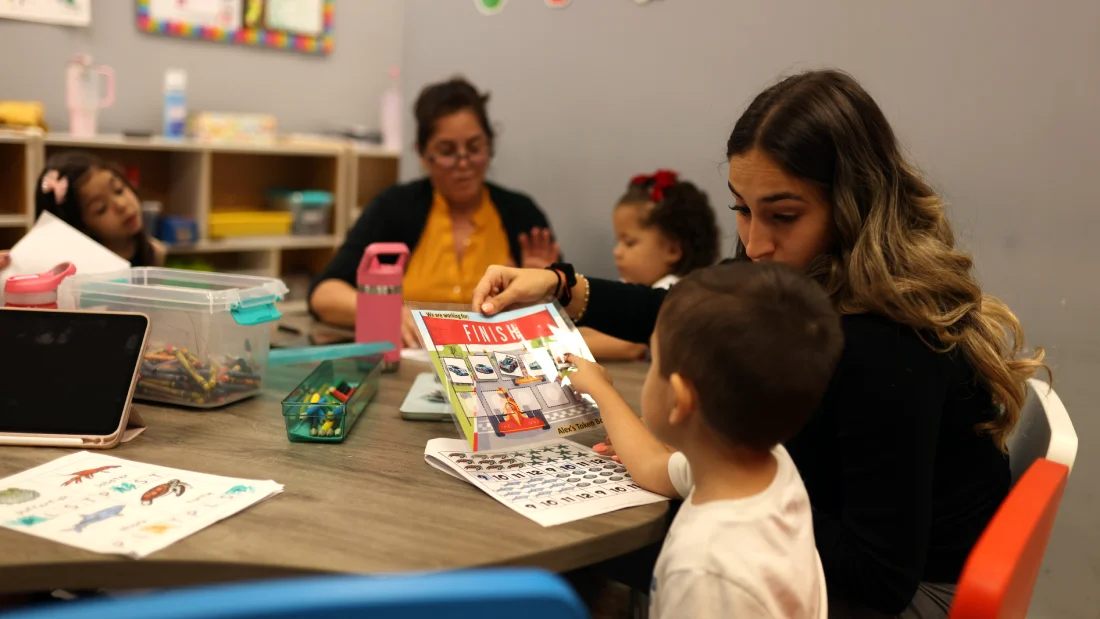
The Applied Behavior Analysis (ABA) therapy is a widely recognized approach focused on improving specific behaviors such as social skills, communication, reading, and academic abilities, as well as adaptive learning skills like fine motor skills, hygiene, self-care, and domestic capabilities. ABA is particularly effective for children with Autism Spectrum Disorder (ASD) and ADHD. The principles of ABA therapy are based on the science of learning and behavior, making it a structured yet flexible approach tailored to each child’s unique needs.
ABA in Simple Terms
Many parents seek ABA therapy as a way to improve their child’s quality of life. For children who face challenges in social interactions or adapting to new environments, ABA can provide the tools and strategies needed to thrive.
Signs Your Child May Need ABA Therapy
Observing your child’s behavior in different environments can help you identify whether ABA therapy is right for them. Here are some signs to keep in mind:
- Difficulties with communication, such as not responding to their name or not using words to express needs.
- Repetitive behaviors, such as lining up toys or constantly repeating phrases.
- Problems with social interactions, such as avoiding eye contact or not playing with other children.
- Difficulty following simple instructions, which can complicate daily routines.
- Hard-to-manage tantrums that occur frequently and without an apparent reason.
- Lack of interest in peers, preferring to play alone instead of interacting with others.
Parents may observe certain signs during everyday activities, such as avoiding eye contact, difficulty adapting to changes in routine, or an excessive fixation on specific objects or topics. These behaviors may indicate the need to consult a professional.
Age-Based Signs: What to Observe and When
12 to 24 Months
At this stage, it’s important to observe whether the child responds to their name, shows interest in their surroundings, or attempts to imitate sounds and gestures. If you notice your child is not reaching these milestones, it may be a sign that they need additional support.
2 to 4 Years
During these years, children should begin forming simple sentences, following basic instructions, and engaging in interactive play with other children. The absence of these skills may indicate the need for a deeper evaluation.
School Age
At school age, children should be able to communicate clearly, understand social rules, and participate in group activities. If your child struggles in these areas, they may benefit from ABA therapy to improve their social and academic skills.
Benefits of ABA Therapy
ABA therapy, known for its structured and evidence-based approach, offers a variety of benefits that can make a significant difference in children’s lives. Below are some improvements parents often observe after beginning this type of intervention:
- Improvement in verbal and nonverbal communication.
- Development of social skills.
- Increased personal independence.
- Reduction of problematic behaviors.
- Improvements in academic performance.
How to Begin the Process of Getting ABA Therapy

The first step in obtaining ABA therapy for your child is consulting with a professional specialized in behavior analysis. A thorough evaluation by a licensed therapist will help determine your child’s specific needs and the best approach to follow. This often involves observing your child in various environments and gathering information from caregivers and educators.
In Doral, Koala ABA & Learning Centers is one of the clinics offering these services and can guide you through the insurance approval process and therapy planning. Parents are encouraged to be actively involved in this process, as their perspectives are crucial in tailoring the therapy to their child’s unique situation.
Frequently Asked Questions About ABA Therapy
What is the best age to start ABA therapy?
Although ABA therapy can be beneficial at any age, early intervention is often recommended. Starting therapy as early as possible, even during preschool years, can lead to more successful outcomes.
How long does ABA therapy take to show results?
The time it takes to notice improvements varies depending on the child’s individual needs and the intensity of the therapy. Some children may show progress within a few months, while others may take longer to see significant changes.
How do parents participate?
Parent participation is essential in the ABA therapy process. At Koala ABA & Learning Centers, we encourage parents to be actively involved, attending sessions when possible and collaborating with therapists to reinforce strategies at home. This not only strengthens the family bond but also accelerates the child’s progress.
Koala ABA & Learning Centers: Your Ally in Child Development

For parents in Doral considering ABA therapy, Koala ABA & Learning Centers offers a comprehensive and personalized approach through its KOALAFIED® method. Their team of experienced and compassionate therapists focuses on the child’s holistic development, integrating therapy and education to meet each child’s unique needs.
To learn more about how Koala ABA & Learning Centers can support your child’s development, contact them for a consultation. Their team of professionals is ready to answer your questions and guide you through the process. By taking this first step, you open the door to a brighter future for your child, full of new opportunities for learning and growth.