

Home-based ABA therapy or center-based ABA therapy? If you have a child with autism or ADHD, it’s one of the first questions you’ll face, and there isn’t a one-size-fits-all answer. The best option depends on how your child learns, the skills they need to develop, and how therapy fits into your family’s daily routine. This guide compares both approaches to help you make a more informed decision.
Understanding Home-Based ABA Therapy
Home-based ABA therapy takes place in your child’s everyday environment. By working within the home, therapists can observe and support skills during real-life situations and routines, which is especially valuable because many functional skills are best learned where they are naturally used.
One of the biggest advantages of home-based ABA therapy is the ability to tailor interventions to daily activities. For example, therapists may work on morning routines, mealtime behaviors, organizing activities, or interactions with siblings and family members. This personalized approach can promote greater independence and help children apply newly learned skills in their everyday lives.
However, the home environment may provide fewer opportunities for peer interaction. In addition, this model often requires parents and caregivers to play an active role in reinforcing strategies outside of therapy sessions.
Exploring Center-Based ABA Therapy
Center-based ABA therapy takes place in a structured environment specifically designed to support learning and development. These settings are equipped with therapeutic resources, specialized materials, and spaces for both individual and group instruction.
A center’s organized environment can be beneficial for children who thrive on consistent routines or who need fewer distractions to stay focused. It also provides opportunities to practice social skills with peers under the guidance of trained professionals.
Interactions with other children help develop communication, cooperation, turn-taking, and problem-solving skills in social settings. Some centers also offer more intensive programs and multidisciplinary teams that enhance the overall therapeutic experience.
On the other hand, attending a therapy center requires families to consider transportation, scheduling, and adapting to an environment outside the home. While this option works well for many families, it’s important to evaluate whether it aligns with your child’s specific needs.
Key Differences Between Home-Based and Center-Based ABA Therapy

Both options share the same goal: building skills, reducing behaviors that interfere with learning, and promoting greater independence. The primary difference lies in the setting where therapy takes place.
| Aspect | Home-Based ABA Therapy | Center-Based ABA Therapy |
| Environment | Familiar and comfortable home setting | Structured environment designed for learning |
| Flexibility | Greater adaptability to family schedules | More established schedules and routines |
| Family Involvement | High level of parent and caregiver participation | Ongoing family guidance and collaboration |
| Social Interaction | Primarily within the family environment | Increased interaction with other children |
| Therapeutic Resources | Adapted to the home setting | Access to specialized materials and equipment |
| Skill Generalization | Immediate application during daily routines | Practice in social and group settings |
| Transportation | No travel required | Transportation to the center is necessary |
Neither option is universally better for every child. The right choice depends on therapeutic goals, learning style, and each family’s individual circumstances.
Is It Possible to Combine Home-Based and Center-Based ABA Therapy?
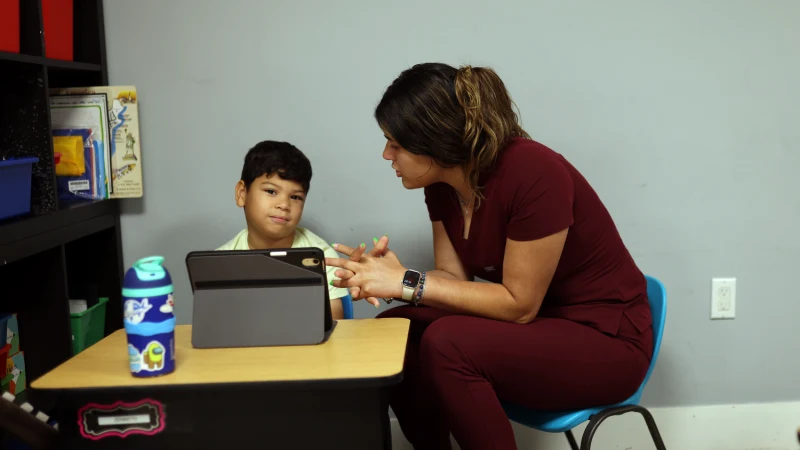
Many families assume they must choose only one therapy setting, but in some cases, combining both approaches can be beneficial. A hybrid model allows children to practice skills across multiple environments.
Benefits of a combined approach may include:
- Reinforcing skills learned at the center within the home environment.
- Practicing communication in both family and social settings.
- Supporting stronger generalization of positive behaviors.
- Encouraging ongoing collaboration between therapists and caregivers.
- Adjusting the treatment plan as the child’s needs evolve.
- Creating learning opportunities across different environments.
When therapists and families work together effectively, a combined approach can strengthen progress and help children apply their skills more naturally in daily life.
Signs That May Indicate the Best Fit for Your Child
Choosing between home-based and center-based ABA therapy is not always straightforward. Looking at your child’s strengths, challenges, and daily needs can provide valuable insight into which environment may be the best fit.
Home-Based ABA Therapy May Be a Good Option If:
- Your child feels more comfortable in familiar environments.
- Behavioral challenges occur primarily at home.
- You want to focus on goals related to daily routines and family life.
- Your family prefers to be actively involved in the therapeutic process.
- Frequent travel to appointments creates logistical challenges.
Center-Based ABA Therapy May Be a Good Option If:
- Your child benefits from highly structured routines.
- They need more opportunities to interact with other children.
- Specialized materials or therapeutic resources are recommended.
- They learn best in environments designed specifically for instruction.
- Your family has the flexibility to attend in-person sessions consistently.
While these indicators can be helpful, they should not replace a professional assessment.
Frequently Asked Questions About ABA Therapy Options
At What Age Can a Child Start ABA Therapy?
ABA therapy can begin as soon as developmental, communication, or behavioral concerns are identified. Early intervention often provides more opportunities to build functional skills and support learning during critical stages of development.
How Is It Determined Whether My Child Needs Home-Based or Center-Based ABA Therapy?
Recommendations are typically based on an individualized assessment that considers therapeutic goals, the level of support needed, the family environment, and the skills that need to be developed.
Is Home-Based ABA Therapy as Effective as Center-Based ABA Therapy?
Both approaches can be highly effective when treatment is individualized and delivered by qualified professionals. Success depends on the quality of the program, consistency of implementation, and alignment with the child’s needs.
What Factors Should I Consider Beyond Location?
In addition to location, families should evaluate the level of parent involvement required, opportunities for social interaction, program intensity, available therapeutic resources, and how well the services fit into everyday life.
How Koala ABA & Learning Centers Can Help

At Koala ABA & Learning Centers, we offer both home-based and center-based ABA therapy, so the decision is guided by what your child needs rather than by the limitations of a single program. Everything is connected through the KOALAFIED® Method, a unique approach that integrates therapy and education while maintaining consistent strategies and goals across every environment.
If you’re unsure where to begin, our team in Doral can help you understand which option may be the best fit for your child and your family.
Schedule a tour to visit our facilities and learn more about our programs. Together, we can find the path that best supports your child’s growth, development, and overall well-being.