Very Active Toddler Not Talking: 3 Warning Signs Parents Should Know

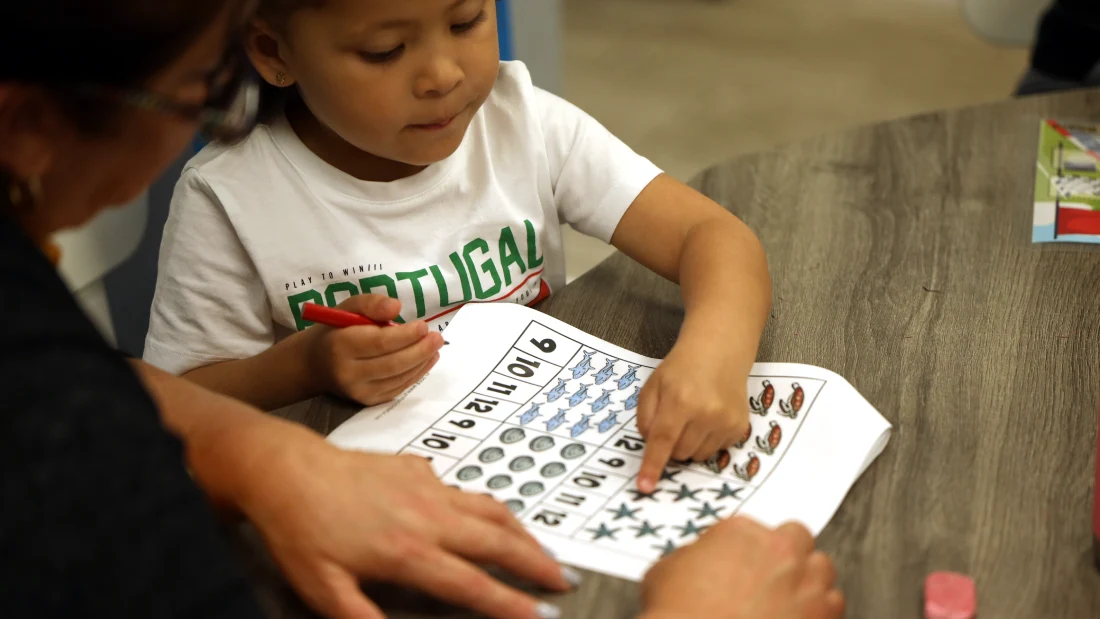
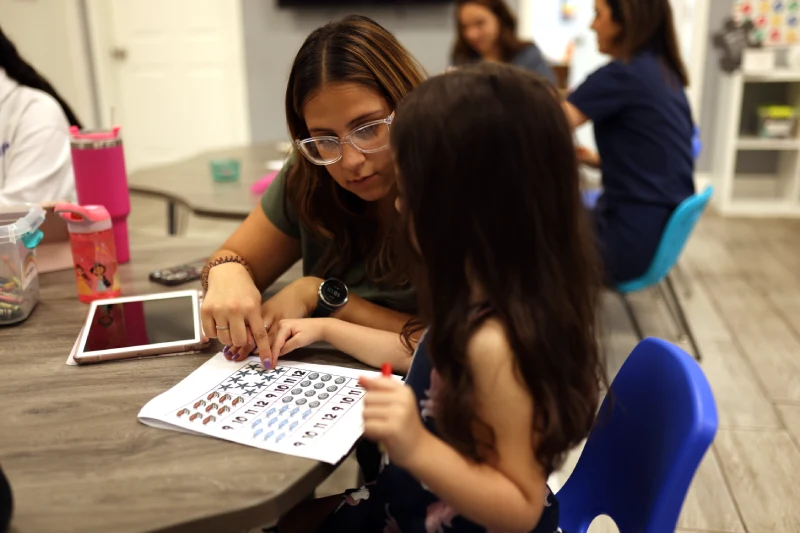
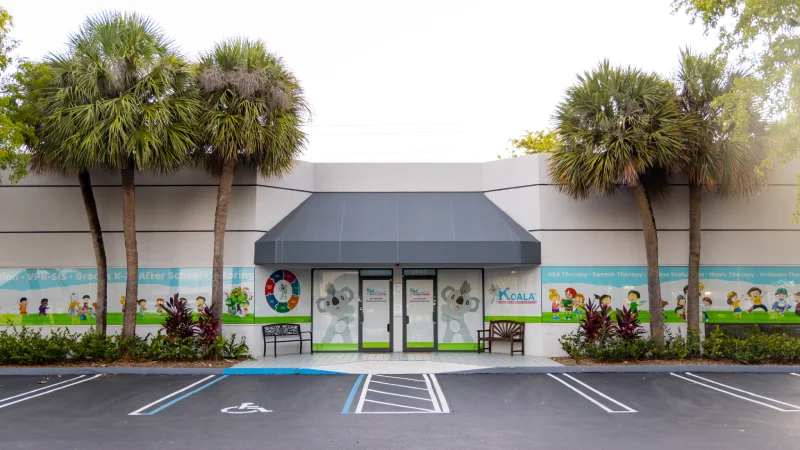
Koala ABA in Florida helping children achieve a sensory-friendly back-to-school transition.

Let us guess: your little child is constantly on the move—running from one side to the other, exploring every corner of the house, and seemingly powered by a battery that never runs out.

However, while their body is in non-stop motion… their language seems to be stuck on pause. Naturally, as a parent, it’s normal to wonder: “Is it okay for them to be this restless and still not say any words?

Yes, seeing a very active toddler not talking at 2 years old can be emotionally overwhelming.

At this stage, development should be an explosion of new words… but when silence persists, it is vital to understand what is truly happening.

That is why, in this article, we will analyze how that hyperactivity relates to language, which signs indicate a real speech delay, and how you can take action today to support their growth.

Keep reading!

Why doesn’t my 2-year-old talk even though they are extremely active?

A guide for parents of a very active toddler not talking: understanding when to worry and the benefits of early therapy at Koala ABA.

It is not uncommon for many parents to come into a consultation with the same observation: the child seems “too busy” to talk.

Of course, there is also a common belief that if a child develops motor skills like running or jumping very quickly, verbal language might take a little longer to appear.

However, in child development, skills shouldn’t compete with one another; they should complement each other.

Therefore, when observing a very active toddler not talking, we must determine if their actions have a communicative purpose… or if they are simply a way of disconnecting.

To help you understand it better, here are some factors that explain this behavior:

  1. Physical Communication: The child replaces words with movements or “shoves” to express what they need.
  2. Lack of Joint Attention: High mobility makes it difficult for the child to lock eyes, a vital step in learning to speak through imitation.
  3. Cycles of Frustration: The inability to communicate generates tantrums or aimless running, reinforcing non-verbal behavior.

Is it normal for my 2-year-old to only babble and not talk?

Supportive resources for families with a very active toddler not talking, featuring expert advice on speech milestones from the team at Koala ABA.

Without a doubt, babbling is usually a source of relief for families, but by 24 months, it should have already evolved into functional language.

Consequently, if your child—a very active toddler not talking—makes plenty of sounds but cannot manage to say ‘mama,’ ‘water,’ or ‘bread,’ it is time to analyze the quality of that communication.

Why is what my child understands more important than what they say?

Now, it is essential to evaluate not just what the child says, but what they can actually comprehend. Likewise, a child might not be talking yet, but if their comprehension is sharp, the path toward speech is usually shorter.

To understand this point, always look for the following clues:

  • Following Instructions: Can they bring an object from another room if you ask them to without you pointing at it?
  • Visual Identification: Do they correctly point to body parts or family members when you mention them?
  • Responding to their Name: Do they stop and look at you when called, even in the middle of intense activity?

How does your child communicate if they can’t use words yet?

At this point, when speech is still missing, the body must be able to speak for the child. Thus, we can say that gestures are, undoubtedly, the biological bridge to words.

Furthermore, healthy development for a very active toddler not talking should include:

  • Pointing with a Finger: This is the milestone that precedes the word. It is their way of saying “look at that” or “I want that.”
  • Social Eye Contact: Do they look at you to make sure you are seeing the same toy they are?
  • Symbolic Gestures: Waving “bye-bye,” blowing kisses, or shaking their head “no” consistently.

What is considered a “late talker” at 2 years old?

Child development chart showing how Koala ABA helps a very active toddler not talking transition from physical movement to functional speech.

The term “late talker” is used to describe toddlers who have normal cognitive and motor development but a limited vocabulary.

Therefore, identifying if your very active toddler not talking falls into this category helps determine if your little one just needs a ‘nudge’ or a much more structured intervention.

Check this quick red flag checklist for 24 months to give you a clearer reference:

  • Lack of Simple Phrases: Cannot put two terms together, such as “more juice” or “daddy come.”
  • Absence of Imitation: Does not try to replicate new words they hear or environmental sounds.
  • Preference for Gestures: Relies excessively on leading you by the hand or crying to get what they want without attempting to vocalize.

Does a very active toddler not talking really need speech therapy?

Yes—this is the question that usually worries families the most.

In reality, many parents receive the advice to “just wait for the child to mature a bit”; however, today, all experts agree that passive waiting can be very counterproductive.

That is why early intervention is the most effective tool to level the playing field for a child with a language delay.

Here are a few reasons why a professional evaluation is the right move for a very active toddler not talking:

  • Difference Between Delay and Disorder: A speech specialist can determine if it is just a delay or if it requires specialized therapy.
  • Hearing Screening: It is vital to ensure the child doesn’t have hearing loss, which would explain why they aren’t focusing on sounds.
  • Family Support: Therapy gives you the tools so you know how to stimulate them at home without getting frustrated.

Where to start if you’re worried about your child’s language?

If you have a very active toddler not talking, you can start transforming your daily routine into natural stimulation sessions. You don’t need expensive materials—just a change in how you interact with them.

Some strategies to apply at home today include:

  • Narrate Your Routine: Describe what you are doing while you do it: “Mommy is cutting the bread,” “The water is cold,” “We’re putting on the blue shoe.”
  • Create the Need to Talk: Don’t give them what they want immediately. If they point to the juice, wait and say: “Do you want juice? Juice!” before handing it over.
  • Follow Their Interests: If they love trains, play with trains. It is much easier for them to learn words within an activity they are passionate about.

Frequently Asked Questions about a very active toddler not talking.

1. Is it normal for a very active child not to talk at 2 years old?

It can happen, but it should not be ignored. By 24 months, most children already use words with communicative intent.

If a child is very active but doesn’t use functional words, it is important to evaluate if their activity is interfering with attention, imitation, and language learning.

2. What is the difference between a late talker and a language delay?

A late talker has a limited vocabulary but maintains good comprehension, gestures, and social contact.

In contrast, a language delay may include difficulties in comprehension, imitation, and functional communication, which usually requires structured therapeutic intervention.

3. Does ABA Therapy help an active child who isn’t talking?

Yes. ABA Therapy is highly effective for high-energy children, as it turns movement into communication opportunities.

Specialized centers work on attention, imitation, and functional language through play and daily interaction.

Koala ABA: Supporting Communication Through ABA Therapy.

3 warning signs for a very active toddler not talking. Learn about language delays and early intervention services provided by Koala ABA.

A very active toddler not talking doesn’t lack communicative intent; often, they simply haven’t found the right way to express themselves yet.

At 2 years old, the potential is there, but it needs structure, guidance, and an intervention that connects movement with language.

At Koala ABA & Learning Centers, we understand that when a child has high energy levels, therapy must transform that constant activity into real learning opportunities.

How do we support language development in active children?

  • Functional Communication: We teach the child that using words or gestures is the fastest way to get what they want.
  • Social Connection and Attention: We strengthen eye contact and imitation, the necessary foundations for speech development.
  • Dynamic Learning: We integrate therapeutic goals into play and movement to keep them motivated.
  • Parent Training: We provide practical tools so that progress continues every day in your home.

Schedule a consultation today and receive personalized guidance from our specialists in Florida.

Don’t leave your child’s language development to chance!


Autism After Early Intervention: Next Steps and 3 Key Insights

Child reaching milestones in autism after early intervention with Koala ABA therapy for long-term growth.

Surely, from the initial diagnosis to the first therapy sessions, your life as a parent of a child with autism has revolved around improving their learning.

However, as school age approaches, an inevitable question arises more strongly: What happens with autism after early intervention?

It is common to feel like the roadmap you were following has reached its end, but in reality, you are simply “shifting territories.”

That is why at Koala ABA, we designed this guide to help you understand that, at this stage, support evolves toward autonomy, social integration, and academic success.

Do you want to know what steps to take as your child enters this new stage? Read on!

Is Early Intervention Just the Beginning of Autism Treatment?

Developing social skills and autonomy in autism after early intervention programs at Koala ABA centers.

It is common for many programs to formally end when a child with autism enters elementary school, leading families to think that treatment has concluded.

However, the reality is that autism after early intervention requires a “marathon” mindset rather than a “sprint.”

Without a doubt, this initial phase is the foundation of your child’s development, but their independence continues to be built throughout their entire childhood and adolescence.

To understand this stage, consider these fundamental pillars:

  • Constant Neuroplasticity: Although the early years are key, the brain maintains its ability to learn throughout life.
  • Dynamic Development: As social and school demands increase, new areas arise that require specialized support.
  • Evolution of Goals: Basic goals (such as eye contact) evolve into more complex, social, and functional skills.
  • Absolute Individuality: Therapy is not static; it must always be adjusted to each child’s unique emotional and biological rhythm.

How Does Autism After Early Intervention Change for Your Child?

When looking at autism after early intervention, progress becomes less linear, focusing instead on how the child interacts with a world that is becoming increasingly larger for them.

In this new phase, we stop focusing on “what the child knows” and start focusing on “what they can do with what they know.” Therefore, their progress usually manifests through three key elements:

  1. Functional Communication: Evolving from simple labeling to expressing desires, emotions, and experiences.
  2. Emotional Self-Regulation: Developing tools to manage frustration and effectively reduce challenging behaviors.
  3. Autonomy and Social Skills: Achieving independence in daily routines and active interaction with other children their age.

What Should You Do When Your Child’s Progress Seems to Stall?

At this point, it is natural to feel that your child has reached a “plateau” where they don’t seem to be moving forward.

However, these periods are usually consolidation phases, where the brain processes what has been learned before taking the next leap.

In these “stagnation” states, keep in mind:

  • The Need to Adjust Goals: Sometimes a plateau indicates that the child needs more motivating or natural challenges.
  • Review of Intensity: A change in autism therapy may be necessary to avoid boredom and a lack of motivation.
  • External Factors: School changes, moving, or changes in sleep patterns can temporarily affect the pace of learning.

How to Adjust ABA Therapy Goals as Your Child Grows.

A guide to the next steps for autism after early intervention and ABA therapy support by Koala ABA.

The reality is that the key to therapy remaining effective for your child is evolution.

Evidently, a therapy that “does not change with the child” becomes obsolete. That is why, when addressing autism after early intervention, we specialists must prioritize the development of autonomy.

Our goal is for your child to require less and less supervision. To achieve this, goals focus on:

  • Community Safety: Recognizing danger signs, crossing the street, and knowing what to do if separated from parents.
  • Pre-vocational Skills: Following multi-step instructions and organizing their own school materials.
  • Advanced Self-Care: Basic meal management and preparation for puberty and its changes.
  • Conflict Resolution: Learning to negotiate and compromise in everyday social situations.

Why is Skill Generalization Important in Autism?

Yes, a child can often perform a task perfectly at the clinic… but fails when trying it at home.

However, the success of autism treatment after early intervention depends on a vital factor: generalization. Here are some keys on how to implement it in different environments:

  • At Home: Ensuring communication skills are used with the participation of parents, siblings, and other family members.
  • At School: They must be able to follow classroom rules without the need for constant reinforcement.
  • In the Community: They should achieve functional behavior at the supermarket, the park, or the doctor’s office.

How to Effectively Prepare Your Child for the School Environment.

Undoubtedly, moving from a controlled therapeutic environment to a school classroom full of new stimuli is a great challenge for a child with autism.

Therefore, school readiness is clearly the bridge that ensures the child not only attends school but actually learns and actively participates in it.

To ensure this change is not traumatic in autism after early intervention, we work specifically on:

  • Group Listening Skills: Attending to a teacher who is speaking to several children at once.
  • Transitions Between Activities: Moving from play activities to another task without showing anxiety.
  • Requesting Help: Knowing how to raise their hand, take turns, or approach the teacher when something is difficult.

What Long-Term Support Options Exist for Children with Autism?

Finally, autism after early intervention benefits enormously from a multidisciplinary approach. Of course, there is no single solution, but rather a combination that can adapt to your child’s life.

The most effective evidence-based therapies are:

  • ABA Therapy: Focused on behavior modification, autonomy, and adaptive skills.
  • Speech Therapy: Crucial for developing the functional social use of language.
  • Occupational Therapy: For children still facing sensory or motor challenges that affect their independence.

Frequently Asked Questions About Autism After Early Intervention.

1. Does autism “end” after early intervention?

No. Early intervention is only the first step of the therapeutic process.

Autism after early intervention requires continuous support that evolves toward autonomy, social integration, and long-term academic success.

2. What are the changes in autism after early intervention?

After this stage, progress tends to focus less on basic skills and more on functional communication, emotional self-regulation, social skills, and daily autonomy, especially in school and community settings.

3. Should ABA therapy change as my child grows?

Definitely. Effective therapy must evolve with the child.

After early intervention, goals are adapted to foster independence, community safety, self-care, and social conflict resolution.

Koala ABA & Learning Centers: Support Beyond Early Intervention.

Koala ABA therapists supporting a family’s journey through autism after early intervention and skill-building.

Autism after early intervention is the start of a phase where progress transforms into independence, social participation, and long-term family well-being.

At Koala ABA & Learning Centers, we understand that the needs of children with autism change with age, the school environment, and new social challenges.

That is why our autism services in Florida are designed to accompany families far beyond the early years, with dynamic therapy plans that grow alongside your child.

Our approach is based on a holistic view of development, where progress is built with strategy and family collaboration.

What makes Koala ABA different? We offer you:

  • Real-time Evaluation and Data Analysis: We measure every advancement to adjust therapeutic goals precisely and effectively.
  • Parent Training: We empower you so that learned skills are maintained and generalized at home and in the community.
  • Presence in Florida: We have multiple centers to provide you with constant, accessible, and local support.
  • Family-Centered Model: We know that your child’s progress directly impacts the quality of life of the entire household.

In this way, at Koala ABA, we work to ensure that autism after early intervention is a stage of growth, autonomy, and new opportunities for your child.

If you feel it’s time to redefine goals and move forward with a clear plan, we are ready to help!

Contact us today, and let’s take the next big step in your child’s development together.


Early Signs of Autism: Top 3 Benefits of Early ABA Evaluation

Koala ABA guide on how to prepare for an IEP meeting for a child with autism in Florida.

Being a parent to a child with autism is, without a doubt, a beautiful challenge.

It is only natural that, as a parent, questions arise about whether certain behaviors in your child are just a phase… or represent early signs of autism.

In this regard, identifying these signs in time is the first step toward providing them with the tools they need to communicate and gain independence.

In this guide, we will break down everything you need to know about early detection and why an autism evaluation is the key to achieving a successful strategy.

Keep reading!

Why is it vital to identify the early signs of autism today?

Discover the early signs of autism and schedule a professional ABA evaluation at Koala ABA in Florida today.

Undoubtedly, acting immediately upon the first suspicions of autism is not an overreaction—it is a smart decision.

The reason is that a child’s brain possesses great plasticity, which allows early therapeutic interventions to have a deeper and more lasting impact.

Thus, when we detect the early signs of autism, we are opening the most important developmental window in your child’s life.

Some of the most significant benefits of acting in time include:

  1. Maximum Learning: Taking advantage of the neuroplasticity of the developing brain to create new learning pathways through ABA therapy.
  2. Accelerated Progress: Reducing the developmental gap compared to other children their age by intervening at a critical moment.
  3. Specialized Resources: Facilitating access to insurance coverage, school support, and community programs for the entire family.

What are the most common early signs of autism in toddlers?

Autism manifests uniquely in each individual; that is why we refer to it as a full “spectrum.”

However, there are clinical indicators that specialists watch with special attention.

Recognizing these signs of autism in young children involves paying close attention to both what the child does and what they have not yet begun to do.

Take a look at these two general patterns analyzed below:

Communication delays and limited eye contact.

Social interaction is the foundation of human development. In many cases, difficulties in this area are the first early signs of autism that parents notice at home:

  • Limited eye contact: They do not seek out your gaze to share emotions or ask for help, or they maintain it for only a very short time.
  • Lack of response to name: Does not respond to their name but reacts to other environmental sounds like the TV.
  • Absence of gestures: They do not point to objects of interest, do not wave “goodbye,” and do not reach out their arms to be picked up.

Repetitive behaviors and sensory sensitivity.

Beyond communication, early signs of autism are related to how a child processes information from their environment and how they regulate their own body.

Here are some common examples:

  • Repetitive movements: Actions such as hand flapping, walking on tiptoes, or constant body rocking.
  • Unusual focus on objects: Excessive attention to specific parts (such as toy wheels) instead of playing with the toy as a whole.
  • Sensory sensitivity: Intense reactions of fear or rejection toward common sounds, clothing textures, or new foods.

How to detect autism according to each growth stage?

A guide to the early signs of autism and how a professional ABA evaluation at Koala ABA helps Florida families.

Every stage of growth has its own child development milestones. Comparing these milestones with your child’s reality will help you determine if it is time to seek an autism evaluation.

Here are some characteristics of these basic developmental stages:

Red flags in infants and toddlers (12 to 24 months).

In this phase, we primarily observe basic interaction and the onset of language. During this stage, early signs of autism in young children also include:

  • Not babbling or attempting to imitate simple sounds by 12 months.
  • Not showing a “social smile” (not smiling back when you smile at them).
  • Not using simple words functionally by 18–24 months.
  • Showing a lack of interest in imitation games like “hide and seek” or “pat-a-cake.”

What to watch for in preschool-age children?

As their social environment expands, signs of autism become more evident in their relationships with other children, manifesting through:

  • Solitary parallel play: The child plays near others but does not attempt to interact with them or share toys.
  • Absence of symbolic play: They do not engage in “make-believe” (such as pretending to feed a doll or playing firefighter).
  • Repetitive language: Repeating phrases from movies or previous conversations out of context (echolalia).
  • Difficulty following instructions: They seem not to understand simple, few-step commands.

When is it time to seek a professional ABA evaluation?

Understanding the early signs of autism and the life-changing benefits of a professional ABA evaluation at Koala ABA.

Generally, many parents wonder if they should “wait a little longer.”

However, expert recommendation is clear: when in doubt, evaluate. If you are already looking for an ABA evaluation near you, it is because you have noticed these patterns that deserve professional attention:

  • Persistence of signs: If the behaviors or delays mentioned do not improve as the months pass.
  • Regression of skills: If your child used to speak, wave, or point and has suddenly stopped doing so. This is a major “red flag.”
  • Difficulties in daily life: If the child’s behavior is affecting their ability to learn in a school environment.

Why is January the perfect opportunity to start?

The start of the year is a strategic time to establish a solid foundation for your child’s treatment. Furthermore, beginning the process now offers unparalleled logistical and clinical advantages, such as:

  • Establishing annual goals: Aligning treatment with developmental objectives for the entire year.
  • Insurance and paperwork management: January is the ideal month to verify coverage and health plan authorizations in Florida.
  • Taking advantage of school cycles: Allowing the child to receive support before facing the challenges of a new grade or school level.

FAQs about Early Signs of Autism and ABA Evaluation.

1. What is considered an early sign of autism in young children?

These are behaviors or delays in communication, social interaction, and play, such as limited eye contact, lack of response to name, absence of gestures, repetitive movements, or sensory sensitivity.

2. What is an ABA evaluation and why is it important?

It is a specialized analysis of the child’s behavior and skills that allows for the design of a personalized intervention plan, taking advantage of childhood neuroplasticity.

3. Why does early intervention make a difference?

Because a child’s brain adapts more easily. Early ABA therapy improves communication, behavior, and independence.

4. When should I seek a professional evaluation?

When in doubt—especially if signs persist, worsen, or if there is a regression of previously acquired skills.

Koala ABA: Expert guidance from the first signs of autism.

Early signs of autism and professional ABA evaluation services provided by Koala ABA throughout Florida.

Recognizing the early signs of autism is a decisive step. Now, taking the next one with the right support can make a profound difference in your child’s development.

At Koala ABA & Learning Centers, we accompany Florida families from that first moment of doubt through the construction of a clear, compassionate, and effective therapeutic plan.

Our ABA evaluations are based on understanding the specific needs of each child, ensuring that early detection maximizes their learning opportunities.

What distinguishes us as your strategic partner in autism detection and treatment?

  • Highly qualified ABA specialists with extensive experience in Autism Spectrum Disorder.
  • Personalized autism evaluations designed to provide clear answers and actionable plans.
  • Flexible care options, in specialized centers or at home, adapting to your family dynamic.
  • Presence in multiple Florida communities, making it easy to access reliable services near you.

If you have identified early signs of autism or simply need professional guidance, now is the time to act.

Don’t postpone what could change everything!

Contact us today and start the year with a clear plan, expert support, and the peace of mind that comes from doing what is best for your child.


In-Home ABA Therapy in Panama City, FL: 3 Early Intervention Benefits

Unlock your child’s potential with in-home ABA therapy in Panama City, FL through Koala ABA’s early intervention programs.

There is no greater longing for a parent of a child with autism than to see their child reach their full potential.

And now, with the arrival of a new year, a fresh opportunity arises to transform both their life and your family’s.

If you reside in Bay County and have considered taking the next step following an autism diagnosis, in-home ABA therapy in Panama City is, without a doubt, the most effective solution for you.

Have you ever wondered how to turn your own living room into the stage for your child’s greatest achievements?

In this guide, we will explore how the warmth and security of your home can become the ideal environment for that learning.

Are you one of those parents who demands excellence in care for their child? Then keep reading!

Why start in-home ABA therapy precisely in January?

Koala ABA provides in-home ABA therapy in Panama City, FL, delivering key early intervention benefits for lasting family success.

The beginning of the year is the period when Florida families redesign their schedules and set new goals for their well-being.

Therefore, by integrating in-home ABA therapy in Panama City at this exact moment, you take advantage of the energy of these new resolutions to organize a solid structure that lasts all year long.

Furthermore, starting in January allows the child to quickly adapt to the therapeutic pace before seasonal changes occur, through:

  • School Synchrony: Ideal for aligning home sessions with the start of the second academic semester.
  • Safe Environment: The home minimizes anxiety, facilitating natural learning where your child feels protected.
  • Solid Routines: Starting the year with a structured schedule promotes consistency and emotional regulation from day one.

How does in-home ABA therapy in Panama City help your child?

Supporting lasting growth with Koala ABA: Expert in-home ABA therapy in Panama City, FL focused on early intervention.

Of course, understanding exactly what will happen during an in-home ABA therapy session in Panama City is the first step toward your peace of mind as a parent.

Additionally, this at-home modality brings the scientific benefits of the clinic directly into the child’s family environment.

In this way, the therapist can work on everyday, real-life situations, such as mealtime or sleep routines.

Understanding Applied Behavior Analysis (ABA) in 2026.

Applied Behavior Analysis (ABA) is already recognized as the universal gold standard for autism treatment.

It is not about performing random activities for the sake of it, but about applying a scientific discipline with proven methods to improve essential behaviors and skills through:

  • Positive Reinforcement: We identify what motivates your child to reward and strengthen behaviors that foster their autonomy.
  • Real-Time Data Collection: Every milestone is recorded so the treatment plan can be precisely adjusted.
  • Reduction of Challenging Behaviors: We replace frustrating behaviors with functional and effective forms of communication.

What are the real benefits of in-home ABA therapy?

Achieve family success with in-home ABA therapy in Panama City, FL, specializing in early intervention at Koala ABA.

Choosing between the clinic and the home is one of the most important decisions parents of children with autism face.

However, it is vital to clarify that at-home ABA therapy offers a depth of learning that other environments can hardly replicate.

For example, by conducting in-home ABA therapy in Panama City, we eliminate “skill transfer” hurdles, ensuring greater retention of what is learned with the therapist through:

  • Immediate Generalization: If a child learns a social skill in their living room, they will integrate it naturally into their daily life much faster.
  • Active Family Participation: Parents can get involved, which strengthens emotional bonds and therapeutic progress.
  • Low-Stimulation Environment: We can control the lights, noises, and distractions in your home to create the perfect learning space.

Why is early intervention so critical for autism?

If you are looking for in-home ABA therapy in Panama City, you should know that time is your most valuable resource right now.

In this sense, neuroplasticity in the first years of life is immense; therefore, a child’s brain is highly receptive to forming new neural connections.

Acting during this “window of opportunity” can drastically change your child’s developmental trajectory forever.

Starting ABA therapy for children in Panama City during this stage maximizes the chances of future academic and social success through:

  • Detecting Signs: Lack of eye contact, speech delays, or repetitive play are indicators to seek an evaluation.
  • Immediate Action: There is no need to “wait and see”; early intervention prevents developmental gaps from widening.
  • School Readiness: We help your child develop the necessary skills before they enter the school system.

FAQs about In-Home ABA Therapy in Panama City, Florida.

1. What exactly is in-home ABA therapy and how does it work?

In-home ABA therapy in Panama City applies ABA principles directly within the child’s family environment. The therapist works on key skills within real routines—such as play, eating, or rest—achieving more natural, functional, and lasting learning.

2. Why choose in-home ABA therapy over a clinic?

At-home ABA therapy removes the barrier of skill transfer. By learning at home, the child immediately generalizes what they have learned to their daily life. Additionally, the home reduces anxiety, allows for stimulus control, and facilitates active family participation.

3. Can parents participate in the home ABA therapy sessions?

Yes, and it is highly recommended. Parent participation is key to reinforcing skills outside of the session. That is why in-home ABA therapy includes practical training for families, providing clear strategies that are easily integrated into day-to-day life.

4. What skills are worked on with in-home ABA therapy?

In-home ABA therapy in Panama City helps develop communication skills, social interaction, autonomy, emotional regulation, and the reduction of challenging behaviors, always focusing on functional and measurable goals.

5. How does Koala ABA guarantee real results in Panama City?

Koala ABA combines constant clinical supervision, carefully selected therapists, and personalized plans. Every bit of progress is recorded and the treatment is adjusted continuously, ensuring sustainable progress for the child and their family.

Koala ABA in Panama City: In-Home ABA Therapy with Real Results.

Early intervention for lasting growth: Koala ABA offers premier in-home ABA therapy in Panama City, FL to unlock potential.

At Koala ABA & Learning Centers, we believe in therapeutic plans designed around your child, your family, and your home.

That is why our in-home ABA therapy in Panama City, Florida, adapts to your daily dynamics to generate measurable and sustainable progress from day one.

Every program begins with a functional assessment to analyze your child’s specific needs. From there, we develop a personalized plan that evolves along with their progress.

Our approach is distinguished by:

  • Constant Clinical Supervision: A certified therapist supervises and adjusts the treatment continuously to maximize results.
  • Carefully Selected Therapists: We prioritize emotional compatibility and the therapeutic bond with your child.
  • Intervention in Real Contexts: We work directly within everyday routines like eating, playing, and resting.

Furthermore, we understand that true change happens when therapy transcends the session. That is why we integrate parents as an active part of the process through:

  • Practical training for families, focused on real day-to-day situations.
  • Clear and applicable strategies to reinforce progress outside of therapeutic hours.
  • Continuous support, answering questions and celebrating every achievement, no matter how small it may seem.

At Koala ABA, we build a path of growth, confidence, and autonomy for your child and your family.

And this new year can mark a turning point…

If you are looking for in-home ABA therapy in Panama City, take the first step today with a team that truly supports you.

Schedule your consultation today and start 2026 with the best plan for your child’s development!


Functional Communication Training: 3 Key Benefits in ABA Therapy

Koala ABA resources on how to prepare for an IEP meeting for a child with autism living in Florida.

Every parent of a child with autism longs for their child to be able to communicate in the best way possible.

When your child lacks the tools to express themselves, signs of frustration will undoubtedly appear. If you have ever felt that their behavior is complicated in that regard, we have the solution for you.

At Koala ABA & Learning Centers, we understand that Functional Communication Training (FCT) is the bridge that can transform your child’s silence into real connections.

By focusing on their communication skills, we aim for your child to achieve emotional and social autonomy.

Want to know how this methodology, based on ABA Therapy, is changing the lives of hundreds of families in Florida?

Keep reading!

What is Functional Communication Training (FCT)?

Koala ABA: Functional Communication Training (FCT) in ABA Therapy for social skills.

To understand functional communication training in ABA, we should visualize it as a toolbox for children with autism.

For children with developmental delays, conventional words are not always the first option. Furthermore, this intervention is based on a simple principle: behavior is a form of language.

In this way, when we implement FCT in ABA, we are teaching a communicative replacement behavior. This means that, instead of focusing on what is “wrong,” we focus on what “actually works.”

Thus, functional communication training is highly effective because it:

  • Validates the child’s needs: We recognize that the child always has something important to say.
  • Reduces anxiety: Knowing they will be understood, the child’s stress levels decrease.
  • Is proactive: It doesn’t wait for a crisis to occur; instead, it prepares the child before frustration escalates.
  • Fosters connection: It creates a channel of mutual trust between the child, their therapists, and their family.

Challenging Behaviors: Why do they occur and how to address them?

As parents, it is natural to feel distress when faced with your child’s problematic behaviors. However, it is crucial to understand that these actions are not a lack of discipline: they are failed attempts at communication.

In this sense, reducing challenging behaviors with ABA begins with a shift in perspective: seeing the behavior as an inefficient solution the child found for a real problem.

Let’s analyze, from the perspective of functional communication training, why these challenges arise:

  • Lack of expressive language: The child knows what they want but doesn’t know how to ask for it in a way that others understand.
  • Difficulty in processing: The environment can be overwhelming (noises, lights, smells), and the child uses behavior to call for a “stop.”
  • Previous effectiveness: If in the past a scream successfully resulted in being given a candy, the child’s brain registers that action as a successful strategy.
  • Social barriers: The inability to initiate an interaction can lead the child to perform disruptive acts just to be noticed.

How does Functional Communication Training work step-by-step?

Reducing challenging behaviors with Functional Communication Training (FCT) in ABA Therapy at Koala ABA.

The implementation of functional communication training in ABA is a scientific and structured process.

Naturally, it is supervised by Board Certified Behavior Analysts (BCBAs). It involves a strategic plan designed so the child experiences immediate success in their communication skills.

Here we explain it step-by-step:

Behavioral Assessment to understand the “Why”.

First, we perform a Functional Behavior Assessment (FBA). This diagnosis is fundamental for the ABA communication intervention to be truly effective.

During this assessment, we observe:

  • Antecedents: What happened right before the behavior?
  • Consequence: What did the child get after acting that way?
  • Function: We determine if the goal is to obtain an object, attention, escape from a task, or sensory stimulation.

Teaching functional communication skills.

Once the “why” of the behavior is identified, we select the best way for the child to express themselves. The goal is for the new skill to be much more efficient than the previous behavior.

Through this step of functional communication training, we teach:

  • Approximations: Validating everything from a simple gesture to a full word.
  • Persistence: Teaching the child to advocate for themselves appropriately if they are not heard the first time.
  • Discrimination: Knowing with whom and at what moment to use each communicative signal.

Reinforcement and generalization of skills.

Finally, for functional communication training to have a real impact, it must be able to leave the clinic. Positive reinforcement is the fuel for this generalization process:

  • Immediate reinforcement: Every time the child uses their new skill, they receive what they asked for instantly.
  • Generalization at home: We train parents to respond in the same way as the therapists.
  • Practice in natural environments: We take these skills to the supermarket, the park, and family gatherings.

What types of communication are used in FCT?

Functional Communication Training (FCT) in ABA Therapy resources by Koala ABA.

At Koala ABA & Learning Centers, we believe that every child has their own “communicative style.” Therefore, we explore Augmentative and Alternative Communication (AAC) systems to find the one that best suits your child.

Here are some examples of how we do this through functional communication training:

Verbal Communication.

If the child has vocal potential, we work intensely on spoken language through:

  • Modeling sounds and syllables.
  • Expanding functional vocabulary for daily needs.
  • Using short phrases to communicate complex desires.

Gestures, PECS, and AAC (Communication Systems).

For many, visual support is the “magic key” that opens the door to language, through:

  • PECS (Picture Exchange Communication System): The child hands over a card with a picture to get what they want.
  • Sign Language: Basic gestures that provide a quick motor response.
  • High-tech devices: Tablets with speech-generating apps that allow for fluid and complex communication.

Support for non-verbal children.

Being non-verbal does not mean the child has nothing to say. That is why our approach for non-verbal children focuses on:

  • Reducing frustration through the use of immediate visual supports.
  • Strengthening communicative intent (the desire to connect with others).
  • Providing technological tools that act as their “voice” while they develop that capacity.

What are the benefits of Functional Communication Training?

The results of a well-executed ABA communication intervention are measurable… and often surprising. We see not only clinical improvement but a transformation in the child’s quality of life.

Some key benefits of functional communication training include:

  1. Short-term results: An immediate decrease in the intensity of crises and greater calm at home.
  2. Long-term benefits: Development of social skills, better school performance, and greater autonomy in adult life.
  3. Family empowerment: Parents become great facilitators of their children’s growth.

Frequently Asked Questions about Functional Communication Training in ABA.

1. What is Functional Communication Training (FCT)?

FCT is an intervention within ABA Therapy that teaches children with autism to communicate effectively. Instead of focusing on challenging behaviors, FCT replaces them with more functional forms of communication.

2. Why is FCT important for my child?

Many challenging behaviors arise because the child does not know how to express their needs. FCT provides tools for your child to communicate, decreasing anxiety and fostering independence.

3. How does FCT help reduce challenging behaviors?

FCT teaches effective alternatives to problematic behavior, validating what the child is trying to communicate. Thus, they learn to ask for attention, objects, or breaks without getting frustrated or generating conflict.

How does Koala ABA apply Functional Communication Training?

Koala ABA specialized Functional Communication Training (FCT) in ABA Therapy.

At Koala ABA & Learning Centers, our approach to Functional Communication Training (FCT) not only improves communication but also strengthens your child’s emotional and social autonomy.

With a team of certified specialists in Florida, we design fully personalized programs that adapt to the pace and communicative style of each child with autism.

What sets us apart?

  • Accessible locations in Florida: So you are always close to our services (Doral, Tampa, Panama City).
  • Evidence-based methodology: We apply science-backed techniques for reliable results.
  • Family-centered programs: We train you to reinforce communication skills at home and in daily life.

Taking the first step has never been so simple.

At Koala ABA, we transform silence into connection, gestures into words, and challenging behaviors into effective communication.

Schedule a personalized consultation today and discover how we can change the way your child connects with the world!


In-School ABA Therapy or In-Home? Parent’s Complete Guide for 2025

Koala ABA in Florida helping children achieve a sensory-friendly back-to-school transition.

When you are the parent of a child with autism, you face hundreds of complicated decisions daily. But choosing the right therapeutic path is, without a doubt, the most important one. In this regard, ABA Therapy is always the right direction, but that’s where crucial questions arise for you:

Where should my child receive therapy? Should I commit to In-School ABA Therapy… or In-Home?

At Koala ABA & Learning Centers, we know that choosing the learning environment is as vital as the therapy itself. That is why we have created this guide to help you discover which one, In-School ABA Therapy or In-Home, offers the best benefits for your child’s progress.

Ready to decide on the best option for your child? Let’s start clearing up your doubts!

How Does the Environment Affect the Effectiveness of ABA Therapy?

Benefits and differences of In-School ABA Therapy versus In-Home ABA. A resource from Koala ABA.

Applied Behavior Analysis (ABA), or ABA Therapy, is not an approach designed only to reduce challenging behaviors, but also to improve communication and social skills in children with autism through positive reinforcement.

However, for this science to function to its maximum potential, choosing the learning environment is fundamental.

Therefore, the place where your child receives behavioral therapy, whether it is In-School ABA Therapy or In-Home ABA Therapy, determines the types of skills they will develop, the frequency of sessions, and the speed with which they will be able to apply what they have learned outside of those sessions.

Let’s analyze how the environment directly influences the success of the ABA program for each child with autism.

In-Home ABA Therapy: Why Choose the Familiar Environment?

Choosing the best environment: In-School ABA Therapy or In-Home therapy, provided by Koala ABA.

In-Home ABA Therapy is the most common intervention setting and, perhaps, the most intuitive. Now imagine your child feeling secure in their familiar space: this comfort factor allows them to quickly focus on their tasks, minimizing the stress associated with new places.

Furthermore, when compared to In-School ABA Therapy, this environment is excellent because it makes it easier for the individualized ABA treatment plan to adapt to real-life daily routines, integrating each intervention naturally.

What Are the Key Advantages of At-Home ABA Therapy?

The advantages of at-home ABA therapy are closely related to the intensity of the sessions and family involvement, which accelerates skill development in children with autism. To give you a clearer perspective, here are the most significant benefits of at-home ABA therapy:

  • Low-Stress Environment: The familiar setting facilitates connection with the child and minimizes challenging behaviors.
  • High Family Involvement: Guarantees parent training in real-time, maximizing the treatment’s impact.
  • Focus on Essential Routines: The work centers on everyday skills such as mealtime, hygiene, and functional play.
  • Individual Sessions: Optimizes skill acquisition and the generalization of behavior more quickly.

When Is It Best to Start ABA Therapy at Home?

Choosing at-home therapy over In-School ABA Therapy should not be a permanent decision, but a strategic one. At this point, there are very specific times and profiles where this environment provides a more solid foundation for learning.

So, if your goal is the acquisition and development of routines in a controlled environment, this option could be perfect:

  • For Younger Children: It is ideal if they are learning fundamental skills like basic communication or imitation.
  • For Collaborative Families: If you prefer close collaboration with ABA therapists to apply daily strategies.
  • For Routine Transitions: It is the indicated option if the child needs specific help with daily routines like dressing or using the bathroom.

In-School ABA Therapy: How Does It Drive Socialization in Autism?

ABA therapy settings for children with autism, featuring In-School ABA Therapy programs at Koala ABA.

In-School ABA Therapy is key when your child’s goals focus on social life, academic success, and the development of their potential. In this way, this model integrates the therapist directly into the educational learning environment, in collaboration with school staff.

Furthermore, this integration allows behavioral intervention strategies to be applied in real-time, precisely where difficulties arise: during interaction with peers, classroom transitions, or concentration on assigned tasks.

Undoubtedly, In-School ABA Therapy is the best way to practice collaboration with teachers and academic support.

What Social Skills Are Learned in School-Based ABA?

One of the greatest challenges for children with autism is social interaction with their peers in different settings. In this sense, In-School ABA Therapy is unparalleled, as it provides natural training for the development of fundamental social skills.

At Koala ABA, our approach ensures the therapist reinforces behavior during spontaneous interactions through:

  • Real-Time Behavioral Training: Positive reinforcement is applied exactly when challenging behaviors or interaction opportunities occur in the classroom.
  • Social Skill Development: Skills such as reciprocal play, turn-taking, conflict management, and functional communication are practiced with other children.
  • Academic Support: Strategies are offered for task completion and adaptation to changes in class or activity.
  • Professional Collaboration: Ensures strategy consistency thanks to fluid communication between BCBAs, teachers, and aides.

For Whom Is In-School ABA Therapy Most Suitable?

While all children benefit from these interventions, there are certain characteristics and ages where In-School ABA Therapy generates more effective results. Next, we show you the profiles that typically find greater success in these therapy environments:

  • School-Aged Children: Those whose primary challenge is peer dynamics or the classroom environment.
  • Students Who Benefit from Predictability: The school environment, with its predictable routine, fosters structured learning.
  • Families Seeking a Bridge: For those looking for consistency between school expectations and home life.

Frequently Asked Questions about In-School or In-Home ABA Therapy.

1. What is ABA Therapy and how does it help children with autism?

ABA Therapy uses positive reinforcement to improve communication, social skills, and the behavior of children with autism. It adapts to their needs and favors the application of what is learned in daily life.

2. What is the difference between In-School and In-Home ABA Therapy?

  • In-Home: Ideal for daily routines, basic skills, and learning in a familiar environment. It involves the family and allows for individualized sessions.
  • In-School: Encourages socialization, interaction with peers, and academic learning. It applies ABA strategies in real classroom situations.

3. For which children is In-School ABA Therapy most suitable?

It works best for school-aged children with social challenges, those who benefit from the classroom structure, and for families seeking consistency between school and home.

How Do We Guarantee Unique Treatment Plans at Koala ABA?

Parent guide image covering In-Home vs. In-School ABA Therapy choices from Koala ABA.

At Koala ABA & Learning Centers, we understand that there is no single approach that works for all children with autism. That is why our Koalafied® approach focuses on designing completely personalized ABA Therapy plans based on a deep understanding of each child’s needs.

Thus, our therapists work closely with families to define the most effective environment for their children—whether it be In-School ABA Therapy or In-Home—and ensure that each session maximizes learning, socialization, and the development of essential skills.

Rest assured, with Koala ABA, your child doesn’t just receive therapy: they receive a program adapted to their pace, learning style, and life goals.

How do we help you choose the ideal plan?

  • We evaluate how your child responds to different environments and learning styles.
  • We determine the intensity of academic and social support they need.
  • We adapt the plan so that every intervention has a real and lasting impact.

Don’t settle for generic solutions: with Koala ABA, your child receives authentic commitment and measurable results in their development.

Take the first step now!

Schedule your free consultation and discover the best ABA centers in Doral, Miami Lakes, and Tampa.

Contact us today!


Behavior Intervention Plans: 3 Vital Functions Every Parent Should Know

Koala ABA guide on how to prepare for an IEP meeting for a child with autism in Florida.

Have you ever felt overwhelmed when your child displays challenging behaviors that seem to have no explanation? It’s completely normal; whether at home or at school, these moments can make you wonder: “Why are they doing this?”

However, at the core of ABA Therapy lies the perfect tool to answer that question: Behavior Intervention Plans (BIPs).

BIPs are a powerful instrument that seeks to offer a secure path toward growth for children with autism. That’s why, here at Koala ABA, we invite you to explore how we can transform every challenge into an opportunity for your child to live a fulfilling life.

Ready to start this journey through the science of behavior? Keep reading!

What are Behavior Intervention Plans (BIPs)?

Resources for implementing a Behavior Intervention Plans at Koala ABA..

Behavior Intervention Plans are the result of deep scientific analysis and the heart of any ABA therapy program. Therefore, far from being a rigid set of rules, every BIP is an invaluable roadmap for personalized intervention.

A BIP is also created by a BCBA (Board Certified Behavior Analyst), and it details evidence-based strategies that the team can use to reduce problematic behaviors while simultaneously teaching functional skills to children with autism.

In essence, Behavior Intervention Plans fulfill these 3 vital functions for the success of ABA programs:

1. Behavioral Definition and Replacement:

  • They precisely identify the behaviors that need to be modified.
  • They establish replacement behaviors that functionally meet the same need.

2. Therapeutic Consistency:

  • They provide detailed and unified instructions for therapists, parents, and teachers.
  • They ensure that the response to a behavior is the same across all environments.

3. Guidance for the ABA Team:

  • They serve as a centralized, individualized behavioral plan.
  • They guide BCBAs and RBTs (Registered Behavior Technicians) in the effective application of the science of behavior.

What is a Functional Behavior Assessment (FBA)?

Strategic overview of Behavior Intervention Plans developed by Koala ABA experts.

Now then, Behavior Intervention Plans are never mere guesswork: they are always preceded by a Functional Behavior Assessment (FBA). If we think of the BIP as the blueprint for a house, the FBA is the study of the land that guarantees a solid foundation.

Evidently, without understanding the “why” behind the behavior, any intervention plan will be ineffective.

Furthermore, the FBA is a process based on the principle that all behavior has a function (a “why”); this function being the need that the child satisfies with that behavior. This is why experts consider the FBA as the basis for any successful intervention.

Thus, the key to the FBA lies in analyzing the following ABC relationship of the behavior:

  • A – Antecedent (Trigger): What happened immediately before the behavior? (e.g., The light turned on or a toy was taken away).
  • B – Behavior: The challenging behavior itself, described in an observable way. (e.g., Screaming or engaging in repetitive movements).
  • C – Consequence: What happened immediately after that maintained the behavior? (e.g., They obtained the toy or received attention).

What is the Connection Between Functional Analysis and Data Collection?

Now, once the necessary data from these ABC events are collected, our professionals at Koala ABA proceed with Functional Analysis. This fundamental step is what transforms simple observation into a conclusion entirely based on science.

In this sense, data collection in Behavior Intervention Plans is used to:

  • Identify Patterns: Determine when, where, and with whom the behavior occurs, revealing the behavioral triggers.
  • Determine the Function: Establish the “why” of the behavior (access to something, escape from something, or sensory stimulation).
  • Establish SMART Goals: Create measurable intervention goals that guide the BIP and allow for continuous monitoring.

What are the Most Effective Intervention Strategies for Autism?

Documentation for a Behavior Intervention Plans within the Koala ABA curriculum.

You already know that Behavior Intervention Plans are based on effective techniques for the growth of children with autism and other developmental challenges. However, each plan uniquely combines these strategies to adapt to your child’s individual needs.

What is Functional Communication Training?

Functional Communication Training (FCT) is a widely used behavioral strategy. It is based on the fact that many behaviors (such as screaming and repetitive movements) are ineffective forms of communication because the child lacks the skill to express their needs.

Keeping this in mind, never forget:

  • If the function of screaming is to escape a demand, we teach your child to request a break
  • If the function of the movements is to access an object, we teach them to ask for what they want using appropriate language.

What are the Key Positive Behavior Support Techniques?

For its part, behavioral therapy for autism focuses on making the environment predictable and rewarding for the child with autism. Consequently, our Behavior Intervention Plans must use tools that structure the environment and motivate the child to choose the appropriate behavior.

The Behavior Intervention Plans at Koala ABA also utilize these key behavioral management strategies:

  • Visual Schedules and Structured Routines: They create predictability to reduce anxiety and challenging behaviors.
  • Token Systems: They use the principle of positive reinforcement, allowing the child to earn tokens for desired behaviors.
  • Differential Reinforcement: They actively strengthen the replacement behavior, minimizing the challenging behavior.

It is important to note that no matter how brilliant the Behavior Intervention Plans are, the active participation of parents is always vital to carry the new skills from the specialized center to the home and the community.

Frequently Asked Questions about Behavior Intervention Plans (BIPs).

1. What are the benefits of a Behavior Intervention Plan for children with autism?

A Behavior Intervention Plan (BIP) helps reduce challenging behaviors and develop functional skills such as communication, attention, and self-regulation.

2. Who creates and supervises Behavior Intervention Plans?

BIPs are developed and supervised by a Board Certified Behavior Analyst (BCBA). This professional analyzes data from the Functional Behavior Assessment (FBA) and designs strategies for the therapeutic team.

3. Do parents participate in Behavior Intervention Plans?

Yes. Parent participation is essential to ensure the generalization of learned skills. For example, at Koala ABA, we offer ongoing training so families can apply the plan’s strategies at home.

4. What makes Koala ABA’s Behavior Intervention Plans different?

At Koala ABA, BIPs are 100% personalized, evidence-based, and developed by a multidisciplinary team of BCBAs and RBTs. Furthermore, we apply practical strategies that promote the child’s communication, independence, and adaptation in daily life.

Transform Challenges into Progress with Koala ABA & Learning Centers.

Key components of successful Behavior Intervention Plans from Koala ABA.

At Koala ABA & Learning Centers, we believe that every challenging behavior is an opportunity to learn. Therefore, our Behavior Intervention Plans (BIPs) are designed to discover their true causes and guide your child toward developing social and functional skills.

Every Intervention Plan we develop starts with a personalized Functional Behavior Assessment (FBA); this deep analysis allows us to understand the “why” behind every behavior and design specific strategies that promote autonomy, communication, and adaptation.

At Koala ABA, we do not use generic approaches: Our BCBAs and RBTs work together to create plans that truly fit your child’s strengths.

In addition, we offer flexible programs at our centers in Doral, Miami Lakes, and Tampa, and in natural settings such as the home or community.

What Sets Us Apart?

  • 100% Personalized Plans: Designed from scratch according to your child’s specific behavioral needs.
  • Multidisciplinary Team: Certified professionals who work in constant collaboration with families.
  • Real and Measurable Results: Continuous monitoring using SMART goals and evidence-based strategies.

At Koala ABA, we don’t just work to reduce challenging behaviors: we teach life-changing skills.

Don’t wait for behaviors to become more difficult: schedule a personalized assessment today, and start transforming your child’s challenges into lasting achievements.

Contact us now!


ABA Therapy in Tampa: 3 Keys to Autism-Friendly Inclusion

Child reaching milestones in autism after early intervention with Koala ABA therapy for long-term growth.

For parents of children with autism, every new space dedicated to their child’s well-being represents a new hope. However, the environment—be it the home, the school, or the community—plays a fundamental role in the development of their social skills.

Just as a poorly adapted environment can generate overstimulation and stress, an autism-friendly environment can unleash their growth potential. Based on this maxim, Koala ABA & Learning Centers has decided to champion ABA Therapy in Tampa.

At our new Koala ABA Tampa, Florida, location, our mission goes beyond the individual therapy session. We firmly believe in creating inclusive support ecosystems where every child feels valued and capable of thriving.

Join us to explore how we are transforming every everyday space in Tampa into an opportunity for success!

Keep reading!

What Makes an Environment Truly Autism-Friendly in Tampa?

Image showing a child engaging in fun, structured ABA Therapy in Tampa at a Koala ABA center.

The need for environmental adaptation is key to stability and learning for children with autism. When we talk about autism support in Tampa, that conversation must begin with the very architecture of the spaces being used.

An environment that is truly autism-friendly is one that is intentionally designed to minimize sensory challenges (noise, light, visual clutter) while simultaneously maximizing structure and predictability.

Similarly, a well-designed environment is an active ally that contributes to behavior improvement and drastically reduces anxiety in your child. Thus, when the space is controlled, the mind opens itself up to learning.

What are the fundamental pillars that define these spaces supporting ABA Therapy in Tampa? Here they are:

  • Visual Clarity: Use of boundaries, simple signage, and visual routines that eliminate uncertainty about what will happen next.
  • Sensory Control: Regulation of harsh lighting, reduction of background noise, and provision of quiet break areas for self-regulation.
  • Function and Autonomy: A furniture arrangement that minimizes distractions and promotes the child’s independence.

How Does Sensory Design Become a Structured Environment?

The way spaces respond to sensory stimulation is fundamental to the development of social skills in children with autism. Therefore, a structured environment helps them process information without experiencing overstimulation, laying the groundwork for the success of ABA therapy.

Implementing these changes allows them to take control over their own sensory experience:

  • Calm Lighting: Prioritize natural light or warm-toned lamps; harsh fluorescent lights can cause sensory overload.
  • Self-Regulation Corners: Designate a safe area (with cushions or noise-canceling headphones) where the child can calm down when environmental stress levels rise.
  • Noise Attenuation: Use carpets or acoustic panels to dampen environmental noise when necessary.

How Do We Create a Bridge to Community Inclusion in Tampa?

A warm and welcoming environment at Koala ABA fostering skill development through quality ABA Therapy in Tampa.

You should know that a well-designed space is only half the success; the other half is equipping every child with the necessary tools to thrive in their environment. This is where ABA Therapy in Tampa acts as a bridge between the safety of home and the complexity of community inclusion.

ABA therapy uses evidence-based interventions so that children with autism can apply their communication skills in real situations. Additionally, we ensure that growth is also relevant to daily life, through these three key steps:

  1. Structured Teaching: We teach complex social skills (such as turn-taking or waiting) in a structured setting.
  2. Skill Generalization: Skills are practiced in various locations and with different people whenever possible.
  3. Practical Independence: We actively encourage daily living skills essential for their active participation in the community.

Flexible ABA Support: From Home to School.

For your child’s progress to be truly significant, ABA Therapy in Tampa support must be flexible yet constant. That’s why our ABA programs are not confined to one location but adapt to real life, ensuring deep learning within the context of their day-to-day activities.

Among the most common examples of diverse settings where ABA Therapy in Tampa is applied, we have:

  • In-Home ABA Therapy: We address behavior improvement challenges directly in the habitual context (such as sleep routines or mealtimes), offering maximum practicality.
  • In-School ABA Therapy: We collaborate with teachers and assistants to implement direct support strategies within the classroom, maximizing academic and social success.
  • The Community: We conduct practice sessions in real-world settings like parks or museums, making community inclusion in Tampa an effective, tangible, and natural reality.

Frequently Asked Questions about ABA Therapy in Tampa.

1. What is ABA Therapy and how does it help children with autism?

ABA Therapy is a scientific approach used to teach and reinforce positive behaviors. At Koala ABA Tampa, we apply personalized ABA strategies to improve the social skills, communication, and autonomy of children with autism.

2. Why is it important to adapt spaces for children with autism?

A sensory-friendly environment allows children to feel safe, reducing anxiety and facilitating learning. Where environments are not adapted, Koala ABA promotes the creation of spaces that favor calm, visual organization, and predictability.

3. How is ABA Therapy applied in different environments in Tampa?

Our ABA programs are developed in diverse contexts:

  • At home, to reinforce daily routines and functional behaviors.
  • In school, collaborating with teachers to promote academic and social inclusion.
  • In the community, practicing skills in real situations to foster independence and social integration.

4. What sets Koala ABA Tampa apart from other ABA therapy centers?

At Koala ABA Tampa, every program is designed after a comprehensive child evaluation, applying evidence-based interventions tailored to the family and school environment. Furthermore, our approach includes active collaboration with parents and educators, ensuring sustainable progress.

ABA Therapy in Tampa: Koala ABA’s Path to True Inclusion.

Koala ABA center promoting inclusion and learning; the setting for effective ABA Therapy in Tampa.

At Koala ABA & Learning Centers Tampa, we believe that every child with autism has immense potential, only needing the right environment and guidance to flourish. Therefore, our ABA Therapy in Tampa is designed to accompany every family in this process of discovery.

More than a therapeutic center, we are a space where science and empathy combine to create meaningful experiences. Every therapy session is carefully planned according to your child’s needs, with personalized strategies that promote independence and communication.

Thus, our approach is based on three essential pillars:

At Koala ABA Tampa, we work alongside schools, families, and local communities to tear down barriers and build truly autism-friendly spaces throughout the Tampa area.

If you are looking for a place where your child is understood, supported, and celebrated unconditionally, Koala ABA Tampa is here to accompany you.

Visit us at 4830 W Kennedy Blvd, Tampa, FL 33609, or schedule your first appointment today!

Koala ABA Tampa: where every child finds their place to shine.


Calming Routines for Children with Autism: Top 5 Therapist Tips

Sensory-friendly back-to-school strategies for children with autism provided by Koala ABA in Florida.

A child’s stability is the top priority for parents of children with autism. And while it may seem simple, the greatest gift they can give them is, without a doubt, a completely predictable environment. Thus, the key to a calm day lies in achieving a structured setting that reduces anxiety and facilitates their growth.

These therapist tips specializing in ABA Therapy that we bring you today will provide you with practical strategies to create truly effective calming routines for children with autism. Keep reading, as these techniques will surely open new doors toward your child’s independence and happiness.

Calming Routines in Autism: Why is Predictability Vital?

Visual example based on Koala ABA's therapist tips to establish calming routines for children with autism.

Certainly, for a child on the autism spectrum, the world around them can feel overwhelming… and even chaotic. Therefore, the predictability offered by calming routines for children with autism is more than a simple to-do list; it is a shield against sensory and emotional overload.

For this reason, our experts emphasize that structure and routine are the foundation for building learning and emotional security. Logically, strictly following the therapist tips specializing in Behavioral Analysis is the starting point for achieving this.

In this sense, a well-designed routine is essential because it:

  • Reduces anxiety: By knowing what to expect, children decrease uncertainty and, therefore, the stress response to the unknown.
  • Fosters independence: Structured tasks allow the child to master skills step-by-step, increasing their confidence.
  • Improves focus: An organized environment helps direct attention toward learning or interaction activities.
  • Establishes a framework of security: Daily consistency offers them a fundamental sense of control and well-being.

5 Therapist Tips for Creating Successful Daily Routines.

The therapist tips we offer you from Koala ABA are based on the practical and positive application of behavioral principles. Thus, we have condensed years of experience in calming routines for autistic children into five essential points, easy to implement in both the classroom and home.

If you are looking to improve family dynamics and establish effective calming routines, these 5 steps are your primary roadmap:

1. Simplify and Visualize Schedules: Start with Consistency.

For a routine to be effective, it must be understandable and tangible. Verbal communication can be complex, but visual information must be universal. Remember: make your schedule something your child can see and touch:

  • Be Concise and Consistent: Routines should be short, and the sequences must remain consistent every day.
  • Use Visual Schedules: Implement images that represent each step; this helps your child anticipate activities.
  • Start with What’s Important: Begin by structuring the central activities and then incorporate the less critical tasks.

2. Incorporate Sensory-Friendly Breaks and “Calm Corners.”

Sensory overload is the main trigger for meltdowns. Therefore, calming routines must be proactive, not just reactive. Thus, therapist tips recommend integrating strategic pauses that feel like a natural part of the day:

  • Schedule “Quiet Time”: Establish short, quiet breaks that include calming activities.
  • Avoid Over-Stimulation: Be especially aware of over-stimulating environments around transition times.
  • Therapeutic Space: Create a permanent “calm corner” at home, which serves as their safe haven.

3. Use Positive Reinforcement to Strengthen Behavior Habits.

Koala ABA guide on the top 5 therapist tips for creating calming routines for children with autism and reducing anxiety.

The goal of calming routines is not obedience, but internal motivation. Therefore, our behavioral therapy tips for parents focus on positive reinforcement, teaching your child that completing a task leads to a pleasant consequence:

  • Reinforce Every Small Success: A simple verbal praise or a sticker upon completing a step are powerful reinforcements.
  • Prioritize Consistency: The focus should be on the regularity of the attempt, not perfect execution.
  • Emotional Connection: Positive feedback helps the child connect routine compliance with a feeling of accomplishment.

4. ABA Strategies: Prepare Your Child for Smooth Transitions.

Even small changes can trigger a panic response in children with autism. That is why calming routines are vital for smooth transitions. Thus, it is about having tools so the child can process the change in activity in a predictable way.

  • Offer Clear Warnings: Provide notices before a change occurs, such as “5 minutes until we turn off the game.”
  • Predictable Signals: Use visual timers or specific phrases to signal that the current activity is coming to an end.
  • Morning and Evening Routines: Implement morning and evening routines adapted to autism needs.

5. Flexibility and Resilience: Adapting the Daily Routine.

While you may see consistency as the anchor, flexibility is the rudder that teaches your child to navigate changes in their environment. Therefore, calming routines should never be a straightjacket; on the contrary, our therapist tips suggest resilience as the ultimate goal.

  • Gradual Change: Introduce small changes gradually so your child can practice adaptation without stress.
  • Focus on the Skill: The goal is for your child to be able to handle real-life variability, such as changes in plans.
  • Reinforcement Upon Adaptation: Praise and reinforce when your child shows successful adaptation to a small change.

Frequently Asked Questions about Calming Routines for Children with Autism.

1. Why are calming routines important for children with autism?

Calming routines help reduce anxiety, provide a predictable environment, and foster independence in children with autism. Furthermore, daily structure offers them emotional security and facilitates learning.

2. How can I start creating a calming routine at home?

The ideal way is to start with simple, consistent visual schedules. Use images or pictograms to represent activities, establish quiet breaks, and reinforce every achievement with positive recognition. These steps are the foundation for the routine to be understandable and effective.

3. What do I do if my child does not follow the established routines?

The key is patience and positive reinforcement. It’s not about the child strictly complying with the routine, but about valuing the effort and consistency. Gradually adapting activities and celebrating every small progress is the best way to motivate them.

4. How can I manage transitions between activities?

Therapists recommend giving advance notice and using visual or auditory supports, such as timers or specific phrases; this prepares the child for the change. Consistent morning and evening routines also help reduce stress during transitions.

5. Should calming routines always be rigid?

No. Consistency is important, but flexibility teaches resilience. Gradually introducing changes allows the child to learn to handle real-life variability without excessive anxiety.

Koala ABA & Learning Centers: Creating Personalized Calming Routines.

Expert therapist tips for parents on fostering independence through calming routines for children with autism at Koala ABA.

At Koala ABA & Learning Centers, we know that behind every effective routine is a committed family. That is why our therapists specialized in ABA Therapy work with you to design personalized calming routines, adapted to your child’s needs and your home’s dynamics.

Our mission is not just to offer you therapist tips, but to support you in implementing tools that transform your family’s life. Thus, we offer you constant support so that every small achievement becomes a great breakthrough for your child.

At Koala ABA, we apply evidence-based methods, such as:

  • Discrete Trial Training to foster structured learning.
  • Natural Environment Teaching so your child can generalize skills in real-life situations.
  • Task Chaining to strengthen autonomy and confidence.

Because beyond the techniques, what we are really looking for is to help you create a predictable environment where your child can grow with security and resilience.

Remember: at Koala ABA, we don’t just design routines; we create paths toward your child’s independence and happiness.

Contact us today, and discover how together we can create the best moments of connection and growth for your child.


Top 10 Positive Reinforcement Ideas for Home and Classroom in 2025

Unlock your child’s potential with in-home ABA therapy in Panama City, FL through Koala ABA’s early intervention programs.

Are you a parent of a child with autism? If so, you are likely searching for effective solutions for behavior management. Of course, not all solutions are easily applicable in your child’s environment. However, there is one powerful tool always within your reach, one that is often underestimated: positive reinforcement.

This approach, far from being just “giving out prizes,” is the key to unlocking a child’s motivation for learning. That’s why we offer you this guide with 10 effective positive reinforcement ideas, all based on proven Applied Behavior Analysis (ABA) strategies, designed to help you build a supportive learning environment.

Ready to discover how to shape behavior without compromising your child’s unique spirit? Keep reading!

What Is Positive Reinforcement and How Does It Shape Behavior?

A compilation of practical and science-backed Positive Reinforcement Ideas available through the Koala ABA center.

The essence of positive reinforcement is wonderfully simple: it is the art of noticing and celebrating success. Essentially, it is not about “buying” good behavior. Rather, it is a scientific principle of behavior rooted in fostering desirable behaviors while always respecting your child’s individuality.

Moreover, positive reinforcement is the fundamental basis of all effective behavioral support. It is defined both by its immediate effects and its long-term achievements. Below are some of the core elements of truly effective positive reinforcement ideas:

  • Stimulus and Immediacy: Involves presenting something your child values highly immediately after they perform a desired behavior.
  • Scientific Purpose: The goal is for that stimulus to increase the probability that the desired behavior will be repeated in the future.
  • Connection and Validation: It is the tangible way of telling your child: “I value your effort and this achievement makes me happy,” thereby strengthening communication.

The 10 Most Effective (and Practical) Positive Reinforcement Ideas.

The strength of positive reinforcement ideas lies in their diversity. There is no single universal solution, as what motivates one child may not work at all for another. That’s why we have compiled these examples of ABA reinforcement, so you can discover the stimulus that truly adapts to your child’s unique needs.

For reinforcement to work, it must be genuinely relevant and motivating. To give you a clearer idea, here are some proven and effective rewards that go beyond the material—focusing primarily on interaction, autonomy, and fun:

1. Specific Praise and Verbal Encouragement: Choosing the Right Words.

Generic praise is often lost in a child’s memory. To be a powerful reinforcer, praise must be immediate and highly specific, highlighting precisely the behavior you want to see again.

  • Practical Approach: Instead of “Good job!”, say: “I love the words you used to ask for the toy! Excellent communication!”
  • Key Benefit: It strengthens the bond and clearly teaches the child which precise action they need to repeat to earn that positive validation.

2. Token Systems: Building Value Step-by-Step.

These systems are ideal for behaviors that require sustained effort over time (such as completing a long school assignment or remaining calm during a difficult transition).

  • Practical Mechanics: The child earns tokens for small steps completed and then exchanges those tokens for a higher-value reward.
  • Key Benefit: It teaches delayed gratification, the understanding of symbolic value, and promotes persistence.

3. Controlled Choice Time: Autonomy as a Reward.

The ability to choose among several options is a powerful reinforcer in itself. Allowing the child to select a specific activity reinforces their sense of control and self-efficacy.

  • Practical Application: After finishing a directed task, offer a short list of 2-3 preferred activities (e.g., “Do you want to draw or listen to music?”).
  • Key Benefit: It taps into the child’s intrinsic motivation and reduces aversion to more demanding tasks.

4. Stickers and Small Prizes: Quick, Tangible Reinforcement.

Experts at Koala ABA share key concepts and effective Positive Reinforcement Ideas for behavior management.

These positive reinforcement ideas are extremely useful for strengthening behaviors that need to be addressed and rewarded instantly.

  • Key Consideration: Prizes must be varied and appealing to your child (what works today may not work tomorrow).
  • Key Benefit: They provide an instant reinforcer that is easy to manage in any setting.

5. Strategic Sensory Breaks: Functional Rewards.

For children with autism who face processing challenges, a break or access to an extra sensory activity can be the most potent reinforcer of all.

  • Practical Use: Reinforce the behavior of completing a task by allowing access to a preferred sensory activity (such as hugging a weighted pillow).
  • Key Benefit: Addresses the underlying function of the behavior by providing the necessary sensory input.

6. Visual Reward Charts: Tracking Progress.

These positive reinforcement ideas involve creating a visual system that allows the child to see, step-by-step, how close they are to achieving the goal set for them.

  • Key Design: Use images that show the goal and the progress made. They are ideal for children who respond well to visual information.
  • Key Benefit: Increases process understanding, fosters responsibility, and motivates long-term perseverance.

7. Peer Recognition: Fostering a Community of Support.

Among positive reinforcement ideas, these are especially useful in group settings, therapy groups, or school contexts, where social validation is a powerful reinforcer.

  • Implementation: Create a “Good Buddy Award” or allow a peer to offer structured praise for another’s behavior.
  • Key Benefit: Fosters social skills, motivates mutual help, and creates a positive, supportive environment.

8. Bringing Positive Notes Home: Boosting Family Reinforcement.

Carrying a positive message home is a powerful social reinforcer that involves the entire family, multiplying the initial encouragement offered to the child in the home environment.

  • Key Effect: Parents have the opportunity to celebrate the child’s success again in the home environment.
  • Benefit: Generates pride, improves self-esteem, and fosters smooth, positive communication between the therapy/school setting and the home.

9. Activity-Based Rewards: Reinforcing Through Experience.

These are some of the most powerful positive reinforcement ideas because they are much less tangible than a specific object, yet they are considerably more memorable.

  • Practical Examples: Access to a special board game, choosing dinner, or 15 minutes of uninterrupted quality time with an adult.
  • Key Benefit: Strengthens the emotional bond, the value of social interactions, and focuses on quality time.

10. Gamified Reinforcement: Using Play as Motivation.

This strategy takes a task that is perceived as difficult or intrinsically aversive, whether at home or school, and transforms it into a structured and fun game for the child.

  • Key Strategy: Assign points, stars, or levels to a skill (e.g., earning “superhero points” for a successful communication attempt).
  • Key Benefit: Increases engagement and makes learning intrinsically motivating.

How Do You Use Positive Reinforcement at School and Home?

This image summarizes the top Positive Reinforcement Ideas recommended by Koala ABA therapists for parents and educators.

Certainly, implementing these positive reinforcement ideas requires more than just good intentions—it demands the precision of an expert. Whether you are applying these reinforcement strategies in the classroom or at home, the difference in their effectiveness often comes down to how the stimulus is delivered.

At this point, we give you the 4 golden rules to maximize the efficacy of these strategies:

  1. Immediacy: The reinforcement must be delivered within three seconds of the behavior. If there is a delay, the message is lost.
  2. Specificity: Be precise. Instead of saying “Thank you!”, say: “Thank you for picking up the blocks! That was very helpful.”
  3. Individualization: What is reinforcing today may not be reinforcing tomorrow. Always keep your child’s preferences updated.
  4. Differential Reinforcement: Do not wait for perfection; always reinforce the effort and the approximation of the desired behavior.

Koala ABA: Transforming Learning with Positive Reinforcement.

At Koala ABA & Learning Centers, our purpose goes far beyond just offering you positive reinforcement ideas; we want to provide you with practical, personalized tools that become real, lasting opportunities for learning and connection with your child.

That’s why at Koala ABA we design fully individualized intervention plans, adapted to your child’s rhythm, interests, and specific needs. Ultimately, this commitment to precision translates into:

  • Exhaustive Initial Evaluation: We thoroughly analyze your child’s emotional, communicative, and behavioral profile to understand them in their totality.
  • Clear and Realistic Goals: Every objective is carefully set, taking into account both your child’s family and school environments.
  • Constant Flexibility and Adaptation: We adjust strategies according to your child’s progress and the essential feedback from parents.

Thus, with the science of positive reinforcement as our guide, every small achievement becomes a stepping stone toward your child’s maximum potential.

Take the first step today! Allow us to illuminate their path toward a future full of opportunities.

Contact us now and discover how together we can make the difference!