Top 6 ABA Therapy Tools for Children with Autism at Koala ABA

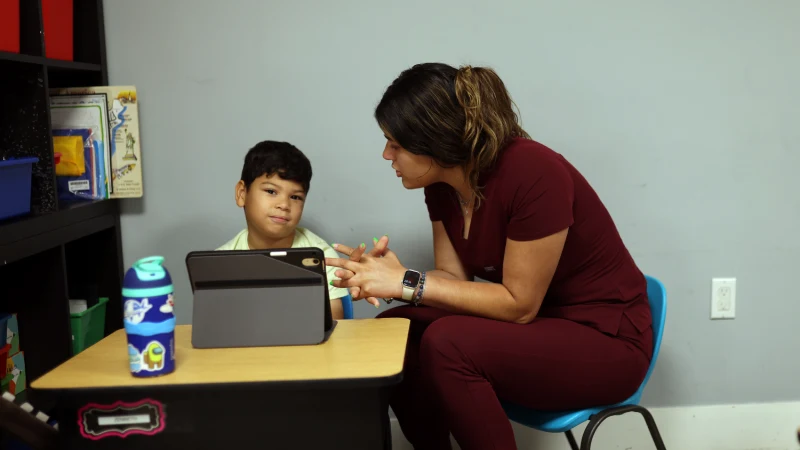
Supporting an autistic child's back-to-school transition in Florida with professional guidance from Koala ABA.

Applied Behavior Analysis (ABA) therapy has transformed the lives of thousands of children with autism, offering effective strategies to foster child development. But behind every session, there are specialized ABA therapy tools—ranging from visual supports to technology for behavioral tracking—that truly make the difference in autism treatment.

At Koala ABA & Learning Centers, we use personalized ABA therapy tools that encourage real progress in communication and social skills. This article introduces you to six of our most commonly used tools, explaining how they work and why they are so effective in a therapy environment focused on growth.

If you’re looking for ABA therapy options that combine science with proven results, this guide will help you understand why so many families place their trust in us.

Keep reading!

What Are ABA Therapy Tools and Why Do They Transform Learning?

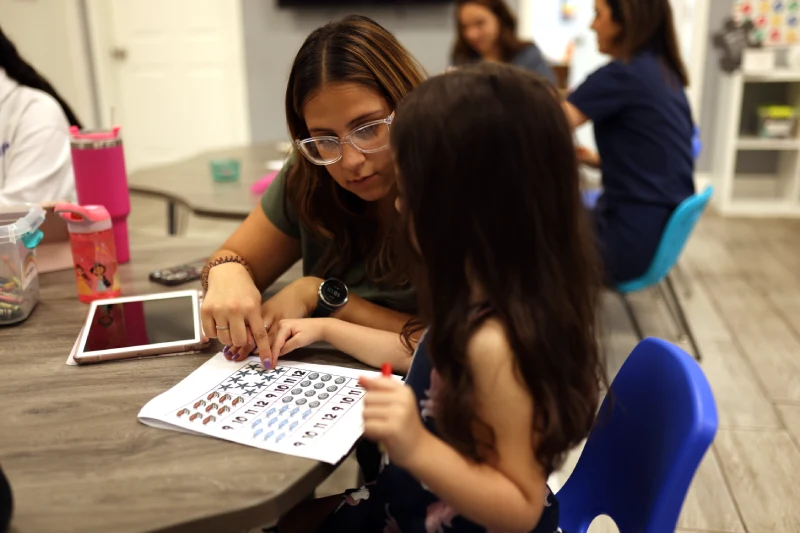
Image detailing ABA Therapy Tools that benefit children with autism, available at Koala ABA.

When we talk about ABA Therapy, we’re not only referring to a scientific methodology—we’re talking about a way to support and enhance the development of children with autism by building on their strengths. ABA therapy tools are the resources that make this process effective, personalized, and emotionally meaningful.

These tools are not just study materials; they are bridges—lasting connections between each child with autism and their environment, between learning and independence. At Koala ABA & Learning Centers, we know that every tool we use must create a real, measurable impact that contributes to each child’s development.

Understanding Applied Behavior Analysis (ABA).

By now, we know that Applied Behavior Analysis is the scientific foundation of ABA therapy. At its core, ABA focuses on understanding and modifying behavior to improve the well-being and quality of life of children with autism. But beyond the theory, what really matters is how it’s applied in everyday life.

To put it into perspective, here are some of the key principles of Applied Behavior Analysis (ABA):

  • Systematic observation: Analyzing how the child interacts with their environment to identify behavior patterns.
  • Personalized intervention: Adapting strategies to the child’s needs, interests, and learning pace.
  • Positive reinforcement: Encouraging desired behaviors using motivators the child values.
  • Ongoing evaluation: Collecting data to adjust interventions and ensure effectiveness.

Why Are ABA Therapy Tools So Important?

Beyond the scientific evidence supporting ABA Therapy, therapists need tangible tools—“weapons,” so to speak—to apply it effectively and consistently. At Koala ABA & Learning Centers, ABA is not just a behavioral technique—it’s a way to support with respect, to guide with empathy, and to create learning experiences that last.

So, why do ABA Therapy tools transform learning? Here’s why:

  1. They create a predictable and safe environment: Establishing clear routines that reduce anxiety and increase participation.
  2. They make communication and understanding easier: Helping children turn their needs into concrete actions, encouraging independence.
  3. They allow precise progress tracking: Data collection and behavior monitoring make it possible to adjust strategies in real time.
  4. They motivate through positive reinforcement: Reward systems celebrate achievements and build self-esteem.
  5. They open doors to early intervention: ABA tools enable quick, sensitive action when it matters most.

Top 6 ABA Therapy Tools We Use at Koala ABA.

Visual guide to 6 ABA Therapy Tools provided for kids with autism by Koala ABA.

At Koala ABA & Learning Centers, every tool we use has a clear purpose: to make learning easier, reduce barriers, and build connections between the child and their environment. It’s not just about applying advanced techniques—it’s about creating meaningful experiences that respect each child’s pace, needs, and potential.

That’s why these six ABA therapy tools we’re about to share have been carefully selected for their clinical effectiveness, adaptability, and emotional impact. They are, in many ways, the heart of our sessions—and each plays a fundamental role in the behavioral intervention process.

Here they are:

1. Visual Supports for Autism.

Visual supports are essential for many children with autism, especially those who learn best through images, routines, and clear visual cues. They enhance understanding, reduce anxiety, and promote independence. Some of their benefits include:

  • Anticipating activities: Helping the child know what comes next, reducing uncertainty.
  • Reinforcing instructions: Supporting verbal communication with images that make understanding easier.
  • Encouraging independence: Allowing the child to make choices and follow routines on their own.

2. Reinforcement Systems.

Positive reinforcement is one of the cornerstones of ABA therapy. It motivates learning and celebrates each achievement with empathy. At Koala ABA & Learning Centers, we use personalized reinforcement systems that recognize effort and encourage desired behaviors, achieving:

  • Increased functional behaviors: Supporting skills that promote development.
  • Self-esteem building: Helping the child feel valued and understood.
  • Tailored reinforcement: Adapting to what the child enjoys and needs most.

3. Behavior Tracking Tools.

Behavior tracking is crucial to understanding how a child is progressing and which interventions are working. It also allows us to adjust treatment plans in real time. At Koala ABA, we use both digital and manual tools for precise monitoring, which help with:

  • Pattern detection: Identifying emerging or repetitive behaviors.
  • Continuous evaluation: Adjusting strategies based on real data.
  • Transparency with families: Parents can see their child’s progress and actively participate.

4. Data Collection in ABA.

Data collection is not just a technical task—it’s an effective way to ensure every session makes an impact. It turns observations into sound clinical decisions. At Koala ABA & Learning Centers, we use accessible yet rigorous data systems to document progress and achieve:

  • Objective measurement of progress: Eliminating guesswork with evidence-based evaluation.
  • Justification of interventions: Every choice is supported by data.
  • Team empowerment: Ensuring all professionals share a common foundation.

5. Structured Learning Tools.

ABA therapy tools help children with autism better understand tasks and move forward with independence and confidence. They also reshape the environment to make skill development easier. At Koala ABA, their use has led to:

  • Reduced distractions: Creating a space that supports focused learning.
  • Activity sequencing: Helping children know what to do and in what order.
  • Fostering autonomy: Promoting independent work and decision-making.

6. Behavioral Intervention Tools.

When behaviors arise that interfere with learning or social interaction, specific tools are needed to address them—not with punishment, but with understanding and functional analysis. At Koala ABA, we approach these challenging behaviors with respect and precision, leading to:

  • Crisis prevention: Identifying early warning signs and acting quickly.
  • Respectful intervention: Avoiding confrontation while promoting self-control.
  • Strengthening social skills: Teaching children how to express feelings in a functional way.

Why Families Trust Koala ABA for Autism Therapy?

Essential ABA Therapy Tools for autism spectrum disorder, showcased by Koala ABA.

At Koala ABA & Learning Centers, we understand that choosing an ABA therapy center is an emotional decision for parents of children with autism. Families are looking for more than clinical services—they want a place where their children are understood, supported, and cared for with professionalism and compassion.

That’s why our ABA therapy tools are designed to build strong, lasting bonds of trust. Our philosophy blends science, experience, and empathy. Families trust us not only because of measurable results, but also because of the warmth and humanity we bring to every interaction.

For all these reasons, more and more families choose us as their allies in their child’s development journey.

Individualized ABA Programs for Children.

At Koala ABA & Learning Centers, we’ve learned something from every child we’ve worked with: each one is unique, and so their program must be too. That’s why we design completely personalized intervention plans tailored to each child’s pace, needs, and interests.

What does this look like in practice?

  • Comprehensive initial evaluations: Assessing the child’s behavioral, communication, and emotional profile.
  • Clear, achievable goals: Setting objectives that fit both family and school contexts.
  • Flexible approaches: Adapting strategies based on the child’s progress and parent feedback.

Ready to Discover ABA Therapy Tools That Make a Difference?

Choosing the right tools, the right team, and the most inclusive approach can profoundly impact the lives of children with autism. At Koala ABA & Learning Centers, we don’t just use ABA therapy tools—we live them with commitment, sensitivity, and effectiveness.

If you’ve read this far, it’s because you’re looking for more than just information. You’re looking for trust, results, and real support.

This is the moment to take the next step—Contact us today!

Remember: your child deserves specialized care that motivates them and helps them grow toward a truly fulfilling life.

SOUND Therapy for Kids With Autism: 8 Proven Benefits at Koala ABA

SOUND Therapy for Kids With Autism: 8 Proven Benefits at Koala ABA & Learning Centers.

For many children with autism, sound is their only way of experiencing the world. And in that complex sensory universe, S.O.U.N.D. Therapy (Structured Outreach Using Neurodevelopmental Dynamics) emerges as a powerful tool to improve auditory processing and strengthen connection with the environment through sound stimulation.

In this sense, and unlike traditional music therapy, SOUND Therapy uses methods such as Tomatis or AIT to facilitate sensory integration. That’s why in this article, we’ll explore the different types of SOUND Therapy programs, how they differ from other auditory therapies, and the most notable benefits that could transform your child’s life starting today.

Get ready to discover how sound can become their pathway to connection, calm, and growth.

What Is SOUND Therapy and How Does It Help Children with Autism?

Koala ABA & Learning Centers: Helping kids with autism thrive through 8 proven SOUND Therapy benefits.

SOUND Therapy is a specialized auditory intervention that uses sound patterns to stimulate the brain and improve sensory integration. This approach is based on neuroscientific principles such as the Tomatis Method or Auditory Integration Training (AIT) to reprogram how a child’s nervous system processes sound.

Why is it revolutionizing support for children with autism? Here are some clues:

  1. Stimulates deep auditory processing, helping children better interpret sounds in their environment.
  2. Reduces sensory hypersensitivity, one of the most common causes of anxiety and overload in children with ASD.
  3. Improves communication and language by enhancing the connection between auditory perception and verbal expression.
  4. Promotes emotional self-regulation thanks to sound’s direct influence on the limbic system.
  5. Complements other therapies, such as ABA therapy or occupational therapy, enhancing their results.

How Is SOUND Therapy Different from Traditional Music Therapy?

Although they share the use of sound as a therapeutic tool, SOUND Therapy, music therapy, and traditional sound therapy have very different approaches, goals, and techniques. Understanding these differences is key to choosing the most appropriate treatment for each child with autism.

Here’s how they compare:

S.O.U.N.D. Therapy.

  • Approach: Auditory neurostimulation.
  • Goal: Retrain sensory processing and improve auditory integration.
  • Common techniques: Tomatis Method, AIT, structured auditory stimulation.

Music Therapy.

  • Approach: Emotional, social, and communicative expression.
  • Goal: Improve interaction, language, and emotional bonding.
  • Common techniques: Musical improvisation, singing, rhythm, musical games.

Why Choose SOUND Therapy Over Other Approaches?

Here are three key reasons:

  1. It is specifically designed to address auditory processing—a crucial function for many children with ASD.
  2. It has neuroscientific backing, with studies showing improvements in attention, language, and emotional regulation.
  3. It adapts to the child’s sensory profile, allowing for more precise and effective intervention.

What Types of SOUND Therapy Programs Are Available?

Koala ABA & Learning Centers: Witness the 8 proven benefits of SOUND Therapy for kids with autism.

SOUND Therapy is not a single method but a set of auditory programs designed to stimulate the brain in specific ways, according to each child’s needs. From clinical methods like Tomatis and AIT to more natural approaches, each type of therapy offers unique benefits.

Why is it important to know the types of programs available?

  1. It allows treatment to be tailored to the child’s sensory and cognitive profile.
  2. It facilitates collaboration with therapists and specialists by helping parents understand the available options.
  3. It supports informed decision-making that aligns with family and therapeutic goals.
  4. It optimizes results by choosing the most suitable SOUND Therapy program.

Key program types:

Tomatis Method.

  • Uses filtered music and the mother’s voice to stimulate the inner ear.
  • Improves attention, language, and motor coordination.
  • Retrains the brain’s interpretation of sounds.

Auditory Integration Training (AIT).

  • Uses short sessions with modified music to reduce auditory hypersensitivity.
  • Helps children who react negatively to certain sounds (vacuums, alarms, high-pitched voices).
  • Improves sensory tolerance and concentration.

The 8 Biggest Benefits of SOUND Therapy for Children with Autism.

Without a doubt, SOUND Therapy has proven to be a powerful tool for improving the quality of life of children with autism. By working directly on auditory processing, it offers numerous benefits that impact a child’s emotional, cognitive, and behavioral development.

Why is SOUND Therapy so effective? Here’s a quick summary:

  1. Works on the central nervous system, helping the brain better organize auditory information.
  2. Reduces sensory overload, one of the most common causes of anxiety and dysregulated behaviors.
  3. Improves communication and social interaction by strengthening the link between what the child hears and how they respond.

Now let’s take a closer look at the 8 most impactful benefits of SOUND Therapy—backed by clinical experience.

1. Improves Auditory Processing Skills.

  • Helps the brain filter, organize, and prioritize environmental sounds.
  • Reduces auditory confusion and improves sustained attention.
  • Facilitates understanding of spoken language in noisy environments.

2. Strengthens Communication and Social Interaction.

  • Stimulates brain areas related to receptive and expressive language.
  • Improves responsiveness to verbal and non-verbal cues.
  • Supports the development of conversational skills and eye contact.

3. Improves Motor Skills and Body Awareness.

  • Structured sound can influence fine and gross motor coordination.
  • Helps children connect what they hear with their physical actions.
  • Promotes greater awareness of body position in space.

4. Reduces Sensory Overload and Processing Difficulties.

  • Decreases overreactivity to everyday sounds.
  • Helps regulate the sensory system, reducing defensive behaviors.
  • Improves tolerance for environments with multiple stimuli.

5. Supports Emotional Regulation and Focus.

  • Sound directly influences the limbic system, which manages emotions.
  • Promotes calmness and concentration.
  • Reduces episodes of anxiety, frustration, or hyperactivity.

6. Boosts Participation in Early Interventions.

  • Improves the child’s readiness to participate in therapy sessions.
  • Increases openness to new activities and routines.
  • Enhances results of programs such as ABA or occupational therapy.

7. Helps with Attention and Hyperactivity (ADHD).

  • Stimulates the ability to maintain focus on specific tasks.
  • Reduces impulsivity and improves self-control.
  • Supports mental organization and action planning.

8. Encourages Relaxation and Behavioral Balance.

  • Induces deep relaxation through specific frequencies.
  • Decreases disruptive behaviors and improves self-regulation.
  • Promotes an emotionally stable environment at home and in therapy.

Frequently Asked Questions About SOUND Therapy for Children with Autism.

Koala ABA & Learning Centers: Empowering kids with autism through the 8 proven benefits of SOUND Therapy.

1. What exactly is SOUND Therapy for children with autism?

It’s a specialized auditory intervention that uses sound patterns to improve auditory processing, sensory integration, and emotional regulation in children with ASD.

2. What are the main benefits of SOUND Therapy for children with autism?

Improved auditory processing, reduced sensory overload, language development, increased social interaction, and support for emotional self-regulation.

3. Where can you access SOUND Therapy in Miami?

Koala ABA & Learning Centers, in Doral, Florida, offers specialized SOUND Therapy programs integrated with ABA therapies and other personalized interventions.

Why Koala ABA Is a Leader in SOUND Therapy for Children with Autism?

At Koala ABA & Learning Centers, our commitment to each child’s development drives us to integrate SOUND Therapy into our specialized programs. We offer a personalized approach that maximizes the benefits of auditory processing and emotional regulation.

Our S.O.U.N.D.™ program is specifically designed for children ages 2 to 12, combining therapeutic frequencies with musical therapy and ABA tools to strengthen essential skills such as communication and motor coordination—all within a safe and stimulating environment.

What sets Koala ABA apart in SOUND Therapy?

At Koala ABA & Learning Centers, SOUND Therapy goes far beyond simple musical intervention—it’s a complete therapeutic ecosystem that transforms the way children with autism experience emotions, communicate, and connect with the world around them:

  • Immersive, sensory-safe environment: Our studio is equipped with Solfeggio frequencies that envelop the space.
  • Active child participation: Children don’t just listen—they create and manipulate sounds.
  • Support for self-regulation: Auditory stimulation is strategically used to help children calm themselves.

Transform your child’s life with the power of sound!

Yes, it’s time to hear progress. Discover how SOUND Therapy at Koala ABA & Learning Centers can revolutionize your child’s communication and development.

There’s no time to waste—Contact us now and let’s change their world with the power of sound!


CDE for Autism: Understanding ADOS-2, CARS-2 & EarlyPoint Tools

Infographic highlighting 5 early signs of Gestalt Language in children with autism, presented by Koala ABA.

There’s no doubt that early detection of autism makes a significant difference in a child’s development. That’s why the Comprehensive Diagnostic Evaluation (CDE for Autism) is an essential step toward effective treatment. Most importantly, this process allows professionals to make a truly accurate diagnosis of Autism Spectrum Disorder.

At Koala ABA & Learning Centers, families find a multidisciplinary approach that includes Speech and Occupational Therapy evaluations, ensuring long-term results. That’s why this article will guide you step by step through everything a CDE involves—and the most commonly used tools to carry it out with your child’s well-being in mind.

If you’re looking for guidance and a team that supports you with both compassion and professional rigor, this guide is for you. Let’s dive in!

What Is a Comprehensive Diagnostic Evaluation (CDE for Autism)?

CDE for Autism: Understanding ADOS-2, CARS-2 & EarlyPoint Tools at Koala ABA.

The Comprehensive Diagnostic Evaluation (CDE for Autism) is the most thorough and reliable clinical process for identifying Autism Spectrum Disorder (ASD) in children. It’s not just a single test—it’s a series of coordinated evaluations designed to understand each child’s unique profile and build a personalized intervention plan.

This type of evaluation is especially valuable during the early years of life when autism signs may still be subtle. Tools like ADOS-2, CARS-2, and programs such as EarlyPoint are part of this comprehensive approach, along with parent interviews and critical clinical assessments.

Why Is Early Autism Detection So Important?

Identifying autism early allows families to activate all the resources that boost early childhood development. That’s why getting a CDE during this stage gives your child greater opportunities for growth and success. A well-executed CDE for Autism should offer:

  • A precise, multidimensional diagnosis based on clinical observation, interviews, and standardized testing.
  • Early access to effective therapies like ABA, speech, occupational, and physical therapy.
  • Clear, compassionate guidance for families, offering helpful and respectful information.
  • Prevention of late or inaccurate diagnoses that may delay access to appropriate support.
  • Greater educational and social inclusion by enabling tailored support in schools and communities.

When Should You Consider a CDE? EarlyPoint Signs Between 16–30 Months.

The earliest signs of ASD are critical for an accurate diagnosis. In this context, the EarlyPoint program is designed to detect early signs of autism in children between 16 and 30 months of age. As a parent, here are some key behaviors to watch for:

  1. Delays in language or non-verbal communication (such as gestures, eye contact, or babbling).
  2. Challenges in social interaction, like lack of interest in shared play or limited response to their name.
  3. Repetitive behaviors or unusual play patterns, such as lining up objects or spinning wheels repeatedly.
  4. Intense reactions to sounds, textures, or changes in routine, which may suggest sensory sensitivities.
  5. Regression in acquired skills, such as stopping speech or losing interest in surroundings.

What Does a Comprehensive Diagnostic Evaluation Include?

CDE for Autism: Understanding ADOS-2, CARS-2 & EarlyPoint Tools at Koala ABA.

A CDE for Autism is much more than a standard medical consultation. It’s a clinical process that precisely identifies developmental delays—especially when ASD is suspected. It combines standardized tools and direct observation to build a detailed profile of your child.

At specialized centers like Koala ABA & Learning Centers, the CDE for Autism is conducted with a multidisciplinary approach involving professionals from psychology, speech therapy, occupational therapy, and more, as needed. Below, we break down each key component of this evaluation:

Parent Interview and Observation Questionnaire.

This first step is essential to understanding the child’s environment and daily routines. This first stage of the CDE for Autism helps provide a more contextualized view of the child through:

  • Gathering medical and family history, including developmental milestones.
  • Indirect observation via standardized questionnaires completed by parents.
  • Identification of behavior patterns, interests, routines, and potential challenges.
  • A space to express concerns, emotions, and expectations for the diagnostic process.

Speech and Language Therapy Evaluation.

Language in all its forms is the primary connection between children with ASD and the world around them. Speech therapy is a pillar of childhood development, so this evaluation focuses on:

  • Verbal comprehension and expression, including vocabulary, grammar, and fluency.
  • Receptive and expressive language—how the child understands and uses language.
  • Use of gestures, eye contact, and conversational turn-taking—key markers in autism diagnosis.
  • Identification of language delays or disorders that may co-occur with ASD.

Occupational and Physical Therapy Evaluations.

Occupational therapy is essential for strengthening social skills in children with autism. Physical evaluations help us understand how children relate to their environment by assessing:

  • Fine and gross motor skills, such as coordination, balance, and strength.
  • Sensory processing, including sensitivity to sounds, textures, or movement.
  • Independence in daily activities like dressing, eating, or play.
  • Sensory integration evaluation—crucial for children with atypical responses to their surroundings.

What Tools Are Used to Diagnose Childhood Autism?

CDE for Autism: Understanding ADOS-2, CARS-2 & EarlyPoint Tools at Koala ABA

The Comprehensive Diagnostic Evaluation (CDE for Autism) relies on standardized tools that allow professionals to identify ASD characteristics with accuracy. These tools not only help confirm the diagnosis but also determine the level of support each child may need.

From observation scales like ADOS-2 and CARS-2 to programs like EarlyPoint, each contributes valuable insight toward the challenge of accurate diagnosis. Fortunately, specialized centers like Koala ABA & Learning Centers combine these tools with evidence-based approaches to create a dependable profile.

EarlyPoint (16–30 Months): Early Detection and Its Impact.

The EarlyPoint program is designed to detect signs of autism in very young children—typically between 16 and 30 months. Its greatest value lies in enabling early, natural, and effective intervention:

  • Detects subtle signs like lack of eye contact, absence of babbling, or social gestures.
  • Allows therapy to begin before age 3, when neuroplasticity is at its peak.
  • Reduces the risk of accumulating delays by addressing issues before they solidify.

ADOS-2: Autism Diagnostic Observation Schedule.

ADOS-2 is considered the gold standard in childhood autism assessment—and with good reason. It involves direct observation of the child in very specific and sensitive situations:

  • Assesses communication, social interaction, and symbolic play through various modules based on age and verbal level.
  • Compares behaviors to clinical criteria, supporting precise diagnosis.
  • Adaptable for both verbal and non-verbal children—from 12 months through adulthood.

CARS-2: Childhood Autism Rating Scale.

Autism affects children differently, and CARS-2 helps determine the severity of ASD and differentiate it from other developmental disorders:

  • Analyzes 15 behavioral areas such as social relationships, body language, and emotional response.
  • Includes both parent and professional versions, offering a comprehensive view.
  • Complements the ADOS-2 by providing a quantitative perspective of the spectrum.

Why Choose Koala ABA for Your Child’s CDE?

To us, every child is more than just a diagnosis or a treatment plan. At Koala ABA & Learning Centers, we understand how it feels to first face the signs of a possible developmental disorder. We also know how overwhelming that moment can be for a parent—the doubts, the fear of “what now?”

That’s why we’ve created a space where families feel heard and supported from day one. Our CDE for Autism isn’t just a clinical process—it’s the first step toward the support your child needs to live a full and joyful life.

For your peace of mind, we use state-of-the-art tools like ADOS-2, CARS-2, and the EarlyPoint early detection program. But what truly sets us apart is how we use them: with empathy and a deep appreciation for every child’s unique strengths.

When you choose Koala ABA, you receive:

  • A thorough evaluation based on scientific tools.
  • An environment tailored to your child’s emotional needs.
  • In-depth observations in real, personalized settings.
  • Clear therapeutic recommendations and a personalized report.

And above all: support before, during, and after the full diagnostic process.

Your Child Deserves a Bright Future: The First Step Starts Here.

At Koala ABA & Learning Centers, we believe in the power of early diagnosis and the limitless potential of every child. So if you suspect your child may be on the autism spectrum—or if you simply want answers through a professional evaluation—trust us. You are not alone.

Contact us today! Schedule a Comprehensive Diagnostic Evaluation with our team. The sooner you take this first step, the sooner your child can shine in their own light.


Top 10 Therapeutic Toys Recommended by Behavior Analysts

Top 10 Therapeutic Toys Recommended by Behavior Analysts.

Watching your child play happily is one of the most heartwarming experiences—especially if you’re the parent of a child with autism. When it comes to child development in autism, every play session becomes a powerful opportunity to connect with others. Therapeutic toys, in this context, aren’t just fun—they’re essential tools that help strengthen social skills.

Today, we’re sharing a carefully curated list of 10 therapeutic toys recommended by certified behavior analysts. These toys are designed to boost development in children with autism. From sensory regulation to speech development, you’ll see how each toy can turn a fun moment into meaningful progress in your child’s quality of life.

So, get ready to explore fun, effective, and specially tailored options for your child’s unique needs. Keep reading!

Why Use Therapeutic Toys in Autism Treatment?

Therapeutic Toys by Koala ABA: Enhancing Development Through Play.

When we focus on childhood autism, it’s clear that appropriate intervention can make a real difference in accelerating the development of social skills. That’s where therapeutic toys work their magic—as tools that support cognitive, emotional, and communication growth in children with autism through healthy, enjoyable play.

These toys are a core part of approaches like ABA Therapy (Applied Behavior Analysis), where play becomes a strategic ally in teaching, reinforcing, and connecting. Their real value lies in the tangible benefits they bring to a child’s overall development and well-being.

So, why are therapeutic toys important in child development? Here’s why:

  • They stimulate social and communication skills: Toys help children practice imitation, recognize emotions, and use functional language.
  • They support sensory integration: They help kids regulate visual, tactile, and auditory stimuli.
  • They reinforce positive behaviors through ABA Therapy: Used as motivational rewards, they increase desirable behaviors.
  • They encourage independence and decision-making: Through free exploration, children learn to choose, solve problems, and create.
  • They support parents and therapists at home or in clinical settings: They make it easier to replicate therapeutic strategies in everyday environments.
  • They adapt learning to individual needs: There are specific toys for developing each skill a child may need.

How Do Behavior Analysts Choose Therapeutic Toys?

In the world of ABA Therapy, the best toys for child development are never chosen at random. Each toy is carefully selected with a specific developmental goal in mind—particularly for building key skills in children with autism. Every therapeutic toy can become a bridge toward sensory integration and learning.

Behavior analysts are like strategists in child development, identifying the most effective tools for each unique case. And it’s not about what looks most appealing—these decisions are based on in-depth technical assessments. Below are the main criteria behavior analysts use to choose the most effective therapeutic toys:

  • Clearly defined therapeutic goals: Toys are chosen to help achieve behavioral milestones like improving speech or learning to wait for turns.
  • Child’s age and developmental stage: Toys are matched to the child’s level to ensure they are engaging without being overwhelming.
  • Type of skill being targeted: Toys are selected based on whether the goal is fine motor, social, sensory, language, or problem-solving skills.
  • Emotional and motivational response of the child: ABA toys are most effective when they encourage active participation.
  • Adaptability to different environments: Preference is given to toys that work well both in clinical settings and at home.
  • Compatibility with ABA techniques: Toys must support and reinforce positive behavioral changes.
  • Evidence-based recommendations: Selections are informed by proven results and feedback from certified therapists.

The 10 Best Therapeutic Toys for Social Skill Development.

Explore Koala ABA's Range of Therapeutic Toys for Children's Growth.

For a child with autism, learning to interact with others isn’t always a natural process. It often requires very specific tools and highly personalized strategies. This is where educational toys for special needs become truly transformative—not just entertaining, but also instrumental in expressing emotions.

Therapeutic toys aren’t chosen by chance—they’re the result of thoughtful selection by certified behavior analysts. These experts rely on the principles of behavioral therapy to strengthen positive behaviors and encourage healthy social interactions.

Here’s how therapeutic toys support the development of social skills:

  • Encourage shared play.
  • Build empathy and emotional communication.
  • Help children understand roles and social dynamics.
  • Promote eye contact and joint attention.
  • Reduce anxiety during social interactions.

So, you might be wondering: Which toy is right for my child? Don’t worry—we’ve compiled a list of 10 must-have toys that help develop vital skills:

1. Building Blocks:

Promote cooperation, teamwork, and taking turns while building fun structures together.

2. Large-Piece Puzzles:

Encourage communication and teamwork while boosting patience and functional language.

3. Sensory Bins:

Perfect for exploring textures and colors while supporting interaction and sensory integration.

4. Animal or People Figures:

Great for imaginative play that teaches social scenes, emotions, roles, and settings.

5. Cause-and-Effect Toys:

Help build joint attention, turn-taking, and an understanding of basic social outcomes.

6. Shape and Color Sorters:

Foster peer collaboration, instruction-following, and descriptive language.

7. Weighted or Textured Balls:

Reinforce shared physical play, improve emotional regulation, and encourage physical interaction.

8. Tablets with Educational Apps:

Enable collaborative learning through apps focused on language and emotional identification.

9. Turn-Taking Games:

Teach important social rules like waiting, respect, and group participation in a fun, structured way.

10. Interactive or Tactile Books:

Ideal for group or pair reading, enhancing communication, emotion recognition, and open dialogue.

How to Use Therapeutic Toys Effectively?

Providing Specialized Therapeutic Toys to Support Your Child's Needs.

Having the right therapeutic toys is only the first step. Real transformation happens when these toys are seamlessly integrated into your child’s daily routine—whether at home or in therapy sessions. In ABA Therapy, every play session is an opportunity to reinforce skills and create emotional connections.

Parents and behavior analysts can turn every moment of play into a meaningful, growth-focused experience. Of course, the success of play-based therapy depends on how well it’s tailored to the child’s individual needs.

Here are some best practices to help you get the most out of therapeutic play:

  • Set a clear objective for each session: Define goals such as improving language, enhancing motor skills, or managing sensory stimuli.
  • Create a predictable but flexible routine: A structured play schedule helps reduce anxiety by setting expectations.
  • Choose toys based on your child’s interests: Motivating toys lead to greater engagement and natural learning.
  • Incorporate play into daily activities: Use toys during meals, bath time, or bedtime to reinforce learning in real-life contexts.
  • Use positive reinforcement during play: Celebrate each success (even attempts!) with praise or small rewards to build emotional bonds.
  • Encourage adult-child interaction: Involving parents or therapists helps model social and communication behaviors.
  • Minimize distractions in the play environment: Safe, organized spaces allow children to stay focused on the activity.
  • Track progress and adjust strategies as needed: Keep notes on which toys work best to refine your intervention plan.

Koala ABA & Learning Centers: Turning Play into Progress and Independence.

At Koala ABA & Learning Centers, we believe play is more than just fun—it’s a gateway to each child’s development. That’s why our certified ABA therapists work closely with families to turn every playful activity into a moment of emotional connection and growing independence.

From therapeutic toys to thoughtfully designed activities, each session is personalized to match the child’s needs. Our approach combines ABA Therapy with the creativity of interactive play, ensuring children feel motivated and supported every step of the way.

We also incorporate play-based Occupational Therapy, both indoors and outdoors, with interventions that promote:

  • Motor skill development.
  • Emotional self-regulation.
  • Key cognitive abilities.

Ready to see your child thrive through play? At Koala ABA & Learning Centers, Florida, we believe that every child with autism has the potential to grow and succeed—with the right professional support.

Contact us today! Let us show you how every toy and every play session can lead to meaningful progress and well-being for your child.


Top 5 Benefits of Neuromod™ for Children with Autism at Koala ABA

Discover the best sleep aid for autistic child and learn behavioral strategies to improve sleep at Koala ABA.

While “traditional therapies” for childhood autism still have solid evidence, scientific advancements in this field are extremely important for children with autism. In this regard, at Koala ABA & Learning Centers, we understand that parents seek innovative and safe therapies to support their children’s proper development.

One of the most valuable tools is Neuromod™, a therapy that leverages the brain’s neuroplasticity to enhance skills such as language and socialization. Therefore, in this article, we will explore several benefits of Neuromod™ for children with autism and how this therapy makes a real difference in their quality of life.

If you are looking for an advanced and effective alternative to support your child’s development, keep reading! The benefits of Neuromod™ for children with autism could be the solution you have been waiting for.

What is Neuromod™ Therapy and How Does It Work?

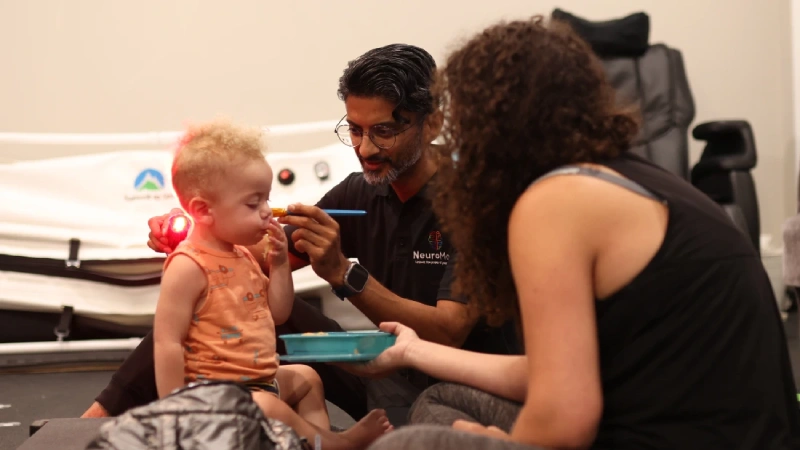
Therapist demonstrating the benefits of Neuromod™ for children with autism in sensory regulation at Koala ABA.

Neuromod™ is an innovative intervention that uses non-invasive stimulation to activate specific areas of the brain, promoting positive behavioral changes in children with autism. Based on neuroplasticity, it also reorganizes neural connections to improve brain functionality in children with Autism Spectrum Disorder (ASD).

At this point, unlike other approaches to ASD, the benefits of Neuromod™ for children with autism are not limited to merely modifying behaviors; they transform the way the brain processes information. This evidently allows for profound advancements in the social skills development of autistic children, thereby supporting their rehabilitation.

To give you a clearer idea, here are the main features of Neuromod™ Therapy:

  • Targeted brain stimulation: Utilizes neuromodulation technology to activate brain areas related to language and attention.
  • Non-invasive and safe: Does not require medications or surgical procedures, making it a safe option for young children.
  • Based on scientific evidence: Supported by studies on neuroplasticity and neurological development in individuals with ASD.
  • Complementary to other therapies: Can be integrated with behavioral interventions like ABA, enhancing their effects.
  • Personalized according to the child’s neurological profile: Each session is tailored to individual needs, maximizing results.

How Does Neuromod™ Work in a Child’s Brain?

Neuromod™ gently stimulates the child’s brain, boosting information processing and emotional regulation. By leveraging the brain tissue’s adaptability, the benefits of Neuromod™ for children with autism include reinforcing neural pathways while calming hyperactive areas. In summary, Neuromod™:

  • Activates underutilized neural networks: Stimulates brain areas related to communication and empathy.
  • Reinforces brain connectivity: Improves synchronization between different brain areas, facilitating more adaptive responses.
  • Reduces neuronal hyperactivity: Helps regulate brain activity through Transcranial Magnetic Stimulation (TMS).

What Are the Benefits of Neuromod™ for Children with Autism?

Smiling child after a Neuromod™ session at Koala ABA, reflecting the benefits of Neuromod™ for children with autism .

The biggest challenge in treating symptoms of ASD is fostering social interactions during childhood. Therefore, the benefits of Neuromod™ for children with autism emerge as transformative tools that go beyond traditional methods. How? With faster results, using advanced technologies, and being minimally invasive.

Additionally, its ability to stimulate brain neuroplasticity allows for sustainable advancements in the cognitive development of children with autism. For this reason, we present below some of the most important benefits of Neuromod™ for children with autism, supported by clinical evidence in specialized centers.

Main Benefits of Neuromod™ for Children with Autism:

  • Improvement in verbal and non-verbal communication: Stimulates certain brain areas, facilitating the expression of ideas, emotions, and needs.
  • Reduction of core symptoms of ASD: Helps decrease repetitive behaviors and sensory hypersensitivity.
  • Increase in attention and concentration: Promotes the activation of neural networks that allow for sustained focus.
  • Development of social skills: Enhances the ability to initiate and maintain meaningful social interactions.
  • Strengthening of emotional self-regulation: Contributes to better management of frustration and anxiety in children.
  • Sustainable long-term results: Progress tends to be maintained over time, even after therapy has concluded.

How Does Neuromod™ Support Language Development?

One of the most common challenges for children with autism is language development. Whether it’s delays in comprehension or functional use of speech, these barriers affect their quality of life. In specialized centers like Koala ABA & Learning Centers, the benefits of Neuromod™ for children with autism enhance the results of interventions such as speech therapy.

How Does Neuromod™ Enhance Language in Children with ASD?

  • Activates brain areas related to speech: Stimulates key regions for language production and comprehension.
  • Reduces neurological blockages affecting communication: Decreases neuronal rigidity that interferes with verbal responses.
  • Enhances receptive language comprehension: Helps the child better understand instructions, questions, and emotional expressions.
  • Stimulates functional and spontaneous language: Promotes the use of language in natural contexts, such as asking for help or participating in games.
  • Complements other speech therapies: Neuromod™ enhances the impact of sessions with speech therapists.

How Are Social Skills Developed Through Neuromod™?

Parents attentively watching a Neuromod™ session at Koala ABA, interested in the benefits of Neuromod™ for children with autism.

Clearly, social skills are fundamental for children with autism to communicate effectively and navigate their social environment. However, it is common for many children with ASD to have difficulties interpreting social cues, maintaining eye contact, or actively participating in collaborative play.

This is where the brain’s ability to form new neural connections comes into play. Thanks to the benefits of Neuromod™ for children with autism, it is possible to stimulate the brain areas involved in empathy and social understanding. This stimulation facilitates the learning of social behaviors more naturally.

How Does Neuroplasticity Contribute to Social Development in Children with ASD? Here’s a summary:

  • Reinforces neural circuits related to empathy: Stimulates essential regions for recognizing emotions in others.
  • Improves interpretation of non-verbal cues: Facilitates understanding gestures, facial expressions, and tones of voice.
  • Increases social motivation: By activating brain reward centers, the child experiences greater interest in interacting with others.
  • Enhances joint attention and eye contact: Improves the ability to share attention with another individual.
  • Reduces anxiety in social situations: Decreases sensory and emotional overload that can hinder group participation.
  • Facilitates learning of social norms: Allows for the incorporation of new social behaviors in a more flexible and adaptive manner.

Why Choose Koala ABA & Learning Centers for Neuromod™ Therapy?

At Koala ABA & Learning Centers, we understand that there are no small decisions when it comes to the well-being of an autistic child. That’s why, at our center, we not only offer the benefits of Neuromod™ for children with autism; we also provide a safe, structured environment that is completely focused on real results.

In this way, our comprehensive approach combines clinical evidence with an inclusive treatment that makes a difference. We use advanced technology, such as FDA-approved EEG and therapeutic laser, to personally reinforce the cognitive, emotional, and social development of each of our children.

Why is Koala ABA your best choice for Neuromod™?

In every session, in addition to the benefits of Neuromod™ for children with autism, we are committed to providing:

  • Personalized protocols: We adapt the therapy to the neurological and behavioral profile of each child.
  • Comprehensive approach: We combine Neuromod™ with ABA Therapy and Speech Therapy to maximize results.
  • Data-driven evolution: We continuously assess progress to adjust interventions based on the child’s development.

Contact us today! Take the first step towards a future full of possibilities for your child! At Koala ABA & Learning Centers in Doral, Florida, we are ready to help them unlock their full potential.

Don’t wait any longer: discover how Neuromod™ Therapy can truly transform their life, step by step.

Speech Therapy for Toddlers in Doral, FL: Boost Their Confidence Today

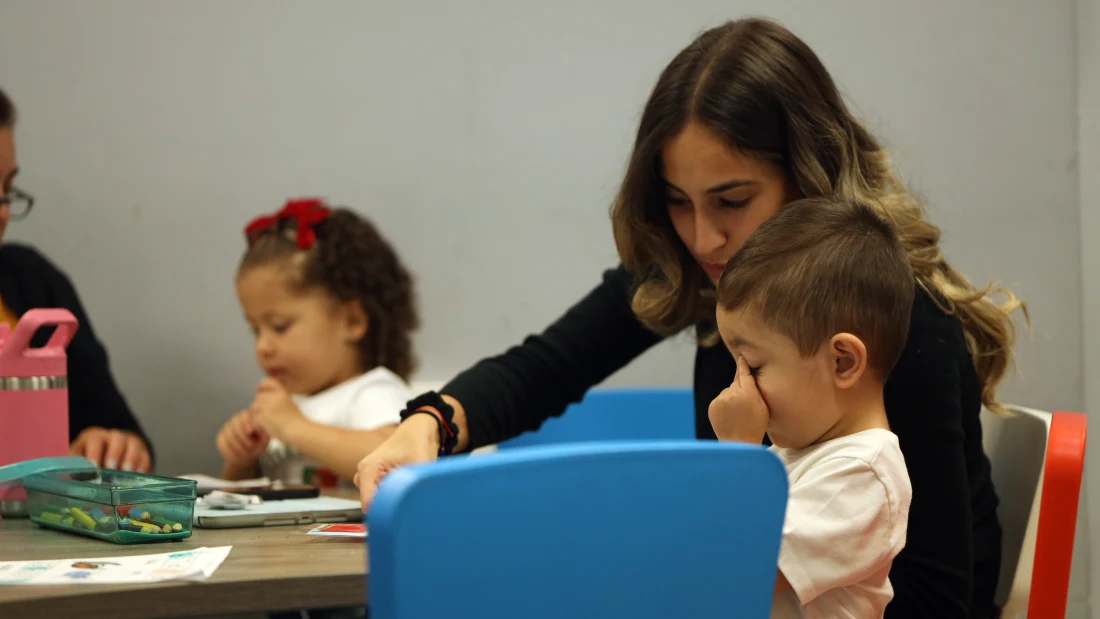
Maintaining ABA therapy progress and preventing summer regression in autism at Koala ABA Florida.

Do you notice that your child has difficulties communicating? You should know that addressing language difficulties in early childhood can make a significant difference in their social development. In this sense, speech therapy for toddlers is a valuable tool that not only improves communication but also strengthens confidence from the earliest years of life.

At Koala ABA & Learning Centers, we understand that every child has a unique learning pace. Therefore, we offer a therapeutic approach tailored to their needs. Our articulation and oral motor therapies have proven effective for language processing disorders, especially in cases of Autism Spectrum Disorder (ASD).

In this article, we will explore how speech therapy for toddlers can transform lives and how to find this support in Doral, Florida. Keep reading!

What is Speech Therapy for Toddlers?

Speech Therapy for Toddlers in Doral, FL: Boost Their Confidence Today.

The ability to communicate is one of the most valuable skills we develop from childhood due to our social nature. However, not all children progress at the same pace in language and speech development. Thus, speech therapy for toddlers emerges as a specialized response to guide this development effectively.

Among children with ASD, language development can be highly variable. Some are early talkers, while others begin to speak much later. However, through professional support, speech therapy services not only improve pronunciation and vocabulary but also enhance social interaction and understanding of the environment.

So, what exactly is speech therapy? Here are some key points:

It is a specialized clinical discipline:

It uses therapeutic techniques to assess, diagnose, and treat speech, language, communication, and swallowing disorders.

It adapts to each stage of development:

From mild pronunciation difficulties to complex challenges related to neurological or developmental disorders, such as ASD.

It includes various areas of language:

Such as expressive language (what we say), receptive language (what we understand), verbal fluency, voice, and articulation.

It promotes effective communication:

The goal is not just to speak better but also to interact with others more clearly, independently, and meaningfully.

It integrates modern tools:

Such as augmentative and alternative communication (AAC) devices, visual supports, and multisensory methods tailored to the child.

How Does Speech Therapy Help Toddlers?

Speech Therapy for Toddlers in Doral, FL: Boost Their Confidence Today.

In early childhood, language development is part of a critical stage in children’s emotional and cognitive growth. Therefore, when delays or difficulties arise in these linguistic skills, speech therapy for toddlers becomes the fundamental intervention to enhance their communicative abilities.

Clearly, the goal is to teach children with difficulties how to converse with others in different social situations. Instead of “waiting for them to talk,” this therapeutic approach allows for timely intervention, guiding each child according to their individual needs and opening the door to more direct and effective communication.

How Does Speech Therapy Help Toddlers? Here are some points:

  • Stimulates the development of oral and non-verbal language: The child learns to use words, gestures, and sounds to express themselves.
  • Improves pronunciation and clarity of speech: It helps learn new words and correct articulatory and phonological difficulties.
  • Strengthens language comprehension: Children are taught to understand others, follow instructions, and respond coherently.
  • Supports social and emotional development: Children gain confidence, reduce frustrations, and improve their interaction with others.
  • Facilitates integration into school environments: These children are more likely to adapt better to preschool.
  • Adapts to specific needs: It is especially valuable for children with ASD, Down syndrome, or developmental delays.

What are the benefits of Augmentative and Alternative Communication (AAC)? 

If a child has difficulties with oral language, the need to communicate remains essential for them. At this point, Augmentative and Alternative Communication (AAC) is a fundamental tool within speech therapy for toddlers, as it offers strategies for the child to develop non-verbal communication skills.

The benefits of Augmentative and Alternative Communication (AAC) are countless; here are just a few:

  • Facilitates the expression of basic needs and emotions.
  • Supports the effective development of oral language.
  • Strengthens self-esteem and sense of belonging.
  • Is adaptable to each child’s communication level.
  • Promotes social interaction in various environments.
  • Allows for much more effective early intervention.

How do Speech Therapy and Occupational Therapy Complement Each Other? 

Speech Therapy for Toddlers in Doral, FL: Boost Their Confidence Today.

When it comes to child development, addressing each area in isolation can limit a child’s potential. Additionally, the scope of speech therapy varies from child to child and depends on their individual needs. This is why the integration of speech therapy for toddlers and occupational therapy is not only recommended but essential in many cases.

By working together, these disciplines create a comprehensive therapeutic environment that addresses communicative skills, cognitive skills, and oral motor goals. However, the services that the child needs are only determined after an initial assessment. Thus, some specialized centers translate this synergy into much more personalized progress.

Here’s a summary of how occupational therapy and speech therapy complement each other:

  • Comprehensive view of the child: Speech therapy focuses on language and comprehension; occupational therapy works on coordination and self-regulation.
  • Improves attention and participation: Occupational therapy helps the child be more receptive during speech therapy sessions.
  • Joint work on oral motor skills: Both therapies work on strength and coordination in the muscles of the mouth.
  • Strengthens autonomy and expression: Both work on how the child communicates their needs and the physical tools necessary for that.
  • Support for school and family routines: Both therapies help create daily routines that improve the child’s adaptation at school and home.

How does Speech Therapy work for Toddlers with ASD? 

Speech Therapy for Toddlers in Doral, FL: Boost Their Confidence Today.

When diagnosing ASD in childhood, one of the parents’ concerns is whether their child will be able to communicate well in the future. For this reason, speech therapy for toddlers with ASD is not a generic approach. Beyond that, it is a specialized intervention that takes into account each child’s sensory, cognitive, and social particularities.

Child speech therapy involves developing skills such as understanding body language, maintaining eye contact, and using the appropriate volume when speaking. Additionally, at centers like Koala ABA & Learning Centers, evidence-based techniques are combined with structured treatments tailored to each child’s needs.

What is speech therapy like for children on the autism spectrum? Here’s how it works:

  • Individualized and child-centered: The therapist tailors the sessions to each specific profile to maximize communicative progress.
  • Focused on functionality, not just verbalization: The goal is effective communication, using words, gestures, or images.
  • Integrates visual supports and predictable routines: Pictograms and visual boards are used to provide structure to the learning process.
  • Collaborative work with other professionals: Collaboration with occupational therapists and behavior analysts is essential.
  • Support for families: Parents receive guidance from speech therapists on appropriate strategies at home.
  • Emphasis on social interaction: Skills such as eye contact, turn-taking in conversation, and shared attention are promoted.

Koala ABA & Learning Centers: Communication, Autonomy, and Development in One Place. 

At Koala ABA & Learning Centers, we understand that every child needs an approach that goes beyond a single difficulty. That’s why we integrate Speech Therapy and Occupational Therapy to address both communicative skills and motor and sensory aspects. This therapeutic synergy allows us to build a solid foundation for your child’s social and academic development.

Both therapies complement each other to enhance the child’s autonomy and active participation in their environment. How do we achieve this?

  • Through personalized assessments that identify communication barriers.
  • With intervention plans that work on language and social skills.
  • Using visual tools and technology that facilitate learning.

The Transformative Power of Speech Therapy for Toddlers. 

Speech therapy for toddlers not only teaches them to speak: it opens doors to the world. It is a key intervention for your child to learn to express their emotions, interact with their environment, and feel understood. Yes: when a child starts communicating better, they also gain confidence and security by being able to participate.

In this way, with the right professional support, even the most complex challenges can become opportunities for growth. Thus, especially for children on the autism spectrum, speech therapy for toddlers represents an effective tool for achieving a more connected and fulfilling life.

Don’t wait any longer! At Koala ABA & Learning Centers in Doral, Florida, we are committed to helping you. Contact us today, let’s build a future for your child with more words, more connection, and more joy.

Best Behavioral Therapists for Autism in Doral, Florida

Supporting an autistic child's back-to-school transition in Florida with professional guidance from Koala ABA.

Autism is a developmental condition that requires sensitive and specialized treatment, especially in children. The ultimate goal is singular: to improve the quality of life for young individuals living with ASD. Among the most effective strategies to achieve this is ABA Therapy, a scientific method that helps enhance communication and social skills.

In Doral, Florida, there are very interesting options for behavioral therapists for autism, which can ensure early and effective intervention. Therefore, in this article, we will explore the role of these professionals, the benefits of ABA therapy, and how to choose the right therapist to guarantee the best possible support.

If you are looking for guidance on autism treatment in Doral, you will find all the information you need here.

What is the Role of ABA Therapy in Autism Treatment?

Best Behavioral Therapists for Autism in Doral, Florida.

Applied Behavior Analysis (ABA) is one of the most commonly used therapies for treating autism. Moreover, its widespread use is backed by its evidence-based approach. Its goal is to promote social interaction by modifying behavior through intervention strategies tailored to each individual.

In this way, applied behavior analysis therapy (ABA) has proven to be an effective tool for developing autonomy in autistic individuals and those with ADHD. ABA therapy focuses on breaking down complex skills into smaller steps and teaching them systematically through positive reinforcement.

Let’s look at some fundamental aspects that highlight its great importance in autism therapy:

  • Development of Communication Skills: Helps improve verbal and non-verbal communication as well as emotional expression.
  • Strengthening Social Interactions: Teaches skills to foster meaningful social interactions.
  • Modification of Challenging Behaviors: Reduces problematic behaviors and replaces them with functional responses.
  • Personalized Application: Intervention plans are tailored to individual and specific needs.
  • Comprehensive Support for Families: ABA involves parents and caregivers to reinforce learning in different contexts.

What Do Behavioral Therapists for Autism Do?

Best Behavioral Therapists for Autism in Doral, Florida.

Behavioral therapists for autism play a crucial role in the development of children and adults with Autism Spectrum Disorder (ASD). For example, through approaches like ABA therapy, they design strategies to strengthen social competencies, helping children navigate independently.

Thus, their work not only impacts the lives of our little ones but also provides support to families, ensuring that improvements are visible across various domains and situations. Below, we explore the main functions of behavioral therapists for autism and their impact on children’s development:

  1. Initial Assessment and Design of Personalized Programs: They assess the child’s needs and design appropriate therapeutic programs.
  2. Implementation of ABA Therapy: They apply ABA strategies tailored to each developmental stage.
  3. Reduction of Problematic Behaviors: They identify challenging behavioral patterns and work on reducing them.
  4. Ongoing Monitoring and Adjustments: They periodically evaluate the child’s progress and adjust the therapeutic plan as necessary.
  5. Collaboration with Families and Educators: They work alongside parents and educators to refine the learning process.

Is it Important to Address Autism Therapy from Early Childhood?

Yes. Without a doubt, early intervention plays a crucial role in this treatment, as it maximizes each child’s learning potential from their earliest years. Therefore, when ABA therapy is initiated at an appropriate age, its benefits are much more significant, enhancing your child’s cognitive and emotional development.

Here are the main reasons why early intervention is fundamental in the treatment of childhood autism:

  • Greater learning and adaptation capacity: A child who receives timely therapy acquires essential skills more quickly.
  • Improvements in communication and social skills: Communication and emotional skills are reinforced from an early age.
  • Better long-term outcomes: It offers greater chances of integrating into school and the workforce in the future.

How Do Behavioral Therapists for Autism Improve Quality of Life?

Best Behavioral Therapists for Autism in Doral, Florida.

We already know that autism is a neurodevelopmental disorder that affects multiple areas, including communication and social interaction. However, with the right support and strategies, individuals with autism, especially children, can develop skills that allow them to lead a more independent and fulfilling life.

Behavioral therapists for autism play a vital role in this process by applying evidence-based techniques, such as ABA therapy. Additionally, through personalized approaches, behavior analysts help strengthen functional competencies, reduce challenging behaviors, and promote our children’s independence.

Below, we examine how their work positively impacts the lives of children with autism and their families:

  • Improving social skills: They implement strategies to enhance social and family interaction.
  • Fostering independence: They adapt their approach to encourage daily autonomy in autistic children.
  • Developing autonomy: They promote practical life skills and emotional management for children.
  • Promoting inclusion in society: They teach autistic children how to better integrate into educational and social environments.
  • Supporting family guidance: They educate parents and caregivers to adapt learning to the family environment.

How to Choose the Right Behavioral Therapist in Doral, Florida?

Best Behavioral Therapists for Autism in Doral, Florida.

Finding one among so many behavioral therapists for autism in Doral, Florida is a crucial decision to ensure truly effective treatment for your child. You should know that, in addition to interventions, these specialists collect data on behavior to evaluate the effectiveness of interventions and make necessary adjustments.

However, not all behavioral therapists for autism have the same experience or scientific approach, so it is essential to assess various aspects before making such an important decision. Below are some essential factors to consider when selecting the right professional:

  • Experience and certifications: They should have ABA certifications and experience working with autistic children.
  • Availability and location: Consider the proximity of the therapy center and its scheduling flexibility.
  • Family interaction: A good ABA therapist involves parents in the process and reinforces learning at home.
  • Techniques and methodologies: Ask about the specific methods they use and how they adapt to the autism spectrum.
  • Costs and financing options: Evaluate session prices and whether there are insurance options that cover treatment.

Frequently Asked Questions About Behavioral Therapists for Autism in Doral, FL.

What is a behavioral therapist for autism?

A behavioral therapist is a professional specialized in modifying behaviors and improving social, communication, and cognitive skills in children with Autism Spectrum Disorder (ASD).

What are the benefits of ABA Therapy in treating autism?

Applied Behavior Analysis (ABA) Therapy promotes the development of functional skills, improves communication, reduces problematic behaviors, and strengthens social interactions.

How can I tell if an ABA therapist is right for my child?

Look for certified professionals with proven experience working with children with autism. It’s important that they offer personalized treatment plans and involve the family in the process.

Koala ABA & Learning Centers: Transforming Lives with Applied Behavior Analysis.

At Koala ABA & Learning Centers, we know that every child is unique and deserves a personalized approach that helps them reach their full potential. Our commitment begins with an early Autism Evaluation, an essential step to identify your child’s specific needs and design an effective intervention plan.

Additionally, one of the pillars of our work is ABA Therapy, an evidence-based methodology that promotes the learning of functional, communicative, and social skills. At Koala ABA & Learning Centers, our behavioral therapists for autism use proven and tailored approaches such as:

  • Discrete Trial Training.
  • Natural Environment Teaching.
  • Task Chaining.

If you are in Doral, Florida, and looking for a quality autism evaluation or ABA therapy, at Koala ABA & Learning Centers you will find the specialized support your child needs to develop their confidence in a warm, professional, and results-focused therapeutic environment.

Contact us today in Doral: together let’s take the first step towards a future full of opportunities for your child!

Obsessive Compulsive Disorder vs Autism: Key Signs and Differences

Key steps to combat summer regression in autism and sustain development with Koala ABA in Florida.

Obsessive Compulsive Disorder and Autism Spectrum Disorder share certain characteristics that have traditionally caused a lot of confusion. Moreover, among parents seeking answers for their children’s behavior, these uncertainties can be even greater. Therefore, distinguishing between obsessive compulsive disorder vs autism can be challenging without an accurate diagnosis.

However, each of these disorders has unique traits in terms of symptoms and treatment. To help you understand the relationship between obsessive compulsive disorder vs autism, especially in the context of autistic children, this article will address their differences, diagnostic particulars, and the therapeutic options available in each case.

If you have ever wondered how to distinguish them or what the appropriate approach for your child’s treatment is, keep reading: here you will find the answers you need.

What is Obsessive Compulsive Disorder (OCD)?

Obsessive-Compulsive Disorder (OCD) is a condition characterized by intrusive thoughts known as obsessions, which generate anxiety and lead the person to engage in repetitive behaviors, known as compulsions. These obsessions are generally intrusive, unwanted images or impulses that can often be disturbing.

Although some of these behaviors may seem normal, in severe cases they can affect the daily life of those who experience them. Additionally, these effects are more noticeable in childhood, as children have less control over these compulsive repetitions. In this section, we will explore the OCD symptoms and how to establish a clear distinction between obsessive compulsive disorder vs autism.

What is Obsessive-Compulsive Disorder (OCD)?

  • Definition: It is an anxiety disorder characterized by recurrent thoughts and repetitive actions.
  • Main Symptoms: Intrusive thoughts, the need to repeat actions, and hoarding unnecessary objects.
  • Impact on Daily Life: It can limit concentration, socialization, and work or academic performance.
  • Causes and Risk Factors: It may result from a combination of genetic, neurobiological, and environmental factors.
  • Diagnosis: Requires a psychological or psychiatric evaluation based on symptoms and impact.
  • Treatments: Include cognitive-behavioral therapy, exposure and response prevention (ERP), and pharmacological treatment.

What is Autism Spectrum Disorder (ASD)?

Obsessive Compulsive Disorder vs Autism: Key Signs and Differences.

Autism Spectrum Disorder (ASD) is a neurodevelopmental condition that affects communication, social interaction, and behavior. It also involves significant difficulty in understanding social cues and interpreting non-verbal communication. ASD manifests in various ways and with different levels of intensity, making each case unique.

Over the years, there has been greater recognition of ASD, which has improved diagnostic criteria and therapeutic approaches. In this section, we will analyze what ASD is, its most common symptoms, and some intervention strategies that can enhance the quality of life for those affected, from the perspective of obsessive compulsive disorder vs autism.

What is Autism Spectrum Disorder (ASD)?

  • Definition: It is a neurodevelopmental disorder that affects communication, socialization, and certain behavioral patterns.
  • Clinical Manifestations: Difficulties in social interaction, special interests, and communication disruptions.
  • Variability on the Spectrum: There is no single autism profile; it varies from severe difficulties to the development of certain skills.
  • Causes and Risk Factors: A combination of genetic and environmental factors influencing its development is studied.
  • Diagnosis: It is conducted through specific tests to assess cognitive development and social interaction.
  • Treatment and Support: This includes behavioral therapy, personalized educational programs, and specialized medical interventions.

What are the similarities between OCD and Autism? 

Obsessive Compulsive Disorder vs Autism: Key Signs and Differences.

At some point in the diagnosis, Obsessive Compulsive Disorder and Autism Spectrum Disorder may seem like completely distinct conditions. However, we have already mentioned that they often share several traits that can lead to confusion. Both disorders involve, for example, difficulties in adapting to change and cognitive processing.

It is important to note that while OCD and ASD are distinct conditions, they can coexist, making diagnosis and treatment even more complex. Therefore, understanding these similarities not only helps differentiate between the two disorders but also facilitates the search for appropriate and differentiated treatment strategies.

In this section, we will analyze aspects of the comparison between obsessive compulsive disorder vs autism that generate doubts when making an accurate diagnosis:

  • Repetitive behaviors: In both cases, individuals may exhibit repetitive actions such as words or gestures.
  • Cognitive rigidity: Both in OCD and autism, difficulty adapting to new situations is common.
  • Focus on specific details: People with OCD and ASD often excessively focus on certain details or patterns.
  • Sensory sensitivity: They may involve sensory hypersensitivity, such as intolerance to certain textures, sounds, or lights.
  • Difficulties in socialization: Both disorders can affect interaction with others and social difficulties.
  • Need for control: In both cases, there may be a strong need to maintain control over their environment.

How do treatments for OCD and Autism differ? 

Obsessive Compulsive Disorder vs Autism: Key Signs and Differences.

Clearly, Obsessive Compulsive Disorder and Autism Spectrum Disorder require distinct therapeutic approaches due to their profound differences. Moreover, you should know an important fact: research suggests that there is significant coexistence between OCD and ASD. In fact, according to some studies, this can be around 17% of cases.

Furthermore, these studies have shown that autistic people are more likely to develop OCD and vice versa. Therefore, understanding how treatments vary is vital for finding solutions tailored to each condition. In this section, we select the most commonly used therapies in each case, always from the perspective of obsessive compulsive disorder vs autism:

How do treatments for OCD and Autism differ?

Therapeutic Approach: 

  • OCD is primarily treated with cognitive-behavioral therapy, modifying obsessive behavior patterns.
  • Autism requires personalized approaches such as ABA Therapy to improve socialization and communication.

Medication Use: 

  • For OCD, selective inhibitors may be prescribed to reduce anxiety and compulsive symptoms.
  • In autism, there is no specific medication, but drugs can be used to treat symptoms.

Routine Interventions: 

  • In OCD, the goal is to modify compulsive patterns and reduce the need for control.
  • In autism, structured routines are established to help improve adaptation and emotional regulation.

Treatment Goal: 

  • In OCD, the focus is on reducing obsessive thoughts to improve quality of life.
  • In autism, the focus is on optimizing social skills, communication, and autonomy.

Frequently Asked Questions about Obsessive-Compulsive Disorder vs Autism.

How can I tell if my child has OCD or autism? 

OCD is characterized by obsessions that cause anxiety, while autism usually involves difficulties in social communication and rigid patterns of behavior.

Can a person have OCD and autism at the same time? 

Yes, it is possible. Various studies indicate that up to 17% of people with autism also exhibit symptoms of OCD.

What type of therapy is most effective for childhood OCD? 

Cognitive Behavioral Therapy (CBT), especially the Exposure and Response Prevention (ERP) technique.

What therapies are recommended for children with autism? 

The most effective treatment is Applied Behavior Analysis (ABA), combined with speech therapy, occupational therapy, and structured educational programs.

How is OCD and autism diagnosed in children? 

The diagnosis of OCD is based on clinical observation of obsessions and compulsions. For autism, specific developmental assessments and social interaction evaluations are used.

Obsessive Compulsive Disorder vs Autism: Accurate Diagnosis at Koala ABA & Learning Centers. 

At Koala ABA & Learning Centers, we understand that Obsessive Compulsive Disorder and Autism share certain characteristics, but it is essential to recognize that they are distinct conditions with unique treatments. Therefore, identifying the differences between obsessive compulsive disorder vs autism is vital to providing each child with the appropriate support.

At Koala ABA & Learning Centers, we recognize the great importance of an accurate early Autism Evaluation. Our multidisciplinary team conducts personalized assessments, considering each child’s context. Certainly, an early diagnosis not only opens the door to effective interventions such as:

It also provides families with the guidance and resources necessary to effectively navigate their children’s educational process.

Contact us today! Take the first step towards a promising future for your child. At Koala ABA & Learning Centers, we are here to help you build that path together.

Music Therapy for Autism: Boosting Social Skills Through Sound.

Music Therapy for Autism: Boosting Social Skills Through Sound.

Music has extraordinary power: it can evoke emotions, awaken memories, and foster communication where words fail. For children with Autism Spectrum Disorder (ASD), whose interaction with the world is different, music therapy for autism has become an invaluable tool for improving social connection and cognitive development.

Through rhythm and melody, music therapy provides a space where children can explore new forms of communication without the pressure of verbal language. Additionally, sound can stimulate areas of the brain related to social interaction and emotional regulation, helping them feel more connected to those around them.

Therefore, in this article, we will explore what music therapy is, its main benefits, and the most commonly used techniques today. So, if you’ve ever wondered if music has power, you will find the answer here.

What is Music Therapy and How Does It Work?

Music Therapy for Autism: Boosting Social Skills Through Sound.

Yes: music can connect and transform lives. In the case of children with autism, music therapy helps improve communication and the development of social skills. Thus, through sounds, music therapy for autism facilitates their ability to interact in different ways without relying solely on verbal language.

Scientifically, this therapy is based on stimulating areas of the brain related to perception and emotions, helping children with autism develop their communicative skills. Furthermore, music therapy is tailored to their individual needs, employing musical strategies that facilitate communication and learning.

In this regard, some of the main principles of music therapy are:

  • Brain Stimulation: Music activates multiple areas of the brain, promoting cognitive development.
  • Emotional Expression Without Barriers: Music provides an alternative channel for expressing feelings and emotional states.
  • Improved Communication and Social Interaction: Children learn to respond to auditory stimuli and interact with their peers.
  • Personalized Techniques: It employs methods adapted to their needs to generate emotional and cognitive responses.
  • Promotes Emotional Regulation and Behavior: Music can reduce anxiety and episodes of repetitive behavior.

Key Benefits of Music Therapy for Children with Autism.

Music Therapy for Autism: Boosting Social Skills Through Sound.

Evidently, by integrating sounds and rhythms within a therapeutic environment, children can unlock new ways to relate to their surroundings. In this way, therapists use music as a complementary therapy in early intervention for autistic children, seeking positive responses through recreational treatment.

Of course, music therapy for autism aims to improve challenging behaviors and relax the child in various settings. To give you a better perspective, we will explore the most important benefits of music therapy sessions and how they can positively impact the lives of our little ones:

  1. Improves Communication and Language: Many autistic children respond better to music than to spoken language.
  2. Strengthens Social Skills: Participating in group musical activities teaches them to share and cooperate with others.
  3. Reduces Anxiety and Stress: Musical experiences can be an excellent tool for managing crisis episodes.
  4. Stimulates Cognitive Development and Concentration: The rhythmic structure of music reinforces memory and attention.
  5. Promotes motor skills and coordination: Activities like dancing or following rhythmic patterns help improve body control.
  6. Increases self-esteem and confidence: It allows children to experience personal achievements, such as learning a new song.

6 common techniques used in music therapy for autism.

Music Therapy for Autism: Boosting Social Skills Through Sound.

You should know that musical sensitivity in children with autism is particularly developed. For this reason, through various musical techniques adapted to their individual needs, the therapist seeks to captivate the child with musical elements, which can even be a creative game related to musical perception.

Additionally, these techniques allow children with autism to develop essential motor and social skills in their development, promoting their inclusion and overall well-being. Therefore, below we present some of the most commonly used techniques in music therapy and how they can positively impact the lives of children with autism:

  • Nordoff-Robbins Method: This therapy allows children to participate in creating sounds without the need for verbal language.
  • Singing and vocalization: The use of singing helps improve articulation, language comprehension, and verbal communication.
  • Rhythmic games and musical instruments: Playing instruments like drums enables children to develop motor coordination.
  • Active listening and appropriate music selection: Choosing relaxing music can influence their emotional state and help regulate anxiety.
  • Guided improvisation: Therapists use musical improvisation to help children develop their creativity.
  • Movement and body expression: The connection between music and the body can strengthen spatial awareness and social interaction.

So, does music therapy really work for autism? 

Indeed: numerous studies have analyzed its effectiveness, and although results may vary for each child, evidence suggests that music therapy is a powerful tool for improving the quality of life for those with autism spectrum disorders.

Next, we will analyze solid arguments that support the effectiveness of music-based therapy:

  • Scientific backing and clinical studies: Music stimulates areas of the brain related to communication.
  • Facilitates non-verbal communication: Music provides an alternative form of communication and bodily expression.
  • Reduces anxiety and improves emotional regulation: The calming effect of music helps reduce sensory overloads.
  • Reinforces social skills and interaction: Music therapy allows children to participate in collaborative activities.
  • Encourages creativity and confidence: Musical improvisation offers children the opportunity to express themselves freely.

How to find a certified music therapist for autism? 

Music Therapy for Autism: Boosting Social Skills Through Sound.

We already know that music is an alternative form of expression that can manifest through songs, melodies, or playing an instrument. However, for the impact of music therapy to be truly positive, it is essential to have a certified therapist with experience in treating individuals with autism.

On the other hand, finding the right professional requires evaluating their training, certifications, and methodology, as well as ensuring that their approach aligns with the specific needs of the child. Now, to help you in your search, here are fundamental aspects to consider when choosing the ideal music therapist for you:

  1. Verify their certifications and training: Make sure that the therapist has official certifications in music therapy.
  2. Look for specific experience in autism: Not all music therapists specialize in treating children with autism.
  3. Check recommendations and reviews: Reviewing opinions from other parents and professionals can help you determine the quality of the therapist.
  4. Evaluate their methodology: It is important that their approach adapts to your child’s needs.
  5. Ensure they provide a safe and stimulating environment: The therapy space should be free from distractions and have a relaxing atmosphere.
  6. Consult options at specialized centers and associations: Organizations dedicated to autism often have lists of certified therapists and specialized centers.

Koala ABA & Learning Centers: Helping to Grow With Music.

At Koala ABA & Learning Centers, our early intervention behavioral therapy program focuses on improving communication and enhancing the social skills of young children. Our ABA intervention is carried out through play-based learning, music, and other functional activities.

In this way, young children progress with individualized goals, such as following instructions, responding to their name, and interacting with peers, through specialized services designed specifically for them, including:

Additionally, an appropriate sensory diet helps children achieve optimal states of arousal. Through play and music, we also address hypersensitivity to sounds, touch, and smells. Thus, music therapy offers a unique, engaging, and scientifically supported pathway for the growth of children with autism.

Whether learning to communicate through rhythm or expressing joy through melody, music helps unlock their full potential. Explore our therapy services today to see how your child could benefit from a personalized approach based on ABA and music!

What Is a Learning Disability? Types, Symptoms, and How to Get Effective Help.

Unlock your child’s potential with in-home ABA therapy in Panama City, FL through Koala ABA’s early intervention programs.

Learning disabilities affect the way a person processes, understands, and expresses information. And although a learning disability is often associated with academic struggles, its impact also extends to everyday life and social relationships. Therefore, identifying and understanding them is the first step toward providing proper support for those affected.

Based on this idea, in this article, we will explore what learning disabilities are, the most common types, and the symptoms that can alert parents, teachers, and professionals. We will also discuss diagnostic methods and available treatments, aiming to facilitate inclusion and development for those facing these challenges.

What Are the Most Common Types of Learning Disabilities?

What Is a Learning Disability? Types, Symptoms, and How to Get Help.

A learning disability is a neurological disorder that affect how the brain receives, processes, stores, and responds to information. However, they are not related to a person’s intelligence, but rather to very specific difficulties in areas like reading, writing, math, or communication.

Therefore, becoming familiar with these disabilities is essential for offering or receiving effective treatments that help individuals reach their full potential and overcome obstacles. Below, we explore the most common types of learning disabilities, their characteristics, and how they can impact daily life:

Dyslexia:

  • Difficulty recognizing written words, reading fluently, and understanding texts.
  • Dyslexia can affect writing and spelling in early childhood.
  • Managed with multisensory reading strategies and personalized support.

Nonverbal Learning Disability (NVLD):

  • Trouble interpreting facial expressions, body language, and social cues.
  • Difficulties with motor coordination and spatial organization.
  • Treated with occupational therapy and social skills training.

Auditory Processing Disorder (APD):

  • Difficulty processing and understanding sounds in noisy environments.
  • Not related to hearing ability, but to how the brain processes spoken language.
  • Managed with speech therapy and auditory discrimination techniques.

Dyscalculia:

  • Problems understanding math concepts, performing calculations, and recognizing numerical patterns.
  • Difficulty managing time and organizing numerical information.
  • Adaptive teaching methods and visual tools are used.

Dysgraphia:

  • Affects handwriting and fine motor coordination.
  • Difficulty forming letters correctly and organizing written texts.
  • Treated with assisted writing strategies and occupational therapy.

What Are the Signs and Symptoms to Watch For?

What Is a Learning Disability? Types, Symptoms, and How to Get Help.

Certainly, a learning disability can present in many different ways, making it crucial to watch for early signs to provide timely support. It’s also important to note that while Autism Spectrum Disorder (ASD) is not a learning disability itself, individuals with ASD can also be affected by them.

From reading and writing problems to difficulties with language comprehension or math reasoning, a learning disability can interfere with the academic performance, socialization, and daily life of autistic children. Recognizing these symptoms early is key to implementing effective diagnostic and treatment strategies.

Here are the main symptoms of a learning disability:

  1. Difficulties with reading and writing: Trouble reading fluently, understanding texts, and messy handwriting.
  2. Language and communication problems: Difficulty following conversations and expressing ideas clearly.
  3. Math skills complications: Trouble understanding number concepts and solving calculations.
  4. Memory and attention issues: Forgetting newly learned information easily, trouble following instructions.
  5. Organizational and logical reasoning difficulties: Trouble planning activities or solving everyday tasks.
  6. Social and emotional skill problems: Difficulty interpreting body language and forming interpersonal relationships.

What Is a Nonverbal Learning Disability?

What Is a Learning Disability? Types, Symptoms, and How to Get Help.

At this point, when we talk about types of learning, we often think about reading or math difficulties. However, there is a lesser-known but equally complex type of learning disability: Nonverbal Learning Disability (NVLD). These disabilities affect the ability to interpret and process visual, spatial, and social information.

This clearly impacts nonverbal communication and motor coordination skills. Although individuals with NVLD may have strong verbal language abilities, they often struggle significantly with social interactions and visual pattern recognition. Below are its main characteristics:

  • Difficulty interpreting facial expressions and body language.
  • Deficits in motor coordination and spatial skills.
  • Problems organizing and planning tasks.
  • Challenges with math comprehension and logical reasoning.
  • Impact on social skills and interpersonal relationships.

How Are Learning Disabilities Diagnosed?

What Is a Learning Disability? Types, Symptoms, and How to Get Help.

Diagnosing a learning disability is the most important step in identifying and addressing the challenges individuals face in their educational development. However, it’s not always easy to detect, as symptoms can vary widely and are sometimes mistaken for temporary difficulties or lack of attention.

An accurate evaluation allows for the design of personalized support strategies to help individuals overcome barriers in reading, writing, or math. This process involves certified specialists and specific tests to determine the best way to provide support.

Here are the most common methods used to diagnose a learning disability:

  1. Observation and early detection: Learning difficulties are often noticeable at an early age, such as problems with reading or writing.
  2. Educational and academic assessments: Evaluation of the child’s school performance compared to educational standards.
  3. Psychological and neurocognitive testing: Psychologists or cognitive development specialists identify information-processing patterns.
  4. Language and communication assessments: Tests of auditory comprehension, oral expression, and verbal fluency.
  5. Environmental and emotional analysis: Evaluation of factors such as anxiety, self-esteem, and social adjustment.
  6. Multidisciplinary intervention: Teachers, educational psychologists, neurologists, and specialized therapists collaborate to create a personalized educational plan.

How Are Learning Disabilities Treated?

What Is a Learning Disability? Types, Symptoms, and How to Get Help.

Most experts agree that early intervention is the best strategy for treating specific learning disorders. With the right approach, it’s possible to overcome these challenges and implement effective strategies to improve comprehension, communication, and academic performance.

It’s important to know that the treatment for these disabilities is not a one-size-fits-all solution. It combines educational approaches, specialized therapies, and assistive technologies. Consulting a developmental and behavioral specialist is essential to identify key areas for intervention.

Below are the main strategies used to treat a learning disability:

  1. Personalized educational intervention:

  • Adapting teaching methods to the student’s specific needs.
  • Using multisensory strategies to improve understanding and information retention.
  1. Speech and communication therapy:

  • Specialized programs to improve reading, writing, and oral expression skills.
  • Support with pronunciation, language structure, and verbal comprehension.
  1. Use of technology and digital tools:

  • Adaptive learning apps to strengthen academic skills.
  • Assisted reading and voice recognition software to support learning.
  1. Psychological and emotional support:

  • Techniques to boost self-esteem, mental health conditions, and learning confidence.
  • Guidance to manage frustration and build resilience skills.
  1. Adaptive teaching methods:

  • Alternative approaches such as visual, auditory, and kinesthetic learning.
  • Strategies to improve organization and information processing.
  1. Multidisciplinary collaboration and family support:

Frequently Asked Questions about a Learning Disability.

  1. What is a learning disability?

It is a neurological disorder that affects how a person processes, understands, and communicates information. It is not related to intelligence.

  1. What are the most common types of learning disabilities?

The most frequent include dyslexia, dyscalculia, dysgraphia, auditory processing disorder, and nonverbal learning disability (NVLD).

  1. How can I tell if my child has a learning disability?

Warning signs may include persistent difficulties with reading, writing, following instructions, solving math problems, or interacting with peers.

  1. How is a learning disability diagnosed?

Diagnosis involves academic, psychological, language, and neurocognitive evaluations, combined with expert observation and environmental assessment.

  1. What is the most effective treatment for a learning disability?

The most effective treatment is personalized and holistic, combining educational interventions, speech therapy, and adaptive technology

Koala ABA & Learning Centers: Turning Disabilities into Opportunities.

At Koala ABA & Learning Centers, we understand that facing a learning disability can be a challenge—but also an opportunity to discover new ways to grow and learn. That’s why we offer individualized support plans, practical strategies, and structured environments that help every child reach their full potential.

Our team of highly trained professionals uses evidence-based behavior modification techniques to promote meaningful learning tailored to each student’s unique needs. At Koala ABA & Learning Centers, we firmly believe that every child deserves the right tools to achieve academic and personal success.

Are you ready to take the first step toward a brighter future?

Contact us today and discover how we can help transform your child’s life through a personalized, compassionate, and effective approach.